
BLOG

Lead Paint in Rental Turnovers: A Landlord’s Pre-Move-In Checklist
Turning over a rental unit between tenants is a race against the clock. For property managers and landlords, every day an apartment sits empty is a day of lost revenue. Because of this pressure, turnovers are usually handled at top speed: carpets are cleaned, walls are hastily repainted, and minor repairs are patched over. But if you manage older housing stock, moving too fast during a turnover can trigger a massive environmental and legal liability.

Michigan Asbestos Regulations: What Homeowners and Contractors Should Know
When property owners or contractors plan a renovation in an older building, they usually focus on permits, material costs, and schedules. What often gets overlooked is environmental compliance, specifically regarding asbestos.
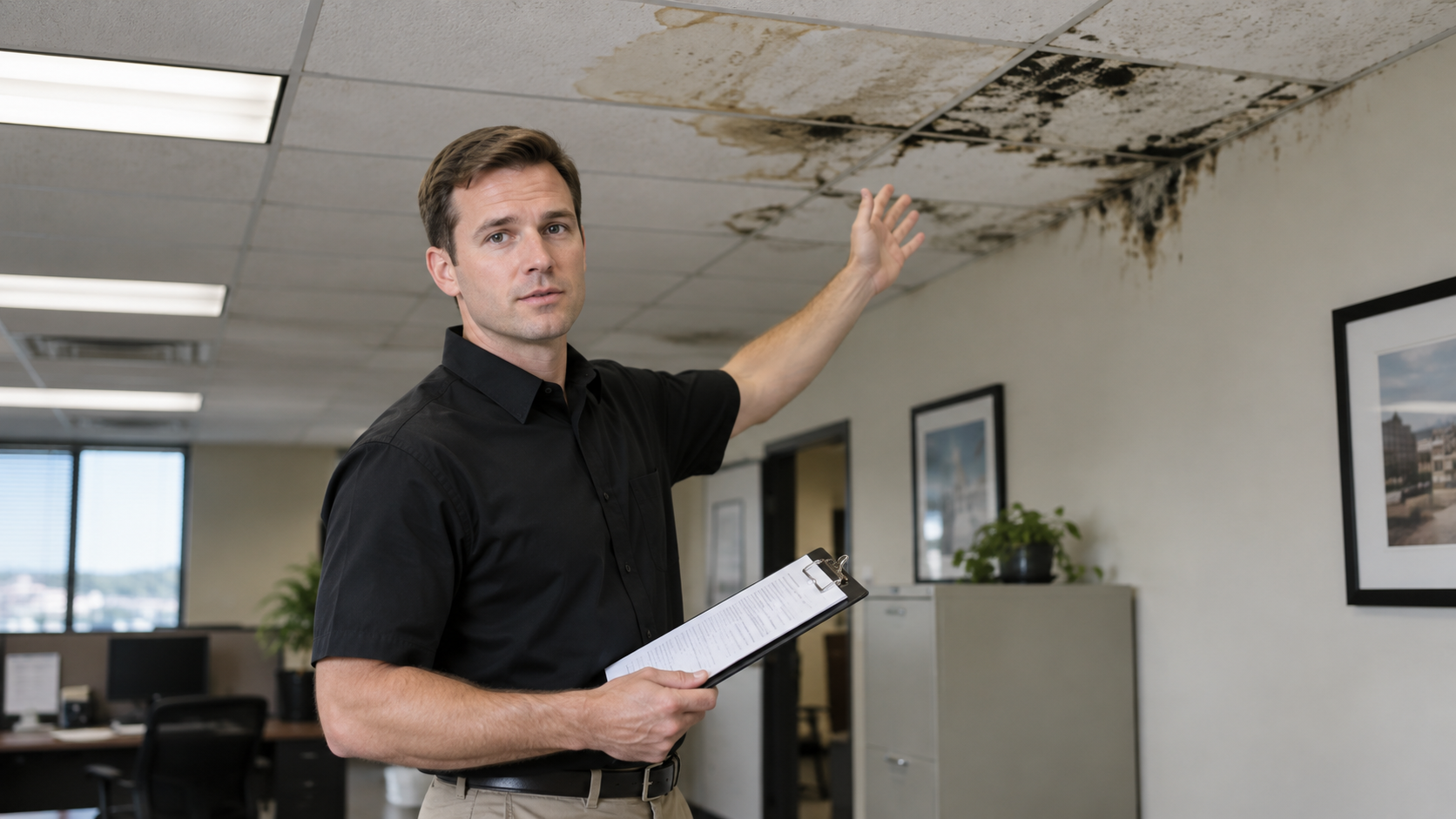
Who Is Responsible for Mold in a Commercial Lease?
When mold is discovered in a commercial building, the immediate question is rarely how to clean it up; the immediate question is usually who has to pay for it. Unlike a residential lease where landlord responsibility is heavily mandated by state law, commercial leases are treated as business-to-business contracts. This means the lines of responsibility are often dictated by the specific wording in the lease agreement rather than a universal legal standard.
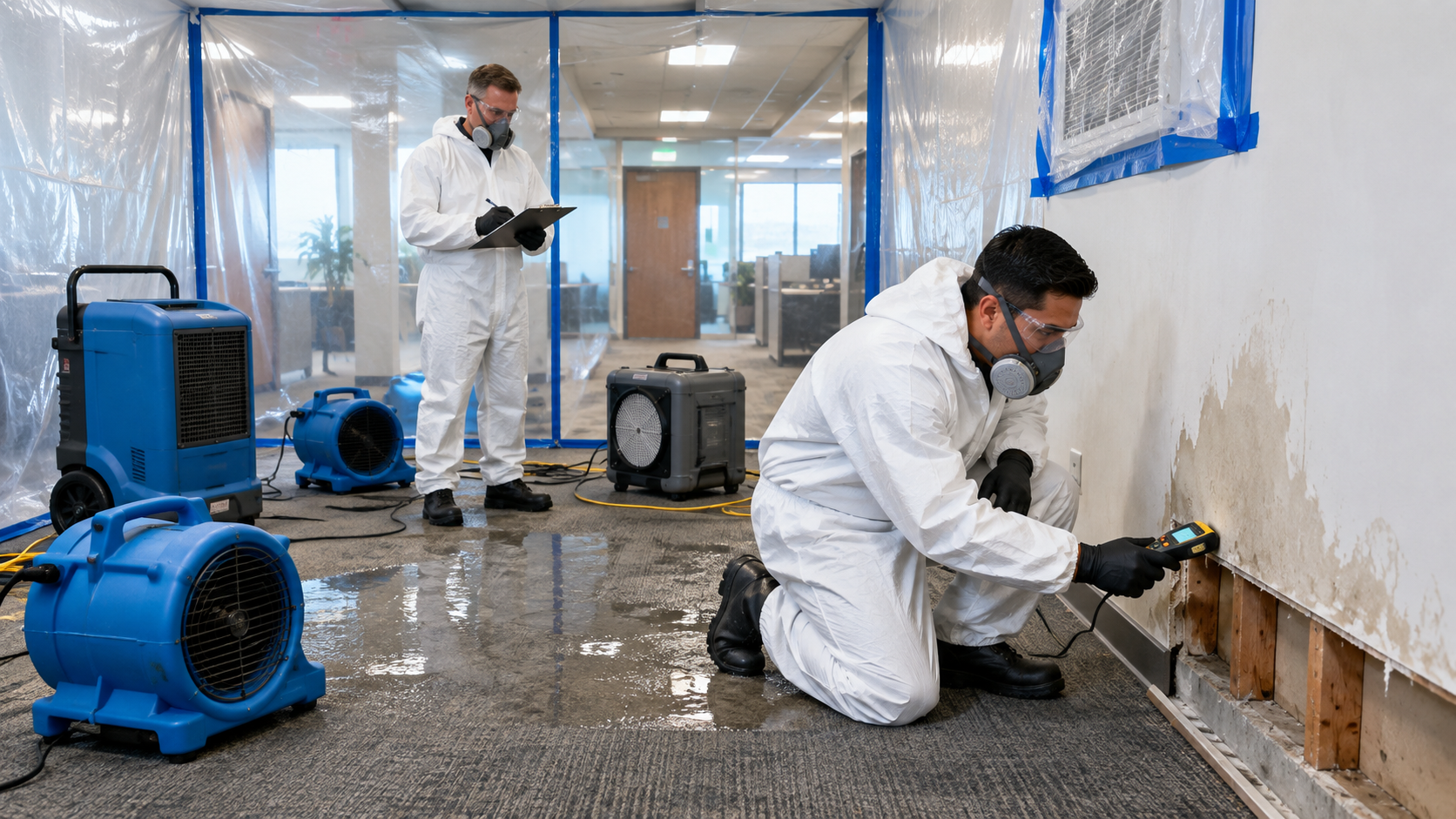
Commercial Water Damage Cleanup: How to Keep Business Disruption Under Control
When a burst pipe, severe storm, or roof failure dumps water into a commercial building, the immediate concern is always the physical damage to the property. However, for business owners, property managers, and commercial investors, the true cost of a water event is often measured in downtime. Every day an office, retail space, or apartment building sits wet is a day of lost revenue, interrupted operations, and frustrated tenants.
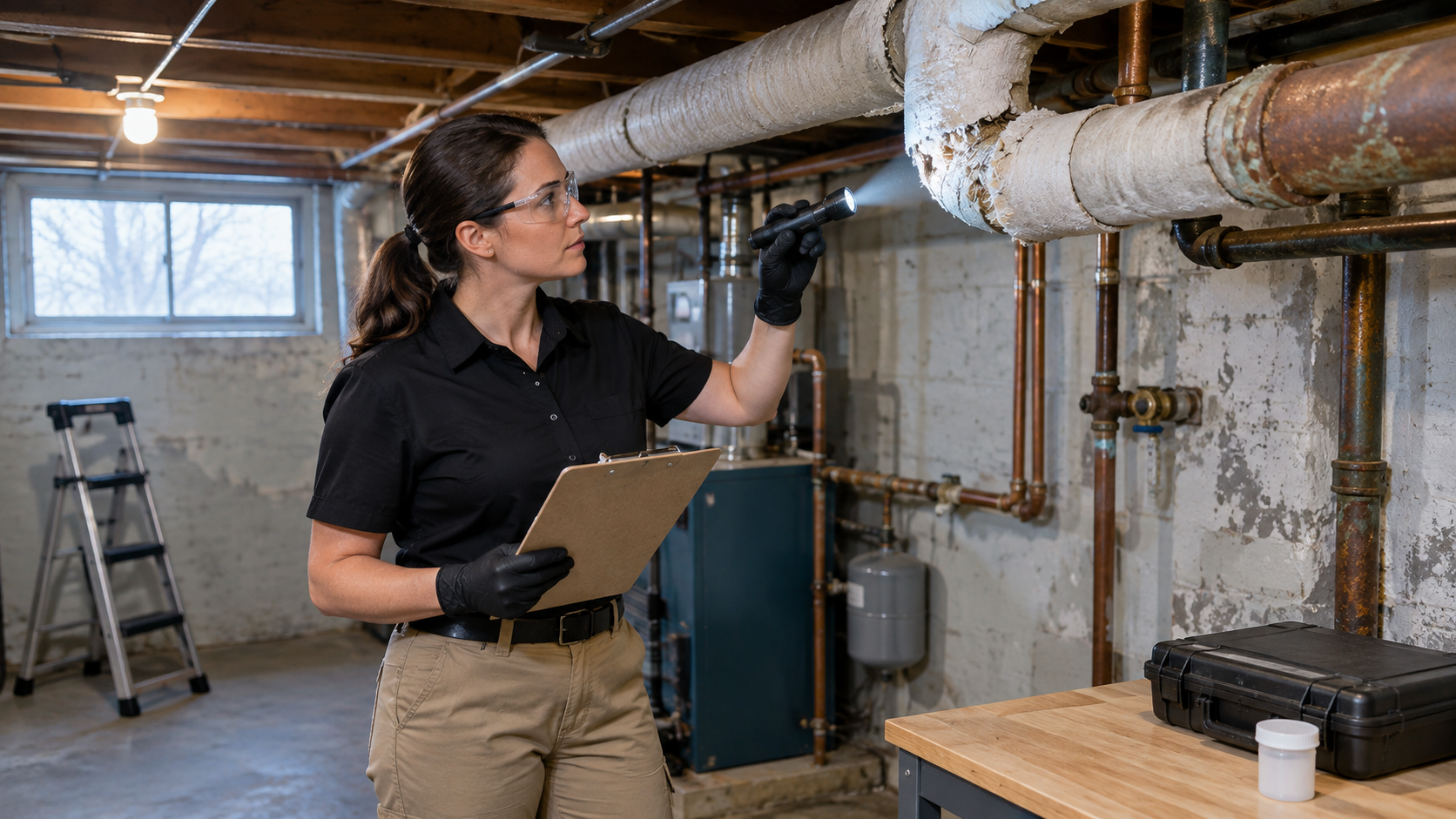
Asbestos Pipe Insulation: When It Becomes a Renovation Hazard
In many older Michigan homes and commercial buildings, the basement ceiling looks like a mechanical museum. Old boilers, hot water tanks, and a maze of steam pipes often sit untouched for decades. While the iron and copper are harmless, the thick, white, chalky wrapping surrounding those pipes is not.
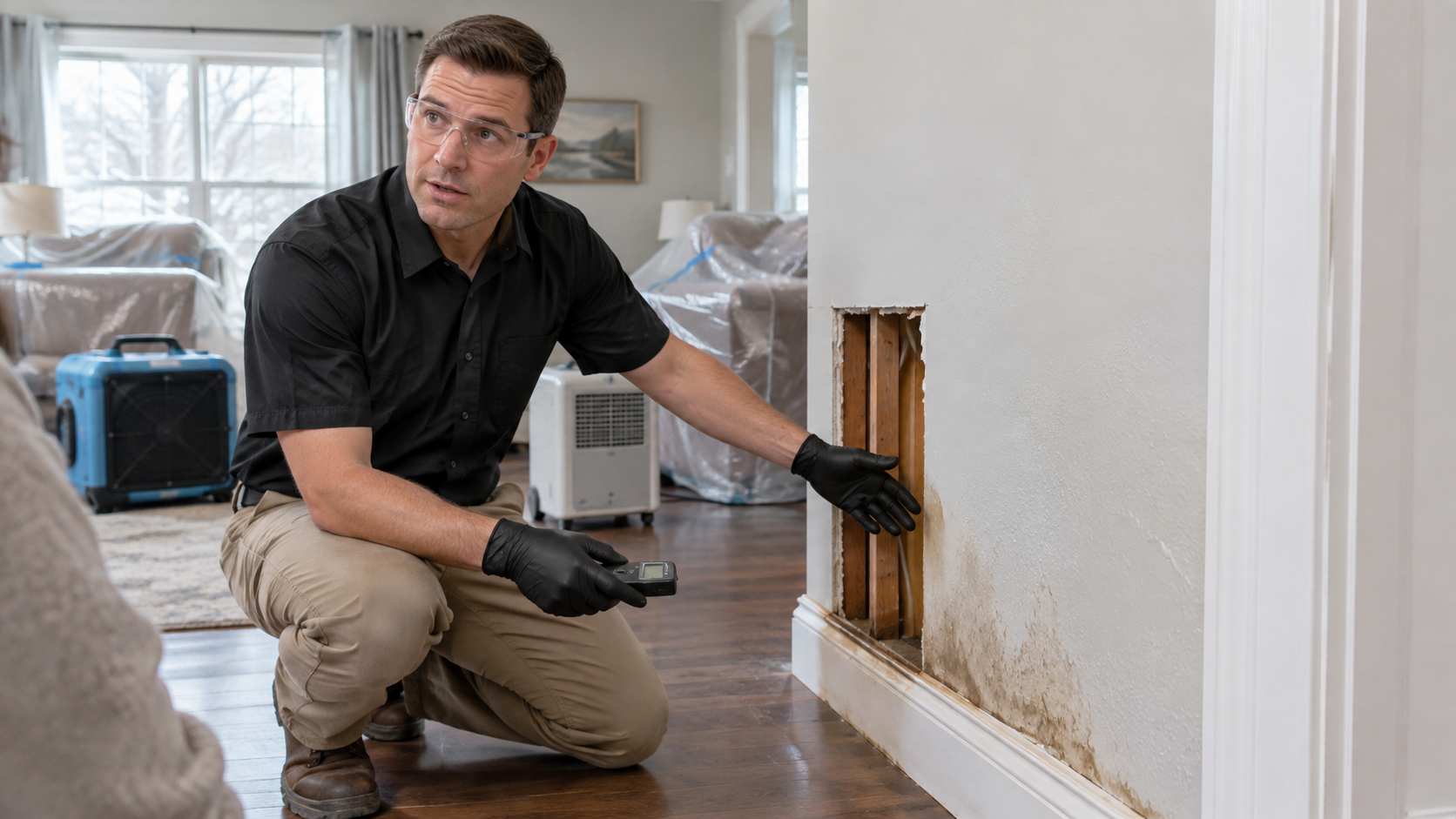
Mold Behind Drywall: Signs Your Walls May Have a Hidden Moisture Problem
When property owners think about mold, they usually picture the obvious: fuzzy black spots in a shower corner, green splotches on a basement wall, or a fuzzy piece of wood after a flood. But some of the most destructive mold problems are the ones you cannot see.
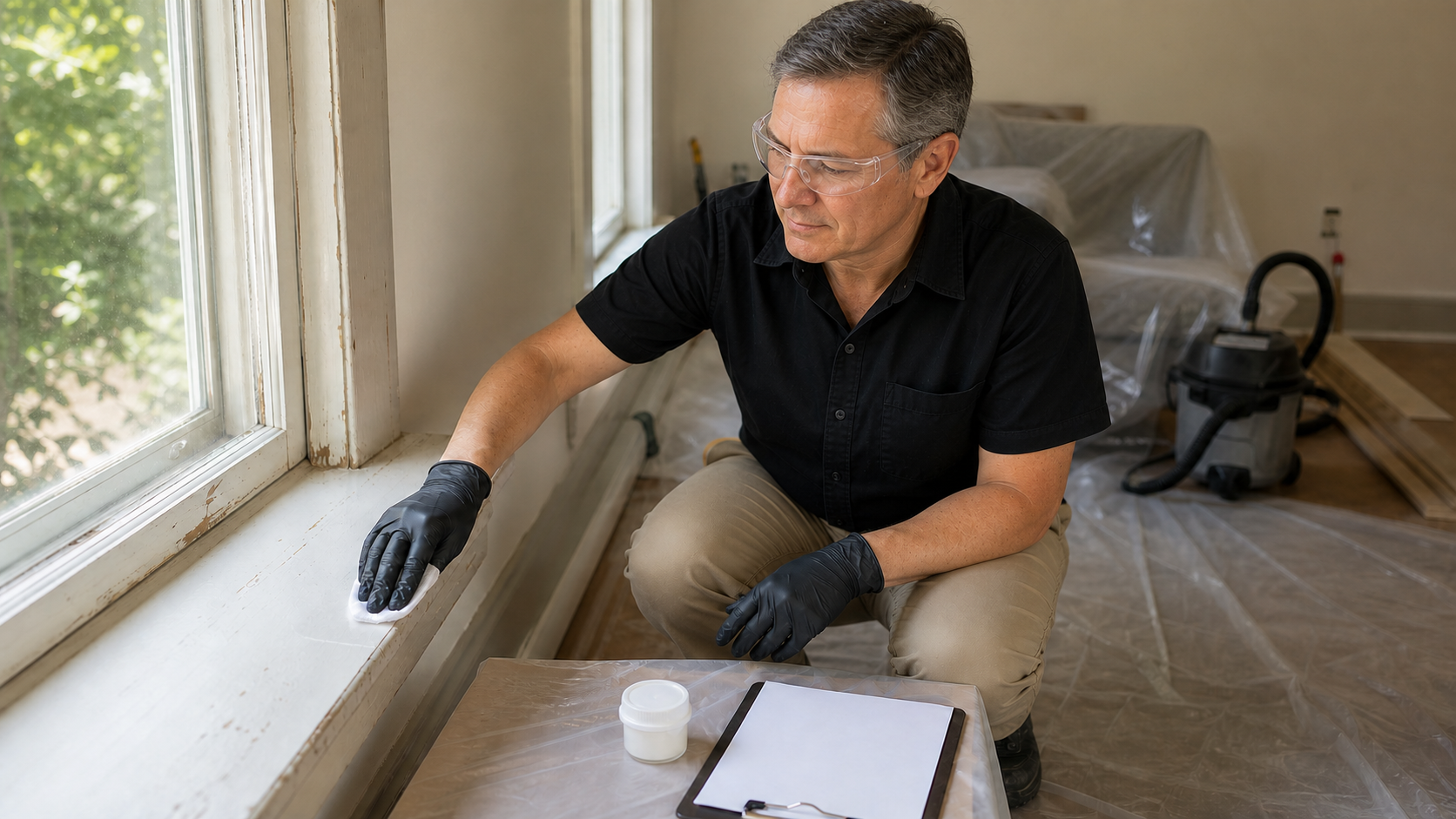
Lead Dust Testing in Michigan Homes: When Is It Needed?
When property owners think about lead poisoning, they usually picture a child peeling and eating a paint chip from a weathered windowsill. In reality, the most common source of lead exposure is not chips—it is dust.
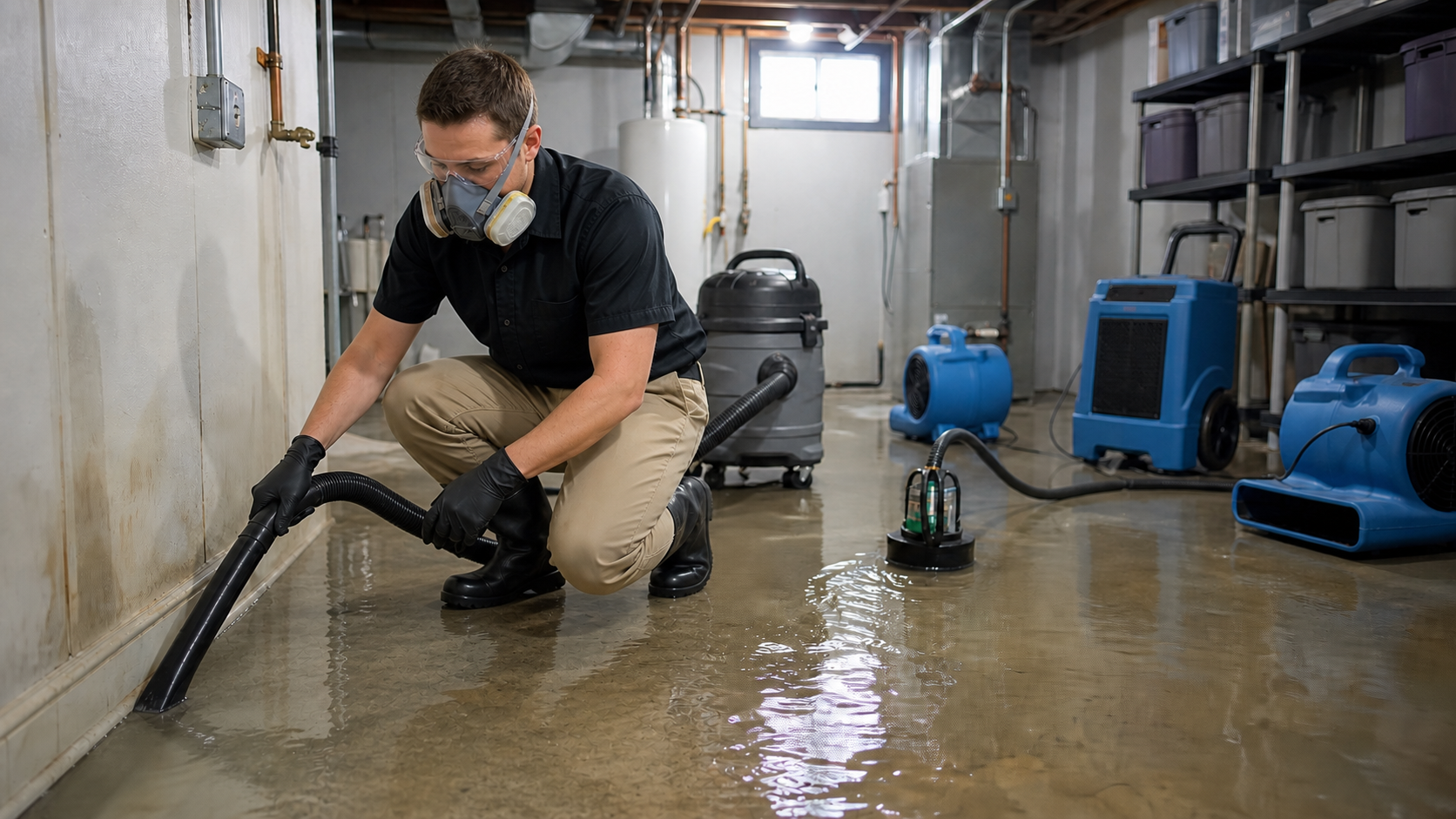
What to Do in the First 24 Hours After Basement Flooding
A flooded basement is one of the most stressful events a property owner can face. Whether the water came from a burst pipe, a failed sump pump, or severe weather, the immediate reaction is usually panic, followed by a rush to save personal belongings. However, the most expensive damage often happens after the standing water is gone.
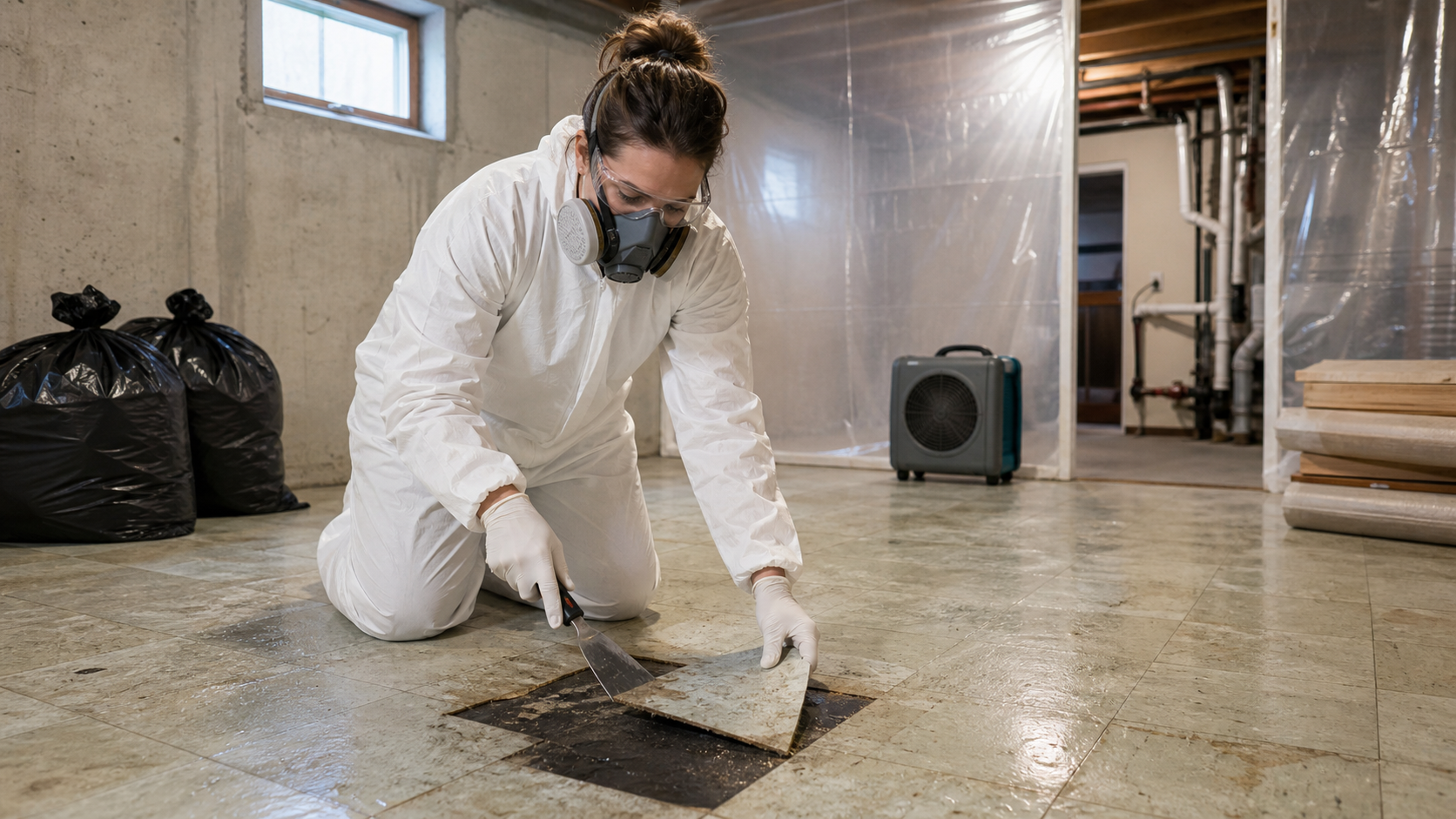
Asbestos Floor Tile Removal in Michigan: What Property Owners Need to Know
For property owners planning a renovation, an old vinyl floor is often seen as just another demolition chore. It gets pried up, scraped off, and tossed in the dumpster. But if that floor contains asbestos, treating it like standard debris is not just a hazard; it is an immediate regulatory violation.

How Environmental Remediation Companies Work With General Contractors
In commercial and residential construction, the relationship between a general contractor (GC) and an environmental remediation company is often the difference between a project that stays on schedule and one that stalls indefinitely. When a general contractor takes on a demolition, renovation, or tenant build-out in an older property, they are primarily focused on the final product. However, environmental hazards like mold, asbestos, and lead-based paint cannot simply be built over or torn out with standard demolition techniques.
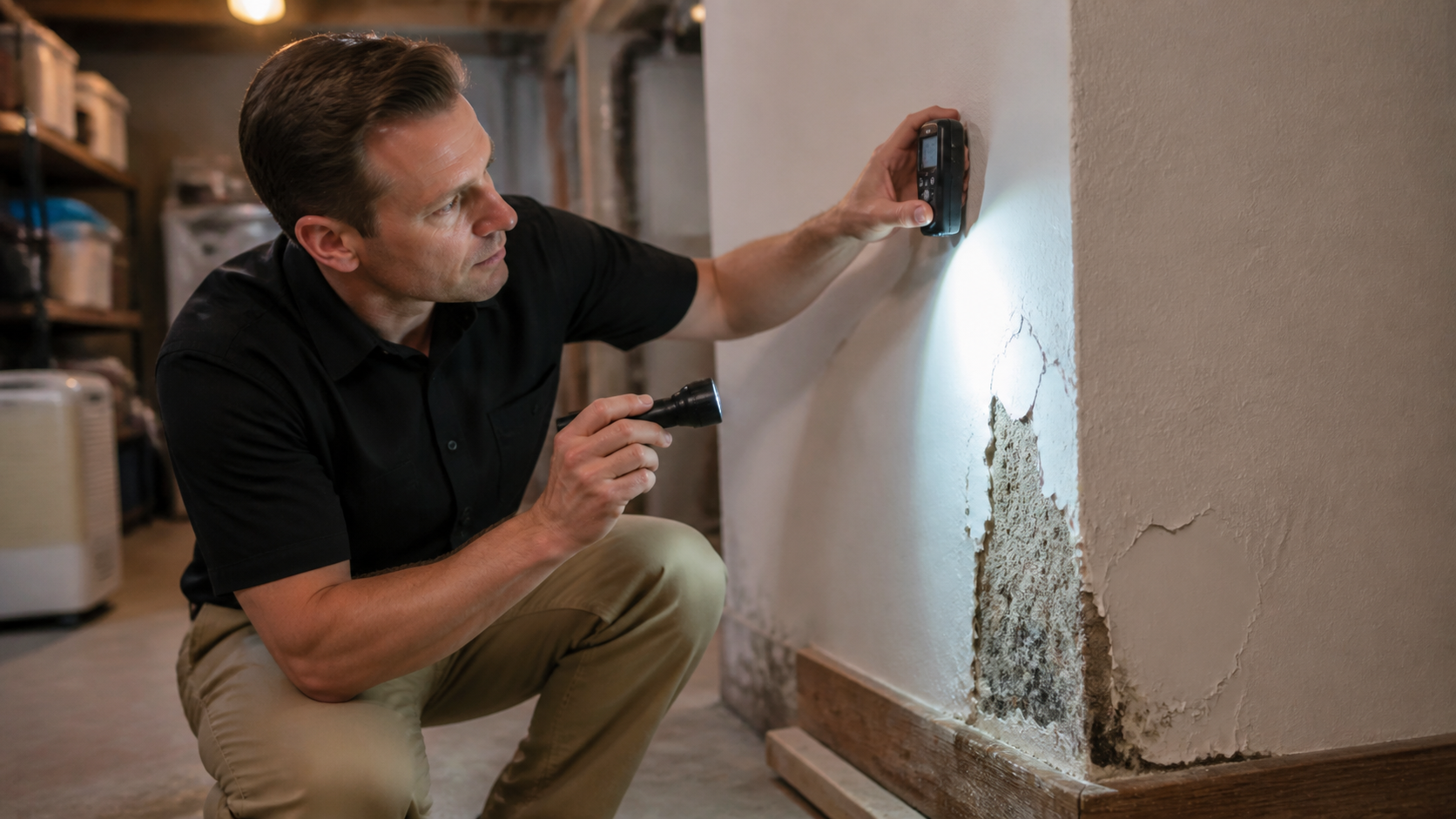
Why Mold Problems Often Return After Cheap Repairs
A lot of mold problems do not come back because mold is unusually stubborn. They come back because the original repair never actually solved the cause. A stained ceiling gets painted, a damp basement wall gets sprayed, or a musty crawl space gets deodorized, but the moisture source stays in place.
How Contractors Can Avoid Costly Delays From Environmental Hazards
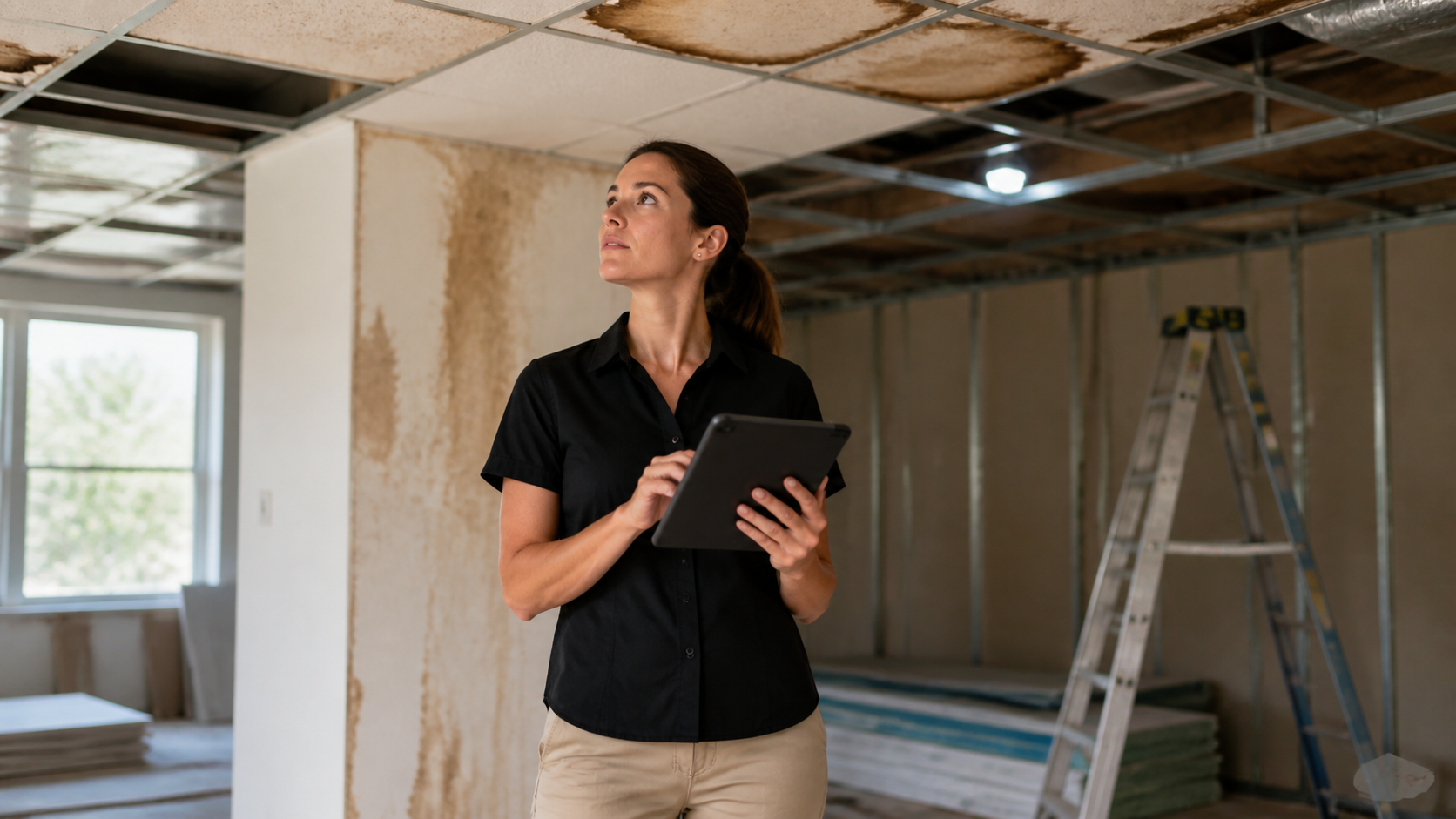
Contractors usually do not lose time because of the hazards they planned for. They lose time because of the ones they assumed were not there. A flooring demo turns into an asbestos issue, a repaint becomes a lead dust problem, or an ordinary wall opening exposes hidden mold from an old leak. Once that happens, crews stop, schedules shift, and the project starts burning time and money.
The Most Common Environmental Issues Found in Michigan Buildings
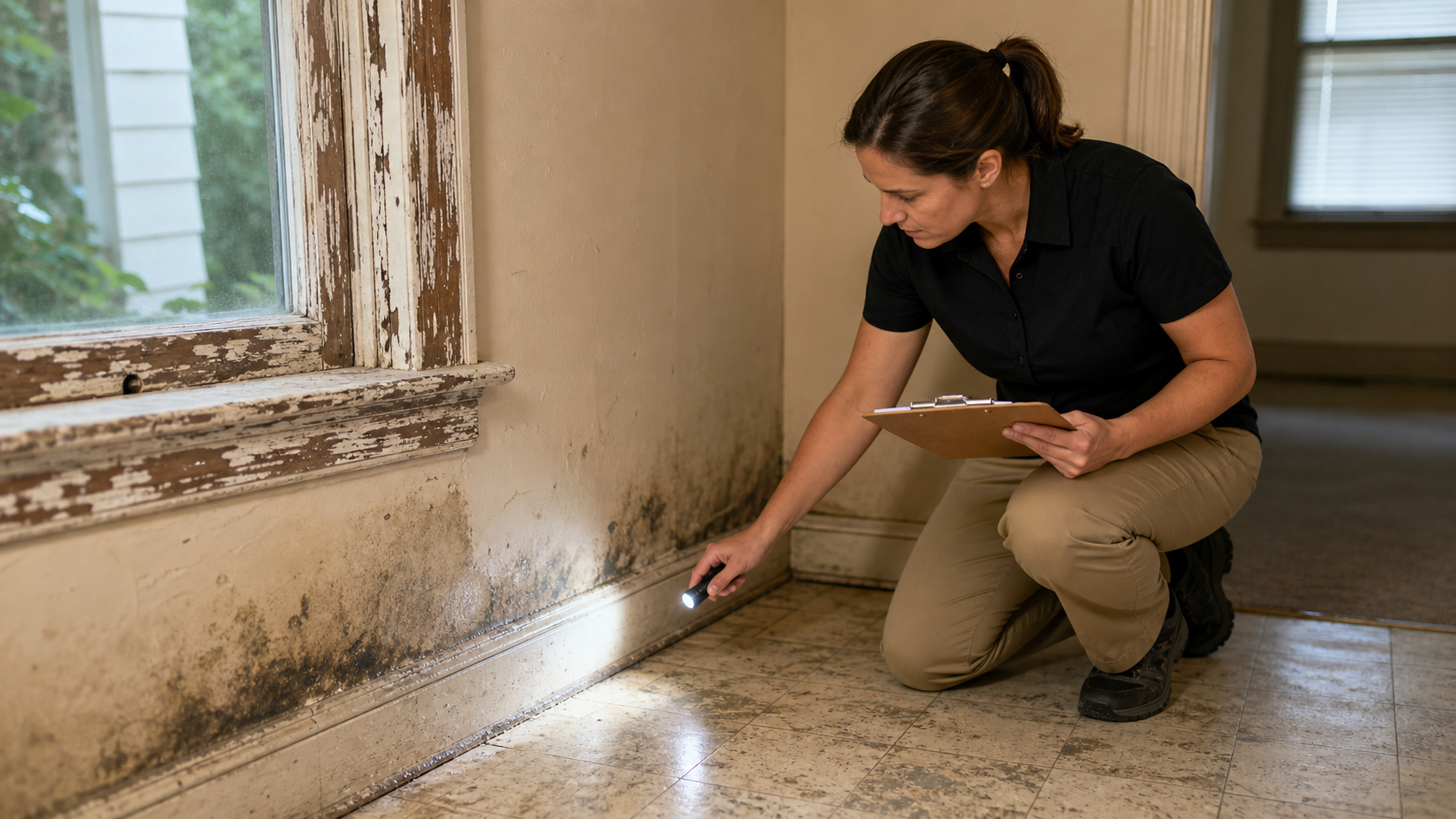
When property owners in Michigan plan a renovation, buy a new building, or deal with a sudden maintenance problem, they often focus on the systems they can see. Roofs, plumbing, and HVAC systems get the most attention. However, some of the most expensive and complex building problems are the ones that are either invisible or hidden inside the building materials themselves.
Environmental Red Flags Property Investors Should Never Ignore
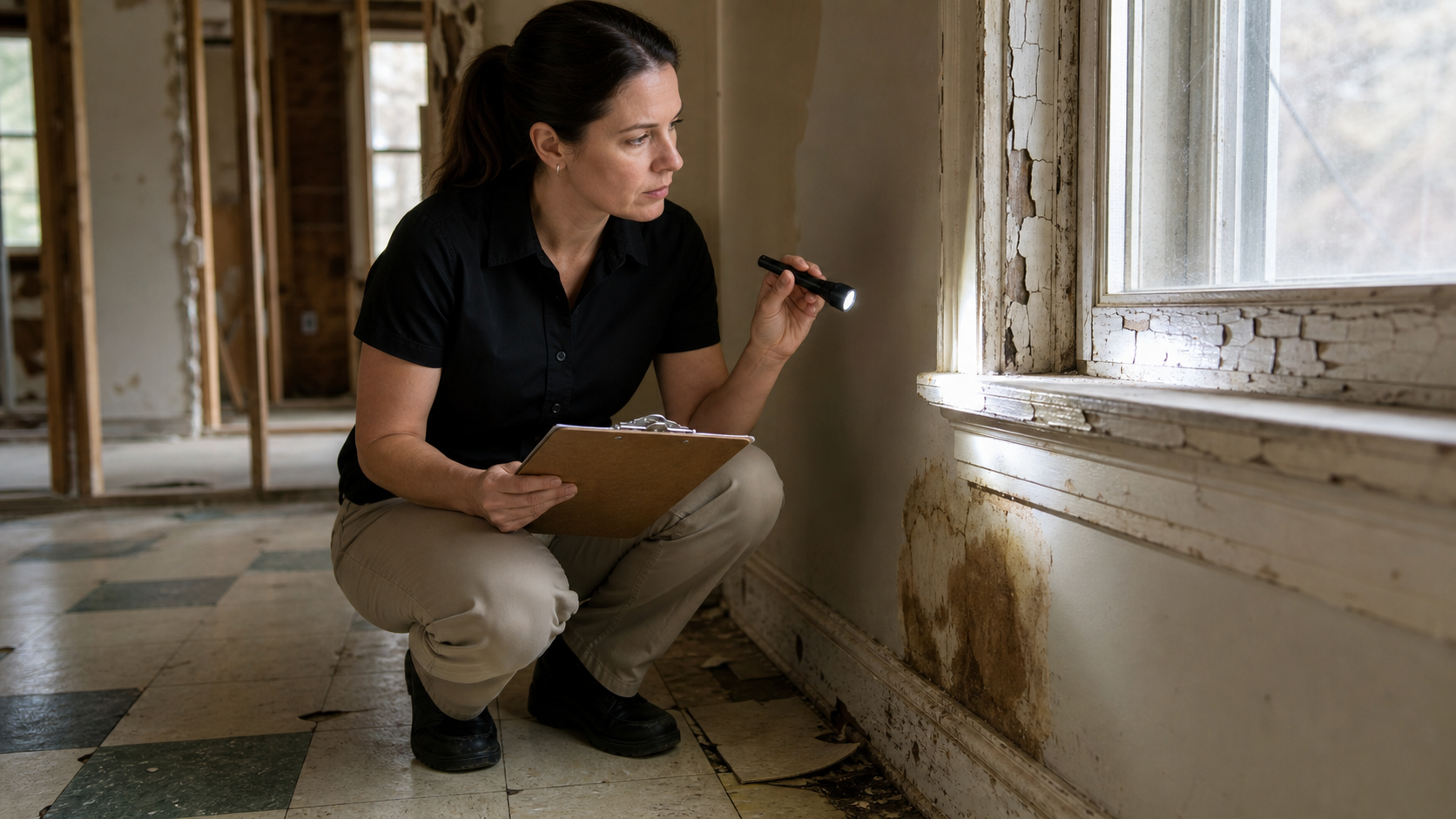
When you are walking a commercial or residential property as an investor, it is easy to focus entirely on the roof, the HVAC, the foundation, and the cosmetic upgrades needed to make the numbers work. However, the most expensive surprises often come from what is hiding in the building materials or indoor air.

Why Proper Disposal Matters in Asbestos and Lead Removal
When people think about asbestos removal or lead paint removal, they usually focus on what happens inside the work area. They picture containment, protective equipment, demolition, and cleanup. What often gets overlooked is the last part of the job: what happens to the waste after it comes out of the building.
What Happens During a Commercial Site Assessment?
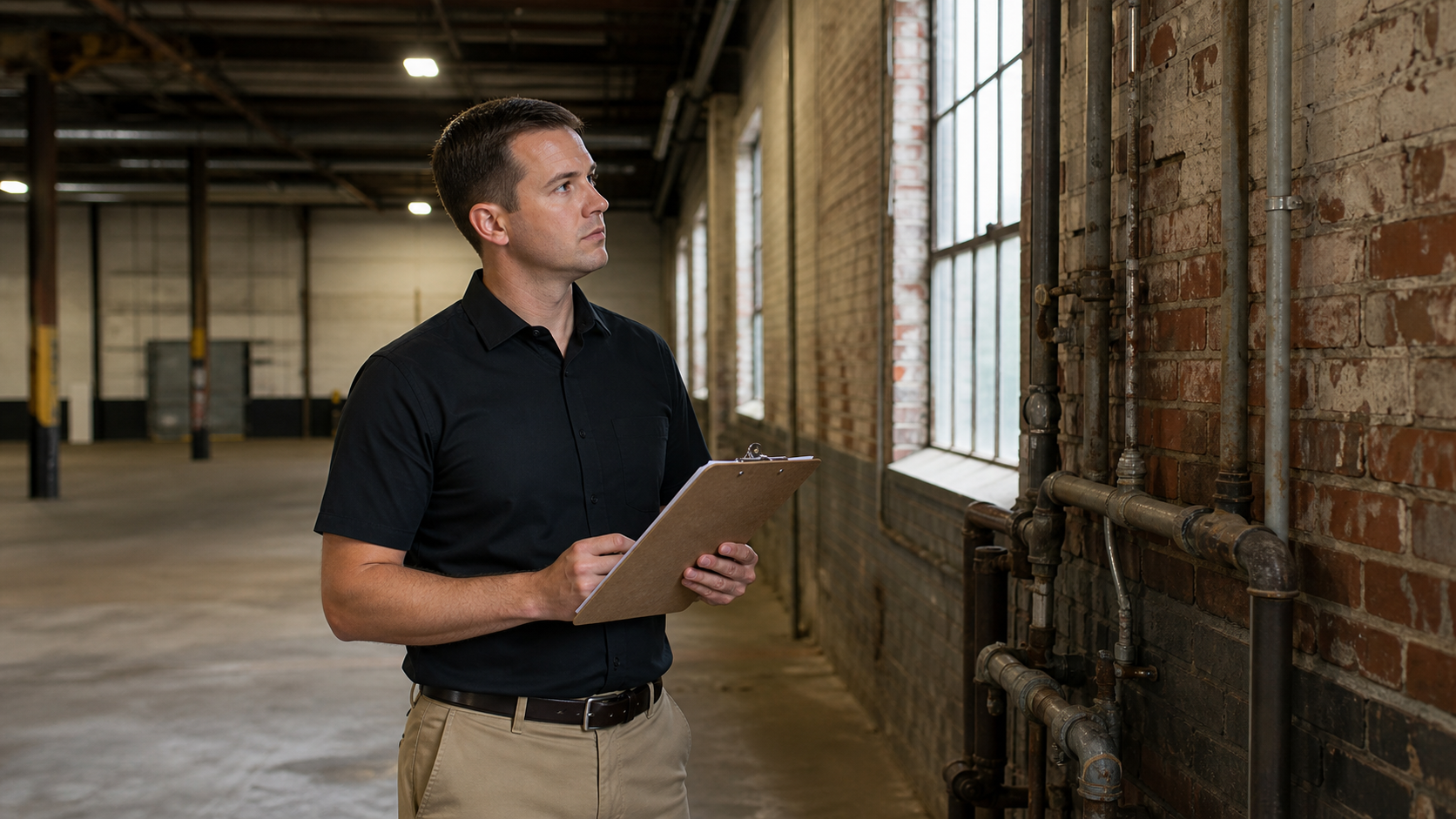
A commercial site assessment is the step that helps owners, buyers, lenders, developers, and property managers understand whether a property has environmental conditions that could affect safety, redevelopment, financing, or liability.
How to Reduce Liability During Commercial Renovation Projects
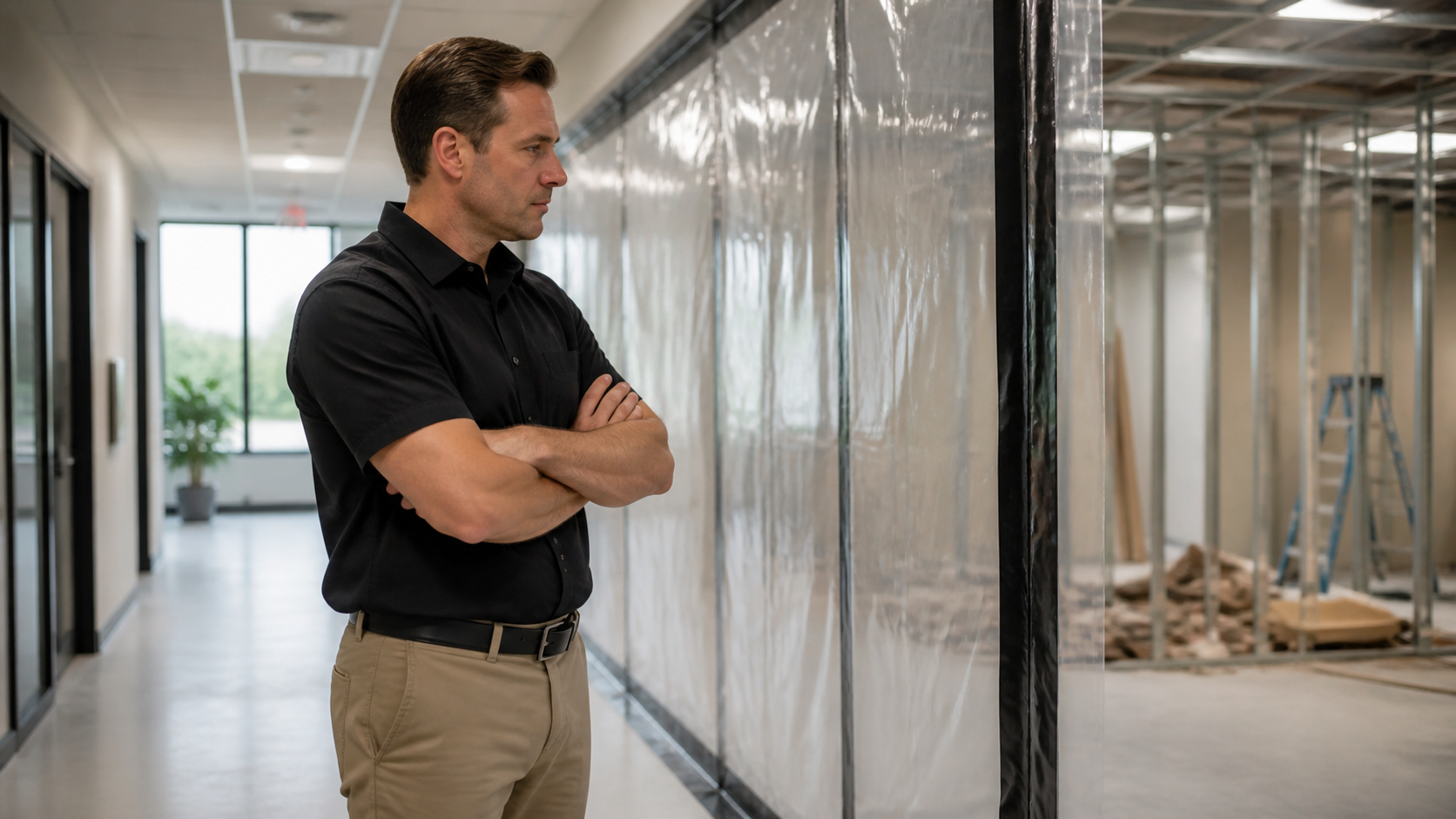
Commercial renovation projects create liability long before the first wall is opened. In occupied buildings, a renovation can affect tenants, employees, customers, neighboring suites, and contractors all at once if dust, fumes, moisture, or hidden hazardous materials are not identified and controlled early.
Why Older Apartment Buildings Are High Risk for Lead Paint and Asbestos
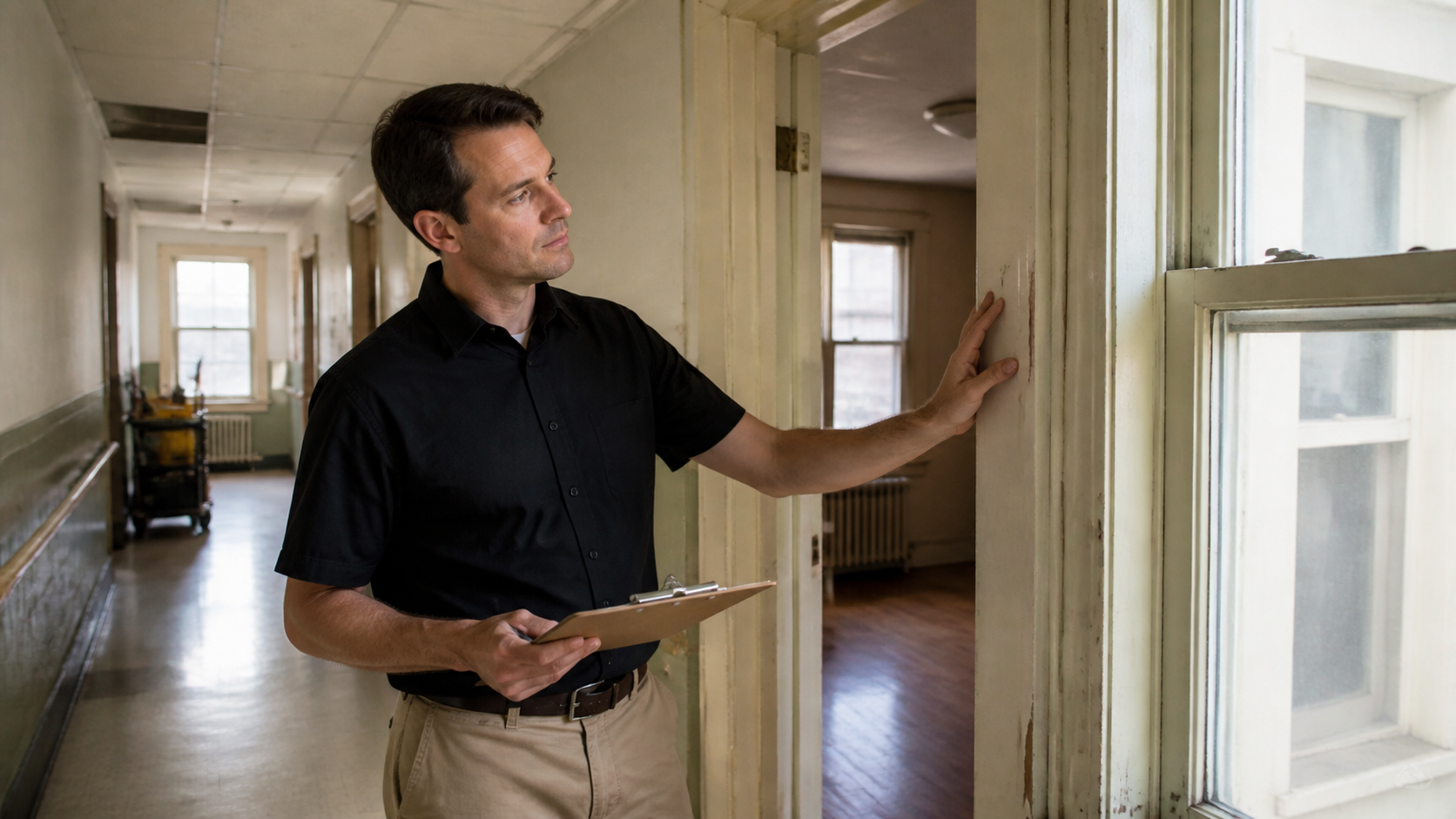
Older apartment buildings tend to carry more environmental risk than many owners, investors, and property managers expect. The reason is not just that the building has been standing for a long time. It is that older multifamily properties often combine aging painted surfaces, repeated tenant turnover, frequent maintenance work, and layered renovations that can release lead dust or disturb hidden asbestos-containing materials when the work is not scoped correctly.

What Is an Environmental Completion Report?
An environmental project is not really finished just because the crew has packed up, the containment is down, or the damaged material is gone. For property owners, contractors, property managers, and investors, the last step is often documentation that shows what work was done, what standards were used, and whether the site or work area met the project’s completion requirements. That is where an environmental completion report comes in. In practical terms, it is the paperwork that helps connect the field work to the final outcome.
How Environmental Remediation Helps Protect Employees and Tenants
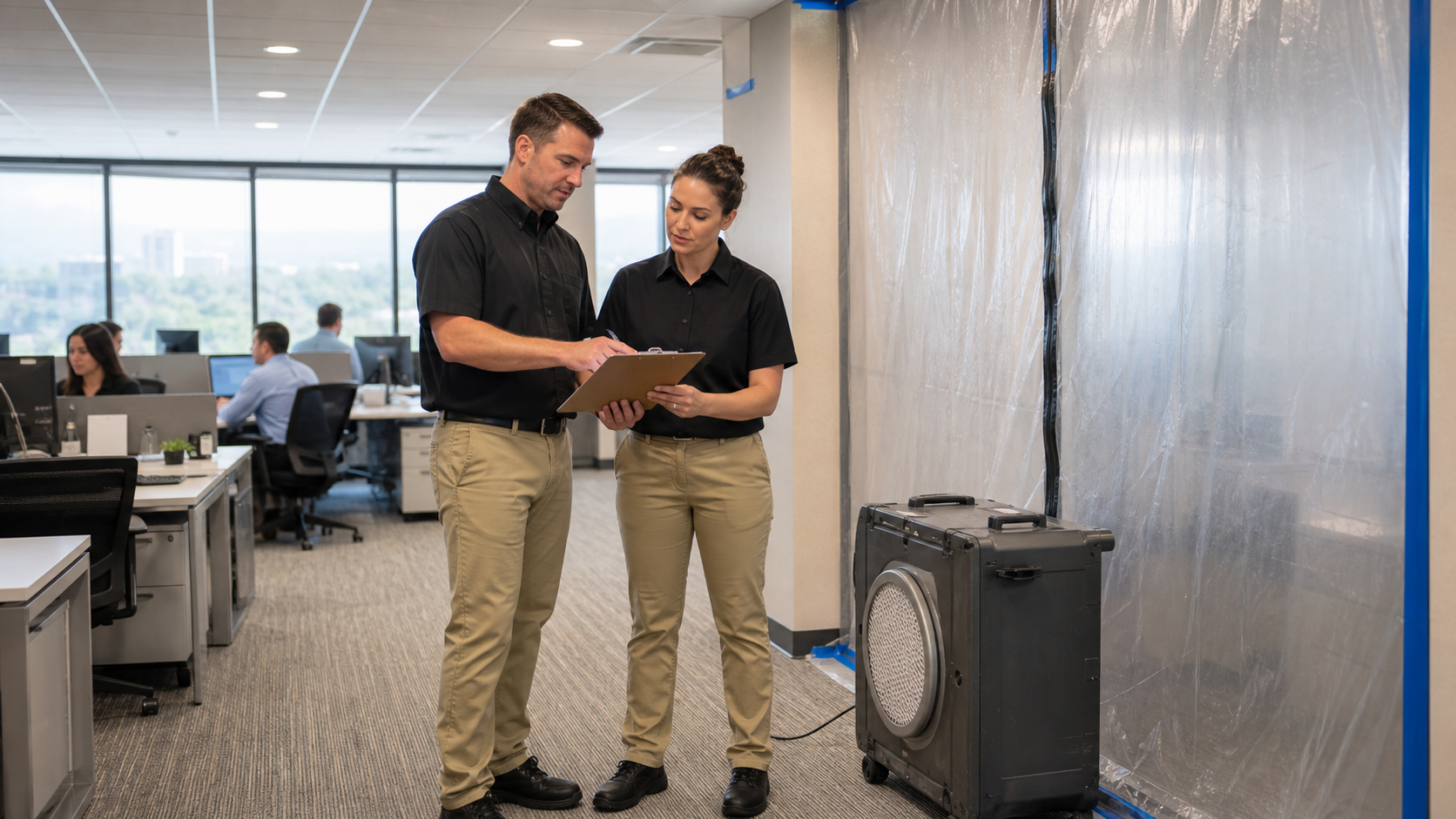
Environmental remediation is not just about fixing a building problem after it becomes visible. In occupied properties, it is about protecting the people who use the space every day. Employees, tenants, visitors, and maintenance staff can all be affected when moisture, mold, asbestos, lead dust, or other indoor air quality hazards are left unmanaged.