Renovating an Older Home? Lead Paint Safety Rules You Should Know
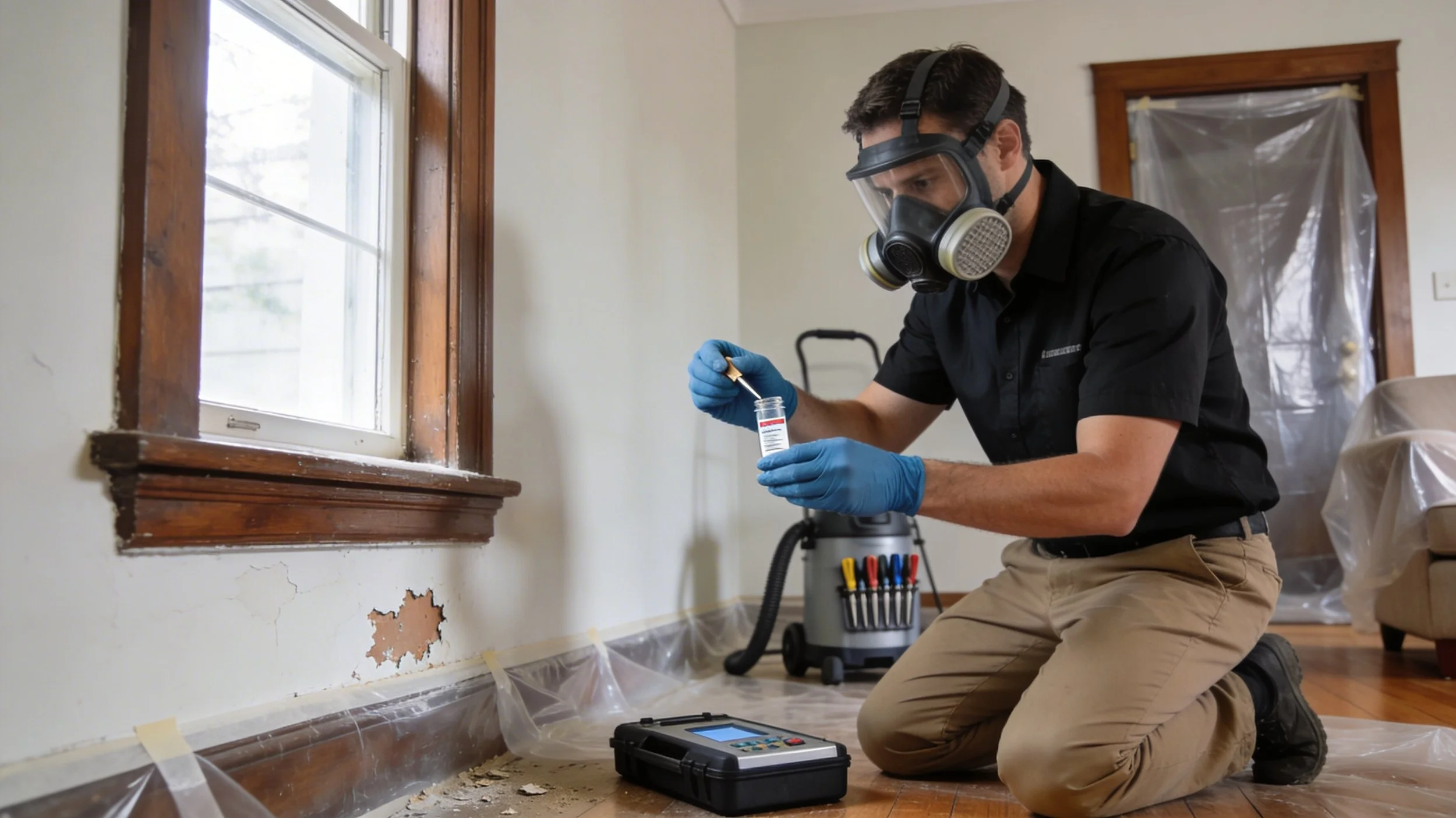
Renovating an older Michigan home is one of the best ways to add comfort, efficiency, and value, but it is also one of the easiest ways to stir up hidden lead hazards if you are not careful. Many older homes still have lead-based paint on walls, trim, windows, doors, porches, and exteriors, even if those surfaces have been repainted several times. The real risk is not just “old paint on the wall,” but the fine lead dust created when you sand, scrape, cut, or demolish those painted surfaces during remodeling. The EPA warns that renovation, repair, and painting projects can easily generate dangerous lead dust when lead-based paint is present and disturbed improperly. You can see this in their guidance for homeowners on lead-safe renovations:
https://www.epa.gov/lead/lead-safe-renovations-diyers
For homeowners, landlords, property managers, contractors, and investors across Metro Detroit, Warren, and other Michigan communities, understanding lead paint safety rules is part of basic due diligence. The CDC is clear that there is no known safe level of lead in a child’s blood, and even low exposures are associated with lower IQ, learning difficulties, and behavior problems. Their prevention program emphasizes that the most effective approach is to prevent exposure in the first place by controlling or removing lead hazards in the environment.
https://www.cdc.gov/lead-prevention/prevention/index.html
Why Lead Paint Still Matters When You Renovate
Lead Exposure and Health
Lead-based paint remains on many older interior and exterior surfaces. When it deteriorates or is disturbed, it can generate dust and chips that contaminate floors, furniture, and soil around the foundation. EPA explains that the most common sources of lead exposure in homes are deteriorated lead-based paint and the dust and soil it creates, not intact paint that is in good condition and left alone.
https://www.epa.gov/lead/how-make-your-home-lead-safe
The CDC notes that lead exposure in children can damage the brain and nervous system, slow growth and development, and cause learning and behavior problems, as well as hearing and speech issues. Adults can also be affected, with increased risks of high blood pressure, kidney issues, and reproductive problems from ongoing exposure.
https://www.cdc.gov/lead-prevention/prevention/index.html
Renovation as a Risk Multiplier
Renovation, repair, and painting activities can dramatically increase lead dust levels if done the wrong way. Common projects such as window replacement, interior repainting, kitchen and bath updates, and exterior scraping can all create high levels of lead-contaminated dust when lead-based paint is present. That dust is often too fine to see, but it can travel through the home and settle where children and adults spend much of their time.
EPA’s guidance for homeowners emphasizes that any time you disturb painted surfaces in an older home where lead-based paint may be present, you should assume there is a risk and use lead-safe work practices or hire a certified firm that does.
https://www.epa.gov/lead/lead-safe-renovations-diyers
The EPA’s RRP Rule: Lead-Safe Renovation Requirements
Who Must Comply
The Renovation, Repair and Painting (RRP) rule applies to firms and individuals who are paid to work on homes and child-occupied facilities where lead-based paint may be present and their work will disturb painted surfaces. That includes:
General contractors and remodelers
Painters, plumbers, electricians, carpenters, and window installers
Property management companies and landlords whose employees perform renovation for compensation
EPA’s consumer page explains that these firms must be certified, use trained renovators, and follow specific lead-safe work practices to reduce dust and protect occupants.
https://www.epa.gov/lead/renovation-repair-and-painting-rrp-program-consumers
If you are hiring someone to work on painted surfaces in an older home or rental, you should be asking whether they are lead-safe certified and what their containment and cleanup plan looks like.
Core Lead-Safe Work Practices
Under the RRP rule, certified firms must:
Contain the work area with plastic sheeting and barriers to keep dust and debris from spreading.
Protect vents and openings by closing and covering HVAC registers and other pathways out of the work zone.
Use safer methods such as wet scraping, careful hand tools, and power tools equipped with HEPA vacuum attachments instead of uncontrolled dry sanding.
Prohibit high-dust methods like open-flame burning, high-heat removal, machine sanding without HEPA shrouds, and uncontained power washing.
Clean thoroughly using HEPA vacuuming and wet wiping before removing plastic and allowing normal use of the space.
Provide the “Renovate Right” pamphlet to owners and occupants and keep records of compliance.
These requirements apply to renovation, repair, and painting work covered by the RRP rule and sit alongside separate rules for formal lead abatement projects.
https://www.epa.gov/lead/lead-renovation-repair-and-painting-program
Lead Paint Testing vs Simply Assuming Lead
Inspection, Risk Assessment, and Test Kits
Before you start cutting and sanding, you have a choice: assume every painted surface is lead-based, or test specific areas. EPA recognizes three main evaluation tools:
Lead-based paint inspection – Identifies which painted or finished surfaces contain lead-based paint.
Lead risk assessment – Looks at paint, dust, and soil to identify current lead hazards and recommend control options.
Lead test kits – EPA-recognized kits that trained renovators can use on specific components to determine whether those individual surfaces can be treated as non-lead for RRP compliance.
EPA’s homeowner Q&A explains that inspections tell you where lead-based paint is located, while risk assessments tell you where hazards exist now and what should be done about them.
https://www.epa.gov/lead/questions-and-answers-homeowners-and-renters-about-understanding-lead-inspections-risk
These tools are most useful when you:
Are planning major renovations and want a clear map of lead conditions.
Manage multiple units and need to prioritize lead paint removal or lead paint abatement.
Want documentation to support environmental safety in older homes for lenders, insurers, or regulators.
Why Many Owners Still Assume Lead
Even with testing available, EPA’s guidance to homeowners is that if a house is of an age where lead-based paint may be present, the safest approach is to assume painted surfaces contain lead and use lead-safe work practices unless you know otherwise.
https://www.epa.gov/lead/lead-safe-renovations-diyers
In practice, many Michigan owners and property managers use a blended approach:
Assume lead on high-risk items such as original windows, doors, trim, and porch elements.
Use inspections and risk assessments to refine renovation plans, document conditions, and prioritize work areas.
This is similar to best practice with other hazardous materials in homes: if there is reasonable doubt, test before you disturb.
Michigan Lead Paint Laws and Landlord Responsibilities
Federal Disclosure Requirements
Federal rules require sellers and landlords of housing where lead-based paint may be present to:
Disclose known lead-based paint and lead-based paint hazards before a lease or sale.
Provide an EPA-approved lead information pamphlet.
Include specific warning language and acknowledgments in lease agreements and sales contracts.
These disclosure obligations are tied to the presence of lead-based paint and known hazards, regardless of recent renovation work.
Michigan Enforcement and Liability
Michigan law adds serious consequences for failing to address known lead hazards in rental housing. A Michigan lead inspection and legal summary explains that the state’s Public Health Code makes it a criminal offense to rent a unit to a family with a minor child who has an elevated blood lead level when the landlord knows the unit contains a lead-based paint hazard and does not correct it. Penalties can include fines and possible jail time.
https://michiganleadpaintinspectors.com/current-laws-hold-landlords-responsible-lead-hazards-properties
A property management–focused overview of lead paint laws in Michigan notes that some cities, including Detroit, tie rental certifications and inspections to lead safety and require owners to correct identified lead hazards before units can be legally rented.
https://www.compass101.com/michigan-lead-paint-laws
For landlords and property managers, that means lead-safe renovation, regular monitoring of peeling lead paint danger, and timely repairs are central parts of environmental compliance for property owners.
Practical Lead-Safe Renovation Tips
Methods to Avoid
Whether you are doing the work yourself or supervising a contractor, you should avoid:
Dry sanding, scraping, or grinding old painted surfaces.
Open-flame burning or high-heat guns to remove paint.
Power sanding or grinding without HEPA shrouds.
Uncontained demolition that throws dust around the building.
Dry sweeping or using standard vacuums on renovation dust and debris.
These methods are known to create large amounts of fine lead dust very quickly and spread it into areas where children and adults are exposed.
https://www.epa.gov/lead/lead-safe-renovations-diyers
Safer Work Practices You Should Expect
Lead-safe work practices include:
Laying down and taping plastic sheeting on floors and over furniture and doorways to create a contained work zone.
Sealing HVAC supply and return registers in the work area.
Using wet methods (lightly misting surfaces) before scraping or cutting to minimize dust.
Employing tools equipped with HEPA vacuum attachments whenever sanding or grinding is necessary.
Cleaning thoroughly with HEPA vacuums and then wet-wiping surfaces before removing plastic.
EPA’s homeowner guidance on lead-safe renovations walks through these steps in detail and provides checklists for setup and cleanup.
https://www.epa.gov/lead/lead-safe-renovations-diyers
Overlapping Hazards: Lead, Asbestos, and Mold in Older Homes
Lead is only one part of the environmental picture in many older Michigan homes. Renovation work often overlaps with:
Asbestos-containing materials in flooring and mastics, some ceiling tiles and textures, drywall joint compound, and certain insulation products. Best practice is to assume that suspect building materials may contain asbestos regardless of construction date, especially for drywall, joint compound, flooring, mastics, ceiling materials, and any imported products from countries with less stringent controls. Because some imported materials can still contain asbestos, age alone is not a reliable way to rule it out. Regardless of when your property was built, the safest approach is to treat suspect materials as potentially asbestos-containing until testing proves otherwise.
Mold and moisture problems in basements, bathrooms, and areas affected by roof leaks, plumbing failures, or flooding. Disturbing mold-contaminated materials without containment can release spores, and cutting into older painted surfaces in those areas may also disturb lead-based paint.
If renovation work will disturb multiple kinds of hazardous materials in homes, it often makes sense to coordinate environmental remediation services—lead paint removal, asbestos abatement, and mold remediation—under one plan so that each hazard is addressed safely and efficiently.
When to Call Professional Help
Some small projects can be managed with careful DIY lead-safe practices, but professional support is strongly recommended when:
You are planning major interior or exterior renovation involving extensive painted surfaces.
You manage rental units or multi-family properties where children live and need documented lead inspections, risk assessments, and clearance testing.
There is extensive peeling or chipping paint in areas accessible to children.
Renovation work will overlap with suspected asbestos-containing materials or significant mold problems.
EPA’s page on lead abatement, inspection, and risk assessment explains how certified inspectors, risk assessors, and abatement firms fit into a complete lead safety strategy.
https://www.epa.gov/lead/lead-abatement-inspection-and-risk-assessment
For Michigan owners, working with environmental services providers who understand local building practices and regulations makes it easier to plan safe, compliant projects.
Renovating Older Michigan Homes Safely
Renovating an older home in Michigan should leave it safer, healthier, and more valuable—not more hazardous. Lead paint safety rules exist to protect families, tenants, workers, and your long-term investment from a hazard that is invisible in dust but very visible in health statistics and regulations. When you combine those rules with smart planning around asbestos, mold, and other hazardous materials, you can move forward with confidence.
If you are planning a renovation in an older Michigan home, managing rentals with peeling or chipping paint, or simply are not sure which lead paint safety rules apply to your project, BDS Environmental can help. The team works with homeowners, landlords, property managers, contractors, and investors to evaluate lead paint in older homes, interpret how Michigan lead requirements apply to your specific properties, and design practical lead paint abatement and repair strategies that fit your budget and schedule. If you suspect lead hazards or are preparing to work on an older property and want to move forward safely, contact BDS Environmental to discuss your plans and the best way to protect both your occupants and your investment.