How Much Does Asbestos Removal Cost in Michigan? What Property Owners Should Expect
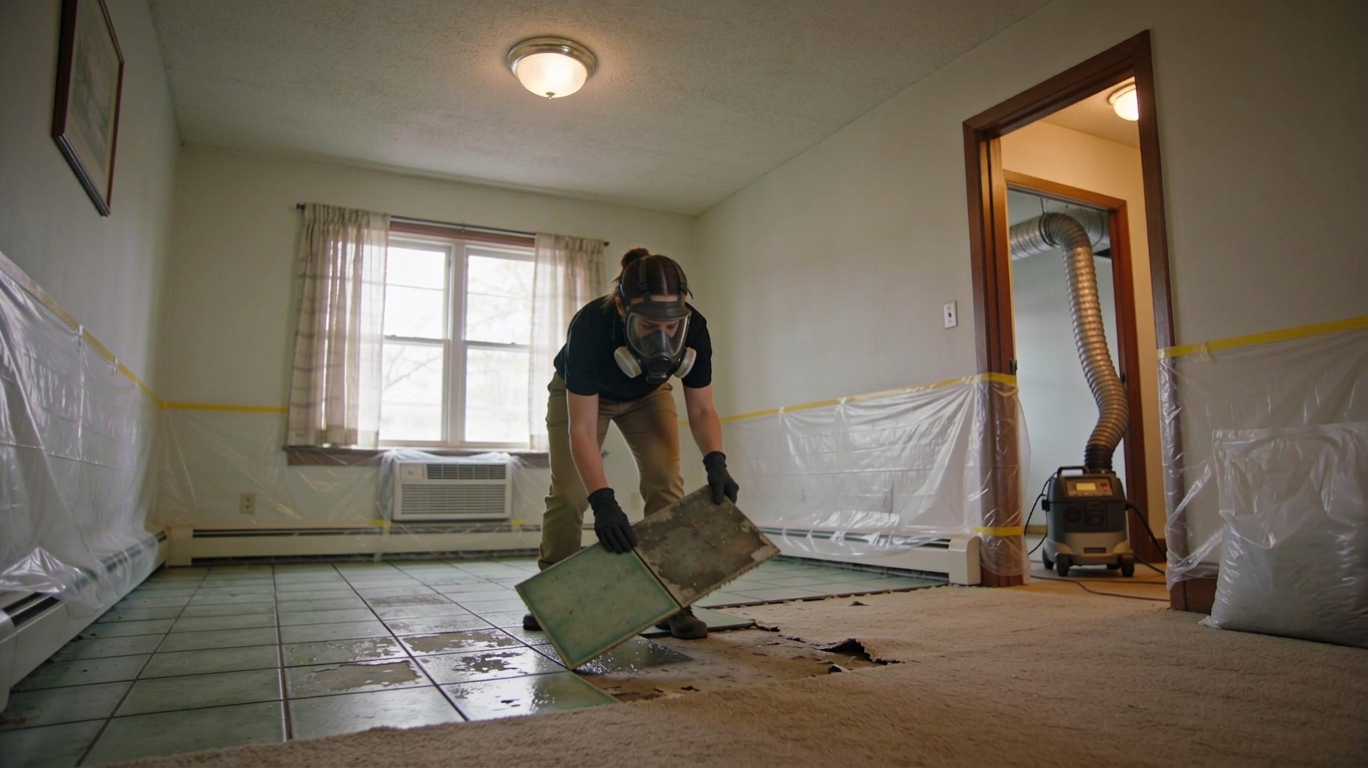
When you first hear you might have asbestos in a home or commercial building, the next question usually comes fast: what is this going to cost me? In Michigan, especially around Metro Detroit and older suburbs like Warren, many properties were built or renovated when asbestos-containing materials were standard in flooring, pipe insulation, ceiling systems, siding, and boiler rooms. The materials may have been sitting in place for years without obvious issues. The cost question shows up the moment you plan renovation, demolition, or major mechanical work that will disturb them.
From the field, there is often a big gap between online “average cost” numbers and what individual projects actually require. One homeowner may need a small, focused asbestos removal in a basement furnace room. Another may be facing floor tile abatement across several rooms, or asbestos in pipe insulation, ceiling materials, and boiler wrap all at once during a larger rehab. On paper, all of these fall under “asbestos removal Michigan,” but the scope, risk, and budget are very different.
This guide is written for Michigan homeowners, landlords, property managers, contractors, and investors who want a realistic picture of what asbestos abatement can cost and why. We will walk through the typical price ranges you see in this region, the key factors that push estimates up or down, how interior and exterior projects differ, and how to plan for inspection, notification fees, and restoration so you are not surprised mid-project. The goal is not to quote a one-size-fits-all number, but to help you recognize what a fair, professional asbestos removal proposal should look like for the type of building and work you are planning.
Asbestos removal in Michigan is typically priced by the square foot, with small residential projects often landing in the low thousands of dollars and larger or more complex jobs ranging much higher depending on scope and conditions.
Why Asbestos Removal Costs Vary So Much
If you search for asbestos removal near me, you will quickly see a wide range of numbers. That is because “asbestos removal” can mean anything from taking out a few feet of pipe insulation in a basement to abating an entire home’s worth of flooring, ceilings, and boiler wrap.
Key factors that drive cost include:
Type of material (pipe insulation vs floor tile vs siding)
Amount of material and square footage
Location and accessibility (basement, attic, mechanical room, exterior elevations)
Required containment, negative air, and clearance testing
Disposal volume and landfill fees
State and local notification or permitting requirements
Those variables are why two projects that both involve asbestos in homes can end up with very different price tags, even if they are in the same neighborhood.
Typical Cost Ranges in Michigan
Average Project Cost
Michigan-specific and national pricing data suggest that many residential asbestos removal projects fall into a broad but consistent range:
Many Michigan homeowners see asbestos abatement costs around 1,100 to 2,900 dollars, with a “typical” job near 2,000 dollars depending on material and scope.
National cost aggregators report similar averages, citing total project costs in roughly the 1,100 to 3,000 dollar range for many small to mid-size removal jobs.
https://www.angi.com/articles/how-much-does-asbestos-removal-cost.htm
These averages line up with what we see for focused residential projects rather than large commercial or full-gut work.
Cost per Square Foot
Most sources and contractors use square-foot pricing as a starting point:
Angi’s 2026 guide suggests interior asbestos abatement (walls, ceilings, flooring, insulation) commonly runs in the 5 to 20 dollars per square foot range, depending on complexity and location.
The same and similar guides note that exterior siding or roofing abatement can be substantially higher, often 50 to 120 dollars per square foot, due to access, staging, and additional safety measures.
A small indoor project (for example, 50 to 100 square feet of affected material) might land roughly between 1,000 and 2,000 dollars based on these ranges, while larger interiors scale up quickly.
Example Scenarios
Using those broad per-square-foot ranges, you get planning-level scenarios like:
100 square feet of interior asbestos (for example, a small room’s worth of vinyl tile)
Approximate range: 500 to 2,000 dollars
200 square feet of interior asbestos (multiple rooms or areas)
Approximate range: 1,000 to 4,000 dollars
300 square feet of interior asbestos
Approximate range: 1,500 to 6,000 dollars
Asbestos siding removal on a whole house, around 1,500 to 2,000 square feet of siding
2025 estimates for asbestos siding removal put many projects in the mid-teens to roughly 20,000 dollars, depending on height, access, and disposal volume. https://www.theasbestosinstitute.com/2024/01/asbestos-siding-removal-costs-2025
These ranges are not quotes, but they help set realistic expectations before you schedule an asbestos inspection and ask for detailed bids.
Michigan-Specific Cost Considerations
State Notification and Regulatory Context
In Michigan, asbestos demolition requirements and renovation rules are enforced under federal NESHAP regulations and state implementation. Projects that disturb certain amounts of regulated asbestos-containing material must file notifications and may incur state fees.
A Detroit-focused cost article points out that Michigan charges a notification fee equal to one percent of the asbestos removal cost when projects exceed certain size thresholds (for example, more than 10 linear feet or 15 square feet for some categories of work), which can show up in proposals as a separate line item.
https://www.angi.com/articles/how-much-does-asbestos-removal-cost/mi/detroit
For small residential jobs, that fee is relatively modest. For larger commercial or multi-unit projects, it becomes more noticeable and should be considered part of environmental compliance property owners must budget for.
Labor, Training, and Compliance Costs
Skilled asbestos abatement is more expensive than general demolition because the contractor is paying for:
Specialized training and state licensing
Medical surveillance and fit-testing for workers
Protective equipment and respirators
Containment materials and negative air machines
HEPA filtration and decontamination equipment
Proper packaging, transport, and disposal at approved facilities
One contractor cost breakdown notes that labor rates for asbestos abatement are higher in part because contractors must cover the fixed costs of training, regulatory compliance, and specialized equipment in addition to time on site.
https://www.ghp1.com/blog/how-much-does-asbestos-abatement-cost
For owners, this is a reminder that you are paying for a regulated hazardous material removal process, not just “demo work.”
Encapsulation vs Removal
Not every asbestos-containing material has to be removed. In some situations, encapsulation—sealing the material in place with an approved product—can be an option.
Cost guides often note:
Encapsulation may range around 2 to 6 dollars per square foot, significantly less than full removal.
Removal is more commonly in the 5 to 20 dollars per square foot range for interior materials, higher for exterior work where access and staging are more complex.
Encapsulation may be appropriate when:
The material is intact and not likely to be disturbed
The area is accessible for future monitoring
Renovation plans do not require demolition in that area
It is usually not appropriate when:
Materials are friable or already damaged
Planned renovation or demolition will disturb the asbestos
The project triggers requirements for full abatement (for example, building change-of-use or full demolition)
A proper asbestos inspection and consulting discussion should help you decide where encapsulation makes sense and where removal is the safer long-term choice.
What Drives the Cost Up or Down
Type and Condition of Material
Costs tend to increase when materials are:
Friable, like some pipe insulation, sprayed fireproofing, or loose-fill materials
Located in tight or obstructed spaces (crawlspaces, congested mechanical rooms)
Integrated with other systems (wrapped around ducts, behind multiple layers of finishes)
Non-friable materials like vinyl floor tile in open areas are often at the lower end of the cost range, provided access is straightforward and overall square footage is modest.
Project Size and Setup Complexity
Every abatement project has a baseline setup cost:
Designing and building containment
Installing negative air machines and HEPA filtration
Mobilizing equipment and crews
On very small jobs, this setup cost can be a large share of the total. As the project area grows, setup cost is spread out, but total labor, disposal, and restoration costs increase. This is one reason some owners choose to combine multiple small asbestos removal needs into a single, planned project rather than tackling each in isolation.
Interior vs Exterior Work
Interior removal typically:
Uses full containment and negative air systems
Requires protection of finishes and contents
May involve staging work so parts of the building can remain occupied
Exterior siding or roofing removal often:
Requires scaffolding, lifts, or additional fall protection
Involves careful debris handling at height
Must protect landscaping, neighboring properties, and public areas
As a result, exterior siding and roofing abatement frequently sit at the higher end of the per-square-foot cost ranges.
Hidden Costs to Plan For
Beyond the abatement contractor’s invoice, it is important to plan for:
Asbestos inspection and lab testing costs ahead of the job
Permit and notification fees (state and sometimes local)
Potential temporary relocation of occupants or operations
Replacement of finishes after removal (flooring, drywall, ceiling systems, insulation)
Any required environmental testing for property managers or clearance sampling, depending on building type and scope
Some national cost guides also note that asbestos waste disposal can add meaningful expense, often charged by volume or weight, and that failing to budget for restoration can underestimate the real “all-in” cost of an asbestos project.
Why “Cheapest” Can Be Expensive Later
Because asbestos removal is a regulated process, a bid that looks unusually low should prompt careful questions:
Is proper containment and negative air included?
Are disposal at an approved facility and landfill fees included?
Are state notification fees and basic clearance or visual inspection covered?
Does the contractor hold current licensing and insurance for asbestos abatement?
Cutting corners can lead to:
Contamination left behind in other parts of the building
Improper disposal and potential regulatory issues
Lack of documentation that becomes a problem during sale, financing, or tenant negotiations
A reputable asbestos abatement provider will be able to explain their scope clearly, provide references or reviews, and document their licensing and insurance status.
How Michigan Property Owners Should Approach Cost
For homeowners, landlords, and investors in Michigan, a practical approach to asbestos before renovation or demolition looks like this:
1. Start With Inspection
Schedule asbestos inspection and asbestos testing to confirm whether suspect materials contain asbestos and where they are located. This is particularly important in pre‑1980 structures with original vinyl tile, pipe insulation, textured ceilings, or cement siding.
2. Define the Project Scope
Once you know where asbestos is present, decide:
What must be removed for your renovation or use change
Where encapsulation might be acceptable
Whether it makes sense to phase work or combine areas into a single project
3. Get Detailed, Written Estimates
When contacting contractors for asbestos removal near me or asbestos removal Warren MI, ask for:
Square-foot or linear-foot pricing by material type
Assumptions about containment, negative air, and clearance
Whether disposal, notification fees, and any basic air or clearance checks are included
Comparing like-for-like proposals is essential; two bids with different scope and assumptions are not truly comparable.
4. Coordinate With Other Environmental Needs
If your project also involves mold removal after water damage, lead paint abatement in older homes, or broader environmental remediation services, consider planning work so environmental services Michigan providers can coordinate tasks efficiently. That can reduce duplication of containment setups and minimize downtime for occupants.
5. Plan for Replacement and Restoration
Remember that asbestos abatement removes materials; it does not replace them. Build new finishes, insulation, and related repairs into your budget and schedule from the outset.
When to Contact a Professional in Michigan
If your Michigan property was built before about 1980 and you are planning to disturb older building materials—flooring, ceilings, pipe insulation, siding, roofing, or boiler systems—it is smart to assume asbestos may be present until testing says otherwise. For small, clearly defined areas, costs may be in the low thousands of dollars. For whole-home or complex commercial projects, costs can move higher quickly, and careful planning becomes even more important.
BDS Environmental helps Michigan homeowners, property managers, contractors, and investors understand what asbestos removal will realistically cost for their specific buildings and projects. If you are considering renovation, have been told you may have asbestos in homes you own, or want clarity on asbestos removal Michigan pricing before you commit to a project, contact BDS Environmental to schedule an evaluation and get a project-specific plan and estimate.