
Lead Paint in Older Homes: What Michigan Homeowners Should Know
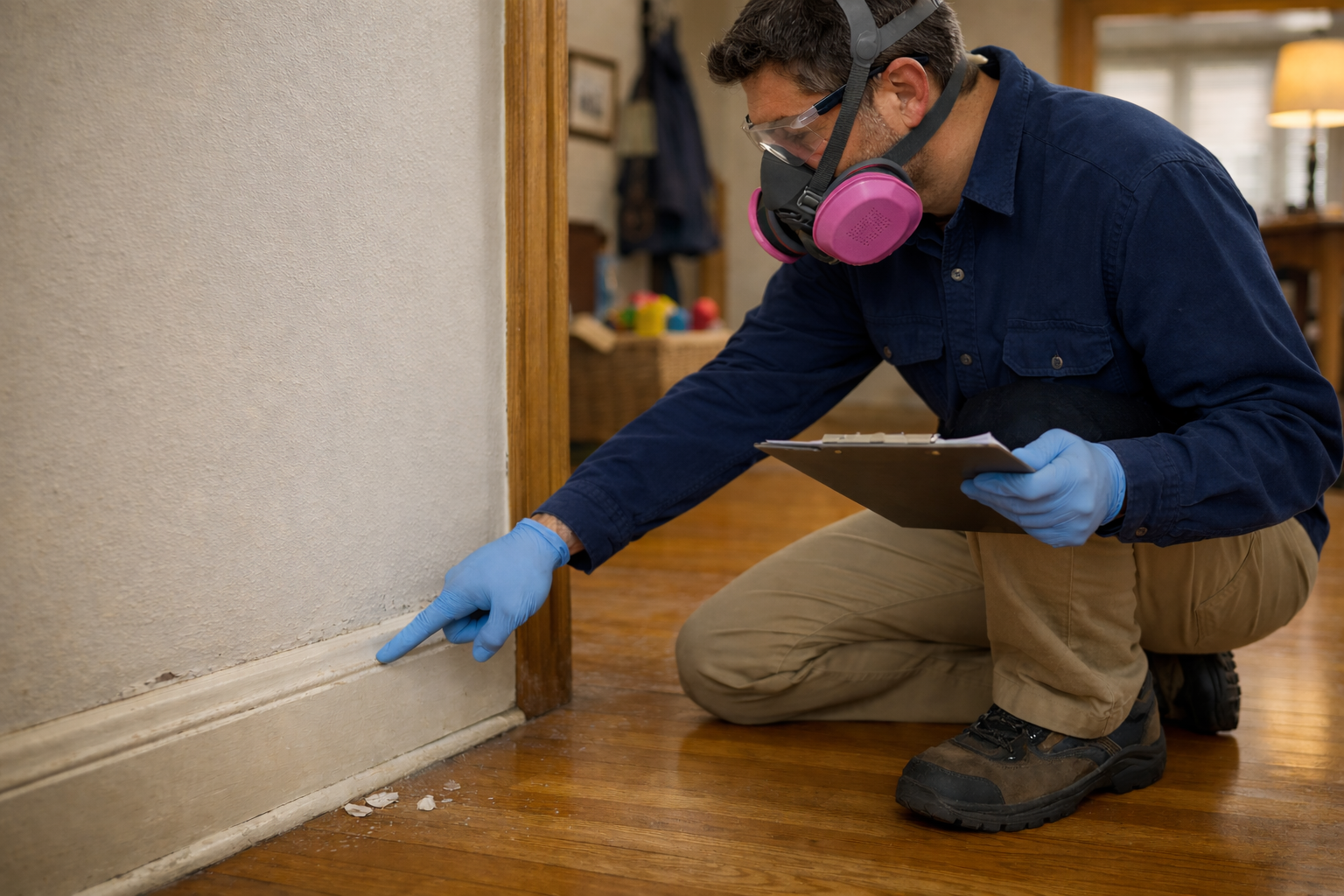
Michigan has a lot of older housing. That is part of the charm, and part of the risk. If your home was built before 1978, there is a real possibility it contains lead-based paint. Lead paint in older homes becomes a concern when it deteriorates, is disturbed during renovation, or creates lead-contaminated dust that spreads through everyday living spaces.
Lead exposure is especially dangerous for children. The CDC notes that lead exposure can harm a child’s brain and nervous system, slow growth and development, and contribute to learning and behavior problems. (CDC: https://www.cdc.gov/lead-prevention/symptoms-complications/index.html)
This guide breaks down what Michigan homeowners, property managers, contractors, and investors should know about lead paint, how exposure happens, what the laws require, and how to handle it safely.
Why Lead Paint Is Still a Michigan Issue
The federal government banned consumer uses of lead-based paint in residential housing in 1978, but older paint does not disappear. It stays on walls, trim, windows, doors, porches, and siding until it is removed, sealed, or replaced.
Two major sources of lead exposure include deteriorating lead paint in homes built before 1978 and lead in drinking water delivered through lead service lines and older plumbing components. (MDHHS MiTracking housing metadata: https://www.michigan.gov/mdhhs/-/media/Project/Websites/mdhhs/Safety-and-Injury-Prevention/Environmental-Health/MiTracking/Documents/Age-of-Housing-Metadata-FINAL-11923.pdf)
For many families, the risk is not the presence of lead paint alone. The risk is the dust and chips created when paint ages, peels, or gets disturbed.
Where Lead Paint Is Commonly Found
In Michigan homes built before 1978, lead-based paint is most often found in high-wear or weather-exposed areas, including:
Window sashes, window wells, and trim (opening and closing creates dust)
Doors and door frames
Stair rails and balusters
Baseboards and interior trim
Kitchen and bathroom trim (humidity accelerates paint failure)
Exterior siding, soffits, and porch railings
Garages and outbuildings on older properties
Windows are a big one. Window friction surfaces can generate fine lead dust even when paint does not look “severely” damaged. That dust settles on sills, floors, and nearby surfaces.
Peeling Lead Paint Danger and How Exposure Happens
The most common way people are exposed is not by eating paint chips directly, although that can happen with young children. The bigger risk is lead-contaminated dust.
Lead exposure can happen when:
Old paint deteriorates and becomes chalky or flaky
Repairs involve sanding, scraping, cutting, or demolition
Windows and doors rub painted surfaces and create dust
Exterior lead paint contaminates soil near the foundation
Renovation debris is tracked through the home
The Michigan Department of Health and Human Services specifically warns that lead exposure can occur during renovations of homes built before 1978 because remodeling can create lead-contaminated dust. (MDHHS adult lead exposure: https://www.michigan.gov/mdhhs/safety-injury-prev/environmental-health/topics/mitracking/adultlead)
Lead Paint Exposure Symptoms
Lead affects people differently, and symptoms may not be obvious right away. That is one reason lead hazards are taken so seriously.
The CDC notes that lead exposure can seriously harm a child’s health and can cause brain and nervous system damage, slowed growth, learning and behavior problems, and hearing and speech issues. (CDC: https://www.cdc.gov/lead-prevention/symptoms-complications/index.html)
Adults can also be affected. Workplace and renovation exposure can contribute to symptoms such as headache, fatigue, irritability, and memory issues, especially with higher exposures. (NIOSH: https://www.cdc.gov/niosh/lead/signs-symptoms/index.html)
If you suspect exposure, medical guidance should come from a healthcare professional, but from a property standpoint, the right move is to identify and control the hazard source.
How to Tell If You Have Lead Paint
A common question is how to tell if you have lead paint. The honest answer is that you cannot confirm lead paint by looking at it.
Older paint may appear:
Thick and layered
Chipped with “alligatoring” cracks
Chalky on exterior surfaces
But appearance is not proof. Confirming lead requires testing.
Options typically include:
Laboratory analysis of paint chips collected properly
XRF testing (a handheld analyzer used by trained inspectors)
Dust wipe sampling in areas of concern, especially around windows and floors
If you are a homeowner planning renovations, lead paint testing can save time and prevent a project from turning into a contamination event.
For property managers, environmental testing for property managers often includes lead risk evaluation in addition to mold inspection or other indoor air quality hazards, depending on the building history and occupant profile.
Lead Paint Laws Michigan Property Owners Should Know
Federal disclosure requirements for pre-1978 housing
If you sell or rent most housing built before 1978, federal rules require disclosure of known lead-based paint and lead-based paint hazards before a buyer signs a contract or a renter signs a lease. This includes providing an EPA-approved pamphlet and any available records or reports. (EPA disclosure rule: https://www.epa.gov/lead/real-estate-disclosures-about-potential-lead-hazards)
This matters for:
Home sellers
Landlords
Property managers
Real estate agents
Renovation requirements: the EPA RRP rule
If renovation, repair, or painting work disturbs lead-based paint in pre-1978 homes or child-occupied facilities, the EPA Renovation, Repair and Painting (RRP) program requires firms to be certified and to use lead-safe work practices. (EPA RRP program: https://www.epa.gov/lead/lead-renovation-repair-and-painting-program)
The RRP rule also requires contractors to provide the Renovate Right pamphlet to homeowners or occupants before work begins. (EPA Renovate Right: https://www.epa.gov/lead/renovate-right)
For contractors, this is not a paperwork detail. It changes how a job should be set up, contained, cleaned, and documented.
Michigan lead abatement certification
Lead abatement is different from typical renovation. In Michigan, lead abatement work requires certified professionals. The state’s MiLeadSafe program explains that to perform lead abatement work in Michigan, professionals must hold Lead Abatement Firm certification, and firms must employ certified supervisors and workers. (MiLeadSafe workforce: https://www.michigan.gov/mileadsafe/professionals/workforce)
For homeowners, this is an important checkpoint. If someone is offering “lead paint removal” as a quick add-on service without certification and lead-safe procedures, that is a red flag.
Michigan law considerations for rentals
Michigan has additional legal requirements tied to lead hazards in rental housing, particularly when young children are involved. The Michigan Legislature’s indexing for Section 333.5475a addresses rental units containing lead-based hazards and related penalties and definitions. (Michigan Legislature index: https://www.legislature.mi.gov/Laws/Index?ObjectName=mcl-chap333)
For landlords, the practical takeaway is simple: if you manage pre-1978 rentals, you need a proactive plan for identifying and controlling lead hazards, especially if children live in the unit.
Lead Paint Removal vs Lead Paint Abatement
People often use lead paint removal and lead paint abatement as interchangeable terms, but in professional practice they are not the same.
Lead paint removal typically refers to physically removing paint, which can create large amounts of lead dust if not done with strict controls.
Lead paint abatement refers to approved methods that permanently eliminate lead hazards. Abatement activities can include:
Component replacement (for example, replacing old windows)
Encapsulation (coating lead paint with an approved sealant system)
Enclosure (covering a surface so lead paint is not exposed)
Controlled removal with proper containment and cleanup
Michigan’s lead abatement framework focuses on eliminating hazards in paint, dust, and soil, often using replacement and other long-term solutions. (MiLeadSafe workforce: https://www.michigan.gov/mileadsafe/professionals/workforce)
What Homeowners Should Do Before Renovation
Renovation is one of the most common times lead hazards get created. If you are planning to remodel a pre-1978 home, take these steps first.
Before you start
Assume lead paint may be present until testing proves otherwise
Avoid dry sanding or aggressive scraping of painted surfaces
Plan for containment and cleanup, not just demolition
Use an EPA-certified firm when RRP applies (especially if kids live in the home)
Consider lead testing in high-impact areas like windows, doors, and trim
The EPA’s RRP program is specifically designed to minimize dust and debris, prevent it from leaving the work area, and require cleaning to protect occupants. (EPA RRP work practices: https://www.epa.gov/lead/renovation-repair-and-painting-program-work-practices)
Simple do and do not list
Do:
Keep paint intact when possible
Wet methods and HEPA filtration for dust control when work is needed
Seal work areas from living spaces
Clean thoroughly using lead-safe methods
Do not:
Dry sand painted surfaces in older homes
Use open-flame burning
Use high-heat guns without proper controls
Sweep dust with a dry broom or use a standard vacuum
If you are unsure whether a renovation triggers lead-safe requirements, it is worth consulting a lead professional or an environmental services Michigan provider who understands compliance.
Lead Paint and Other Hazards in Older Michigan Homes
Lead is often not the only issue in older building stock. In many Michigan homes, especially those built mid-century, renovations can overlap with:
Asbestos in older flooring, insulation, or textured materials
Moisture issues that drive mold growth
General indoor air quality hazards in basements and older mechanical spaces
If your project includes demolition of older flooring, drywall, or insulation, asbestos inspection and asbestos testing may also be appropriate before renovation work begins.
Similarly, if water damage has occurred, moisture and lead dust can combine into messy cleanup challenges. For example, damp paint may peel more easily, increasing peeling lead paint danger, and dust can stick to wet surfaces and spread.
A well-planned approach often includes environmental remediation services that evaluate multiple risks so your project does not create a second problem while fixing the first.
Guidance for Property Managers, Landlords, and Investors
If you manage or invest in older properties, lead hazards are not just a homeowner issue. They are a business and compliance issue.
Practical steps for managing risk include:
Build lead screening into turnover inspections for pre-1978 units
Prioritize window and trim upgrades where dust generation is common
Use certified firms when lead abatement is needed
Document disclosures and renovation compliance steps
Consider targeted environmental testing for property managers in higher-risk units
If you are operating in Southeast Michigan, including older housing areas, having a plan for lead paint removal Michigan projects is part of responsible asset management. For local searches, people often look for lead paint removal near me or lead paint abatement Warren MI services when preparing rentals or renovations.
Bottom Line
Lead paint in older homes is a manageable risk when it is understood and handled properly. The biggest problems happen when lead paint is disturbed without planning, containment, and lead-safe work practices.
If your home or building was built before 1978, treat lead as a real possibility. Focus on testing, safe renovation practices, and long-term hazard control rather than quick fixes.
Contact BDS Environmental
If you suspect lead paint in older homes, are planning renovations in a pre-1978 property, or are managing rentals where children may be present, it is worth getting a clear plan before work begins.
BDS Environmental helps Michigan homeowners, property managers, contractors, and investors understand lead risk, navigate lead paint laws and compliance expectations, and determine when lead paint abatement or related environmental remediation services are appropriate. If you are concerned about peeling paint, renovation dust, or need professional guidance on next steps, contact BDS Environmental to schedule an evaluation and protect your property the right way.
