Lead Paint Hazards for Children and Families
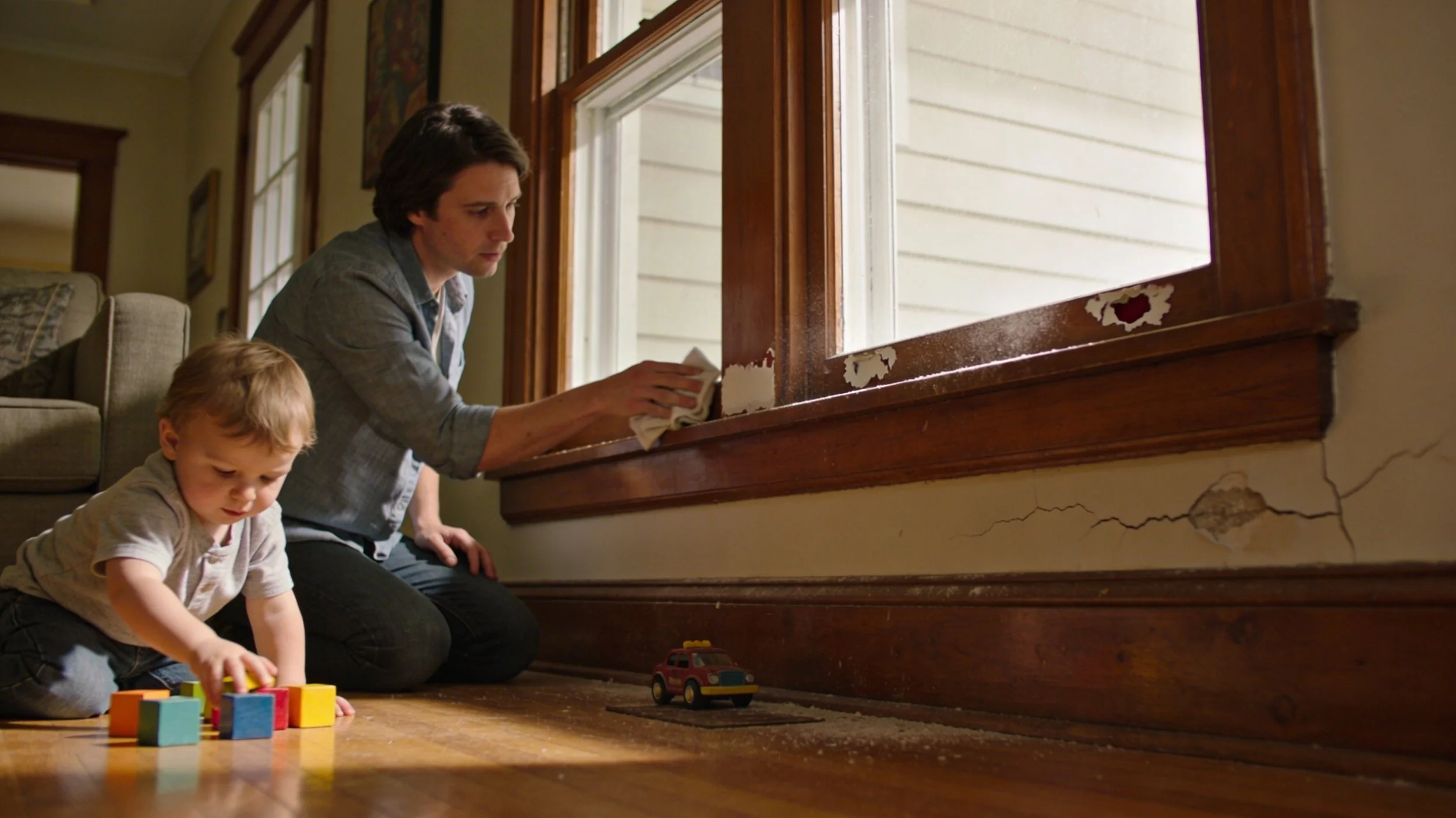
If you live in an older Michigan home, lead paint is one of those risks that can sit quietly in the background for years until something changes: a child starts crawling, a window project kicks up dust, or peeling paint shows up around a favorite play area. The paint itself may have been on the walls for decades without anyone thinking twice about it. The real hazard begins when that paint deteriorates or is disturbed and turns into fine dust that settles on floors, window sills, toys, and everyday surfaces.
Across Metro Detroit, Warren, Flint, and many other Michigan communities, a large share of housing was built before 1978, the year residential lead-based paint was banned. That makes lead paint in older homes a present-tense issue, not a historical footnote. Families buying their first home, landlords updating rental units, and investors rehabbing older properties all face the same core question: is there a lead hazard here that could affect children or pregnant adults, and if so, what should we do about it?
From the field, we see the same patterns repeat. Lead hazards often show up in friction surfaces like windows and doors, in peeling paint on porches and stairs, and during renovation work that was not planned or contained with lead in mind. The goal of this guide is to walk through how lead affects children and families, where the biggest risks come from in real Michigan houses, and how homeowners, property managers, contractors, and investors can manage those hazards safely and responsibly.
Lead paint hazards are still a real concern for children and families in Michigan, especially in older homes and rental properties.
Why Lead Paint Is Still a Problem
Lead-based paint was banned for residential use in 1978, but the paint did not disappear. It remains on walls, trim, windows, doors, porches, and exteriors in millions of older homes. When that paint peels, chalks, or is disturbed during renovation, it can create lead-contaminated dust that settles on floors, toys, and everyday surfaces children touch.
The EPA explains that lead from paint, dust, and soil in and around your home can be dangerous if not managed properly, particularly in older homes and buildings:
https://www.epa.gov/lead/protect-your-family-sources-lead
In Michigan, we have a large stock of pre‑1978 housing in cities and older suburbs, which means lead paint in older homes is still common. For families, landlords, and investors, the real issue is not just “Is there lead paint?” but “Is it creating a hazard for children and pregnant adults today?”
How Lead Affects Children and Families
Children Are Especially Vulnerable
The CDC is clear: there is no known safe level of lead in the blood of children. Even small amounts of lead can harm a child’s health and cause long-term problems.
According to CDC’s Childhood Lead Poisoning Prevention program, lead exposure in children can cause:
Damage to the brain and nervous system
Slowed growth and development
Learning and behavior problems
Hearing and speech problems
These effects can show up as:
Lower IQ
Difficulty paying attention
Underperformance in school
More detail:
https://www.cdc.gov/lead-prevention/risk-factors/children.html
https://www.cdc.gov/lead-prevention/symptoms-complications/index.html
A review article in the National Institutes of Health literature notes that even blood lead levels below 5 micrograms per deciliter are associated with decreased IQ, academic achievement, attention-related problems, and behavioral issues in children:
https://pmc.ncbi.nlm.nih.gov/articles/PMC5645046/
Adults and Families
Adults can also be affected by lead exposure, particularly those who work around lead or are exposed during renovation. CDC and ATSDR note that low to moderate lead exposure in adults can contribute to:
High blood pressure
Kidney problems
Reproductive issues
Cognitive and mood changes over time
More: https://archive.cdc.gov/www_atsdr_cdc_gov/csem/leadtoxicity/physiological_effects.html
For families, the concern is both direct exposure to adults and the possibility of “take-home” lead dust on clothing or equipment from certain jobs or hobbies.
Where Lead Hazards Come from in Homes
Lead in Paint and Dust
The most common source of residential exposure is deteriorating lead paint and the dust it creates. High-risk locations include:
Window sashes, wells, and trim
Doors and door frames
Baseboards and interior trim
Stair rails and balusters
Exterior siding and porch components
EPA explains that lead in household dust often comes from old lead-based paint on surfaces that rub together, deteriorating older paint, home repair activities, and tracking contaminated soil indoors:
https://www.epa.gov/lead/protect-your-family-sources-lead
Peeling lead paint danger is not limited to obvious flakes. Even paint that looks “mostly intact” on friction surfaces like windows and doors can generate fine dust every time the surface moves.
Lead in Soil and Around the Home
Soil near older homes can contain lead from exterior paint and, in some areas, from historical emissions. Children playing in bare soil or gardens near older foundations can be exposed if soil is tracked indoors or ingested.
Lead in Water
While paint and dust are the primary focus in many housing situations, drinking water can contribute to overall lead exposure, especially where older lead service lines or plumbing exist. EPA notes that homes built before 1986 are more likely to have lead pipes, fixtures, and solder:
https://www.epa.gov/lead/protect-your-family-sources-lead
Lead Paint Exposure Symptoms
Lead paint exposure symptoms in children are often subtle at first. The CDC notes that many children with lead exposure do not look obviously sick, which is why blood lead testing is so important.
Possible signs in children can include:
Developmental delays
Learning difficulties or problems in school
Irritability or behavior issues
Loss of appetite and weight loss
Fatigue or sluggishness
Abdominal pain, vomiting, or constipation
More:
https://www.cdc.gov/lead-prevention/symptoms-complications/index.html
In adults, symptoms may include headaches, difficulty concentrating, mood changes, high blood pressure, joint or muscle pain, and reproductive concerns.
From a property perspective, the key takeaway is that you will not “see” lead poisoning on the walls. You manage the risk by controlling the hazard in the building, not by waiting for symptoms.
How to Know If Your Home Has Lead Paint
You cannot tell whether paint contains lead just by looking at it. Older paint may appear thick, layered, or “alligatoring,” but appearance alone is not proof.
EPA outlines three primary evaluation tools:
Lead-based paint inspection
Tells you if your home has lead-based paint and where it is located
Most helpful when buying or before renovating
Risk assessment
Identifies whether your home currently has any lead hazards from paint, dust, or soil and what actions to take
Combined inspection and risk assessment
Provides a fuller picture of both presence and current hazards
More information:
https://www.epa.gov/lead/how-make-your-home-lead-safe
In Michigan, the Lead Safe Home Program helps eligible families identify and remove lead hazards, including inspections and hazard control work:
https://www.michigan.gov/mileadsafe/lead-services
For landlords and investors, incorporating lead evaluation into due diligence and environmental testing for property managers is a practical way to manage risk in pre‑1978 properties.
Why Renovation Work Is a High-Risk Moment
Renovation, repair, and painting work in older homes is one of the most common ways families are exposed to lead dust.
Any work that disturbs paint can create hazards, including:
Sanding or scraping painted surfaces
Cutting into walls, trim, or window frames
Replacing windows and doors
Demolition of old plaster or drywall
Floor refinishing near painted baseboards
EPA’s Renovation, Repair and Painting (RRP) program sets requirements for firms working on pre‑1978 homes and child-occupied facilities, including training and lead-safe work practices to minimize dust and protect occupants:
https://www.epa.gov/lead/lead-renovation-repair-and-painting-program
For Michigan homeowners, that means:
Assuming lead paint may be present in pre‑1978 homes until testing says otherwise
Avoiding dry sanding or open-flame removal of old paint
Using certified contractors who follow lead-safe work practices when work will disturb painted surfaces
For property managers, RRP compliance and documentation are part of environmental compliance property owners are expected to maintain.
Managing Lead Hazards Safely
Everyday Maintenance
Not all lead paint needs to be removed immediately. EPA notes that lead-based paint in good condition is usually not a hazard if it is not on friction or impact surfaces and is not being disturbed.
Practical steps include:
Keeping painted surfaces intact and promptly repairing peeling or damaged areas
Cleaning floors and window sills regularly with damp methods rather than dry sweeping
Using doormats and removing shoes to reduce soil tracking
Washing children’s hands and toys frequently
Lead Paint Removal vs Lead Paint Abatement
Lead paint removal is a general term people use for taking old paint off. Lead paint abatement is a regulated process focused on permanently eliminating lead-based paint hazards using methods such as component replacement, approved encapsulation, enclosure, or controlled removal.
Abatement and clearance testing are typically required in more formal hazard control projects, especially when public funding is involved or when regulations call for permanent hazard reduction. EPA’s “Protect Your Family from Lead in Your Home” guide outlines common approaches and key precautions:
For Michigan families and landlords, it often makes sense to work with environmental services Michigan providers who can evaluate which approach is most appropriate for each area of the home.
Michigan Resources for Families
Michigan has specific programs aimed at reducing lead hazards in homes and protecting children.
Lead Safe Home Program
Helps eligible families identify and remove lead hazards
Can fund inspection and hazard control work in owner-occupied and some rental properties
Details and application: https://www.michigan.gov/mileadsafe/lead-services
Community and local initiatives
Cities like Flint and other communities have local programs and grants that work in coordination with state efforts to support lead paint abatement and lead-safe housing improvements.
For landlords and investors in Michigan, these programs can be part of a broader strategy for lead paint abatement, especially in units where children live or are expected to live.
Lead, Mold, and Other Hazards in Older Homes
In older Michigan housing, lead is often not the only environmental concern. Water damage that leads to mold after flooding or basement mold after water damage can also cause paint to deteriorate faster, increasing dust risk and peeling lead paint danger.
At the same time, demolition to address mold or update finishes may intersect with asbestos in homes if older flooring, ceiling textures, or insulation are present. In those situations, working with environmental remediation services that understand hazardous materials in homes can help you coordinate lead paint removal, asbestos inspection, and mold remediation safely.
Protecting Children and Families in Michigan Homes
The science is clear: even low-level lead exposure can cause lasting harm to children’s health, learning, and behavior. The good news is that lead paint hazards are manageable when you understand where they come from and how to control them.
Key steps for families and property owners:
Treat pre‑1978 homes as likely to contain lead until testing says otherwise
Keep painted surfaces in good repair and respond quickly to peeling or chipping paint
Use lead-safe practices and certified firms for renovation work that disturbs paint
Consider inspections or risk assessments, especially where young children live or will live
Take advantage of Michigan programs that help identify and remove lead hazards
If you are concerned about lead paint in older homes, peeling paint, renovation plans, or possible lead exposure symptoms in children, it is worth getting a clear, professional assessment. BDS Environmental helps Michigan homeowners, property managers, contractors, and investors understand lead paint risks, plan safe renovation and maintenance, and coordinate lead paint abatement and related environmental services when needed.
If you suspect your home or rental may contain lead hazards, or you are planning work in a pre‑1978 property, contact BDS Environmental to discuss next steps and protect the health of the children and families who live there.