Lead Paint Testing vs Lead Paint Removal: What’s the Difference?
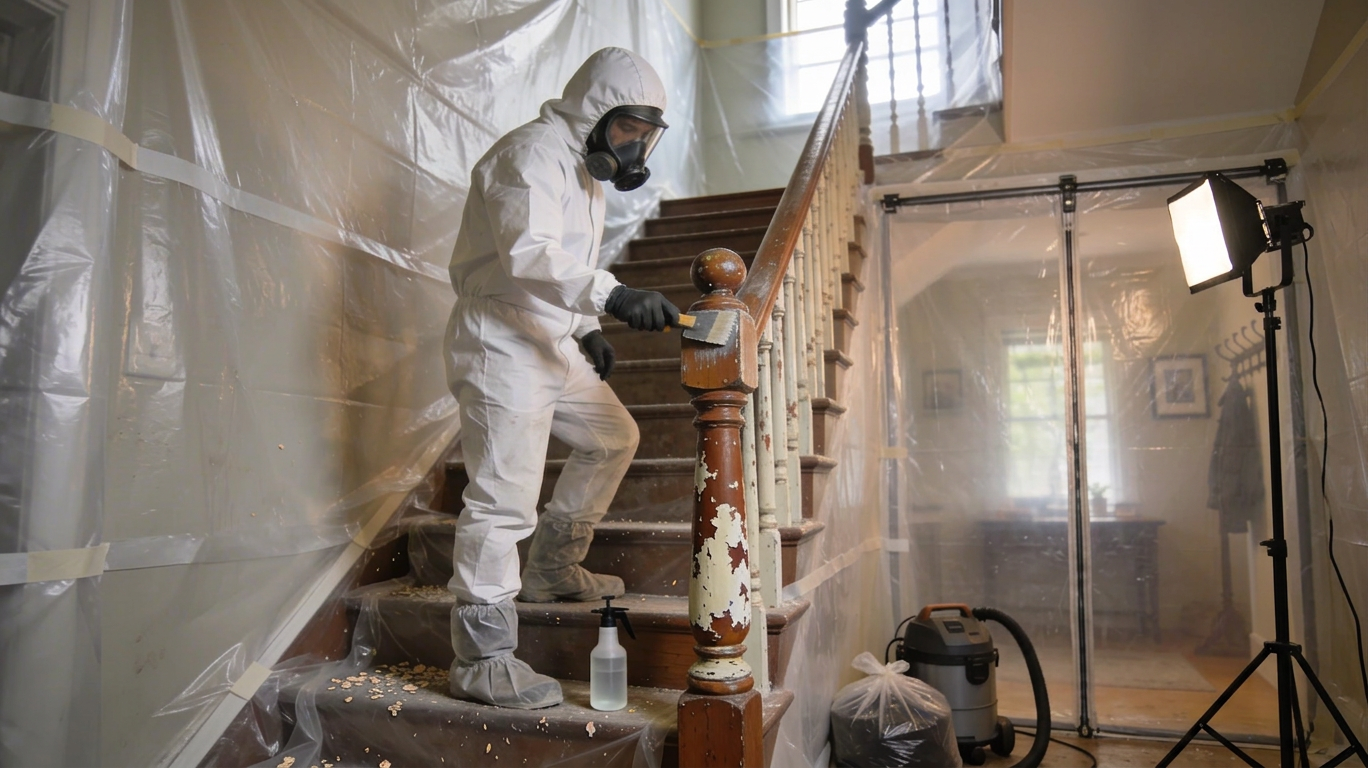
Lead paint testing and lead paint removal are two very different things and confusing them is one of the most common mistakes Michigan property owners make when they first learn they may have lead-based paint in a building. Testing is a diagnostic process: it tells you where lead-based paint is, whether it is currently creating a hazard, and what you are working with before any decisions are made. Removal or abatement is the action step: it permanently addresses those hazards by eliminating, enclosing, or encapsulating lead-based paint so it can no longer harm occupants or workers. Both have a role and knowing when to use each can save you significant time, money, and risk.
For homeowners, landlords, property managers, contractors, and investors in Metro Detroit, Warren, and other Michigan communities, understanding this distinction is part of smart environmental compliance. Older homes in Michigan's housing stock are very likely to have lead-based paint somewhere on their surfaces, especially on windows, doors, trim, porches, and exteriors. When that paint deteriorates or is disturbed during renovation, it can release fine lead dust that settles on floors and surfaces where children and adults are regularly exposed. The CDC emphasizes that there is no known safe level of lead in a child's blood, and that primary prevention—removing or controlling lead hazards before a child is exposed—is the most effective way to protect against harm.
https://www.cdc.gov/lead-prevention/prevention/index.html
What Is Lead Paint Testing?
Lead paint testing is an umbrella term that covers several different evaluation approaches. In regulatory and professional language, EPA and HUD distinguish between lead-based paint inspections, lead risk assessments, and component-level test kits. Each serves a different purpose depending on your situation and what decisions you need to make.
Lead-Based Paint Inspection
A lead-based paint inspection is a surface-by-surface investigation designed to tell you where lead-based paint is present in a building. A certified lead inspector uses XRF (X-ray fluorescence) technology or paint chip sampling to test individual surfaces throughout the home or building.
https://www.epa.gov/lead/lead-abatement-inspection-and-risk-assessment
Key points about inspections:
They identify where lead-based paint exists, not whether it is currently creating a dust or soil hazard.
They are most useful when you want a comprehensive map of lead-based paint locations—for example, before a major renovation, during property due diligence, or when planning long-term capital work.
Results help you plan where lead-safe work practices or lead paint abatement will be needed.
Lead Risk Assessment
A lead risk assessment goes a step further. It is an on-site investigation designed to determine whether lead hazards are present right now, not just where lead paint exists.
https://www.epa.gov/lead/questions-and-answers-homeowners-and-renters-about-understanding-lead-inspections-risk
A risk assessment includes:
Dust wipe sampling on floors, window sills, and window troughs to measure lead dust levels
Paint condition evaluation to identify deteriorating or damaged lead-painted surfaces
Sometimes soil sampling around building exteriors
Specific recommendations for controlling or removing identified hazards
The practical difference: an inspection tells you where the paint is; a risk assessment tells you where hazards exist today and what to do about them. For Michigan landlords and property managers who need to demonstrate environmental compliance property owners are expected to meet, a risk assessment with clear findings and recommendations is often the most useful document.
Lead Test Kits
For renovation work, EPA also recognizes a limited set of test kits that certified renovators can use on individual components to determine whether those specific surfaces can be treated as non-lead for RRP (Renovation, Repair and Painting) compliance. These kits are not substitutes for full inspections or risk assessments but are useful when:
You are planning targeted work on specific components.
You want to quickly confirm whether lead-safe work practices apply to a particular surface.
A certified renovator needs to make a component-level decision during renovation planning.
https://www.epa.gov/lead/testkits
What Is Lead Paint Removal and Lead Paint Abatement?
Lead paint removal is the everyday term people use to describe getting old lead paint out of a building. In regulatory terms, lead-based paint abatement is the more specific and legally defined version of that process.
Lead Paint Removal in Practice
"Lead paint removal" commonly refers to:
Stripping or scraping lead-painted surfaces such as trim, window frames, doors, and railings
Replacing components that are heavily contaminated or impossible to strip cleanly
Treating deteriorated paint to prevent it from creating additional dust
How that work is done matters enormously. Dry sanding, open-flame burning, and uncontrolled scraping can create large amounts of fine lead dust very quickly and distribute it throughout a home. That is why EPA's guidance emphasizes that lead paint removal must use methods that control and contain dust throughout the process.
https://www.epa.gov/lead/lead-safe-renovations-diyers
What Abatement Means Specifically
EPA defines lead-based paint abatement as any measure or set of measures designed to permanently eliminate lead-based paint hazards. That includes:
https://www.epa.gov/lead/lead-abatement-inspection-and-risk-assessment
Paint removal by stripping, wet scraping, or chemical methods
Component replacement, such as removing and replacing lead-painted windows, doors, or trim
Enclosure, covering lead-painted surfaces with rigid, durable materials that seal them off permanently
Encapsulation, applying specially formulated products over intact lead-based paint to prevent deterioration and dust
Abatement, as EPA defines it, has two distinguishing features that separate it from routine renovation: the goal is permanent hazard elimination, and it typically requires certified abatement firms and workers, clearance testing after work is complete, and documentation.
For Michigan owners managing rental properties, abatement is often required or strongly recommended when a child in the home has been identified with an elevated blood lead level or when health department inspections identify significant peeling lead paint danger.
How Testing and Removal Work Together
Testing and removal are complementary, not competing. The most practical way to think about them is:
Testing answers the question: What do I have and where is it a problem?
Removal or abatement answers: How do I permanently fix those problems?
Testing Helps You Target the Right Work
Without a lead inspection or risk assessment, you are either guessing at hazard locations or treating every painted surface as equally high risk. EPA explains that inspections and risk assessments are useful first steps that lead to more informed decisions about managing and controlling lead-based paint and lead hazards.
https://www.epa.gov/lead/lead-abatement-inspection-and-risk-assessment
From a Michigan property-owner standpoint, testing lets you:
Focus lead paint removal and abatement on the highest-risk surfaces first, such as friction and impact surfaces like windows, doors, and stair components.
Avoid spending money removing intact lead paint that is not currently creating a dust hazard.
Create documentation that supports environmental safety in older homes for lenders, insurers, and regulators.
Removal Follows a Plan, Not Guesswork
Once you know where lead-based paint exists and where hazards are present, you can build a lead paint removal process that is both targeted and compliant. A well-planned lead paint removal process includes:
A written scope identifying which surfaces or components will be treated and by which method
Lead-safe work practices or formal abatement procedures, depending on project scope
Clearance testing after work is complete to confirm dust lead levels meet regulatory standards
Documentation kept on file for future sale, refinancing, or regulatory review
For Michigan rental owners, this kind of documented approach is central to mold remediation for landlords as well as lead compliance, creating a defensible record that hazards were identified and addressed professionally.
Michigan Lead Paint Laws and Why Both Testing and Removal Matter
Federal Disclosure Requirements
Federal rules require landlords and sellers of housing where lead-based paint may be present to disclose known lead-based paint and hazards, provide an EPA-approved informational pamphlet, and include specific warnings and acknowledgments in leases and sales contracts. These requirements apply based on the presence of lead-based paint and known conditions, not based solely on whether renovation has occurred.
Michigan-Specific Enforcement
In Michigan, there are additional legal expectations for rental property owners. A Michigan lead inspection and legal overview explains that the state's Public Health Code creates criminal liability for landlords who rent to families with minor children when they know the unit contains a lead hazard and fail to correct it. Penalties can include fines and jail time.
https://michiganleadpaintinspectors.com/current-laws-hold-landlords-responsible-lead-hazards-properties
A property management overview of lead paint laws in Michigan also notes that cities such as Detroit tie rental certificates to lead safety and require corrections of identified hazards before units can be legally rented.
https://www.compass101.com/michigan-lead-paint-laws
Both of these requirements underscore the same point: you need to know what you have (testing) before you can demonstrate you have addressed it (removal or abatement). Trying to manage lead paint risks without professional evaluation leaves you unable to document compliance when it matters most.
When Testing Is the Priority
Schedule a lead inspection or risk assessment when:
You are acquiring an older property and want to understand lead conditions before closing.
You manage multiple rentals and need to prioritize lead paint abatement across your portfolio.
You are planning a major renovation and want to identify where lead-safe practices or abatement will be required.
A child in a home or rental has been identified with an elevated blood lead level and you need to locate the hazard source.
You want documentation of conditions for lenders, insurers, or regulatory compliance.
When Removal or Abatement Is the Priority
Lead paint removal or formal abatement moves to the front of the line when:
You already know peeling lead paint danger or confirmed lead dust hazards exist.
A health department or local inspection program has ordered hazard corrections.
You are planning renovation that will disturb known lead-based paint on high-risk surfaces.
Children live or spend significant time in the building and ongoing lead hazard control is needed.
You are accessing public funding for rehabilitation work that requires certified abatement.
In these situations, testing still plays a role—it may be needed to confirm hazard locations, document pre-work conditions, or verify clearance after abatement—but the main focus is on eliminating or controlling the hazard.
How Lead Safety Fits With Other Environmental Hazards
In many older Michigan properties, lead paint does not exist in isolation. It frequently overlaps with other hazardous materials in homes:
Asbestos – Renovation to address lead paint in older buildings may also disturb asbestos-containing materials such as drywall joint compound, flooring and mastics, ceiling tiles and textures, and some insulation. Best practice is to assume suspect materials may contain asbestos regardless of construction date, because some imported drywall, flooring, and ceiling products from countries without strict asbestos regulations can still contain asbestos today. Regardless of when your property was built, treat suspect materials as potentially asbestos-containing until asbestos inspection and testing prove otherwise.
Mold – Water damage that triggers mold remediation can also accelerate deterioration of lead-based paint, creating simultaneous lead and mold hazards. Mold removal that involves cutting into lead-painted surfaces must also incorporate lead-safe work practices.
Coordinating environmental remediation services for lead paint, asbestos, and mold together is often the most efficient and safest approach for larger or more complex renovation projects.
Making the Right Call for Your Michigan Property
Lead paint testing and lead paint removal each have a clear role in protecting people and buildings. Testing is how you understand your exposure and liability. Removal and abatement are how you eliminate them. Used together with professional guidance, they form a complete strategy for managing lead paint in older Michigan housing and commercial properties.
If you own or manage older Michigan properties and are unsure whether you need lead testing, lead paint removal, or both, BDS Environmental can help. The team works with homeowners, landlords, property managers, contractors, and investors to evaluate lead conditions in older homes, explain how lead paint laws in Michigan apply to your situation, and design practical lead paint abatement strategies that fit your project and your budget. If you suspect lead hazards or want clarity on where to start, contact BDS Environmental to discuss your properties and the most appropriate next steps.