
Why Mold Problems Keep Coming Back (And How to Fix Them Properly)
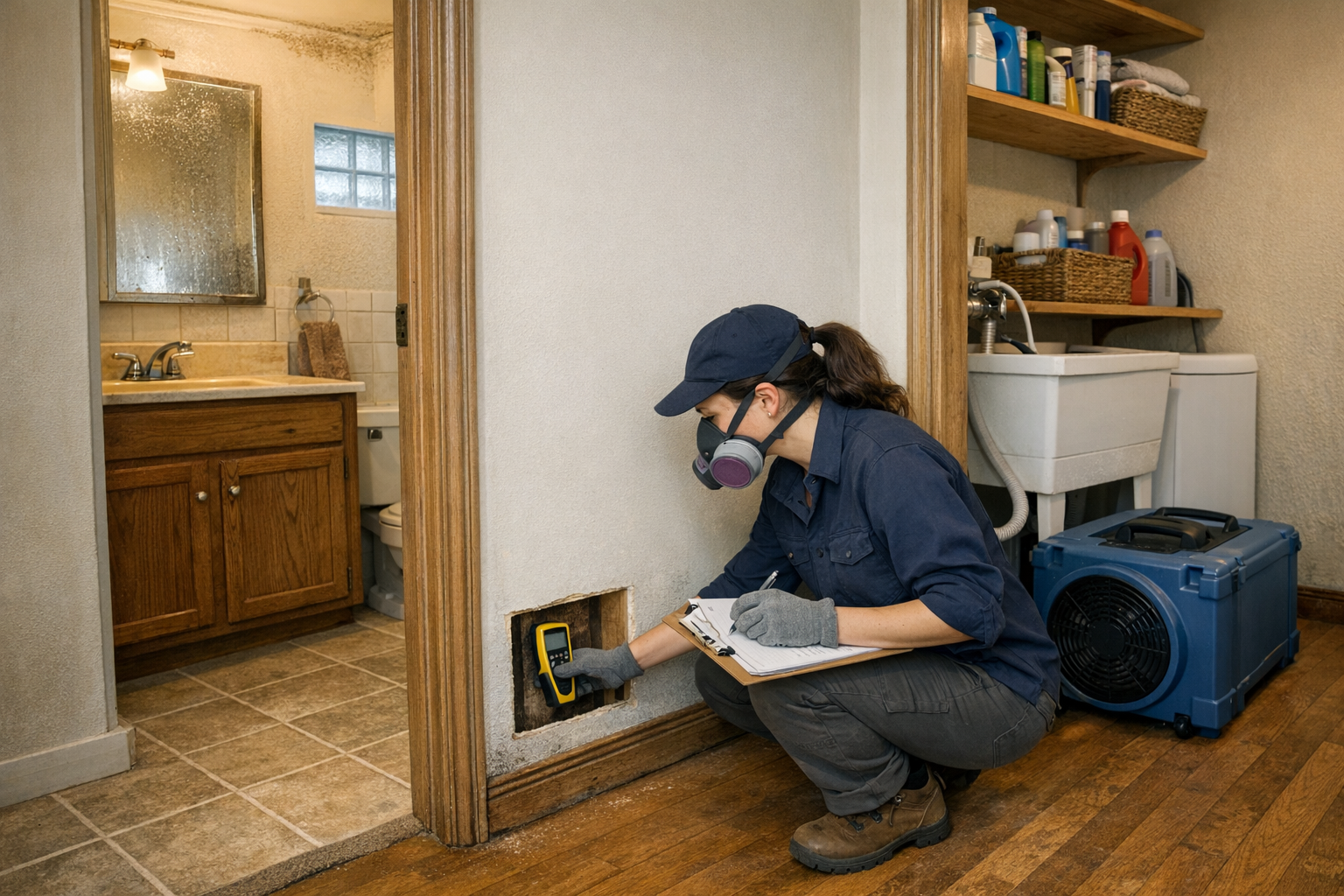
If you have cleaned mold off a wall, painted over a stain, or paid for “mold removal” only to smell that musty odor again a few weeks later, you are not alone. In Michigan, recurring mold issues are extremely common, especially in basements, older buildings, and properties with seasonal moisture.
The reason mold keeps coming back is usually simple. The moisture problem never got fully solved. Mold is not a one-time event. It is a moisture management problem.
The U.S. Environmental Protection Agency puts it plainly: the key to controlling mold is controlling moisture. If moisture remains, mold can return even after surfaces are cleaned. (EPA: https://www.epa.gov/mold)
This article explains why mold problems recur, where the real “misses” usually happen, and what a proper long-term fix looks like for homeowners, landlords, contractors, and property managers.
The Root Cause: Mold Is a Symptom, Not the Problem
Mold spores exist in normal indoor and outdoor air. That means the goal is not to eliminate every spore. The goal is to prevent indoor conditions that allow growth.
Mold becomes a problem when three things come together:
Moisture
A food source (drywall paper, wood, dust, carpet, insulation)
Time
The EPA notes mold can begin growing within 24 to 48 hours when materials stay wet. (EPA: https://www.epa.gov/mold/mold-cleanup-your-home)
So, when a basement gets damp after a storm or a bathroom stays humid every day, the environment becomes a repeat growth cycle.
Why Mold Problems Keep Coming Back
Recurring mold usually comes from one of these root issues. In Michigan properties, it is often more than one.
1. The Water Source Was Never Identified or Repaired
A lot of jobs focus on cleaning, not diagnosis. If the moisture source is not found, mold returns.
Common hidden sources we see in the field:
Slow plumbing leaks under sinks, behind toilets, or inside walls
Poorly sealed shower pans or tile grout failures
Roof leaks that only show up in wind-driven rain
Foundation seepage or capillary moisture through basement walls
HVAC condensation issues, especially in summer
Dryer vents disconnected or leaking moisture into wall cavities
A proper mold inspection should include moisture mapping, not just a visual look. Moisture meters and, in some cases, infrared imaging help find damp materials that are not obvious.
2. The Area Was Not Dried Completely
Drying is the step that gets rushed most often, especially after water events.
If materials remain damp behind baseboards, under flooring, or inside wall cavities, mold can regrow even if the surface looks “fine.”
The EPA emphasizes drying water-damaged areas quickly, ideally within 24 to 48 hours, to prevent mold growth. (EPA: https://www.epa.gov/mold/brief-guide-mold-moisture-and-your-home)
In Michigan, basements are especially vulnerable because they are naturally cooler, often less ventilated, and can stay humid for long stretches.
This is why basement mold after water damage is so common, even after a homeowner thinks they “dried it out.”
3. Only the Visible Mold Was Treated
Mold is often hidden. When you see it on a baseboard or lower drywall, it may be:
Behind the wall in insulation
On the back side of drywall
Under laminate or carpet padding
Inside a rim joist cavity
On the underside of subflooring
This is where the difference between mold removal and mold remediation matters. Basic cleaning might address a nonporous surface, but porous materials often need controlled removal and replacement.
The EPA notes that porous items like ceiling tiles, insulation, and carpet may need to be discarded if moldy because mold can grow into the material. (EPA: https://www.epa.gov/mold/mold-cleanup-your-home)
4. High Humidity Is an Ongoing Issue
Even without a leak, elevated humidity can drive recurring growth.
The EPA recommends keeping indoor humidity below 60 percent, and many professionals target 30 to 50 percent when possible. (EPA: https://www.epa.gov/mold/mold-course-chapter-2)
In Michigan, humidity climbs in late spring through early fall. If basements are not dehumidified, the air can stay moist enough to support growth on cooler surfaces and dust.
Signs humidity is your repeat trigger:
Condensation on windows or cold water pipes
A persistent mold smell in house areas
Damp-feeling air in basements or storage rooms
Mold returning in the same corners seasonally
5. The Cleaning Method Spread Spores or Missed Containment
If moldy materials are torn out without containment, spores and debris can spread into clean areas. That can lead to recurring odor complaints, especially in multi-family properties.
Professional mold remediation often uses:
Containment barriers (poly sheeting)
Zipper entry doors
HEPA air scrubbers
Negative pressure setups when needed
For property managers, this is a major reason mold remediation for landlords should not be treated like a typical handyman job.
6. The HVAC System or Ductwork Is Involved
If mold growth is near returns, inside air handlers, or on insulation around ductwork, the HVAC system can distribute odors and spores throughout a building.
This is particularly important in mold in commercial buildings, where shared air systems can impact multiple tenant spaces.
If the building smells musty whenever the system runs, that is a clue that the issue may not be limited to one room.
7. Repairs Were Cosmetic Instead of Corrective
Painting over stains, replacing baseboards, or installing new flooring without fixing moisture is a recipe for repeat mold.
A proper fix addresses:
The moisture pathway
The affected materials
The drying and humidity control plan going forward
Cosmetic repairs can make a space look better temporarily, but they rarely change the conditions that caused the mold.
How to Fix Recurring Mold Properly
The best long-term solution is a process. Whether you own a home, manage rentals, or oversee commercial facilities, the steps are similar.
Step 1: Start With a Moisture Investigation
Identify what is feeding the problem. A thorough mold inspection should include:
Visual inspection of affected and adjacent areas
Moisture readings of drywall, framing, flooring, and insulation
Review of building history (flooding, leaks, seasonal seepage)
Humidity readings and ventilation evaluation
If there is a history of mold after flooding, focus on hidden spaces like wall cavities and under flooring.
Step 2: Correct the Source of Moisture
This may involve:
Plumbing repairs
Roof repairs or flashing correction
Foundation crack sealing and drainage improvements
Sump pump service or backup installation
Bathroom ventilation upgrades
HVAC condensate line fixes
Without this step, mold remediation becomes a temporary reset.
Step 3: Dry the Structure Fully
Drying is not just running fans for a day. It often requires:
Dehumidification sized to the space
Airflow directed at damp materials
Verification with moisture meters
In basements, dehumidification may be needed seasonally even after the remediation is complete.
Step 4: Remove or Clean Materials Based on the Surface Type
A proper mold remediation process typically includes:
Removing contaminated porous materials (insulation, damaged drywall, carpet padding)
HEPA vacuuming and damp wiping remaining structural components
Cleaning inside containment when needed
Proper disposal and controlled work practices
The goal is to return the building to a normal fungal ecology, not a sterile environment.
Step 5: Verify the Area Is Dry and Conditions Are Stable
Good projects end with confirmation, not assumptions. This can include:
Moisture readings showing materials are back to normal
Visual confirmation that affected materials are removed or cleaned
Odor check after drying and filtration
Optional environmental testing for property managers in commercial or multi-family settings
Michigan-Specific Considerations: Older Buildings and Other Hazards
In Michigan, many buildings with repeat moisture were built before modern material standards. That matters because demolition during mold work can overlap with other hazardous materials in homes.
Asbestos and renovation work
If your property was built before 1980, removing drywall, old flooring, or insulation can raise concerns about asbestos in homes. If you are doing demolition beyond small repairs, asbestos inspection or asbestos testing may be appropriate before renovation.
The EPA provides guidance on asbestos in buildings and why it matters during renovation and demolition. (EPA Asbestos: https://www.epa.gov/asbestos)
Lead paint exposure during water damage repairs
Older housing stock may also contain lead paint in older homes. If water damage causes paint to deteriorate, peeling lead paint danger increases, especially around windows, trim, and doors.
If lead hazards are suspected, lead paint removal and lead paint abatement must follow strict safety requirements, especially in rentals.
This is where environmental remediation services and hazardous material removal may overlap with mold work, particularly for investors and landlords managing older properties.
When to Call a Professional
If you are dealing with recurring mold, professional support often saves time and money compared to repeated cleanup attempts.
Consider professional mold remediation when:
The musty odor returns repeatedly
Mold is on porous materials or keeps spreading
The issue involves a basement after water intrusion
There is a history of mold after flooding
Multiple units or tenant spaces are involved
You need documentation for insurance, tenants, or investors
If you are searching for mold removal near me, ask specifically how the contractor handles moisture mapping, containment, drying verification, and prevention planning. In Southeast Michigan, property owners often look for mold remediation support or mold remediation services when dealing with recurring basement and rental issues.
Bottom Line
Mold keeps coming back for one main reason. The conditions that caused it never changed.
A long-term fix is not just cleaning what you see. It is identifying moisture, correcting the source, drying properly, addressing contaminated materials safely, and keeping humidity under control moving forward.
That is the difference between a temporary cleanup and a lasting solution that protects your building and the people inside it.
Contact BDS Environmental
If mold keeps returning in your home, rental property, or commercial building, it is time to look beyond surface cleanup and address the root cause.
BDS Environmental supports homeowners, contractors, property managers, and investors throughout Michigan with mold inspection, professional mold remediation, and environmental remediation services when conditions warrant. If you are dealing with a persistent mold smell in house areas, basement mold after water damage, or repeat mold issues in commercial spaces, contact BDS Environmental to schedule an evaluation and get a clear plan to fix the problem properly.
