Can Mold Make You Sick? Health Risks Every Property Owner Should Understand
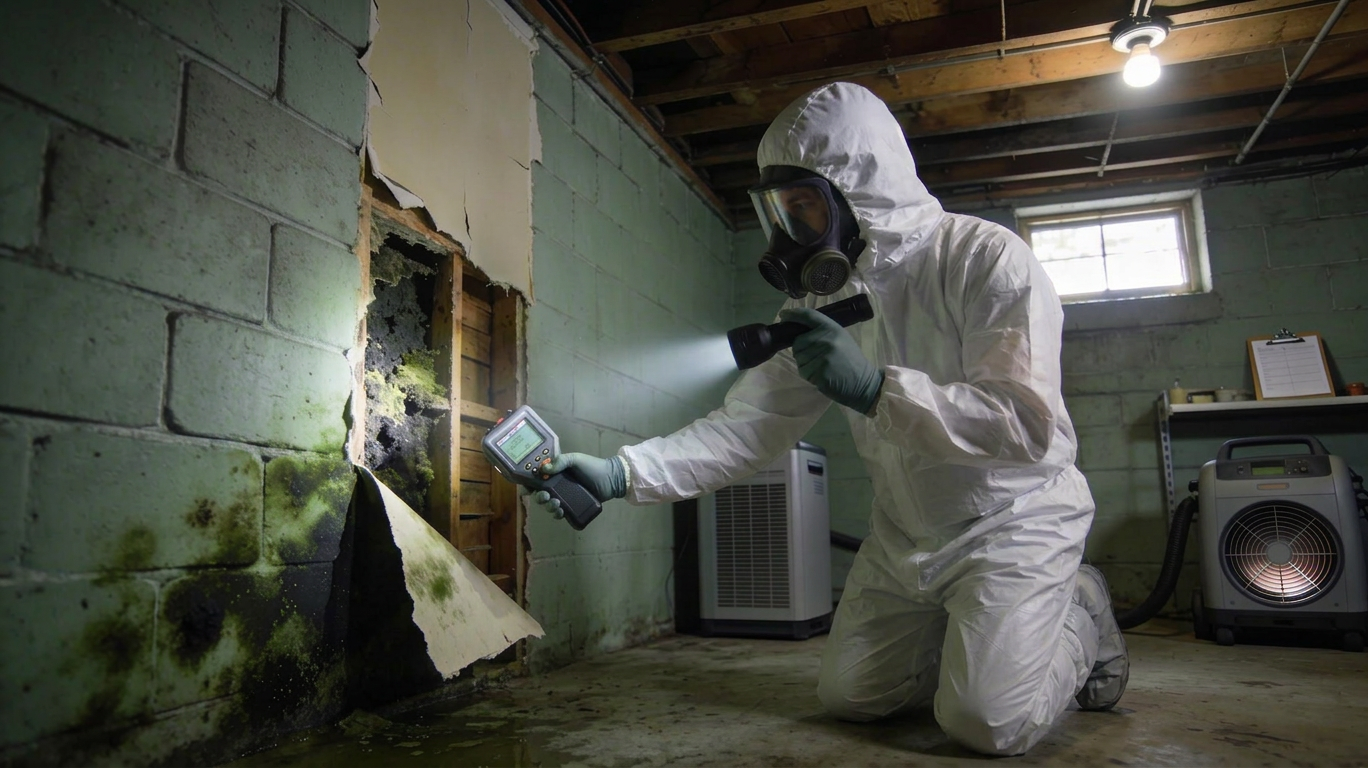
Mold can absolutely make people sick, and in Michigan’s climate it is a problem property owners can’t ignore. When moisture lingers in basements, crawlspaces, bathrooms, or behind finished walls, mold growth can quietly affect indoor air quality long before you see dramatic black spots on drywall or ceilings. For some people that means a little extra congestion; for others—especially children, older adults, or anyone with asthma—it can mean real, ongoing health issues.
If you own or manage property in Metro Detroit, Warren, or other Michigan communities, you are dealing with basements, snowmelt, summer humidity, and older building materials that don’t always play nicely with moisture. A “musty” lower level, recurring spots on bathroom ceilings, or tenants complaining about feeling worse in one part of a building are all warning signs you may be dealing with more than a cosmetic problem. The CDC notes that people exposed to mold can experience nasal stuffiness, throat irritation, coughing or wheezing, eye irritation, and skin irritation, and that mold can trigger asthma attacks in people with asthma. You can read their overview here: https://www.cdc.gov/mold-health/about/index.html
In this blog, we will walk through what the medical and building-science communities say about mold health risks, common patterns we see in Michigan homes and commercial buildings, how to recognize when mold might be contributing to symptoms, and when professional mold inspection and mold remediation are worth it for both health and liability.
What Health Experts Say About Mold
Typical Symptoms Linked to Mold Exposure
Health agencies are consistent: mold is not just an eyesore, it can affect how people feel in a building. The CDC explains that mold exposure can cause nasal congestion, throat irritation, coughing or wheezing, eye irritation, and skin irritation, and that people with mold allergies may have more severe reactions. That overview is here: https://www.cdc.gov/mold-health/about/index.html
The EPA’s homeowner guide “A Brief Guide to Mold, Moisture and Your Home” adds that molds produce allergens and irritants, and that inhaling or touching mold or mold spores may cause allergic reactions similar to hay fever, including sneezing, runny nose, red eyes, and skin rash: https://www.epa.gov/mold/brief-guide-mold-moisture-and-your-home
Public-facing medical sites like Healthline and WebMD summarize additional common complaints linked to indoor mold, such as headaches, fatigue, and worsening sinus issues, especially when people spend long periods inside a moldy building.
Who Is at Higher Risk
Not everyone reacts the same way to the same mold problem. The CDC highlights several groups that are more likely to have significant reactions:
People with asthma
People with chronic lung disease
People with weakened immune systems
The National Institute of Environmental Health Sciences (NIEHS) notes that infants, children, older adults, and people with underlying health problems may be particularly vulnerable in damp, moldy environments. Their mold page is a good higher-level summary: https://www.niehs.nih.gov/health/topics/agents/mold
For property owners, that means a basement problem one family “lives with” might be a serious trigger for another family or tenant.
Mold Allergies vs More Serious Illness
Allergic and Irritant Effects
Most mold health risks show up in two ways: as allergies and as irritation. Common patterns include:
Runny or stuffy nose
Sneezing
Itchy or watery eyes
Skin rashes or irritation
Sore throat and cough
WebMD and other clinical summaries note that mold in homes can trigger or worsen allergy symptoms and make people feel like they have a lingering cold that improves when they leave the building.
Asthma, Respiratory Issues, and Chronic Problems
For people with asthma, mold is more than a nuisance trigger. The CDC states that mold can cause asthma attacks in people with asthma who are allergic to mold. Over time, living or working in damp, moldy spaces have also been linked to higher rates of bronchitis and other respiratory problems.
NIEHS points out that building dampness and mold have been consistently associated with increased respiratory symptoms, asthma, and even respiratory infections in occupants. That’s why persistent, building-related cough, wheeze, or chest tightness deserves a closer look at what is going on in the structure, not just another allergy medication refill.
Where Mold Problems Show Up in Michigan Properties
Basements and Lower Levels
Basements are mold’s favorite playground in Michigan:
Groundwater seepage and foundation cracks
Poor grading and downspout drainage
Sump or sewer backups
“Just a little damp” storage rooms with cardboard boxes and carpet
Mold in basements can stay hidden behind paneling or finished walls, then send spores and odor upstairs through air leaks and the natural stack effect. Even if you only notice a mild mold smell in house areas above, the real growth may be below.
Bathrooms, Kitchens, and Laundry Areas
Where you have steam, plumbing, and sometimes limited ventilation, you have mold risk:
Around showers and tubs
Under and behind sinks
Behind washing machines or utility sinks
Localized, small patches on hard surfaces might be manageable if moisture is controlled. Recurrent or spreading growth, especially into drywall and framing, is a strong sign you need more than routine cleaning.
Roof, Attic, and HVAC-Related Mold
Roof leaks and attic ventilation problems can create mold above your head rather than at eye level. Signs include:
Repeated ceiling staining that “bleaches clean” and then comes back
Moldy or musty odors that appear when the furnace or AC starts
Dark staining on roof decking or rafters in the attic
In commercial buildings, dampness and mold in ceiling spaces and around HVAC systems are a common source of occupant complaints.
How to Tell If Mold Might Be Making People Sick
You are not a doctor, but you can watch for building-related patterns:
People feel worse in the building and better when away (weekends, vacations).
Multiple occupants in the same unit or office area report similar symptoms.
Symptoms started or worsened after a known water event (flooding, roof leak, plumbing failure).
There is a recurring mold odor with or without visible growth.
Healthline’s overview “Can Mold Make You Sick?” walks through many of these signs from the occupant’s point of view: https://www.healthline.com/health/mold-in-house
If these patterns line up with a musty basement, known basement mold after water damage, or visible mold in commercial buildings or rentals, it is a signal to look at the building, not just the occupants.
Why Bleach and Paint Are Not a Mold Strategy
Moisture Control Comes First
The CDC and EPA both drive home the same point: the key to mold control is moisture control. If you have mold growing in your home, you must clean up the mold and fix the water problem, or the mold will likely return. That message is front and center in EPA’s guide: https://www.epa.gov/mold/brief-guide-mold-moisture-and-your-home
So, if you:
Spray visible mold
Wipe it down
Paint over it
but do not address the leak, seepage, humidity, or condensation, you have treated the symptom, not the cause.
Disturbing Mold Without Containment
CDC and NIOSH guidance on mold testing and remediation also emphasize that disturbing moldy materials can release large numbers of spores and fragments. Tearing out moldy drywall, scraping growth, or pulling up carpet without containment can spread contamination into previously clean rooms and into HVAC systems. The CDC’s mold cleanup recommendations are summarized here: https://www.cdc.gov/mold-health/about/clean-up.html
That is why larger or more complex jobs benefit from a structured mold remediation process rather than ad-hoc demolition.
When Professional Mold Remediation Makes Sense
Professional mold remediation is most appropriate when:
There has been obvious water damage or mold after flooding.
Mold covers a large area or multiple rooms.
Occupants have asthma or other respiratory conditions that seem worse in the building.
You need documentation for tenants, insurers, or regulatory compliance.
A professional mold remediation process typically includes:
Assessment and moisture investigationFinding where water is coming from and how far it has spread.
Containment and negative airIsolating the work area so spores and dust do not spread to clean areas.
Removal of contaminated materialsCarefully removing mold-damaged drywall, insulation, carpet pad, and other porous materials that cannot be cleaned.
HEPA vacuuming and cleaningUsing HEPA vacuums and damp wiping to remove fine dust and spores from remaining surfaces.
Drying and preventionBringing materials back to acceptable moisture levels and fixing the underlying problems so mold does not return.
EPA’s “Mold Cleanup in Your Home” is a good reference for what proper cleanup should look like, especially after water damage: https://www.epa.gov/mold/mold-cleanup-your-home
For landlords and property managers, this kind of documented mold remediation for landlords is important both for occupant safety and for managing risk.
Mold and Other Environmental Hazards in Older Buildings
In many older Michigan homes and buildings, mold problems intersect with other hazards:
Lead paintWater damage that causes mold can also cause peeling lead paint danger in older homes, adding a lead dust exposure risk while you address moisture and mold.
AsbestosIn mid-century buildings, mold-damaged materials like older floor tiles, joint compound, or ceiling tiles may also contain asbestos. In those cases, you cannot treat mold removal like ordinary demolition; asbestos inspection and, if needed, asbestos abatement have to be part of the plan.
Because these issues overlap, many owners work with environmental remediation services that can coordinate mold remediation, lead paint removal, and asbestos removal as needed, rather than tackling each in isolation.
What Michigan Property Owners Should Do Next
If you suspect mold may be affecting people’s health in your property:
Take complaints of musty odors, visible mold, or recurring “allergy” symptoms in the building seriously.
Look for visible mold and signs of moisture in basements, bathrooms, around windows, and near past leaks.
Address obvious moisture problems immediately—stop the leak, improve drainage, use dehumidifiers as needed.
Avoid aggressive DIY demolition of moldy materials without containment and proper PPE.
Consider bringing in environmental services Michigan providers for mold inspection and remediation planning, especially when problems are larger, recurrent, or tied to water damage.
Mold does not always make everyone sick, but it never helps indoor air quality or building durability. The sooner you understand what you are dealing with and fix both the moisture and the mold, the better the outcome for both your occupants and your investment.
If you are dealing with a mold smell in house areas, basement mold after water damage, or mold complaints in rental or commercial properties, BDS Environmental can help. Our team works with Michigan homeowners, landlords, property managers, and investors to identify mold health risks, plan appropriate mold remediation, and coordinate with asbestos and lead specialists when older materials are involved. If you suspect mold may be making people sick in your property, contact BDS Environmental to discuss your situation and the safest way to move forward.