Why Mold Remediation Requires Professional Containment
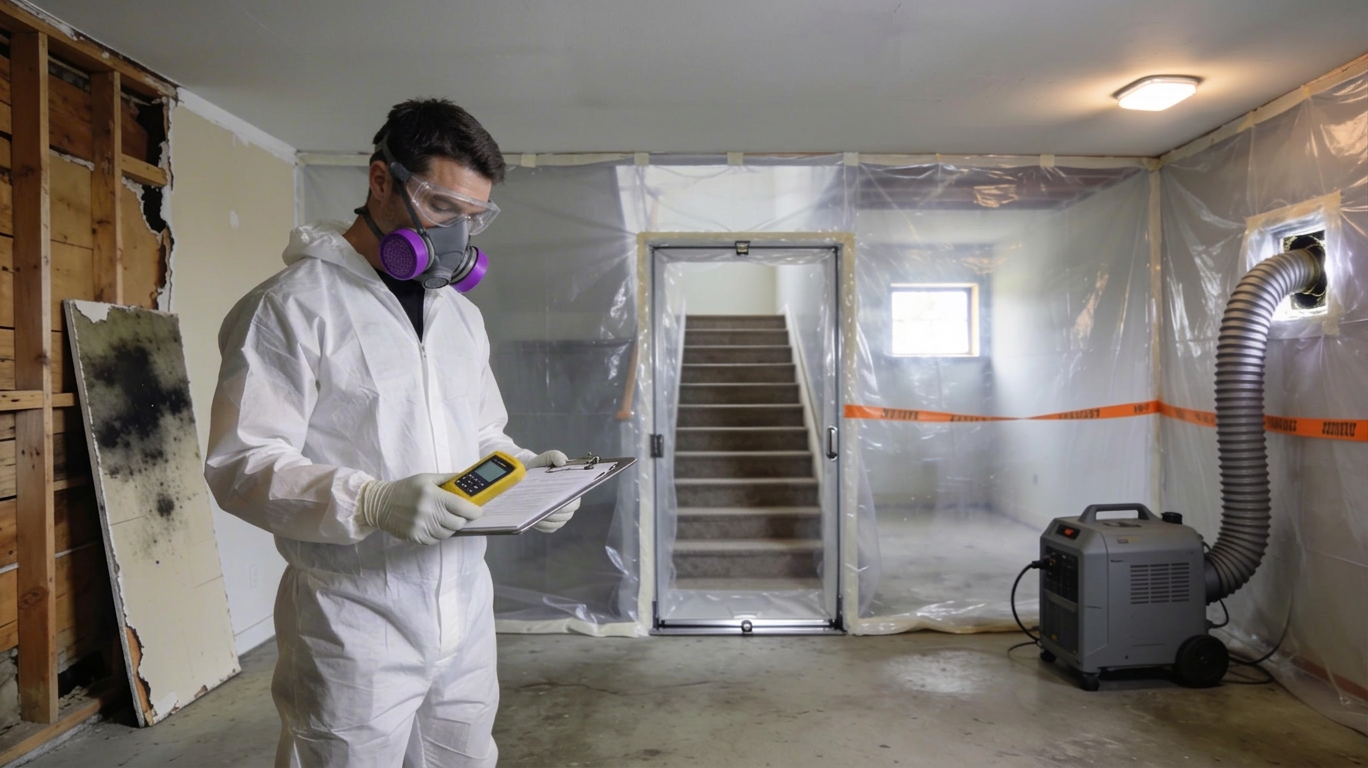
When mold shows up in a Michigan home or commercial building, the first instinct is often to “clean it up” and move on. A little bleach, a coat of paint, maybe a new piece of drywall, and the space looks better. The problem is that mold is not just a surface stain, and cleanup is not just about what you can see. When contaminated materials are cut, torn out, or aggressively scrubbed without proper planning, spores and dust can spread far beyond the original problem area and turn a local issue into a building-wide indoor air quality concern.
From the field, we see this pattern over and over. A basement mold job that started in one corner becomes a whole-floor odor problem after uncontained demolition. A ceiling leak in a commercial suite leads to complaints in the neighboring unit because debris and dust migrated through shared plenum space. For landlords and property managers, the stakes are even higher: an attempt at DIY mold removal can trigger repeat complaints, tenant distrust, and, in some cases, questions about environmental compliance for property owners.
This is why professional mold remediation is built around one core concept: containment. Containment is not just plastic on the walls. It is a disciplined approach to isolating the work zone, controlling airflow, managing dust, and protecting people and clean areas while contaminated materials are being removed. The goal is not only to get rid of visible growth, but to keep the rest of the building safe while you do it.
Below is a practical look at why professional containment matters, what it involves, and when Michigan property owners should insist on it.
Mold, Airborne Particles, and Indoor Air Quality
Mold affects indoor air quality because it produces spores and fragments that can become airborne when materials are disturbed. Once in the air, those particles can move with air currents, draft paths, and HVAC systems into other areas of the building. Even if the original mold was limited to a small water damage area, improper work can spread spores and dust into bedrooms, hallways, offices, or neighboring units.
Key points to keep in mind:
Mold spores are microscopic and can travel on air currents and dust.
Cutting out contaminated drywall, pulling up carpet, or scraping surfaces can release large numbers of spores at once.
Air moving from a “dirty” work zone to “clean” areas is what containment is designed to prevent.
For people with asthma, allergies, or other respiratory conditions, this matters. The CDC notes that exposure to mold can cause a stuffy nose, sore throat, coughing or wheezing, burning eyes, or skin rash, and may worsen asthma in people who are sensitive. https://www.cdc.gov/mold-health/about/index.html
In workplaces and multi-unit buildings, that can quickly show up as repeated complaints tied to specific areas or times of day.
What Professional Containment Is Designed to Do
In a well-run mold remediation process, containment has three main objectives:
Isolate the work area so spores and dust do not spread to occupied or clean spaces.
Protect workers and occupants by controlling airborne contaminants during demolition and cleaning.
Create predictable airflow and pressure conditions that support safe removal and effective cleanup.
Containment is not a one-size-fits-all setup. It is scaled to the size, location, and complexity of the project, whether that is basement mold after water damage in a single-family home or a multi-room build-out in an office building.
Core Components of Professional Containment
Physical Barriers
The most visible part of containment is the barrier system. This usually involves:
Polyethylene sheeting (plastic) to create walls around the work zone
Zipper doors or framed access points for entering and exiting
Sealing off vents, returns, and other openings so air and dust do not bypass the barrier
OSHA’s guidance on mold in the workplace emphasizes preventing the spread of dust and mold-contaminated materials into occupied spaces during cleanup. https://www.osha.gov/publications/shib101003
In a Michigan basement, for example, that might mean isolating one section of the basement from the rest and sealing off stairwells. In a commercial corridor, it might mean building a temporary wall system from floor to ceiling to separate the work from public or tenant areas.
Pressure and Airflow Control
The other half of containment is what you cannot see: pressure and airflow. Professional remediation often uses negative pressure within the work zone. That means:
Air is drawn out of the containment through HEPA-filtered machines (air scrubbers or negative air machines).
Makeup air enters from surrounding spaces through controlled openings, but air from the work area does not leak back out.
The concept is simple: if air is always flowing into the containment and exhausted through filters, spores and dust are less likely to escape into the building. This is especially important in:
Finished basements connected to main living areas
Office spaces with shared ceilings and plenums
Multi-family buildings where ducts and chases connect units
NIOSH’s dampness and mold tools emphasize assessing where mold odor, visible mold, and wet materials exist across rooms and then targeting remediation to those areas while preventing further spread. https://pmc.ncbi.nlm.nih.gov/articles/PMC10190119/
HEPA Filtration and Dust Management
High-Efficiency Particulate Air (HEPA) filtration is part of what makes containment effective. Professional mold remediation typically involves:
HEPA air scrubbers operating within or attached to containment
HEPA vacuums for cleaning surfaces and capturing fine dust on framing, subfloors, and other materials
CDC guidance notes that some people are at risk of significant health effects from mold exposure and should not take part in cleanup, particularly where large areas or contaminated water are involved. https://www.cdc.gov/mold-health/about/clean-up.html
HEPA filters are chosen because they capture very small particles, including many mold spores and fragments, that would pass through a standard vacuum filter.
Why DIY “Plastic and Fans” Often Backfires
From the outside, it can be tempting to think containment is just putting up plastic and running some fans. In practice, ad-hoc setups can do more harm than good when they are not designed around airflow and pressure.
Common problems with DIY containment include:
Positive pressure in the work area pushing air and dust out through gaps and into the rest of the building.
Fans blowing air toward open doorways and hallways, driving spores into occupied spaces.
Unsealed HVAC vents allowing contaminated air to circulate through the building system.
No clear “clean” and “dirty” pathways for workers, tools, and debris, so moldy dust gets tracked around.
The EPA and CDC both stress that the key to mold control is moisture control and proper cleanup procedures, and that larger, more complex problems are best handled by professionals who follow established guidelines. https://www.epa.gov/mold/mold-cleanup-your-home https://www.cdc.gov/mold-health/about/clean-up.html
That is a big reason why many industry standards and guidelines emphasize containment, HEPA filtration, and controlled work practices as non-negotiables, not optional upgrades.
When Containment Is Especially Important
Containment is generally recommended whenever you are removing mold-contaminated materials, but there are situations where it becomes critical rather than just best practice.
Larger or More Widespread Growth
When the affected area is larger than a small, isolated patch, or when multiple rooms are involved, the chances of spreading mold increase. Tearing out 20 feet of moldy basement wall or removing contaminated ceiling materials after a roof leak without containment can move a lot of dust and debris.
Work in Occupied Homes and Apartments
In homes and rental units, people are often living in the building while remediation is underway. Containment helps:
Keep living spaces functional and safer during the project.
Protect sensitive individuals (children, older adults, people with asthma or allergies).
Limit cross-contamination into bedrooms, kitchens, and other high-use spaces.
The CDC advises that people who are at higher risk for mold-related health problems should not be part of cleanup in significantly contaminated areas. https://www.cdc.gov/mold-health/about/clean-up.html
For landlords, this is also part of mold remediation for landlords as a risk management approach. A contained, documented process is easier to explain and defend than ad-hoc work if questions arise later.
Work in Commercial Buildings and Shared Spaces
In commercial buildings, offices, schools, and medical facilities, the stakes can be even higher. Shared HVAC systems, drop ceilings, and interconnected spaces mean that work in one area can quickly affect others if not contained. Professional containment helps:
Reduce the likelihood of building-wide odor or dust complaints.
Protect sensitive operations (for example, medical, lab, or data spaces).
Demonstrate a disciplined approach to environmental compliance property owners are expected to maintain.
After Significant Water Damage or Flooding
When mold follows a major water event—such as mold after flooding or extensive basement mold after water damage, there is usually a lot of material that needs to be removed. Containment helps manage the volume of debris and dust and keeps the rest of the structure cleaner while cut-outs and demolition occur.
How Containment Fits into a Complete Mold Remediation Process
Containment is one piece of a full mold remediation process. A well-run project typically includes:
Assessment and moisture investigation
Identify the source of moisture (leaks, seepage, humidity).
Map where materials are damp, not just where mold is visible.
Containment and protection of clean areas
Set up barriers, pressure control, and HEPA filtration.
Establish clear access routes and protect adjacent finishes.
Removal of contaminated materials
Cut out mold-damaged drywall, insulation, carpet pad, or other porous materials.
Bag and remove debris carefully to avoid spreading dust.
Cleaning and detailing of remaining surfaces
HEPA vacuuming of framing, subfloors, and other exposed surfaces.
Damp wiping and scrubbing where appropriate.
Drying and humidity control
Use dehumidifiers and airflow to bring materials back to acceptable moisture levels.
Address underlying issues such as drainage, ventilation, or plumbing defects.
Verification and documentation
Confirm that materials are dry and visible growth has been removed.
Document work scope, methods, and conditions at completion.
Containment makes steps 3 and 4 safer and more effective by controlling where spores and dust can travel during removal and cleaning.
Where Mold Containment Overlaps with Other Hazards
In older Michigan properties, mold remediation sometimes overlaps with other environmental concerns:
Asbestos
Older flooring, ceiling materials, or insulation disturbed during mold work may contain asbestos in homes or commercial buildings. In those cases, asbestos inspection and asbestos testing are often required before demolition proceeds, and asbestos abatement must follow its own containment and regulatory procedures.
EPA provides detailed asbestos information and regulatory links here: https://www.epa.gov/asbestos
Lead paint
In pre‑1978 buildings, cutting or sanding paint during mold-related demolition can create lead dust, adding peeling lead paint danger to the mix. Lead paint removal and lead paint abatement standards must be considered when mold work affects painted surfaces in older homes or mixed-use spaces.
EPA’s lead resources for homes are here: https://www.epa.gov/lead
Coordinating mold remediation with environmental remediation services for asbestos and lead is often the safest way to handle hazardous materials in homes and commercial buildings without creating new problems while you solve the first one.
When to Insist on Professional Containment
As a practical guideline, you should expect professional containment when:
Mold growth is more than a very small, isolated patch.
The work area is connected to occupied or sensitive spaces.
The building has shared ventilation or drop ceilings.
There is a history of water damage that extended beyond a single surface.
You manage rentals, multi-family units, or commercial properties and need documentation and consistency.
When you are evaluating mold removal or mold remediation Michigan services, good questions to ask include:
How will you isolate the work area from the rest of the building?
Will you use negative pressure and HEPA filtration, and how will that be set up?
How will you protect HVAC systems and prevent dust migration?
What documentation will you provide when the job is complete?
If the plan is just “spray and wipe” with no mention of containment or airflow, you are not hearing a full mold remediation process.
Moving Forward Safely
Mold problems rarely get better on their own, and quick fixes that ignore containment can spread contamination from one corner of a building to many. EPA and CDC both emphasize that controlling moisture and following proper cleanup procedures are essential, and that larger or more complex problems should be handled by qualified professionals.
Professional containment is what turns mold remediation from a cosmetic cleanup into a controlled environmental project that protects both people and property. If you are dealing with persistent mold smell in house areas, basement mold after water damage, visible growth in a commercial space, or repeat complaints in rental units, it is worth getting a professional opinion on the right way to handle it.
BDS Environmental helps Michigan homeowners, landlords, property managers, and investors plan and execute mold remediation with proper containment, drying, and verification, and can coordinate with asbestos and lead specialists when older materials are involved. If you suspect mold and want to be sure it is handled safely and correctly, contact BDS Environmental to discuss your situation and the best next steps for your building.