Asbestos in Ceiling Tiles, Insulation, and Flooring: Where It’s Commonly Found
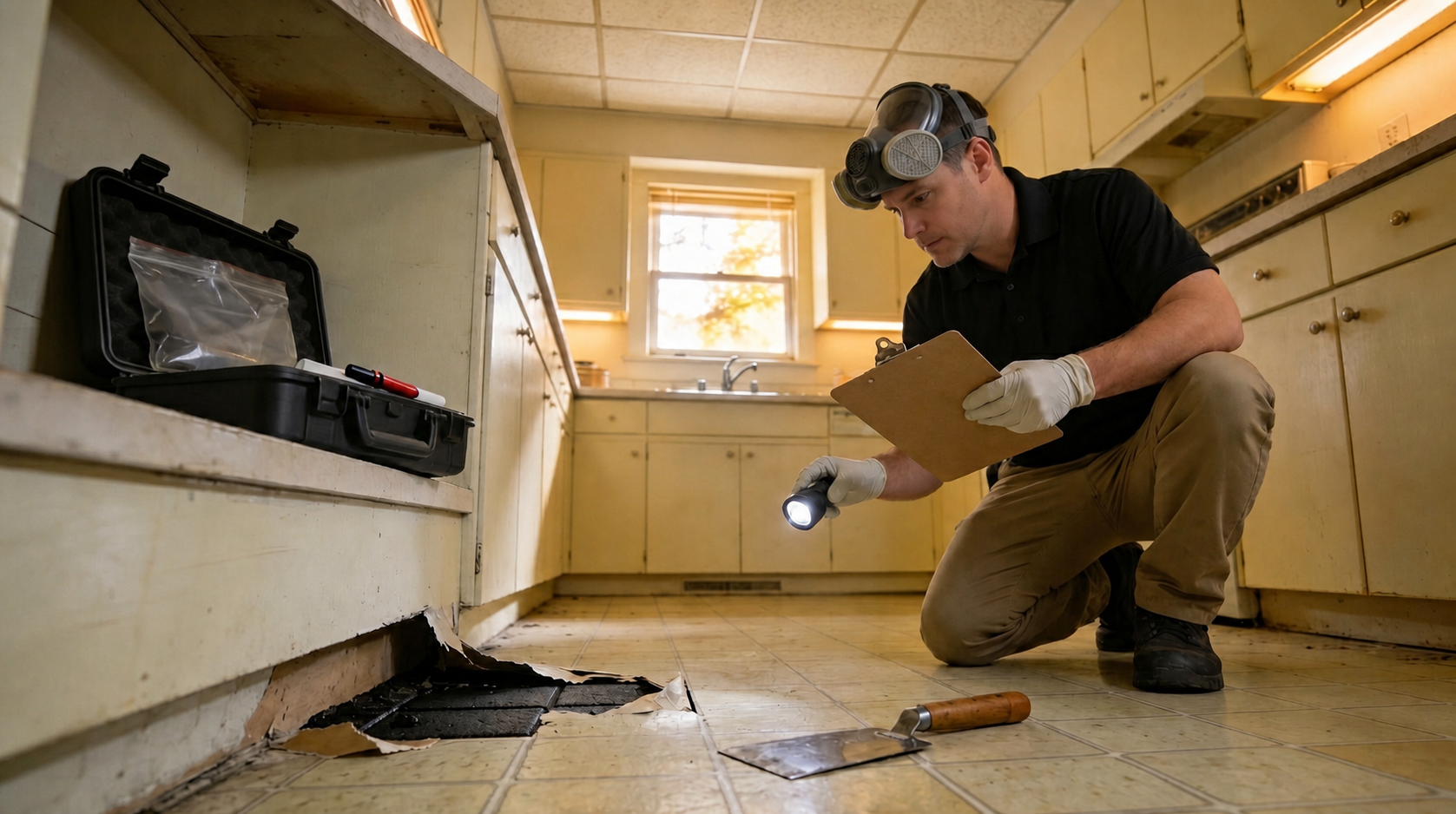
Asbestos in ceiling tiles, insulation, and flooring is one of the most common surprises Michigan property owners encounter when they start opening up older buildings for renovation or repair. These materials were widely used in residential and commercial construction because asbestos is strong, heat-resistant, and fireproof—properties that made it attractive for exactly the places you expect durability: above your head in ceiling systems, around boilers and pipes, and underfoot in basements, kitchens, and corridors. The problem is not just that these materials exist; it is what happens when they are cut, sanded, drilled, or demolished without controls. EPA's overview of asbestos explains that elevated concentrations of airborne asbestos can occur when asbestos-containing materials are disturbed by cutting, sanding, or other remodeling activities, and that improper attempts to remove these materials can increase indoor asbestos levels significantly.
https://www.epa.gov/asbestos/learn-about-asbestos
For homeowners, landlords, property managers, contractors, and investors working across Metro Detroit, Warren, and other Michigan communities, the challenge is that you cannot reliably identify asbestos just by looking at a material. Many asbestos-containing products look identical to products that contain no asbestos at all. Just as importantly, age alone is not a reliable safety boundary. Because some imported or foreign-manufactured building materials—including drywall, joint compound, flooring, and ceiling products from countries with less stringent asbestos regulations—may still contain asbestos today, the safest approach for any suspect material in any property is to treat it as potentially asbestos-containing until asbestos inspection and asbestos testing prove otherwise. Regardless of the year your property was built, that principle applies.
https://www.cancer.gov/about-cancer/causes-prevention/risk/substances/asbestos/asbestos-fact-sheet
Why Asbestos Was Used in Ceilings, Insulation, and Floors
Asbestos is a group of naturally occurring mineral fibers valued for strength, heat resistance, and chemical stability. For decades, manufacturers added it to building products to improve fire resistance, insulation performance, and durability. EPA lists ceiling tiles and panels, floor tiles, sheet flooring, mastics and adhesives, and pipe and duct insulation among common asbestos-containing building materials found in homes and commercial buildings.
https://www.epa.gov/asbestos/learn-about-asbestos
These properties made asbestos a practical choice for:
Acoustic ceiling tiles and sprayed-on ceiling textures in offices, schools, and finished residential spaces
Pipe, boiler, and duct insulation in mechanical rooms and utility areas
Vinyl and asphalt floor tiles, sheet flooring, and the adhesives that bond them to concrete or wood subfloors
Some drywall joint compounds and textured wall finishes
Because these materials were used in so many building applications, asbestos in homes and commercial buildings can show up in multiple locations simultaneously, sometimes requiring coordinated asbestos abatement across several building systems in a single renovation.
Asbestos in Ceiling Tiles and Sprayed Ceilings
Where Ceiling Asbestos Shows Up
In older Michigan properties, asbestos-containing ceiling materials are common in:
Suspended drop ceiling systems with acoustic tiles in offices, schools, corridors, basements, and institutional buildings
Square, fiber-based acoustic tiles fastened or glued directly to ceilings in residential rec rooms, apartments, and hallways
Sprayed-on "popcorn" or textured ceiling coatings applied for acoustic purposes in homes and multifamily properties
These products were popular because they were lightweight, sound-absorbing, and offered improved fire resistance. Many commercial buildings used asbestos-containing acoustical tiles extensively through the late 20th century, and residential basements and finished lower levels often received similar products.
Why You Cannot Rely on Visual Identification
From the field, asbestos and non-asbestos ceiling tiles and coatings can look nearly identical. Texture, pattern, and color provide no reliable way to know whether a material contains asbestos. State health agencies and national environmental organizations consistently confirm that the only way to determine whether a ceiling tile or sprayed texture contains asbestos is through sampling and accredited lab analysis. Disturbing tiles or scraping texture to "get a closer look" can actually increase airborne fibers if those materials are positive.
The Minnesota Department of Health's product guidance on asbestos-containing materials notes that ceiling materials and tiles are among the most commonly found asbestos products in building surveys.
https://www.health.state.mn.us/communities/environment/asbestos/products.html
For any ceiling system in a property you plan to disturb—removing a drop ceiling, scraping textured coatings, cutting for new lighting or ductwork—treat it as suspect and schedule asbestos inspection before work begins.
Asbestos in Insulation: Pipes, Boilers, and Attics
Mechanical Room and Pipe Insulation
Mechanical rooms and utility areas are classic locations for asbestos-containing insulation in older Michigan homes and commercial buildings. Common materials include:
White or gray pipe wrap ("lagging") on steam and hot water lines
Pre-formed block or blanket insulation on boilers and large mechanical equipment
Duct wrap on older heating and cooling system components
Some high-temperature gaskets, packing, and joint materials around valves and flanges
ATSDR (part of the CDC) notes that asbestos-containing pipe and boiler insulation can release fibers into indoor air when damaged or disturbed, and that fibers can remain suspended for extended periods before settling.
https://archive.cdc.gov/www_atsdr_cdc_gov/csem/asbestos/where_is_asbestos_found.html
When this insulation is intact and undisturbed, it may not pose an immediate risk. The concern comes during mechanical upgrades, plumbing repairs, or any project that requires cutting, scraping, or removing it.
Vermiculite and Loose-Fill Insulation
In some older properties, especially those insulated during the mid-20th century, you may find loose-fill vermiculite in attics or wall cavities. EPA has documented that a significant portion of the vermiculite used historically in the U.S. came from a mine that was contaminated with asbestos and recommends that owners assume vermiculite insulation may contain asbestos and avoid disturbing it until professional testing is completed.
https://www.epa.gov/asbestos/protect-your-family-exposures-asbestos
For Michigan properties where attic work, air-sealing, new can lights, or structural changes are planned, vermiculite insulation is a strong reason to include asbestos testing in your pre-construction process.
Asbestos in Flooring: Tiles, Sheet Goods, and Adhesives
Vinyl and Asphalt Floor Tiles
Resilient flooring is one of the most widespread residential asbestos materials in older Michigan homes and commercial spaces. EPA's waste and debris guidance lists asphalt floor tiles, vinyl floor tiles, and vinyl sheet flooring as common asbestos-containing building materials.
https://iwaste.epa.gov/guidance/natural-disaster/fact-sheets/types-of-waste?id=asbestos-containing-materials
Situations where you are likely to encounter asbestos-containing flooring include:
Older vinyl or asphalt floor tiles in basements, kitchens, and building corridors
Vinyl sheet flooring in bathrooms, kitchens, and utility rooms with older backing layers
Multi-layer flooring systems in renovated spaces where original flooring was covered rather than removed
In many Michigan investment properties, especially smaller homes and apartments that have been updated over the years, original asbestos-containing floor tiles sit under laminate, carpet, or newer vinyl, waiting to be discovered during the next renovation or damage repair.
Adhesives and Mastics
Even when surface flooring has been replaced or removed, the adhesive underneath can still contain asbestos. The black or tan "cutback" mastic used historically to bond floor tiles and sheet goods to concrete or wood subfloors frequently contained asbestos. Grinding, sanding, or aggressively scraping this adhesive during DIY renovation is one of the most common ways asbestos fibers get released into basements and living spaces without warning.
EPA advises against sanding or dry scraping suspect resilient flooring or its adhesive backing and recommends either leaving intact materials in place under new flooring or using qualified professionals for removal.
https://www.epa.gov/asbestos/protect-your-family-exposures-asbestos
Asbestos Health Risks: Why This Matters
The primary asbestos health risks come from inhaling microscopic fibers that are released when asbestos-containing materials are damaged or disturbed. Those fibers can lodge in lung tissue and the lining of the chest and abdomen. NIH's National Cancer Institute confirms that asbestos exposure is associated with lung cancer, malignant mesothelioma, and asbestosis, and that risk increases with the amount and duration of exposure.
https://www.cancer.gov/about-cancer/causes-prevention/risk/substances/asbestos/asbestos-fact-sheet
These diseases often develop years or decades after exposure, which means even a short but intense disturbance of asbestos-containing materials during unprotected renovation can be consequential over time. For Michigan property owners and contractors who work on multiple older buildings over a career, repeated small exposures can add up in ways that are not apparent for many years.
How to Approach Suspect Materials Safely
Assume First, Confirm with Testing
The fundamental rule for managing asbestos in older buildings is: assume suspect materials may contain asbestos until testing proves otherwise. This applies regardless of the year your property was built. Because some imported or foreign-manufactured building materials—including drywall, joint compound, flooring, ceiling tiles, and mastics produced in countries without strong asbestos regulations—can still contain asbestos today, age is not a reliable indicator. Material that looks modern or was recently installed could still be a risk if it was manufactured with inadequate controls.
EPA and state agencies consistently recommend that building material samples be collected by trained professionals using safe methods and sent to accredited laboratories for analysis before any potentially suspect materials are disturbed.
Build Asbestos Inspection into Pre-Renovation Planning
For Michigan property owners planning renovation, demolition, or major mechanical work, asbestos inspection and asbestos testing should be part of the scope before work begins. That is particularly important when:
Removing or altering ceiling tiles, drop ceiling systems, or textured coatings
Replacing, sanding, or resurfacing older flooring or working near original flooring layers
Upgrading or removing boilers, piping, or older mechanical systems with original insulation
Opening walls or ceilings in areas with unknown building material history
Planning asbestos inspection upfront lets you integrate asbestos abatement into your project schedule and budget before work starts, rather than discovering it mid-demo when it is most disruptive and expensive.
Use Licensed Asbestos Abatement for Confirmed Materials
When asbestos is found, removal is a regulated hazardous material removal process, not just "demo work with masks." Licensed asbestos abatement contractors follow procedures that include:
Building proper containment with plastic sheeting and negative air pressure
Using wet methods to suppress fiber release
Employing HEPA filtration throughout the work area
Packaging, labeling, and transporting waste to approved disposal facilities
Providing documentation of the completed work for your records
These requirements protect workers, occupants, and neighboring spaces, and they generate the documentation that matters when you sell, refinance, or lease the property later.
How Asbestos Overlaps with Mold and Lead in Older Michigan Properties
In older Michigan housing and commercial stock, asbestos rarely appears alone. It frequently overlaps with:
Mold – Water damage mold risk, basement mold after water damage, or mold after flooding can affect the same floor tiles, ceiling systems, and drywall that may contain asbestos. Mold remediation that involves cutting into these materials must account for asbestos before demolition proceeds.
Lead paint – In homes and small commercial buildings where lead-based paint may be present, renovations involving asbestos-containing materials and lead-painted surfaces create overlapping hazards. Disturbing both without controls can simultaneously release lead dust and asbestos fibers.
Coordinating environmental remediation services—mold remediation, lead paint abatement, and asbestos removal—under one integrated plan is often the safest and most efficient approach for larger or more complex Michigan renovation projects.
What Michigan Property Owners Should Do Next
If you own or manage property in Michigan and are planning renovation, demolition, or major repairs in areas with suspect ceiling tiles, insulation, or flooring, ask yourself:
Has this property ever been surveyed for asbestos-containing building materials?
Are there older tiles, textured ceilings, pipe insulation, or flooring layers in the work area?
Are any imported or foreign-sourced materials involved that may not have been manufactured under strong asbestos controls?
If the honest answer is "I'm not sure," asbestos inspection by a qualified professional is a practical and relatively low-cost first step. It tells you where asbestos is present, what can be safely encapsulated or left alone, and where asbestos abatement needs to be part of the renovation plan.
BDS Environmental helps Michigan homeowners, landlords, property managers, contractors, and investors identify asbestos in ceiling tiles, insulation, flooring, and other building materials, and plan safe, compliant asbestos removal when it is needed. If you suspect asbestos may be present in your property or are preparing to work on suspect materials and want clear answers before you begin, contact BDS Environmental to discuss your project and the safest way to move forward.