Indoor Air Quality Problems Caused by Hidden Environmental Hazards
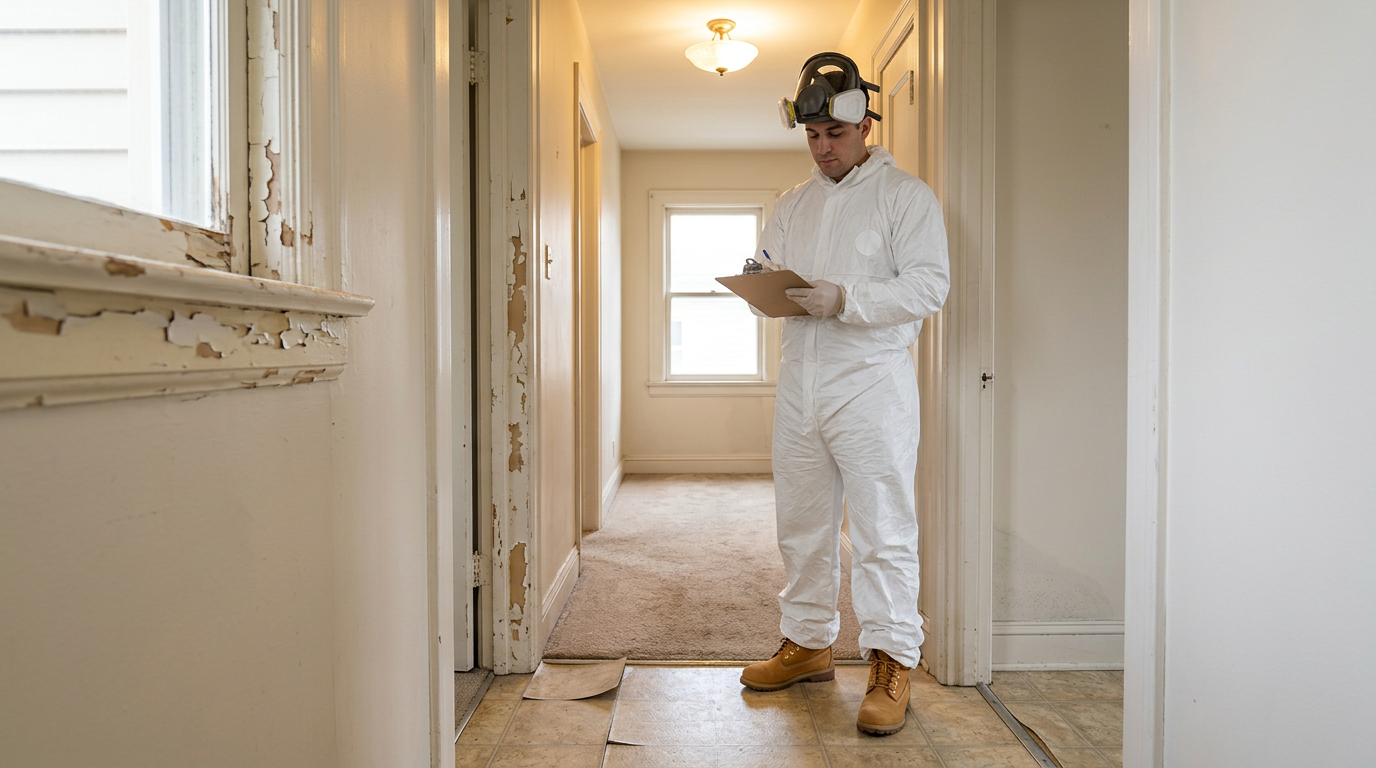
Indoor air quality problems in Michigan homes and buildings are often blamed on “stale air” or seasonal allergies, but in many cases the real drivers are hidden environmental hazards in the structure itself. Lead dust from aging paint, asbestos fibers from disturbed building materials, and mold growth in damp areas can all quietly change what people are breathing long before there is obvious visible damage. EPA notes that typical indoor pollutants of concern include biological agents such as mold, and contaminants like lead and asbestos from building materials and finishes.
For homeowners, landlords, property managers, and investors in Metro Detroit, Warren, and other Michigan communities, this is more than a comfort issue. Indoor air quality hazards tied to mold, lead, and asbestos can affect health, drive tenant complaints, and create regulatory and liability questions if they are not identified and managed. CDC and NIEHS both highlight that dampness and mold are consistently associated with respiratory symptoms and asthma, while inhaled asbestos fibers and lead-contaminated dust are linked to serious long-term health risks. Understanding how these hidden hazards affect indoor air—and how to find and address them—is now a core part of environmental safety in older homes and buildings.
How Hidden Hazards Affect Indoor Air
Mold and Moisture
Mold is one of the most common hidden contributors to poor indoor air quality. It grows where moisture, a food source, and time come together—behind finished walls, under flooring, on the back of drywall, in basements after water intrusion, or above ceiling tiles. CDC explains that exposure to mold can cause nasal stuffiness, throat irritation, coughing or wheezing, eye irritation, and skin irritation, and that mold exposure can trigger asthma symptoms in people with asthma. NIEHS notes that living or working in damp, moldy buildings is associated with increased respiratory symptoms, asthma, and even respiratory infections.
For Michigan properties, that often looks like basement mold after water damage, mold after flooding, or chronic mold smell in house areas, especially lower levels and bathrooms. These conditions send spores and fragments into the air, which can be drawn into HVAC systems and distributed through the building.
Lead Dust from Old Paint
Lead-based paint in older homes and small commercial buildings becomes an indoor air and dust problem when it deteriorates or is disturbed. EPA notes that deteriorated lead-based paint and the contaminated dust it creates on floors and other surfaces are primary sources of lead exposure in homes. Fine lead dust from peeling trim, friction surfaces (like windows and doors), and renovation can stay suspended briefly and then settle where children and adults can ingest or inhale it.
EPA has tightened its view of lead dust hazards, moving toward treating any reportable level of lead dust on floors and window sills as a hazard in homes and child-occupied spaces. That underscores how even small, ongoing dust sources—such as chipping window sills or repeated sanding during repainting—can be significant for indoor air quality over time.
Asbestos-Containing Materials
Asbestos was used in many building materials because it is strong and heat-resistant. EPA’s indoor air quality overview notes that building materials can be sources of indoor pollutants, including asbestos fibers released from degrading insulation and other asbestos-containing materials. EPA’s asbestos indoor air page explains that elevated concentrations of airborne asbestos can occur when asbestos-containing materials are disturbed by cutting, sanding, or other remodeling activities, and that improper attempts to remove these materials can increase indoor asbestos levels.
Major health agencies agree that inhaling asbestos fibers can cause asbestosis, lung cancer, and mesothelioma, often many years after exposure. Asbestos in homes is often found in flooring and mastics, some ceiling tiles and textures, drywall joint compound, and certain insulation products. Regardless of the year your property was built, the safest approach is to treat suspect materials—especially drywall and joint compound, flooring and mastics, ceiling tiles and textures, and imported building products—as potentially asbestos‑containing until asbestos inspection and asbestos testing prove otherwise. Because some imported or foreign‑manufactured building materials may still contain asbestos today, age alone is not a reliable way to rule asbestos out.
Common Indoor Air Quality Problems Tied to Hidden Hazards
Musty Odors and Building-Related Symptoms
A persistent musty odor in specific rooms, stairwells, or basements is often an early warning sign of hidden dampness and mold. CDC and NIOSH emphasize that mold growth indicates a moisture problem that must be corrected, and that dampness should be investigated even when mold is not immediately visible. Occupants may report:
Stuffy or “heavy” air in certain areas
Nasal congestion, coughing, or eye irritation that worsens indoors and improves outdoors
More frequent asthma flare-ups when spending time in particular rooms
NIEHS highlights that such building-related symptoms in multiple occupants can reflect indoor mold and microbial pollution rather than individual allergies alone.
Dust and Irritation After Renovation
Renovation and demolition are common triggers for indoor air issues tied to lead and asbestos. EPA’s indoor air quality guidance notes that building materials are potential sources of pollutants when they degrade or are disturbed, including asbestos fibers from insulation and lead dust from old paint. If older surfaces are sanded, ground, or demolished without proper containment and filtration, occupants may notice:
Persistent fine dust on surfaces long after work is “finished”
Throat or eye irritation when HVAC systems run after renovation
Worsening symptoms in children spending time near renovated areas
Lead dust generated during building repair without adequate dust control has been directly linked to elevated lead levels on floors and window sills in homes, schools, and childcare settings. For Michigan property owners, that means indoor air quality hazards can increase sharply if lead-safe and asbestos-safe work practices are not built into renovation planning.
Changes in Airflow and Pressure
Changes to HVAC systems, new construction, or poorly executed air sealing can alter how air moves through a building, sometimes pulling contaminants from basements, crawlspaces, wall cavities, or attics into occupied spaces. EPA notes that both building materials and biological agents such as mold can contribute to indoor particulate matter, and that pressure differences can transport pollutants throughout a building. In practice, that might look like:
Basement mold odors appearing on upper floors after new HVAC equipment is installed
Dust from old ceiling tiles or insulation entering occupied areas after ceiling work
Outdoor contaminants drawn in through new penetrations or unsealed chases
Why Moisture and Materials Are Core Drivers
Moisture: The Engine Behind Mold and Some Odors
Moisture is central to mold growth and many indoor air quality issues. CDC and NIEHS both emphasize that mold only grows where there is moisture and that mold growth is a sign of an underlying water problem—roof leaks, foundation seepage, plumbing leaks, or condensation—that must be addressed. Simply cleaning visible mold without fixing moisture is a temporary cosmetic fix; damp conditions will continue to degrade materials and feed microbial growth.
For Michigan properties, this often involves:
Basements with ongoing seepage or poor drainage
Bathrooms and laundry areas without adequate ventilation
Roof and window leaks in older housing stock and small commercial buildings
Materials: Lead and Asbestos in the Building Fabric
EPA’s indoor air quality report underscores that building materials can be sources of pollutants, whether from degrading asbestos-containing products or from contaminants like lead in older finishes. Lead-based paint, when peeling or disturbed, creates fine dust that is easily inhaled or ingested. Asbestos-containing materials, when cut, sanded, or broken, can release fibers that remain suspended in air for long periods and travel significant distances indoors.
Because some imported drywall, joint compound, ceiling tiles, and flooring products may still contain asbestos, the safest policy for environmental safety in older homes and buildings is to test suspect materials rather than relying on assumptions based on age or appearance alone.
When and How to Investigate Indoor Air Quality Hazards
Visual Inspection and Moisture Assessment for Mold
For mold and dampness, CDC and NIOSH recommend starting with visual inspection and moisture assessment rather than routine air sampling, which has important limitations. Practical steps include:
Inspecting basements, crawlspaces, and attic spaces for visible mold, staining, and damp materials
Checking around windows, in bathrooms, and under sinks for recurring water damage
Using moisture meters or professional assessments when there is a history of leaks or flooding
CDC notes that there are no health-based standards for mold in indoor air and that short-term air sample results do not directly translate into health risk. For most building evaluations, identifying and correcting visible mold and dampness is more useful than trying to interpret spore counts.
Targeted Testing for Lead and Asbestos
For lead and asbestos, testing is essential before disturbing suspect materials:
Lead – Lead inspections and risk assessments identify where lead-based paint exists and where lead hazards are present in dust and soil, supporting targeted lead paint removal or lead paint abatement strategies. EPA provides guidance on these evaluations and how they fit into controlling hazards.
Asbestos – Building materials such as older flooring, mastics, certain ceiling systems, drywall joint compound, and insulation should be sampled by qualified professionals when they are likely to be disturbed. EPA explains that elevated airborne asbestos can occur after asbestos-containing materials are disturbed by remodeling activities and stresses that improper removal can increase exposure.
Because some imported products still contain asbestos, and because lead dust can be generated even from older coatings that look intact, environmental testing for property managers and owners is often a better strategy than relying on visual inspection alone.
Coordinating Environmental Remediation Services
Indoor air quality problems linked to hidden hazards seldom involve just one issue. In older Michigan homes and commercial buildings, environmental remediation services often need to address:
Mold remediation in basements, attics, bathrooms, or after flooding events
Lead paint removal or stabilization where peeling lead paint danger and lead dust are present
Asbestos abatement for flooring, ceiling materials, joint compounds, and insulation that will be disturbed during renovation or demolition
EPA’s asbestos NESHAP overview explains that asbestos demolition requirements are designed to minimize fiber release during handling and removal, underscoring that asbestos abatement is a regulated hazardous material removal activity, not just “dusty demo.” Similarly, evolving EPA standards for lead dust hazards and clearance stress the importance of achieving very low post-cleanup dust levels to protect occupants.
By coordinating mold removal, lead paint abatement, and asbestos abatement under one plan, Michigan property owners can:
Reduce duplication of containment setups and HEPA filtration
Limit disruption to occupants and operations
Ensure indoor air quality hazards are addressed holistically, not one at a time
Why Testing and Planning Matter Before Investment or Renovation
For investors and property managers, indoor air quality hazards tied to hidden contaminants are both a health issue and a financial risk. EPA’s indoor air quality report notes that contaminants from building materials, biological agents like mold, and pollutants such as lead and asbestos all contribute to indoor air quality concerns. Addressing them early helps you:
Avoid surprise costs when asbestos in homes or lead hazards are discovered mid-project
Protect tenants and staff from mold health risks and other exposures that can lead to complaints or claims
Demonstrate environmental compliance as property owners to lenders, insurers, and regulators
In practical terms, that means incorporating environmental testing into due diligence and renovation planning: visual and moisture assessments for mold, lead inspections or risk assessments where lead-based paint may be present, and asbestos inspection and testing for suspect building materials regardless of construction date or apparent age.
Taking the Next Step with BDS Environmental
Indoor air quality problems caused by hidden environmental hazards are manageable when you know what you are dealing with and plan accordingly. Mold, lead, and asbestos each affect indoor air in different ways, but they share a common theme: they are easiest and least expensive to address when they are identified early and handled with a clear, professional strategy.
If you suspect hidden environmental hazards may be affecting indoor air quality in your Michigan property—whether you are noticing a mold smell in house areas, seeing peeling paint, planning renovation that will disturb older materials, or getting complaints in a commercial building—BDS Environmental can help. The team works with homeowners, landlords, property managers, contractors, and investors to identify hazardous materials in homes and commercial buildings, evaluate indoor air quality hazards, and design practical remediation plans that protect both occupants and investments. If you want clarity about what might be in your building’s air and how to handle it safely, contact BDS Environmental to discuss your situation and the most appropriate next steps.