
Hidden Environmental Hazards in Older Homes and Buildings
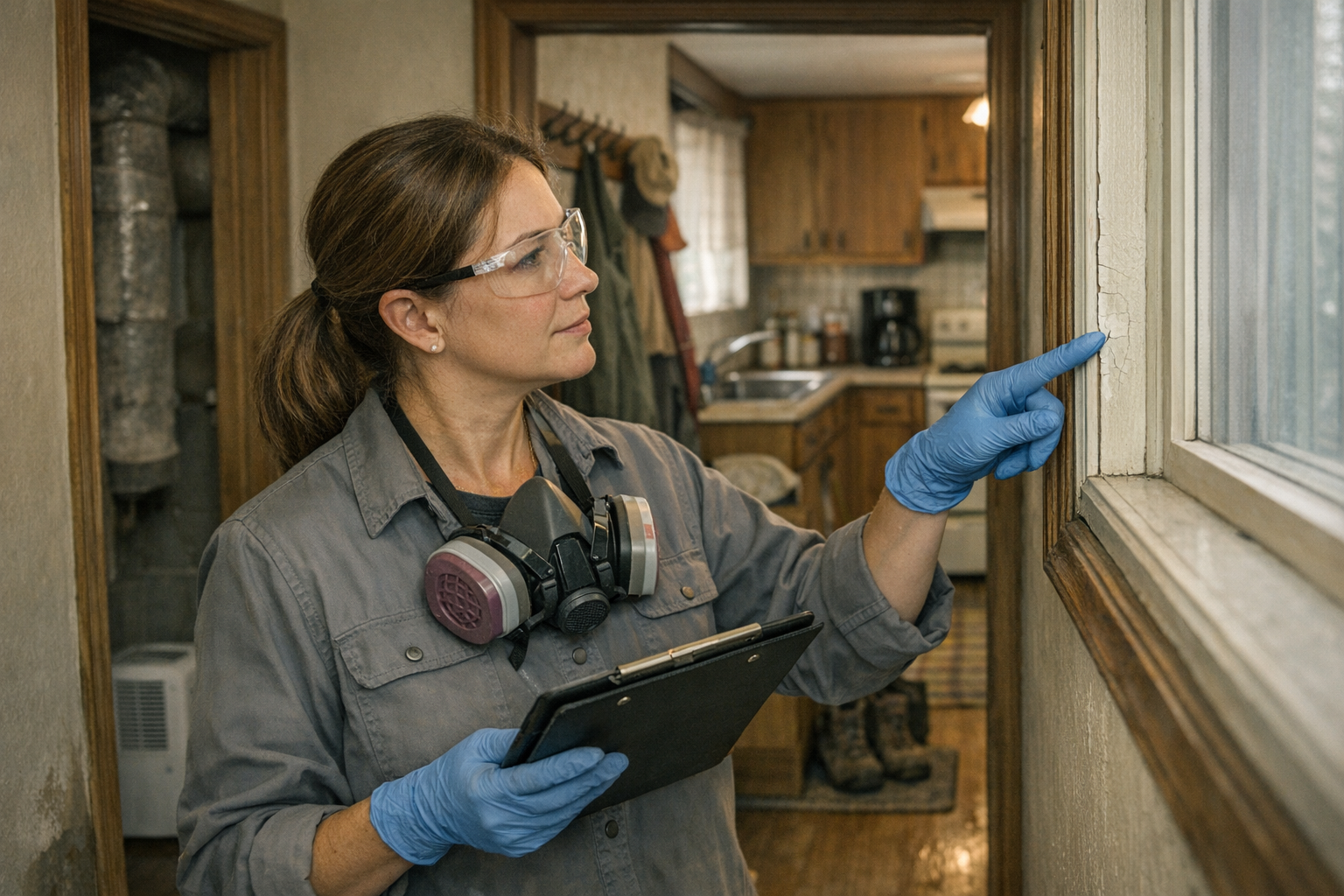
Michigan has no shortage of older homes and commercial buildings. That older construction is part of the character of places like Metro Detroit, Warren, and many downriver and lakeshore communities. It also comes with a reality that surprises a lot of owners, investors, and even contractors: older buildings can hide environmental hazards that are easy to miss until a renovation, water event, or tenant complaint forces the issue.
The good news is that these hazards are manageable when you know what to look for and when you take the right steps before disturbing materials. The risks usually increase when a project creates dust, removes building components, or leaves moisture untreated.
Below is a field-practical guide to the most common hidden environmental hazards in older homes and buildings, how they show up in Michigan properties, and what to do if you suspect a problem.
Why Older Buildings Create “Hidden Hazard” Situations
Most environmental issues in buildings come down to two triggers:
Disturbance, especially renovation, repair, sanding, cutting, and demolition
Moisture, especially leaks, seepage, flooding, and high humidity
When hazards are hidden behind walls, under floors, or above ceilings, they may not cause obvious day-to-day problems. Then a remodel starts, a basement floods, or a landlord does turnover work, and dust or moisture turns a contained issue into an exposure issue.
The EPA’s guidance on mold makes the larger point well: moisture control is the key. If wet materials are dried within 24 to 48 hours, mold often will not grow. If moisture persists, problems develop.
That same cause-and-effect logic applies to other hazards too. The moment you disturb certain older materials, you can create contamination that did not exist in the same way before.
Hazard 1: Lead Paint in Older Homes and Rentals
Where it hides
In homes built before 1978, lead-based paint may be present on:
Windows, sills, and window trim
Doors and frames
Baseboards, stair rails, and interior trim
Exterior siding, porches, and soffits
Windows are a major hotspot because opening and closing can grind paint on friction surfaces into fine dust.
Why it matters
Lead exposure is especially dangerous for children. The CDC notes lead exposure can damage a child’s brain and nervous system, slow growth and development, and contribute to learning and behavior problems.
For property owners, the risk is often not the paint you can see. It is the dust created during turnover work, prep work, and renovation. This is why lead paint removal and lead paint abatement need to be treated as safety procedures, not standard paint prep.
Common “hidden” lead risk scenarios
Dry sanding trim or doors during a repaint
Replacing windows without lead-safe containment
Cutting into old painted plaster or trim for electrical or HVAC updates
Paint failure caused by moisture, then dust tracked through the unit
If you manage rentals, lead paint laws Michigan landlords deal with are closely tied to safe work practices and proper disclosure. Even for homeowners, the practical takeaway is the same: test and plan before you disturb paint in pre-1978 properties.
Hazard 2: Asbestos in Homes and Commercial Buildings
Where it hides
Asbestos was used heavily in older construction because it resists heat and wear. In Michigan properties, asbestos-containing materials often show up in:
Pipe insulation and boiler wrap
Duct insulation and HVAC components
Older floor tile and mastic
Certain ceiling tiles and wall textures
Fireproofing materials in commercial structures
A key point is that asbestos is not something you can confirm by appearance alone. “What does asbestos look like” is a common question, but asbestos fibers are microscopic. Confirmation requires asbestos testing.
Why it matters
Asbestos health risks are tied to inhaling airborne fibers. The biggest risk is created when materials are cut, sanded, drilled, or removed improperly.
From a compliance perspective, Michigan regulates demolition and renovation activities related to asbestos through EGLE’s asbestos program, including notifications and oversight of asbestos removal and demolition projects.
EGLE also emphasizes that demolition activities across the state are regulated, with renovation and demolition notifications being a core part of compliance and oversight.
Common “hidden” asbestos risk scenarios
Basement mechanical work where pipe wrap is present
Replacing flooring without testing older layers
Opening ceilings in commercial spaces with older insulation or fireproofing
Renovations performed under time pressure without a pre-work asbestos inspection
If you are searching for asbestos removal near me, asbestos removal Michigan, or asbestos removal Warren MI, a critical question is whether the process starts with a proper asbestos inspection and asbestos testing plan before any disturbance occurs.
Hazard 3: Mold and Moisture Problems Behind Finished Surfaces
Where it hides
Mold is rarely a “surface-only” issue in Michigan. It commonly hides:
Behind drywall in finished basements
Under laminate, carpet padding, or vinyl flooring after a leak
Inside wall cavities around bathrooms and kitchens
Around rim joists and sill plates in basements
Above drop ceilings in commercial buildings near roof leaks
Why it matters
Mold problems are often tied to moisture that was never fully corrected. The EPA guidance is consistent: dry wet areas quickly and fix the water problem. The same guidance highlights the importance of drying water-damaged materials within 24 to 48 hours to prevent growth.
Mold health risks vary by individual, but the CDC notes mold exposure can cause symptoms like stuffy nose, sore throat, coughing or wheezing, burning eyes, or skin rash, and can worsen asthma for sensitive individuals.
Common “hidden” mold risk scenarios
Basement mold after water damage when drywall was never opened to dry cavities
Mold after flooding when materials stayed damp behind baseboards
Bathrooms with chronic humidity and weak ventilation
Commercial roof leaks that wet ceiling cavities and insulation
A persistent mold smell in house areas that returns even after cleaning
This is where the difference between mold removal and mold remediation matters. Wiping visible growth does not solve the moisture pathway that keeps feeding recurrence. A professional mold remediation process should be built around moisture mapping, containment where needed, proper cleaning, and verification that materials are dry.
For landlords and property managers, mold remediation for landlords is often about preventing repeat tenant complaints and protecting documentation and liability, not just cleaning a spot.
Hazard 4: Cross-Contamination During Renovation and Turnover Work
Many “hidden hazards” become active hazards because of the way work is performed.
Why this happens
Older homes and buildings often have:
Layered materials with unknown composition
Aging paint systems that generate dust
Moisture pathways that change seasonally
Older HVAC systems that move air between spaces
When renovations begin, dust and debris move. If containment, HEPA filtration, and safe cleanup are not used, hazards can spread far beyond the work area.
Common high-risk activities
Dry sanding painted trim in pre-1978 homes
Removing old flooring without checking what is underneath
Cutting into old insulation or duct wrap
Demolition of plaster and lath in older structures
Rushing cleanup with a standard vacuum instead of HEPA methods
If you are planning work in older properties, think in terms of environmental safety in older homes. Build a process that assumes materials may be hazardous until tested, rather than reacting after dust spreads.
Hazard 5: Indoor Air Quality Hazards That Look Like “Normal Old House Problems”
A lot of owners normalize issues that are actually signals:
Musty odors that come back seasonally
Condensation on windows and cold surfaces
Paint bubbling at corners or near bathrooms
Chronic dampness in basements
Recurring respiratory irritation that improves when occupants are away
These can be early signs of moisture and ventilation problems that lead to mold. They can also coincide with older paint or older building materials that should be handled carefully during repairs.
In commercial settings, indoor air quality hazards can show up as repeated occupant complaints, recurring odors, and uneven humidity zones. In those cases, environmental testing for property managers can help document conditions and guide corrective action.
How to Handle Older-Building Hazards the Right Way
If you want a practical approach that protects occupants and protects the project schedule, focus on three steps.
Step 1: Identify risk based on building age and scope
Pre-1978: higher likelihood of lead paint in older homes
Pre-1980: higher likelihood of asbestos in homes and older commercial materials
Any water event: elevated water damage mold risk
Step 2: Test before you disturb
Depending on what you are planning, this may include:
Lead paint testing where paint will be disturbed
Asbestos inspection and asbestos testing for suspect materials
Mold inspection and moisture mapping if odors or dampness exist
Step 3: Use qualified controls and documentation
Containment and dust control during work
HEPA filtration and HEPA vacuuming where required
Proper disposal methods for hazardous material removal
Documentation for environmental compliance property owners may need
This is where environmental remediation services become valuable, especially when projects involve multiple hazards. A single older home renovation can involve lead paint removal, asbestos abatement, and mold remediation in different areas of the building.
Special Note for Michigan Investors and Landlords
Older housing stock is common across Southeast Michigan, and rental turnover tends to create repeated disturbance of painted trim, windows, and flooring.
A smart risk management approach includes:
Screening older units for lead hazards and paint failure before turnover
Avoiding dry sanding and uncontrolled demo in pre-1978 rentals
Coordinating asbestos inspection before larger renovation scopes
Addressing moisture issues at the building envelope level to prevent recurring mold
If you are managing properties in Warren or nearby communities, it is also common to need vendor support for lead paint abatement or mold remediation, depending on the age and condition of the portfolio.
Bottom Line
Hidden environmental hazards are not rare in older Michigan homes and buildings. The most common ones are:
Lead paint in older homes that becomes dangerous when it deteriorates or is disturbed
Asbestos-containing materials that become hazardous when cut or removed improperly
Mold driven by moisture problems that were never fully corrected
The safest path is not guesswork. It is identification, controlled work practices, and verified cleanup. That protects people, protects budgets, and keeps projects from turning into preventable setbacks.
Contact BDS Environmental
If you suspect hazardous materials in homes or older commercial buildings, or you are planning renovation work and want to avoid surprises, it is worth getting a professional assessment before you disturb materials.
BDS Environmental supports homeowners, property managers, contractors, and investors throughout Michigan with asbestos inspection and asbestos testing coordination, mold inspection and mold remediation planning, and guidance related to lead paint removal and lead paint abatement when conditions warrant. If you are dealing with a persistent mold smell in house areas, a pre-renovation risk question, or compliance concerns tied to older properties, contact BDS Environmental to schedule an evaluation and get a clear plan for handling the issue safely.
