
BLOG
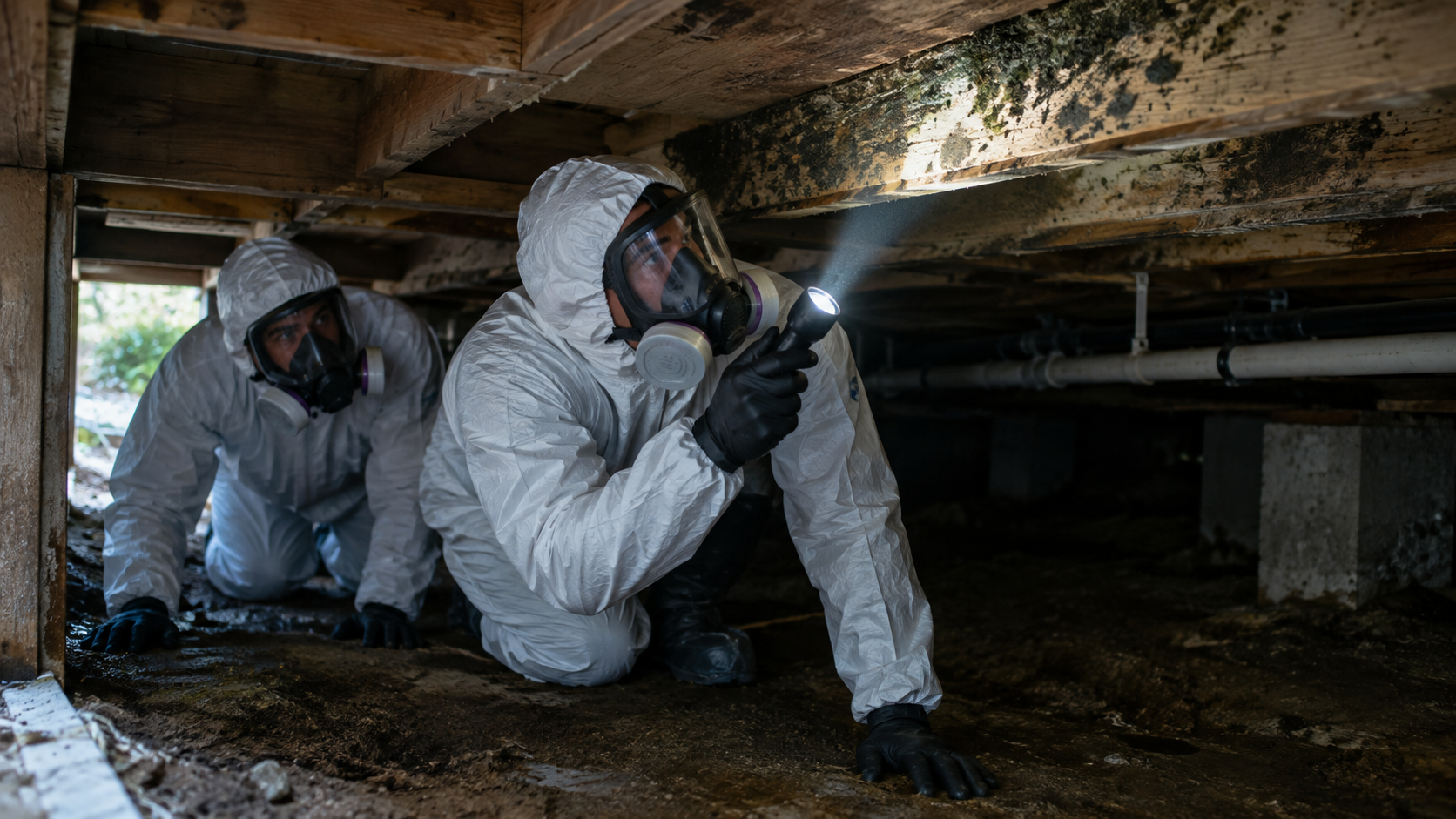
Mold in Crawl Spaces: Causes, Warning Signs, and Remediation Options
For many homeowners and property managers, the crawl space is an "out of sight, out of mind" area. Used primarily to house plumbing lines, HVAC ductwork, and electrical wiring, this dark, unfinished space rarely gets attention until a major issue arises. However, ignoring the crawl space is one of the biggest mistakes a property owner can make. In Michigan, where seasonal humidity and heavy precipitation are a constant battle, a dirt or improperly sealed crawl space is a ticking time bomb for severe moisture problems.
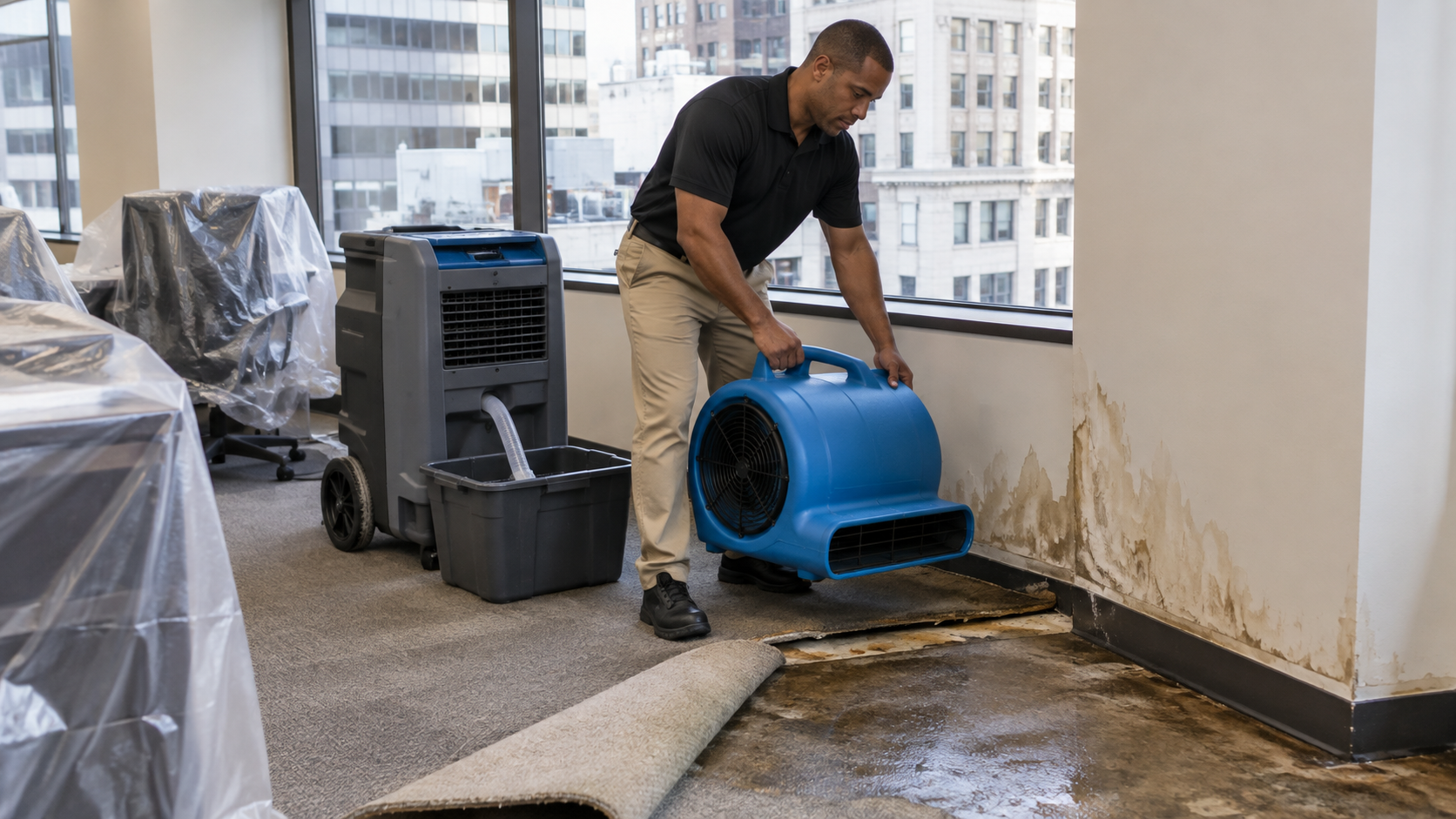
When Does Water Damage Require Professional Drying Instead of DIY Cleanup?
Discovering water pouring across a floor is one of the most stressful moments for any property owner. Whether it is a burst supply line soaking a commercial office or a leaking water heater flooding a residential basement, the immediate instinct is to grab a mop, a bucket, and a few box fans. Homeowners and maintenance teams naturally want to save money and handle the cleanup themselves. However, surface drying is vastly different from structural drying. Treating a major water event like a simple spill is the fastest way to turn a manageable plumbing issue into a massive environmental crisis.
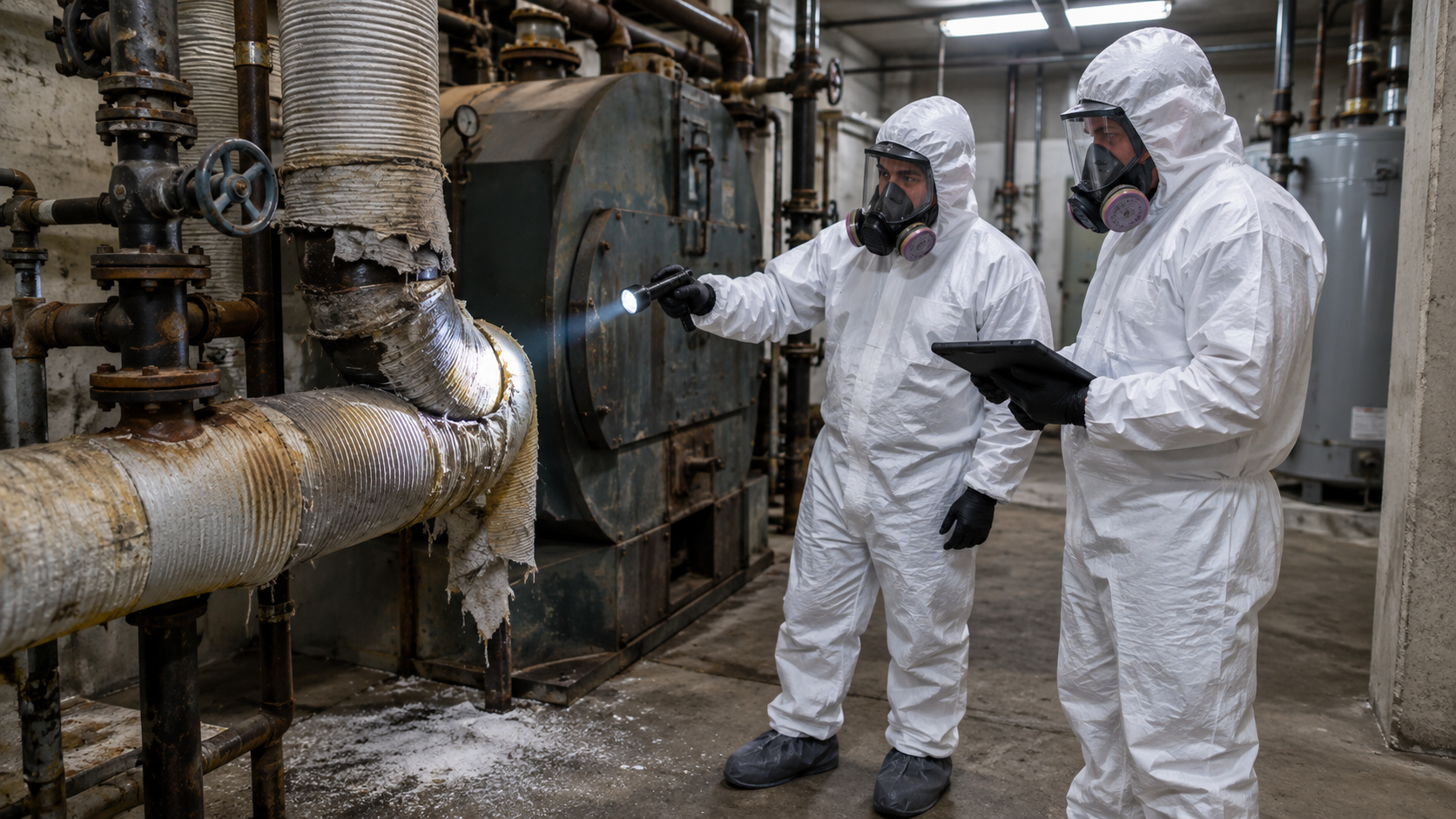
Asbestos Boiler Insulation Removal: Why Older Mechanical Rooms Need Special Attention
The mechanical room is the beating heart of any commercial building or multi-family property. Tucked away in basements or utility tunnels, these spaces house the massive boilers, furnaces, and complex networks of pipes that keep the property warm through brutal Michigan winters. Because these systems generate and transport extreme heat, they require heavy duty thermal protection to operate safely and efficiently. In properties built under past standards, this thermal protection almost always involved asbestos.
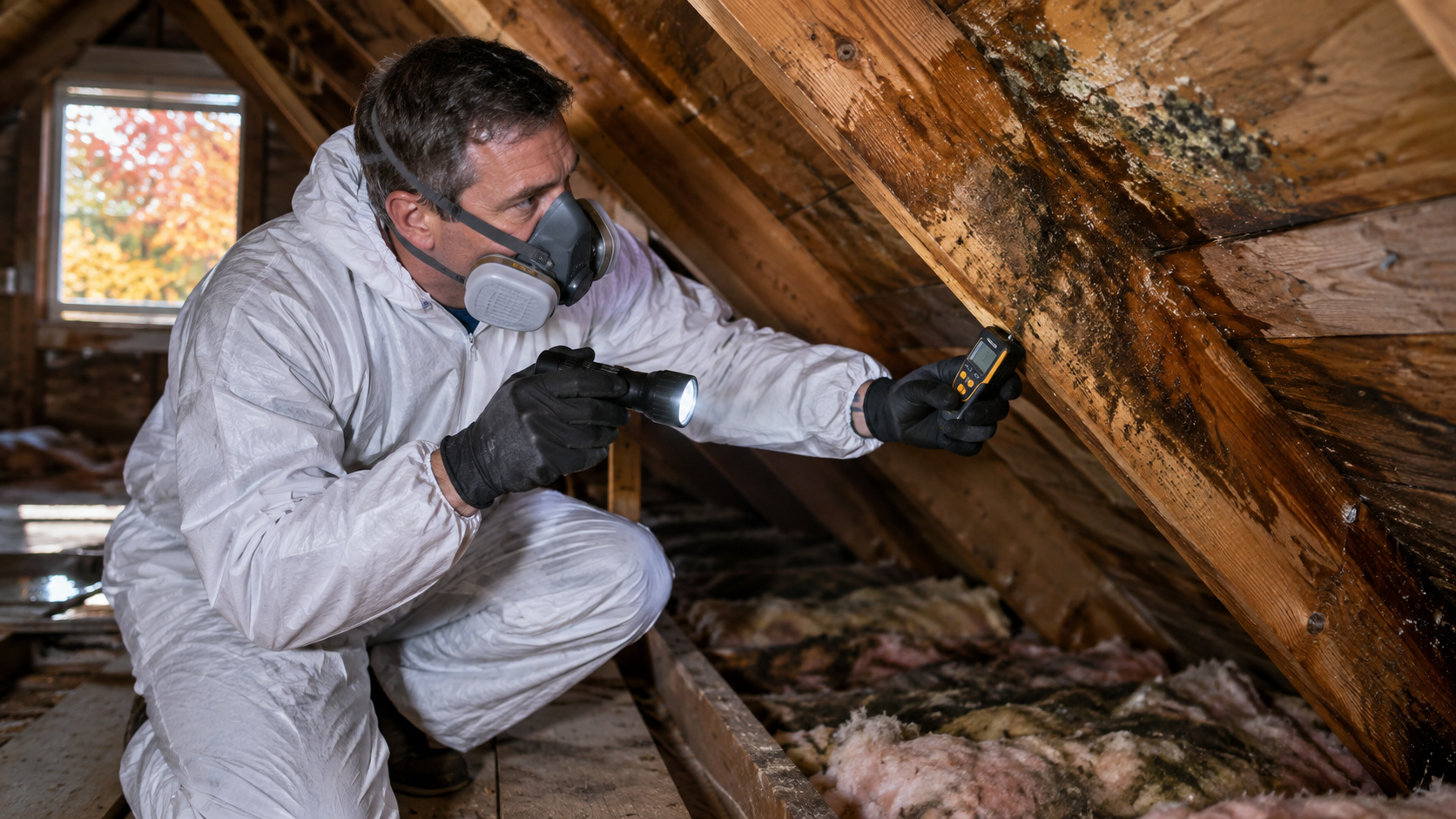
Fall Roof Leaks and Mold: What Michigan Property Owners Should Watch For
As the vibrant Michigan summer gives way to autumn, property managers and homeowners know it is time to prepare for severe weather changes. The transition to fall brings heavy rains, fluctuating temperatures, and falling leaves that can wreak havoc on residential and commercial roofing systems. Gutters become quickly clogged with debris, causing rainwater to pool and back up under shingles or commercial flat roof membranes.
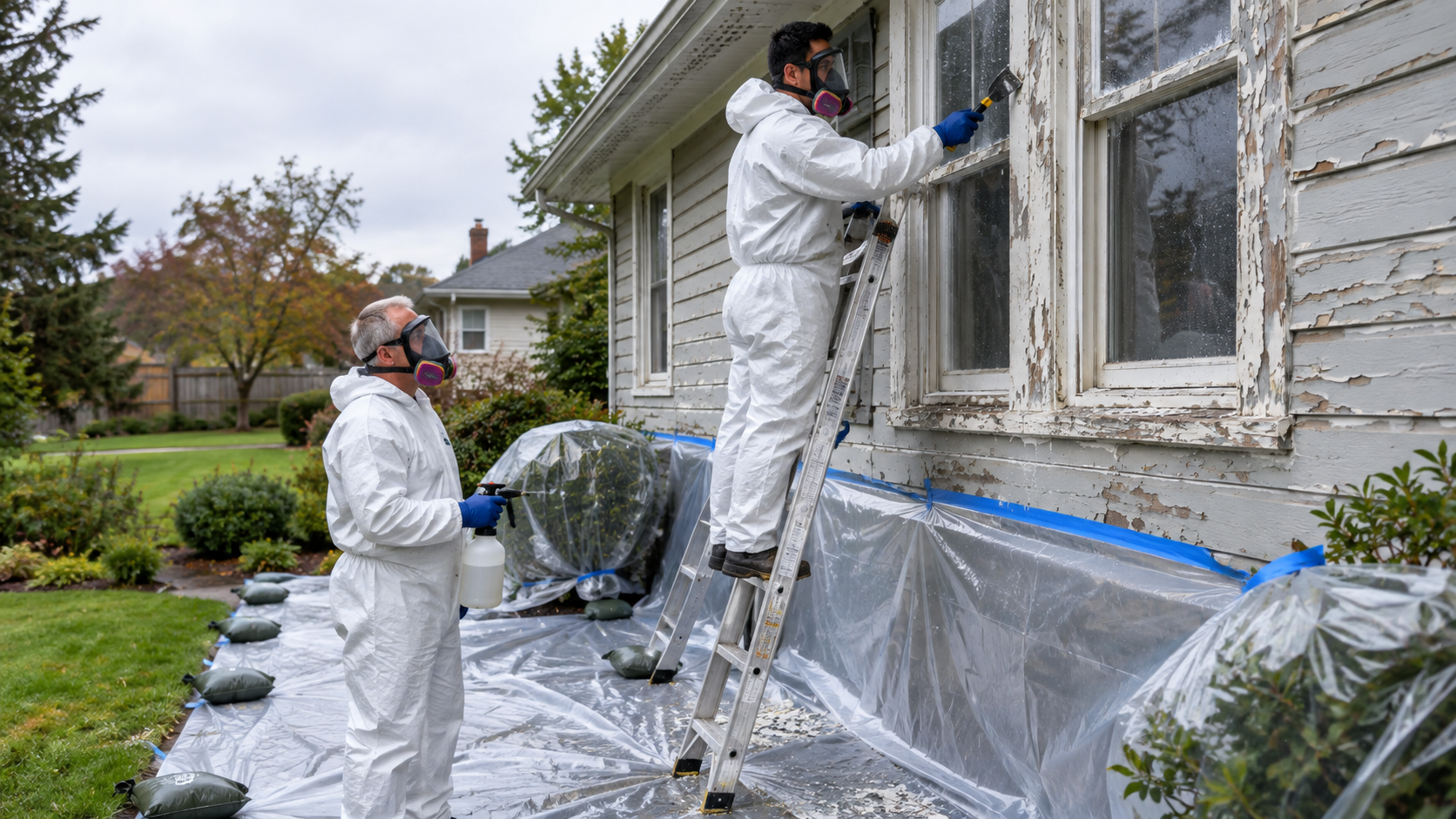
Lead Paint on Exterior Surfaces: Risks During Scraping, Repairs, and Repainting
When commercial property managers and homeowners decide to update the exterior of an older building, the first step is always surface preparation. To get new paint to adhere, the old, flaking layers must come off. Usually, this means breaking out the heavy-duty scrapers, renting a power washer, or firing up an orbital sander.
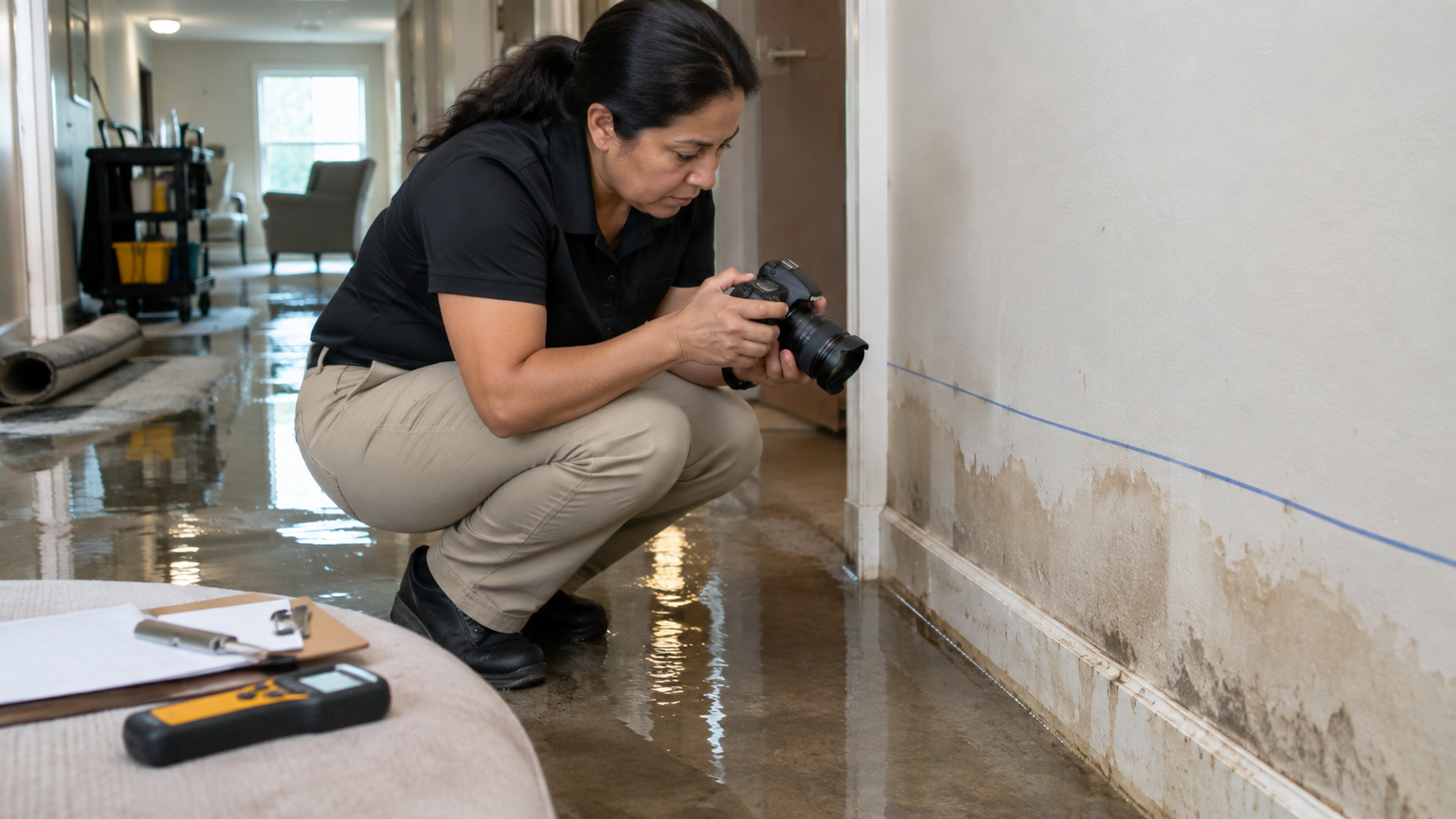
How Property Managers Can Document Water Damage for Insurance Claims
When a pipe bursts in a commercial building or a roof leaks in a multi-family rental, the immediate response is always chaotic. Water is spreading, tenants are angry, and property managers are scrambling to shut off the main valve and call a plumber. In the rush to stop the bleeding and get the property dry, the most critical administrative step is often overlooked: documentation. For property owners and investors, failing to properly document water damage before the cleanup crew arrives can turn a covered insurance loss into a massive out-of-pocket expense.

Environmental Due Diligence for Michigan Commercial Real Estate Buyers
Purchasing commercial real estate in Michigan is a massive financial commitment, but the true cost of a property goes far beyond the asking price. If a buyer unknowingly purchases a contaminated site—whether it is an old manufacturing plant in Warren or a historic retail space in Grand Rapids—they can instantly inherit decades of environmental liability.

What Is Mold Clearance Testing and When Should You Request It?
When property owners discover a serious mold issue, their first instinct is to get it out as quickly as possible. They hire a contractor, the wet drywall is torn out, air scrubbers are run, and the room is scrubbed down. Once the containment plastic comes down and the room looks clean, most landlords and investors assume the problem is solved and immediately start rebuilding. However, looking clean and actually being safe are two very different things when dealing with microscopic fungi. The only way to definitively prove that a mold remediation process was successful is through formal mold clearance testing.
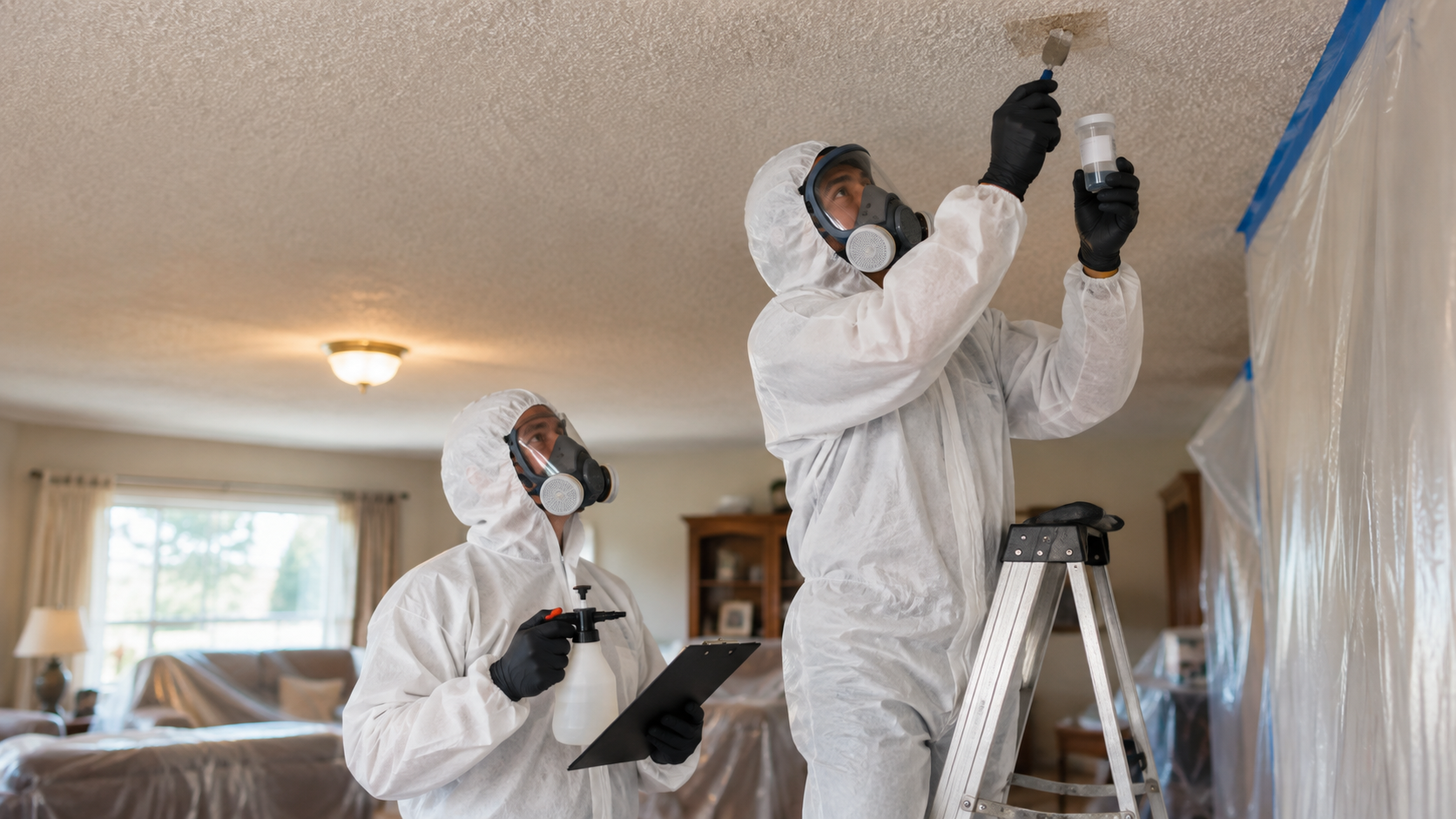
Asbestos in Popcorn Ceilings: When Testing Is Necessary Before Removal
For many property owners and investors, the first project in an older home renovation is removing the dated, textured "popcorn" ceiling. It instantly modernizes the space and makes the room feel taller. However, scraping off that old acoustic texture is rarely just a cosmetic upgrade. Until the late 1970s, asbestos was widely used in spray-on ceiling textures because of its excellent fire resistance and soundproofing qualities.
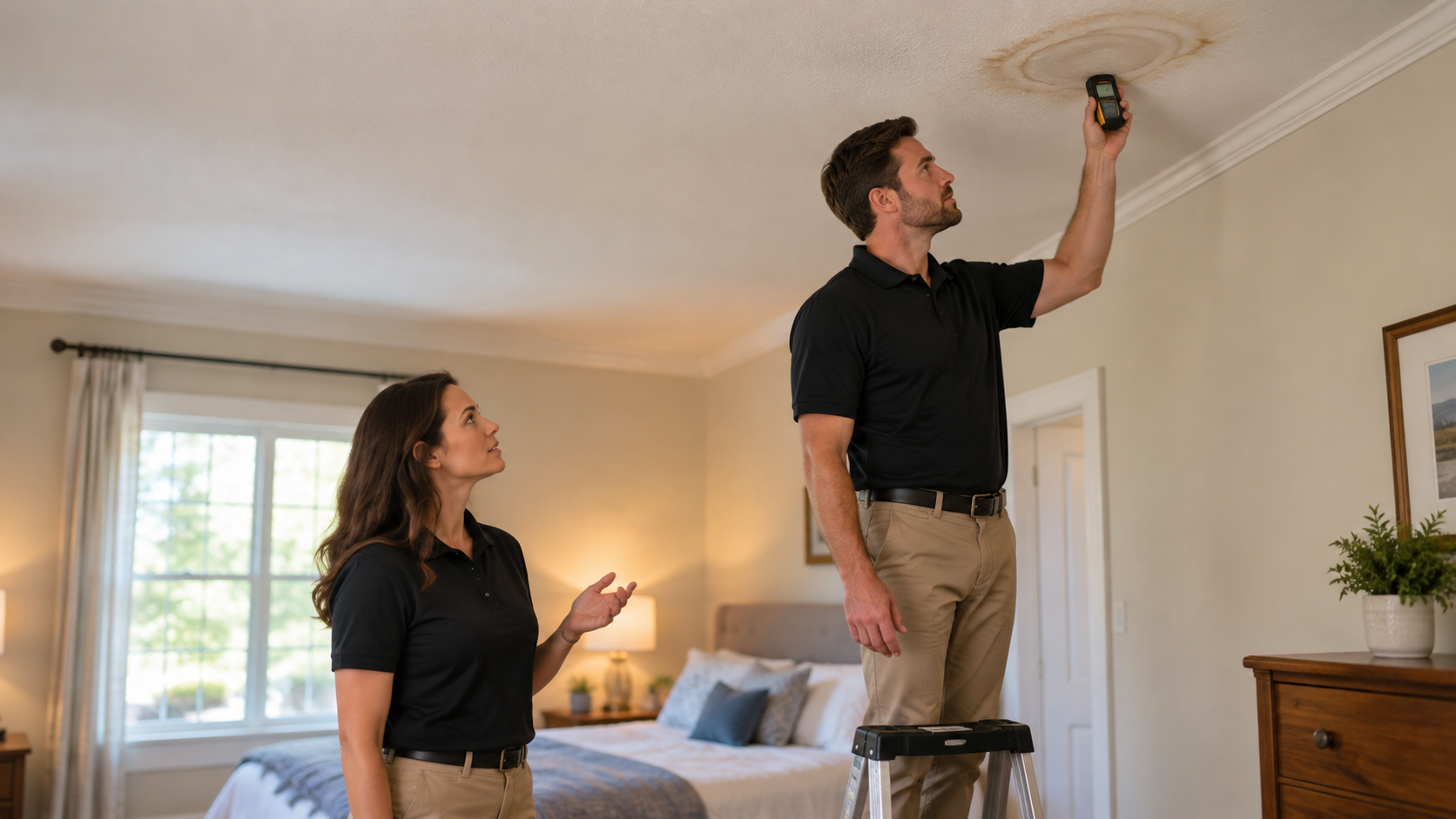
How to Tell if a Water Stain Is Old or an Active Leak
When property owners look up and spot a brown, discolored ring on their ceiling or a bubbling patch of drywall, the immediate reaction is usually a mix of panic and frustration. Water damage is notoriously expensive to fix, and the instinct is to assume the worst. However, not every water stain is an emergency. In many older Michigan homes and commercial buildings, a stained ceiling might simply be the ghost of a roof leak that was repaired a decade ago, or the remnant of an overflowing bathtub that was cleaned up long before you bought the property.

Lead Paint in Rental Turnovers: A Landlord’s Pre-Move-In Checklist
Turning over a rental unit between tenants is a race against the clock. For property managers and landlords, every day an apartment sits empty is a day of lost revenue. Because of this pressure, turnovers are usually handled at top speed: carpets are cleaned, walls are hastily repainted, and minor repairs are patched over. But if you manage older housing stock, moving too fast during a turnover can trigger a massive environmental and legal liability.

Michigan Asbestos Regulations: What Homeowners and Contractors Should Know
When property owners or contractors plan a renovation in an older building, they usually focus on permits, material costs, and schedules. What often gets overlooked is environmental compliance, specifically regarding asbestos.
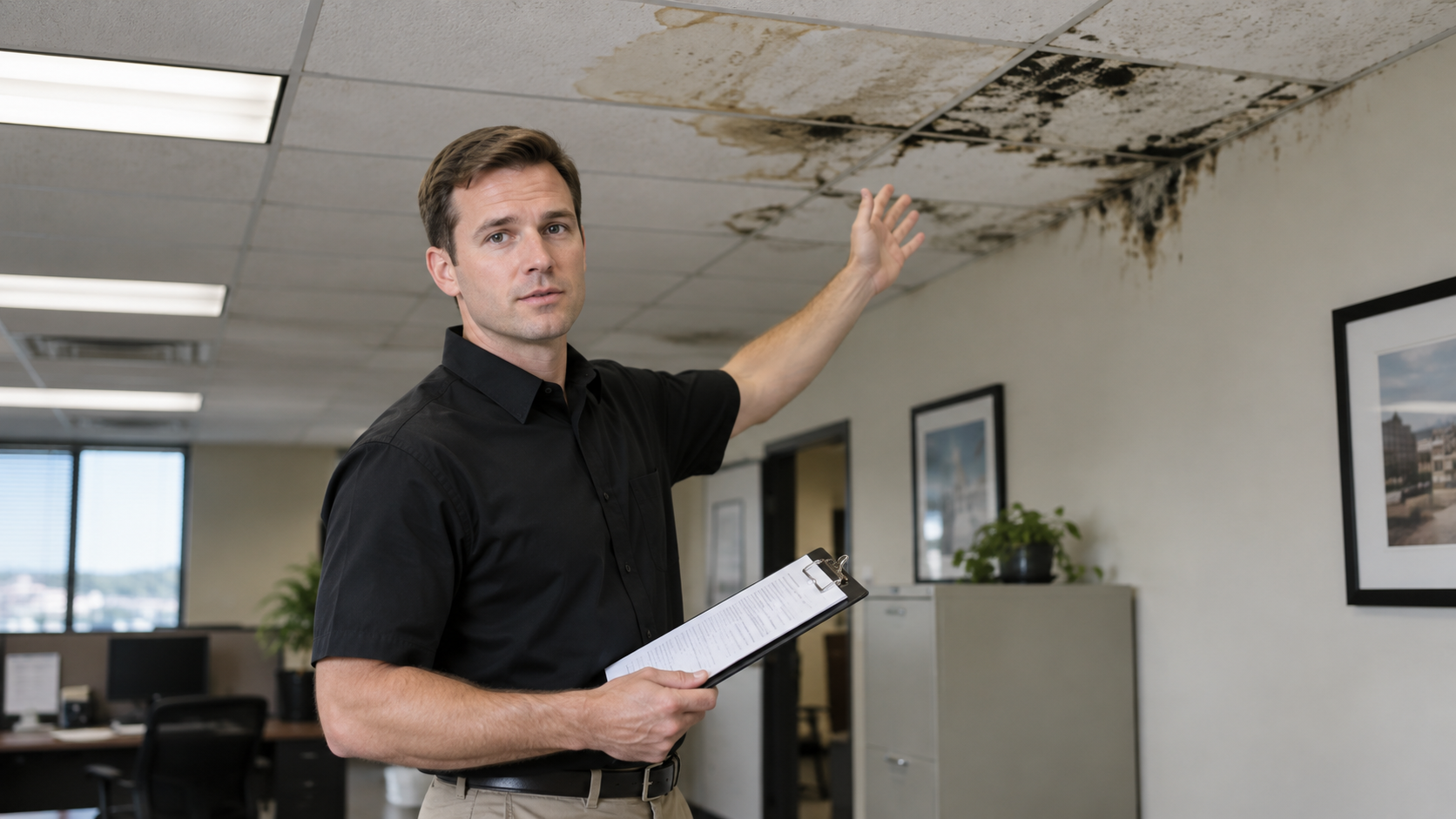
Who Is Responsible for Mold in a Commercial Lease?
When mold is discovered in a commercial building, the immediate question is rarely how to clean it up; the immediate question is usually who has to pay for it. Unlike a residential lease where landlord responsibility is heavily mandated by state law, commercial leases are treated as business-to-business contracts. This means the lines of responsibility are often dictated by the specific wording in the lease agreement rather than a universal legal standard.
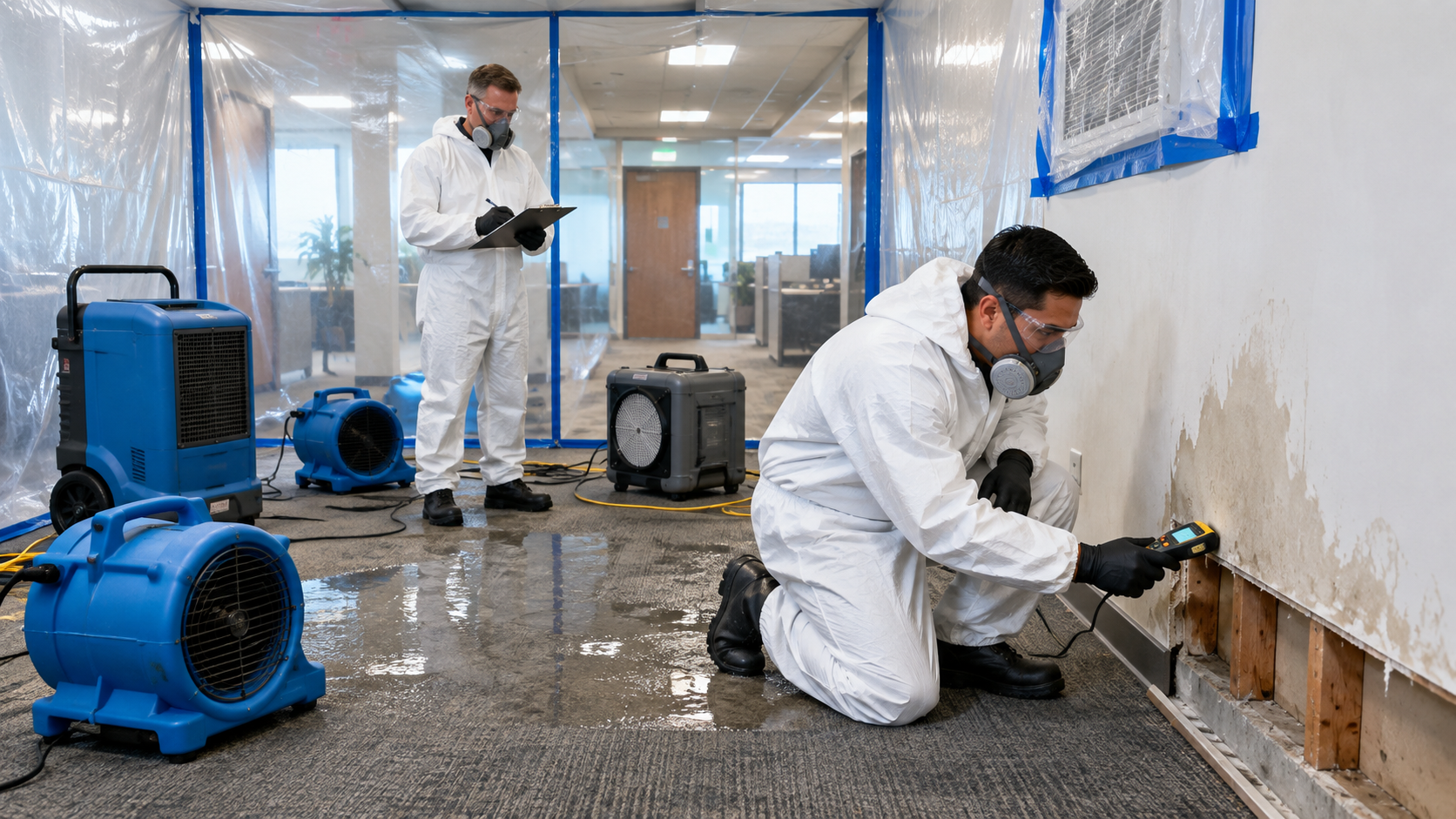
Commercial Water Damage Cleanup: How to Keep Business Disruption Under Control
When a burst pipe, severe storm, or roof failure dumps water into a commercial building, the immediate concern is always the physical damage to the property. However, for business owners, property managers, and commercial investors, the true cost of a water event is often measured in downtime. Every day an office, retail space, or apartment building sits wet is a day of lost revenue, interrupted operations, and frustrated tenants.
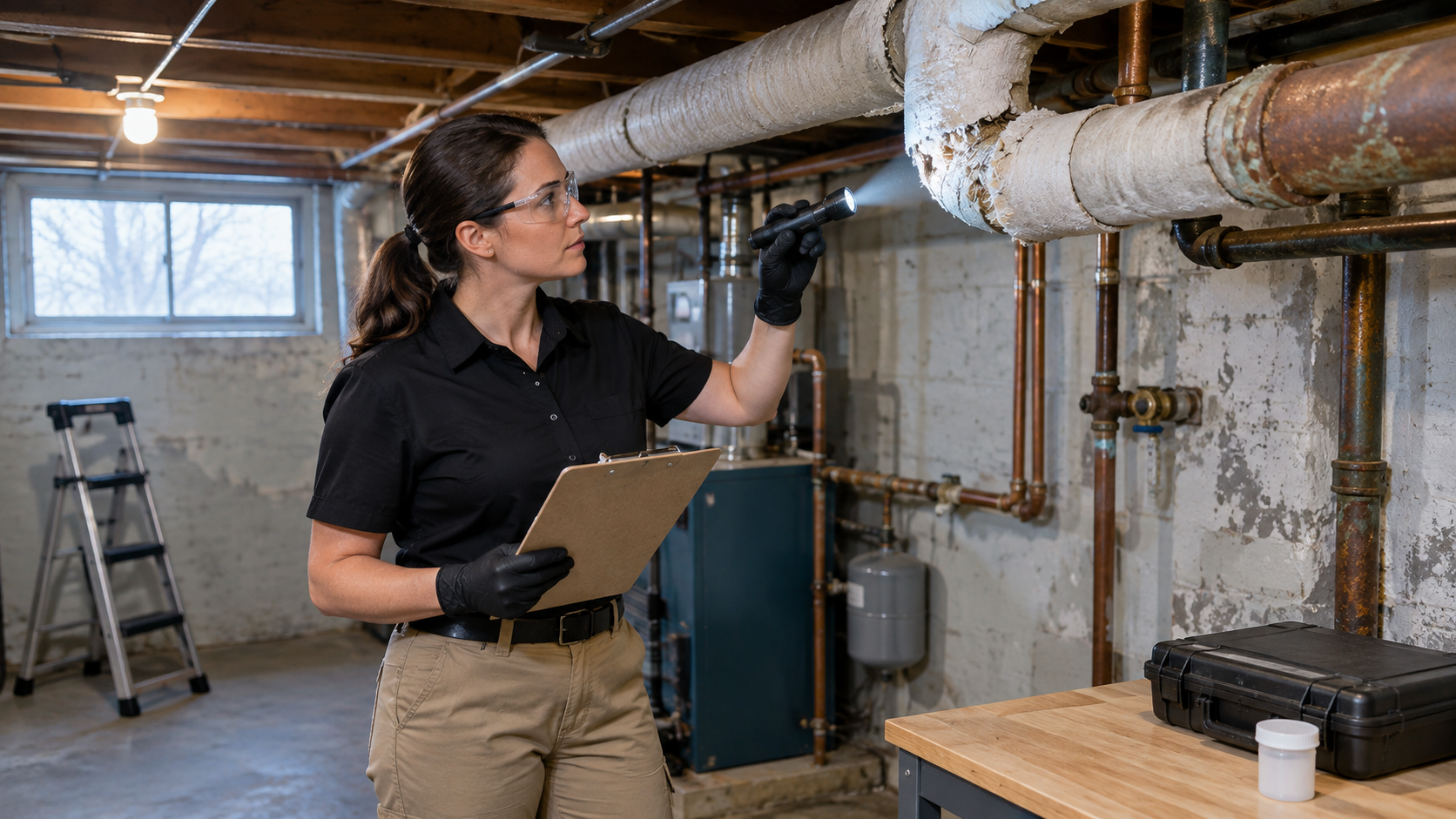
Asbestos Pipe Insulation: When It Becomes a Renovation Hazard
In many older Michigan homes and commercial buildings, the basement ceiling looks like a mechanical museum. Old boilers, hot water tanks, and a maze of steam pipes often sit untouched for decades. While the iron and copper are harmless, the thick, white, chalky wrapping surrounding those pipes is not.
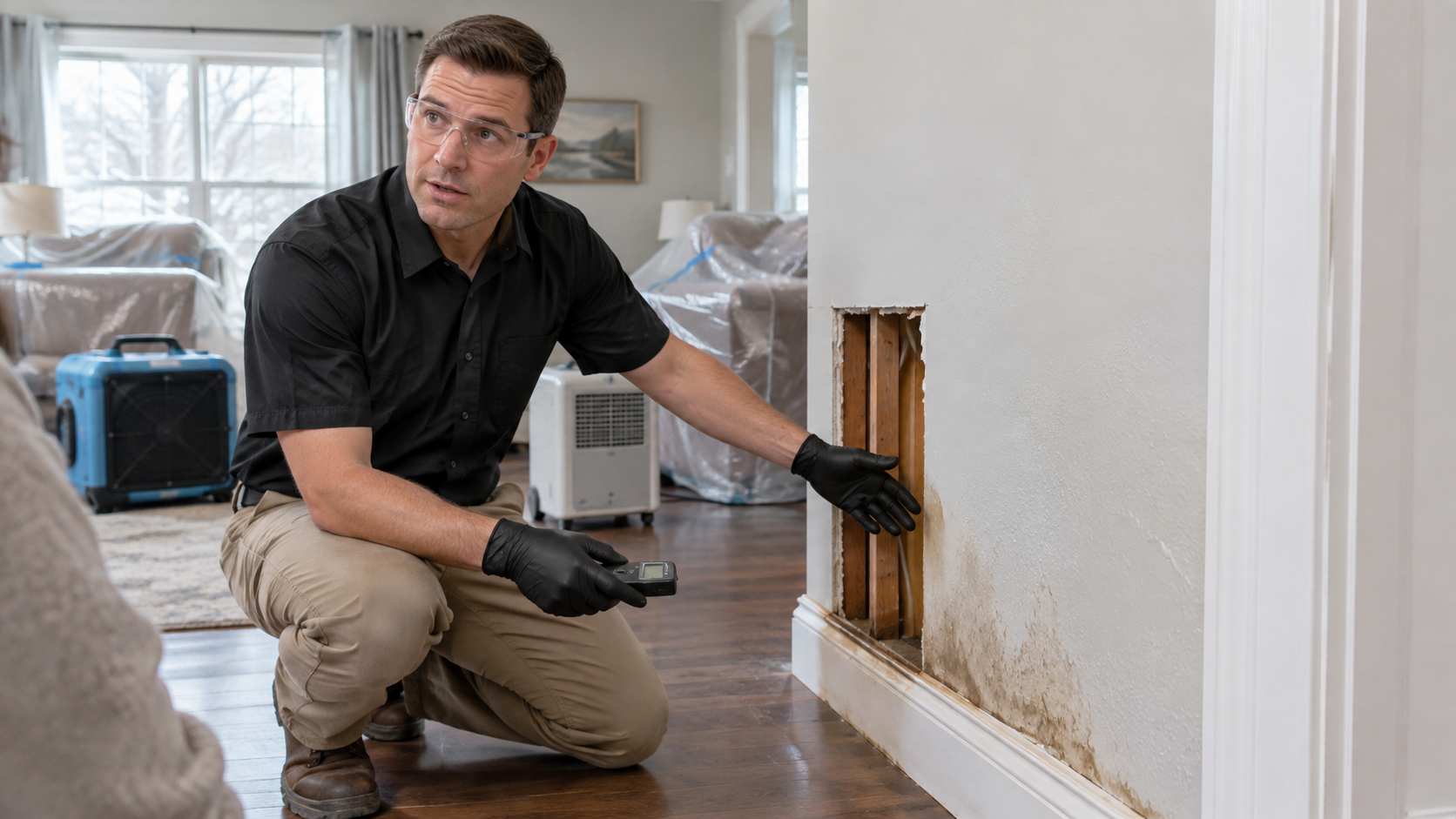
Mold Behind Drywall: Signs Your Walls May Have a Hidden Moisture Problem
When property owners think about mold, they usually picture the obvious: fuzzy black spots in a shower corner, green splotches on a basement wall, or a fuzzy piece of wood after a flood. But some of the most destructive mold problems are the ones you cannot see.
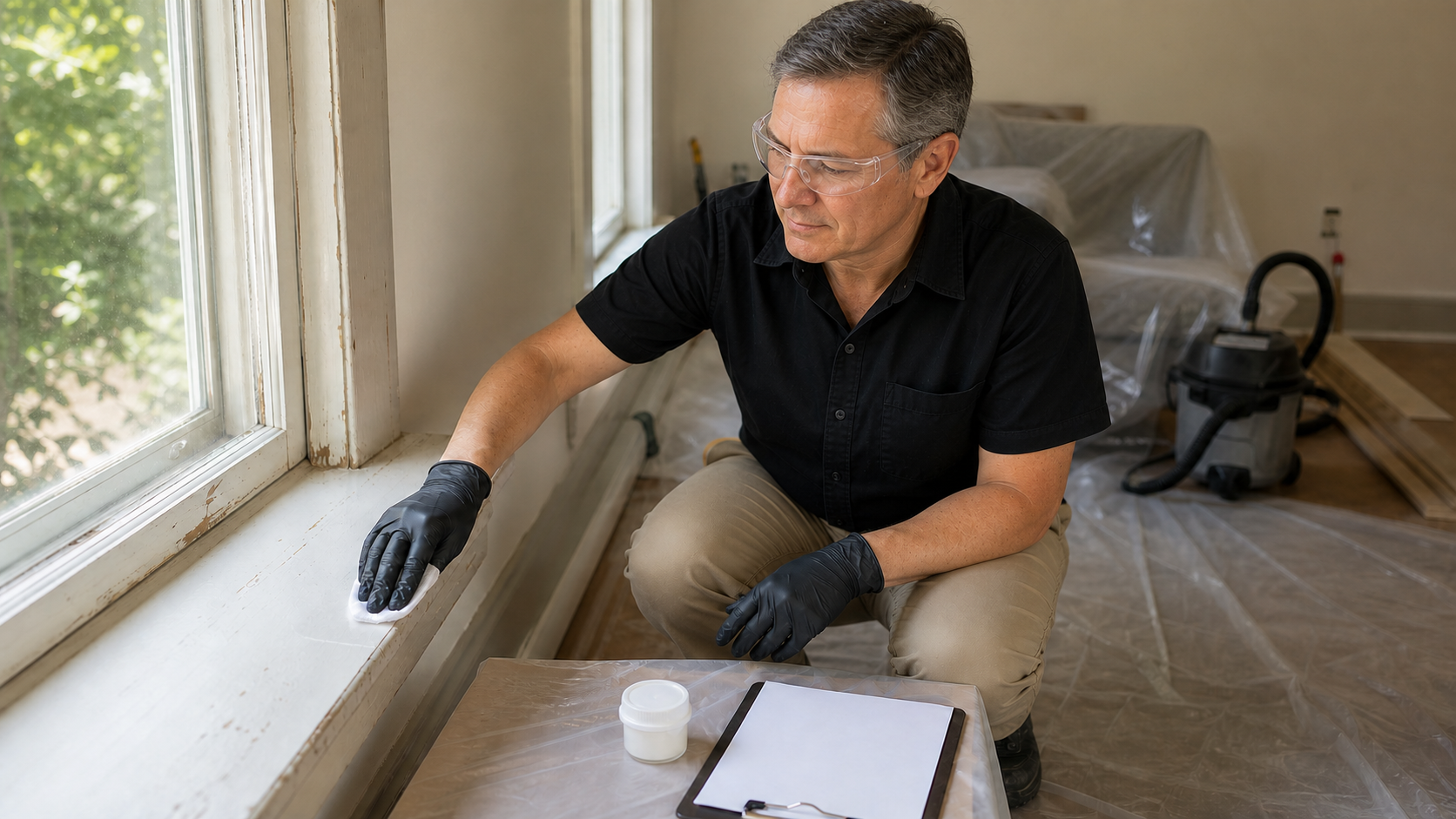
Lead Dust Testing in Michigan Homes: When Is It Needed?
When property owners think about lead poisoning, they usually picture a child peeling and eating a paint chip from a weathered windowsill. In reality, the most common source of lead exposure is not chips—it is dust.
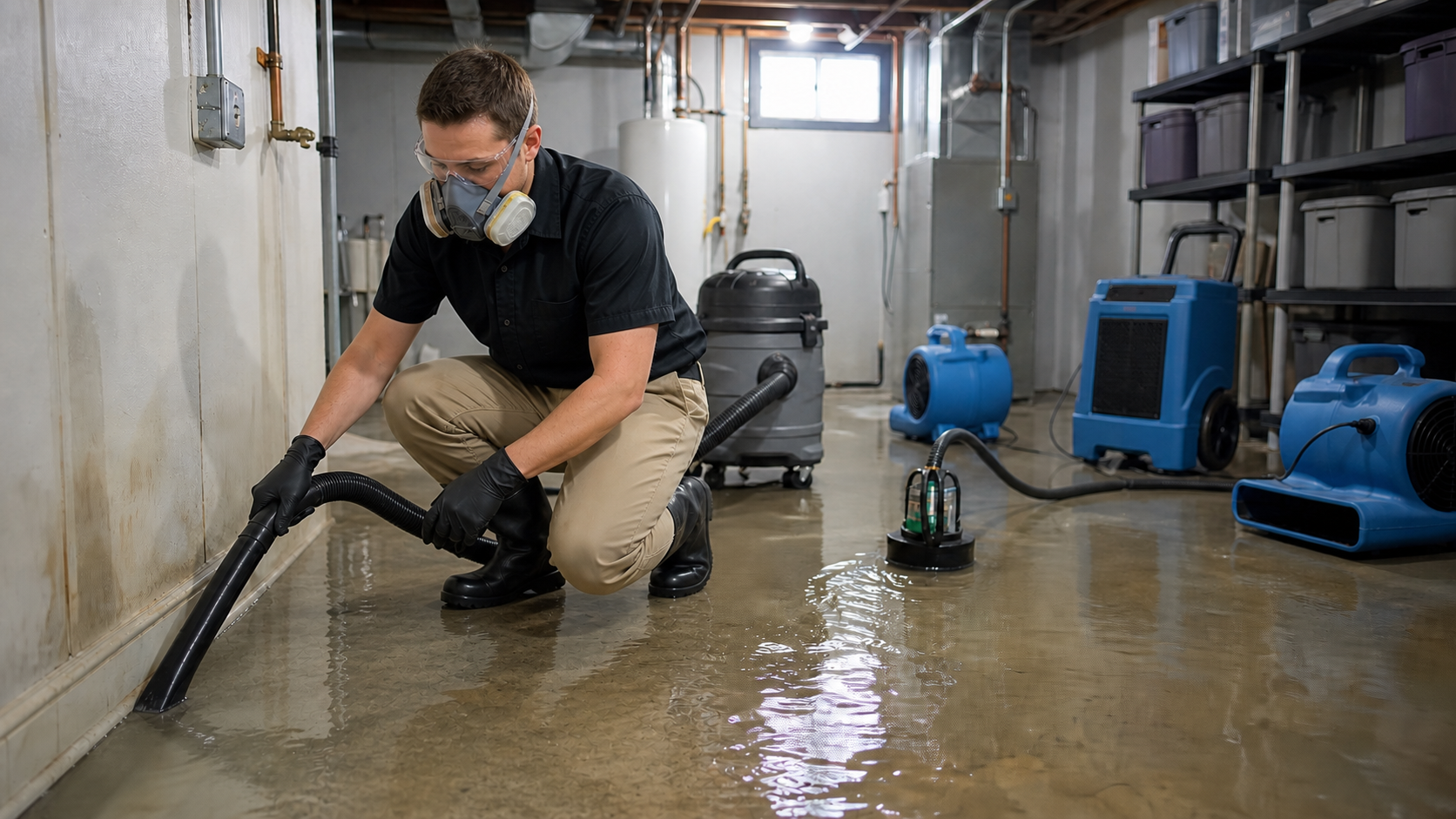
What to Do in the First 24 Hours After Basement Flooding
A flooded basement is one of the most stressful events a property owner can face. Whether the water came from a burst pipe, a failed sump pump, or severe weather, the immediate reaction is usually panic, followed by a rush to save personal belongings. However, the most expensive damage often happens after the standing water is gone.
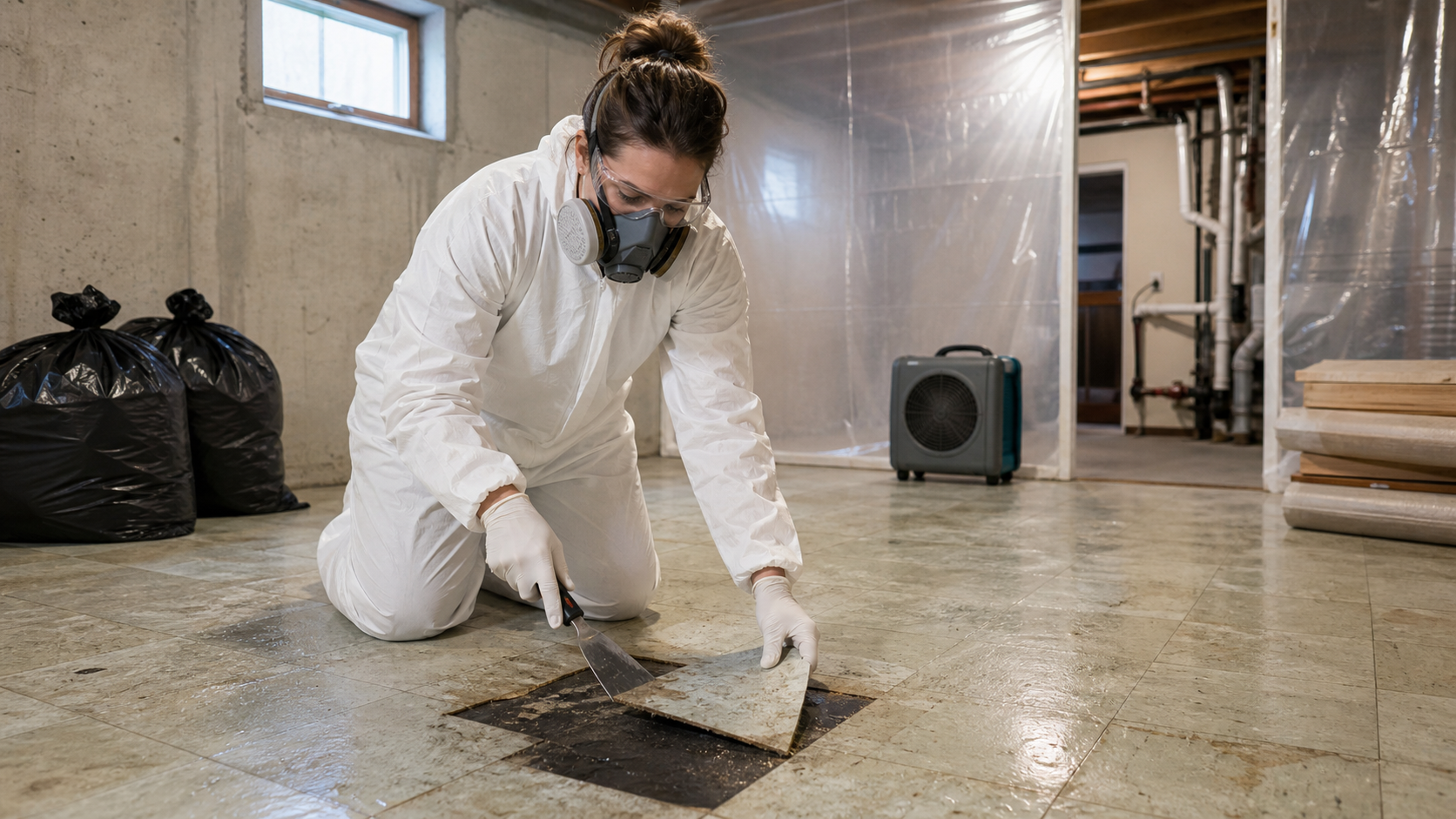
Asbestos Floor Tile Removal in Michigan: What Property Owners Need to Know
For property owners planning a renovation, an old vinyl floor is often seen as just another demolition chore. It gets pried up, scraped off, and tossed in the dumpster. But if that floor contains asbestos, treating it like standard debris is not just a hazard; it is an immediate regulatory violation.

How Environmental Remediation Companies Work With General Contractors
In commercial and residential construction, the relationship between a general contractor (GC) and an environmental remediation company is often the difference between a project that stays on schedule and one that stalls indefinitely. When a general contractor takes on a demolition, renovation, or tenant build-out in an older property, they are primarily focused on the final product. However, environmental hazards like mold, asbestos, and lead-based paint cannot simply be built over or torn out with standard demolition techniques.