
Lead Paint Laws for Rental Properties and Landlords
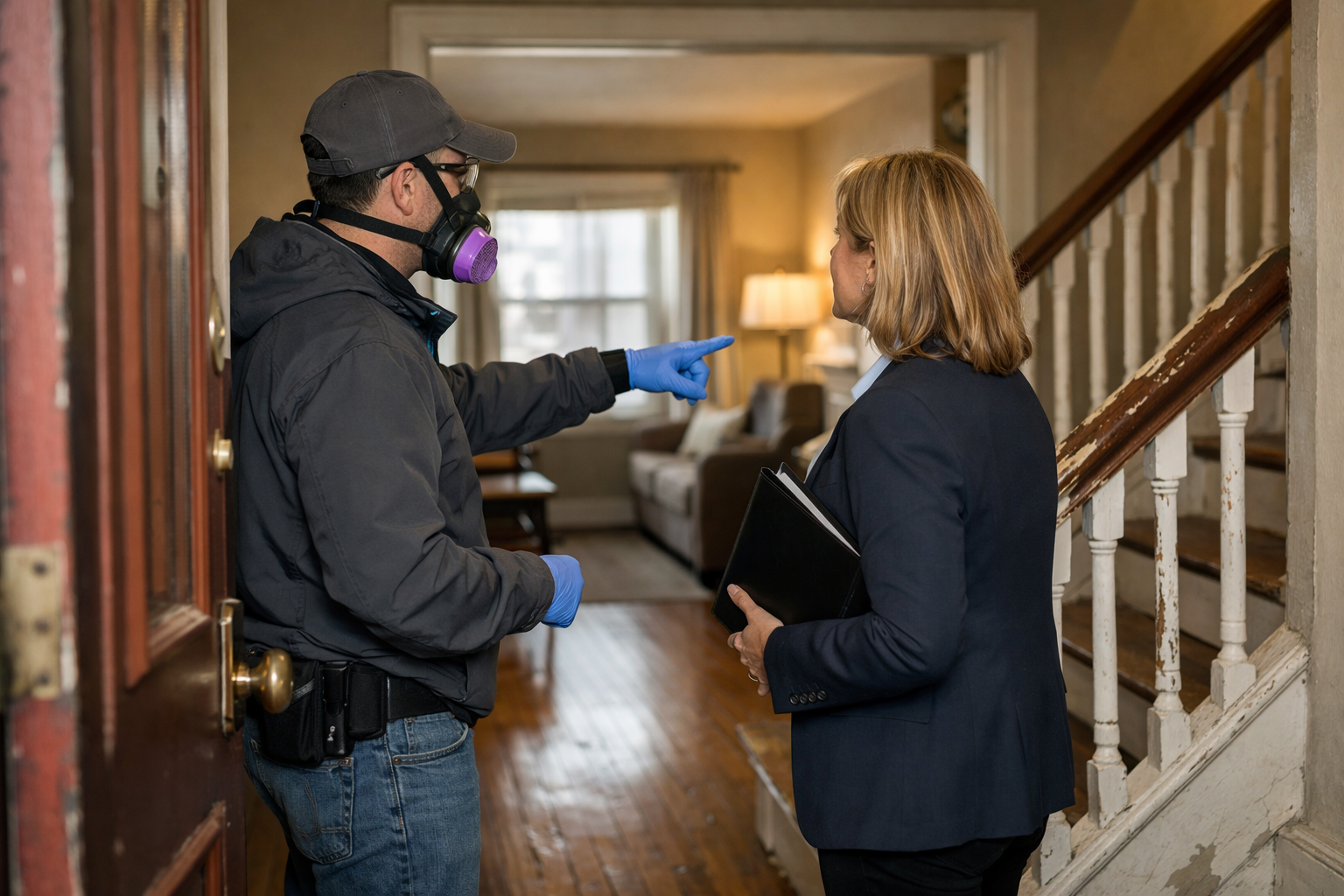
If you own or manage rental housing in Michigan, lead paint compliance is not optional. It is a real legal exposure and a real health issue, especially in older housing stock across Metro Detroit, Warren, and many other communities with pre-1978 properties.
Lead-based paint was banned for residential use in 1978, but it remains in millions of older homes. The biggest risk is not simply that lead paint exists. The risk is when it deteriorates, gets disturbed during turnover work, or creates lead-contaminated dust around windows, doors, trim, stairs, and floors.
The CDC has made it clear that even low levels of lead exposure can be harmful to children, and it uses a blood lead reference value of 3.5 µg/dL to identify children with higher levels than most. (CDC: https://www.cdc.gov/lead-prevention/php/news-features/updates-blood-lead-reference-value.html)
This article breaks down the lead paint laws Michigan landlords should understand, what compliance looks like in real-world rental operations, and how to avoid the most common mistakes that create liability.
Why Rental Properties Face Higher Risk
Rental housing sees frequent turnover, repairs, and repainting. Those activities are exactly when lead hazards are most likely to be created.
Common rental situations that trigger lead risk:
Scraping or sanding peeling paint during make-ready work
Drilling into old trim for new locks, blinds, or railings
Replacing windows or doors in older units
Demolition of old plaster, drywall, or baseboards
Floor refinishing or aggressive cleaning of old painted surfaces
In most pre-1978 rentals, the highest dust risk areas are friction surfaces, especially windows. Opening and closing painted windows can generate lead dust even if the paint does not look severely damaged.
The Big Federal Rule Every Landlord Needs to Know: Lead Disclosure
If you rent most housing built before 1978, federal law requires you to provide lead-based paint disclosures before a tenant signs the lease.
EPA summarizes the requirement this way: the Lead-Based Paint Disclosure Rule requires landlords, property managers, and agents to provide specific information about known lead-based paint and lead-based paint hazards before a lease is signed. (EPA: https://www.epa.gov/lead/real-estate-disclosures-about-potential-lead-hazards)
What landlords typically must provide for pre-1978 rentals
Disclosure of any known lead-based paint or lead hazards
Any available records or reports related to lead
A required warning statement in the lease or as an attached disclosure form
The EPA pamphlet “Protect Your Family From Lead in Your Home”
(EPA pamphlet: https://www.epa.gov/lead/protect-your-family-lead-your-home-english)
EPA also provides information on the disclosure rule and sample forms landlords may use. (EPA: https://www.epa.gov/lead/lead-based-paint-disclosure-rule-section-1018-title-x)
Practical landlord tip in Michigan: Build lead disclosure into your leasing workflow the same way you do smoke detector forms or move-in condition reports. The biggest compliance failures we see are administrative, not technical.
Renovations and Turnovers: The RRP Rule Matters for Rentals
The second major federal requirement that impacts landlords is the EPA Renovation, Repair and Painting program, commonly called the RRP rule.
EPA states that the RRP rule requires renovators and firms to be certified and trained in lead-safe work practices when lead paint is disturbed by renovation activities. (EPA: https://www.epa.gov/lead/what-does-renovation-repair-and-painting-rrp-rule-require)
What “target housing” means for landlords
EPA defines “target housing” as housing built before 1978, with some exceptions, including housing for the elderly or persons with disabilities and zero-bedroom dwellings, unless a child under six resides or is expected to reside there. (EPA: https://www.epa.gov/lead/what-target-housing)
For landlords, that means most standard pre-1978 rental units are covered.
Why this matters during routine rental work
A lot of common turnover tasks disturb paint:
Patching and sanding walls
Cutting in new electrical boxes
Replacing trim or baseboards
Window replacement
Door replacement
Demolition during a kitchen or bath refresh
EPA explains that RRP work practices are designed to minimize dust and debris, prevent it from leaving the work area, and require cleaning to protect occupants. (EPA: https://www.epa.gov/lead/renovation-repair-and-painting-program-work-practices)
The “small job” misconception
Many landlords assume small repairs do not matter. The RRP program includes a minor repair and maintenance exemption in certain cases, often cited as 6 square feet per interior room or 20 square feet exterior. However, that exemption does not apply to certain higher-risk work such as window replacement or demolition, and prohibited practices still apply. (EPA lead-safe steps PDF summary: https://health.dekalbcounty.org/wp-content/uploads/2025/03/EPA-Steps-to-Lead-Safe-Renovation-Repair-and-Painting-English.pdf)
Landlord bottom line: If you are disturbing paint in pre-1978 rentals, especially around windows, you want RRP compliance baked into your contractor requirements.
Michigan Law: Lead Hazards in Rental Units and Landlord Penalties
Beyond federal rules, Michigan has specific legal provisions addressing rental units that contain lead-based hazards.
Michigan’s Public Health Code includes Section 333.5475a, which addresses rental units containing lead-based hazards, presumed knowledge, violations, and penalties. (Michigan Legislature: https://www.legislature.mi.gov/Laws/MCL?objectName=mcl-333-5475a)
This is one of the reasons lead paint laws Michigan landlords are not just “best practices.” They tie directly into potential legal consequences.
If you operate older rentals, it is worth reading the statute and working with qualified environmental professionals when hazards are suspected. It is also smart to document what you did and when, including inspections, repairs, and any clearance-related documentation.
Important note: This article is educational, not legal advice. If you need legal interpretation for a specific situation, consult qualified counsel. From the field side, the safest approach is to treat credible lead hazard reports as urgent and respond with qualified assessment and proper controls.
Lead Paint Removal vs Lead Paint Abatement in Rentals
In landlord conversations, “lead paint removal” often gets used as a catch-all term. In practice, there is an important difference between general renovation work and lead abatement.
Michigan’s MiLeadSafe program explains that lead abatement eliminates lead hazards in paint, soil, and dust, and that to perform lead abatement work in Michigan, professionals must hold a Lead Abatement Firm certification and employ certified supervisors and workers. (MiLeadSafe: https://www.michigan.gov/mileadsafe/professionals/workforce)
What lead paint abatement commonly involves
Replacing old windows and doors (a major dust source)
Encapsulation using approved products
Enclosure of lead-painted components
Controlled removal with containment and clearance steps
For landlords, lead paint abatement is typically the right move when hazards are confirmed and long-term control is required, particularly where children live or may live.
If you are looking for lead paint abatement Warren MI support or lead paint removal Michigan services, always verify licensing and certifications. A “handyman solution” can create more dust, more contamination, and more liability.
Compliance Checklist for Michigan Landlords
Here is a practical checklist you can use to reduce risk and stay organized.
Leasing and disclosure
Confirm year built for every unit, flag anything pre-1978
Provide required lead disclosures before lease signing for applicable properties (EPA: https://www.epa.gov/lead/real-estate-disclosures-about-potential-lead-hazards)
Provide the EPA lead pamphlet to tenants (EPA: https://www.epa.gov/lead/protect-your-family-lead-your-home-english)
Keep disclosure documentation in your lease file
Turnover work and renovations
Assume painted components may contain lead in pre-1978 units unless tested
Require RRP-certified contractors for work that disturbs paint (EPA: https://www.epa.gov/lead/lead-renovation-repair-and-painting-program)
Avoid dry sanding and uncontrolled scraping
Use containment and cleaning practices that prevent dust spread
Pay special attention to windows, doors, trim, and stairs
When a tenant reports peeling paint or a child is involved
Treat reports of peeling paint danger as urgent, not cosmetic
Consider professional inspection and dust wipe sampling where appropriate
Prioritize stabilization and proper hazard control
Document communication, timelines, and corrective actions
Portfolio-level risk management
Schedule periodic assessments on older units with repeat paint failure
Budget for component replacement where dust generation is chronic (windows and doors)
Use environmental testing for property managers when you need documentation for compliance, insurance, or investor reporting
Where Lead and Other Hazards Overlap in Older Rentals
Michigan rentals built mid-century often have more than one environmental issue. Lead is common, but it is not always alone.
Examples we see frequently:
Moisture issues that drive mold growth and paint failure
Basement humidity that contributes to mold smell in house complaints
Renovations that involve both lead paint and asbestos in older materials
If a rehab involves demolition of flooring, insulation, or textured materials, asbestos inspection or asbestos testing may be appropriate before renovation, especially in buildings built before 1980. This is where environmental remediation services can help landlords coordinate hazardous material removal responsibly.
Lead and mold can also overlap. Water damage can accelerate paint deterioration and increase dust risk. If you have basement mold after water damage in an older rental, do not ignore the possibility that damaged paint and trim may involve lead as well.
Common Mistakes That Create Liability
These are the patterns that cause the biggest problems for landlords and property managers.
Painting over peeling paint without stabilizing the surface and addressing moisture
Dry sanding old trim during make-ready work
Replacing windows without lead-safe controls
Letting unqualified vendors “clean it up” without containment and HEPA cleaning
Skipping disclosures because “we do not have a report” (disclosures are still required for most pre-1978 rentals) (EPA: https://www.epa.gov/lead/lead-based-paint-disclosure-rule-section-1018-title-x)
Failing to document what was done and when
If you manage rentals across Southeast Michigan, these mistakes are easy to make during busy turnover periods. A simple compliance checklist and the right qualified partners can prevent a lot of headaches.
Bottom Line for Michigan Rental Owners
Lead paint laws exist because lead exposure is a serious health risk, especially for children. For landlords, the rules also exist because rental housing involves frequent maintenance that can create lead dust if not handled correctly.
A good lead compliance approach has three parts:
Disclose properly for pre-1978 rentals
Use lead-safe work practices when paint is disturbed
Address confirmed hazards with qualified professionals and solid documentation
That is what protects tenants and protects your investment.
Contact BDS Environmental
If you own or manage pre-1978 rental properties and you are unsure whether you are fully compliant, it is worth getting clarity before a turnover, renovation, or tenant complaint forces the issue.
BDS Environmental supports Michigan landlords, property managers, contractors, and investors with lead hazard guidance, lead paint inspection support, and coordination for lead paint abatement and related environmental services when appropriate. If you are dealing with peeling paint, repeated paint failure around windows, or need a plan for lead paint laws Michigan rentals must follow, contact BDS Environmental to discuss next steps and schedule an evaluation.
