How Mold Affects Indoor Air Quality in Homes and Commercial Buildings
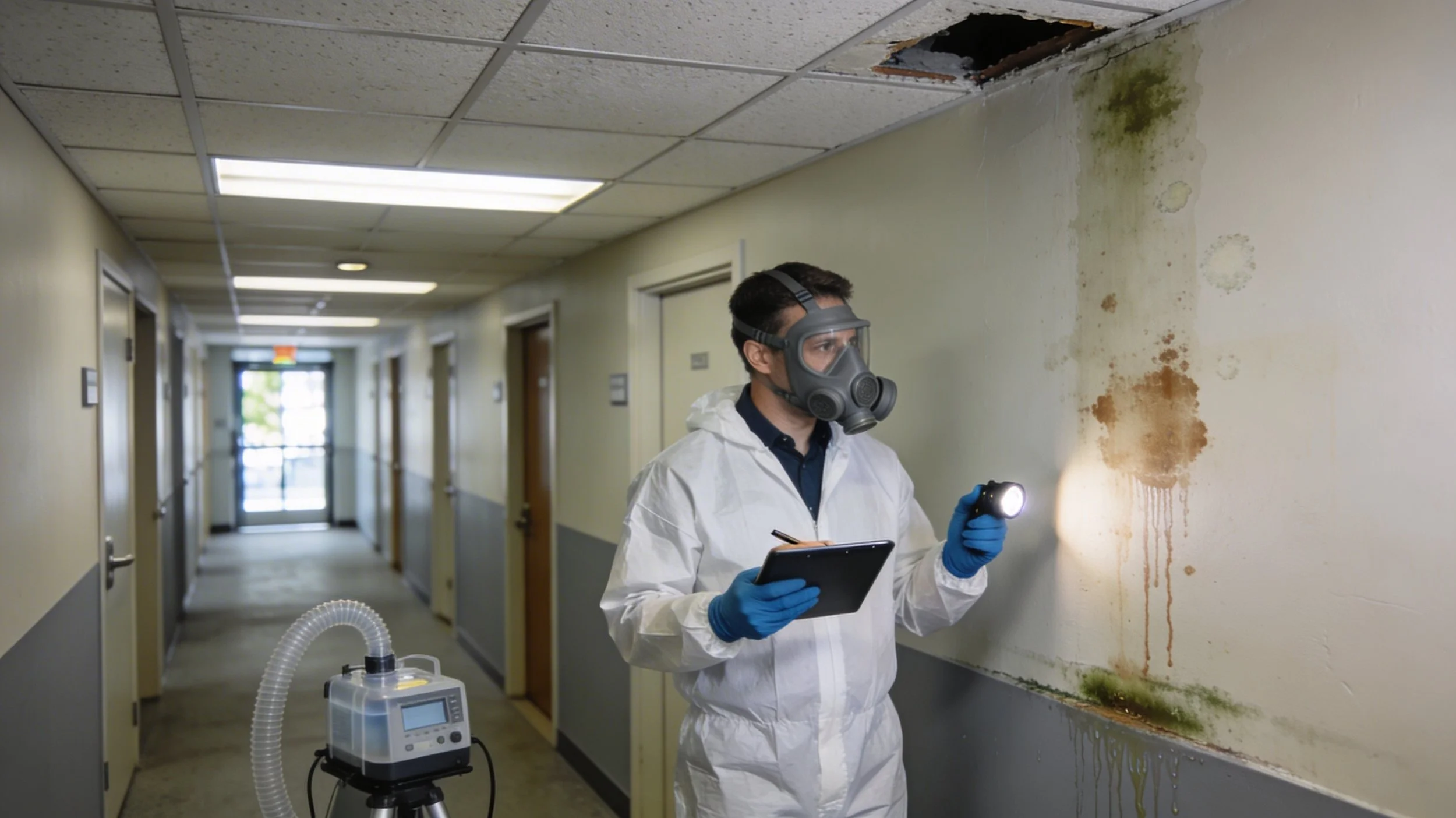
Mold can significantly affect indoor air quality in both homes and commercial buildings, especially when moisture problems are not addressed quickly and properly.
Why Mold Matters for Indoor Air Quality
Molds are part of the natural environment, but they become a problem when they grow indoors on damp building materials like drywall, wood, carpet, and insulation. The U.S. Environmental Protection Agency (EPA) notes that molds can have a big impact on indoor air quality and that the best way to control indoor mold growth is to control moisture: https://www.epa.gov/mold
Indoors, mold growth should be avoided because molds can produce allergens, irritants, and sometimes potentially toxic substances called mycotoxins. Inhaling or touching mold or mold spores may cause allergic reactions in sensitive individuals and can aggravate existing respiratory conditions: https://www.epa.gov/mold/molds-and-health-public-health-professionals
In Michigan, our combination of basements, seasonal humidity, heavy rains, and freeze–thaw cycles makes moisture problems more common, which in turn increases water damage mold risk in older homes and commercial buildings.
How Mold Develops and Spreads Indoors
Mold growth generally needs three things: moisture, a food source such as paper-faced drywall or wood, and time. The EPA explains that mold can begin to grow within 24 to 48 hours on wet materials if they are not dried properly: https://www.epa.gov/mold/brief-guide-mold-moisture-and-your-home
Common moisture sources include:
Basement seepage and sump pump failures
Roof leaks and window flashing issues
Plumbing leaks in walls, ceilings, and mechanical rooms
High indoor humidity in summer or poorly ventilated bathrooms
Once mold begins growing on surfaces, it releases spores that can become airborne and contribute to indoor air quality hazards, particularly in enclosed or poorly ventilated spaces. Mold in commercial buildings can spread via shared HVAC systems, affecting multiple suites or floors if the system pulls air from contaminated areas: https://ph.health.mil/topics/workplacehealth/ih/Pages/Indoor-Air-Quality-Mold.aspx
Health Effects Linked to Moldy Indoor Air
The Centers for Disease Control and Prevention (CDC) notes that exposure to damp and moldy environments may cause a variety of health effects, or none at all, depending on the person: https://www.cdc.gov/mold-health/about/index.html
For some people, mold exposure can cause:
Stuffy or runny nose
Sore throat
Coughing or wheezing
Burning eyes or skin rash
Worsening asthma symptoms in people with asthma
People with asthma or who are allergic to mold may have more severe reactions, and immune-compromised individuals or those with chronic lung disease may develop infections in their lungs from mold.
A 2004 report from the Institute of Medicine found sufficient evidence to link indoor mold exposure with upper respiratory tract symptoms, cough, and wheeze in otherwise healthy people, as well as asthma symptoms in individuals with asthma. Later work summarized in the NIOSH Dampness and Mold Assessment Tool found that occupants of damp buildings have higher rates of respiratory symptoms: https://pmc.ncbi.nlm.nih.gov/articles/PMC10190119/
For property managers and investors, this means that mold is not just a cosmetic issue; it is directly tied to occupant health complaints, indoor air quality hazards, and potential liability if problems are ignored.
Signs Mold Is Affecting Indoor Air Quality
Indoor air issues tied to mold are not always obvious. In many Michigan homes and buildings, the earliest clues are subtle.
Persistent Musty Odor
A persistent mold smell in house areas, basements, stairwells, or mechanical rooms is often one of the first field signs that moisture and mold are present. NIOSH specifically advises building owners to respond to dampness, flooding, and moldy odors because they can indicate conditions that support microbial growth and breakdown of building materials: https://www.cdc.gov/niosh/mold/testing-remediation/index.html
Visible Growth or Staining
Mold can appear in many colors, including black, green, brown, or white, and may look like spots, streaks, or fuzzy growth on building materials. Water stains on ceilings, walls, or around windows can indicate a history of moisture, even if mold is not yet obvious.
In buildings evaluated with the NIOSH Dampness and Mold Assessment Tool, water stains were found in the vast majority of rooms, and visible mold and mold odor were also frequently documented, underscoring how often these conditions coexist: https://pmc.ncbi.nlm.nih.gov/articles/PMC10190119/
High Humidity and Condensation
The EPA recommends keeping indoor relative humidity below about 60 percent to discourage mold growth, ideally between 30 and 50 percent: https://www.epa.gov/mold/mold-course-chapter-2
Chronic condensation on windows, cold water pipes, or basement walls is a sign that humidity control may not be adequate and that mold growth could follow if conditions persist.
Occupant Symptoms That Improve Outside the Building
If people consistently feel worse in a particular building or area and improve when away—such as fewer respiratory symptoms on weekends or when working in a different office—that pattern can point to building-related indoor air quality problems. NIOSH reports that occupants of damp buildings are at increased risk of developing upper and lower respiratory symptoms that improve when they are away from the building: https://www.cdc.gov/niosh/mold/health-problems/index.html
Mold, HVAC Systems, and Building Performance
Heating, ventilation, and air conditioning systems can play a significant role in how mold affects indoor air quality. If the HVAC system pulls air from mold-affected areas or if components such as coils, drain pans, or insulation become contaminated, spores and odors can circulate throughout a home or commercial building.
Key HVAC-related concerns include:
Mold growth near or inside return ducts
Contaminated insulation on ductwork in humid basements or mechanical rooms
Condensate leaks that stay uncorrected
Poor filtration or infrequent filter changes
CDC and NIOSH do not recommend routine air sampling for mold because there are no health-based standards for mold spore counts in indoor air. Instead, they recommend focusing on identifying and correcting sources of dampness and visible mold: https://www.cdc.gov/niosh/mold/testing-remediation/index.html
For property managers, that often means combining mold inspection with moisture mapping and targeted environmental testing for property managers when documentation is needed for tenants, insurers, or investors.
Mold and Water Damage: Why the First 48 Hours Matter
Flooding, roof leaks, and plumbing failures can quickly turn into indoor air quality problems if water is not dealt with promptly. The EPA notes that mold can grow on wood, drywall, carpet, and furniture if they remain wet for more than 24 to 48 hours: https://www.epa.gov/mold/mold-cleanup-your-home
In practice, this means:
Water should be removed as quickly as possible
Building materials should be dried thoroughly using dehumidification and airflow, not just fans pointed at surfaces
Porous materials heavily damaged by water often need removal, especially in basement mold after water damage or mold after flooding scenarios
If drying is incomplete, mold growth inside wall cavities, under flooring, or behind finishes can degrade indoor air quality over time, even if surfaces look dry on the outside.
Mold in Homes vs Mold in Commercial Buildings
The basic science is the same, but the practical impact and logistics differ between single-family homes and larger commercial or multi-unit properties.
Homes and Smaller Residential Properties
In homes, common mold and indoor air quality patterns include:
Musty odors in basements and crawlspaces
Growth on lower walls after foundation seepage
Mold in bathrooms with poor ventilation
Odors or growth after roof leaks or ice dams
Mold health risks are particularly concerning for children, older adults, and people with asthma or allergies living in the home: https://www.cdc.gov/mold-health/about/index.html
For Michigan homeowners, environmental safety in older homes often involves addressing not just mold, but also hazardous materials in homes such as asbestos in older materials and lead paint in older homes during renovation.
Commercial and Multi-Unit Buildings
In commercial buildings, schools, and multi-family properties, NIOSH and other researchers have documented that dampness and mold are associated with higher rates of respiratory symptoms among occupants: https://pmc.ncbi.nlm.nih.gov/articles/PMC10190119/
Because these buildings rely on shared HVAC systems and more complex envelopes, mold in commercial buildings can:
Affect multiple suites or floors
Lead to building-wide air quality complaints
Require coordinated environmental remediation services rather than isolated fixes
Property managers and investors often incorporate environmental compliance obligations into their standard operating procedures for these sites, especially when multiple tenants are involved.
Overlapping Environmental Hazards in Older Buildings
In many older Michigan properties, mold is just one part of the environmental picture. While mold directly affects air quality through spores and microbial byproducts, other materials can contribute to overall indoor air quality hazards when disturbed.
Asbestos in homes may be present in older flooring, pipe insulation, ceiling textures, and other materials, especially in buildings built before about 1980. If mold remediation requires demolition of older materials, asbestos inspection and asbestos testing may be appropriate before work begins: https://www.epa.gov/asbestos
Lead paint in older homes, especially in pre-1978 housing, can create peeling lead paint danger and lead-contaminated dust when paint deteriorates or is disturbed during repairs: https://www.epa.gov/lead
Water damage and mold can accelerate paint failure and dust generation, so it is common to see these hazards overlap during renovation.
For both homeowners and landlords, coordinating mold remediation with hazardous material removal is often the safest way to maintain environmental safety in older homes and rental properties.
What a Professional Mold Remediation Process Should Do for Air Quality
A proper mold remediation process is designed not just to clean visible growth, but to improve indoor air quality by correcting the underlying moisture conditions and safely handling contaminated materials.
Key elements typically include:
Assessment and moisture investigation to find the source of dampness
Containment to prevent cross-contamination to clean areas
Use of HEPA filtration and negative air machines where appropriate
Removal of unsalvageable porous materials and thorough cleaning of remaining surfaces
Drying and humidity control to prevent recurrence
CDC and EPA both emphasize that controlling moisture is the foundation of mold control and that the job is not complete until materials are dry and the underlying problem is corrected: https://www.epa.gov/mold https://www.cdc.gov/mold-health/about/index.html
For landlords, mold remediation for landlords should also include documentation of findings, corrective actions, and verification steps to support tenant communication and risk management.
Protecting Indoor Air Quality in Michigan Buildings
Keeping mold from degrading indoor air quality is an ongoing process, not a one-time event. Practical steps include:
Addressing leaks and water intrusions quickly
Using dehumidification in basements and other damp spaces during humid seasons
Maintaining bathroom and kitchen ventilation that exhausts to the outdoors
Inspecting areas prone to dampness, such as basements, roof penetrations, and mechanical rooms
Taking mold complaints and odors seriously, especially in workplaces and multi-unit buildings
Because mold issues often overlap with other indoor air quality hazards and older building materials, many Michigan property owners choose to work with environmental services Michigan providers who understand both building science and local regulations.
If you suspect mold is affecting indoor air quality in your home, rental property, or commercial building—whether you are noticing a musty odor, dealing with basement mold after water damage, or getting recurring occupant complaints—professional evaluation is the safest next step. BDS Environmental provides mold inspection, mold remediation, and broader environmental remediation services throughout Michigan, helping homeowners, contractors, property managers, and investors address moisture problems, protect indoor air quality, and move forward with confidence.