Why Environmental Testing Is Important Before Property Investment
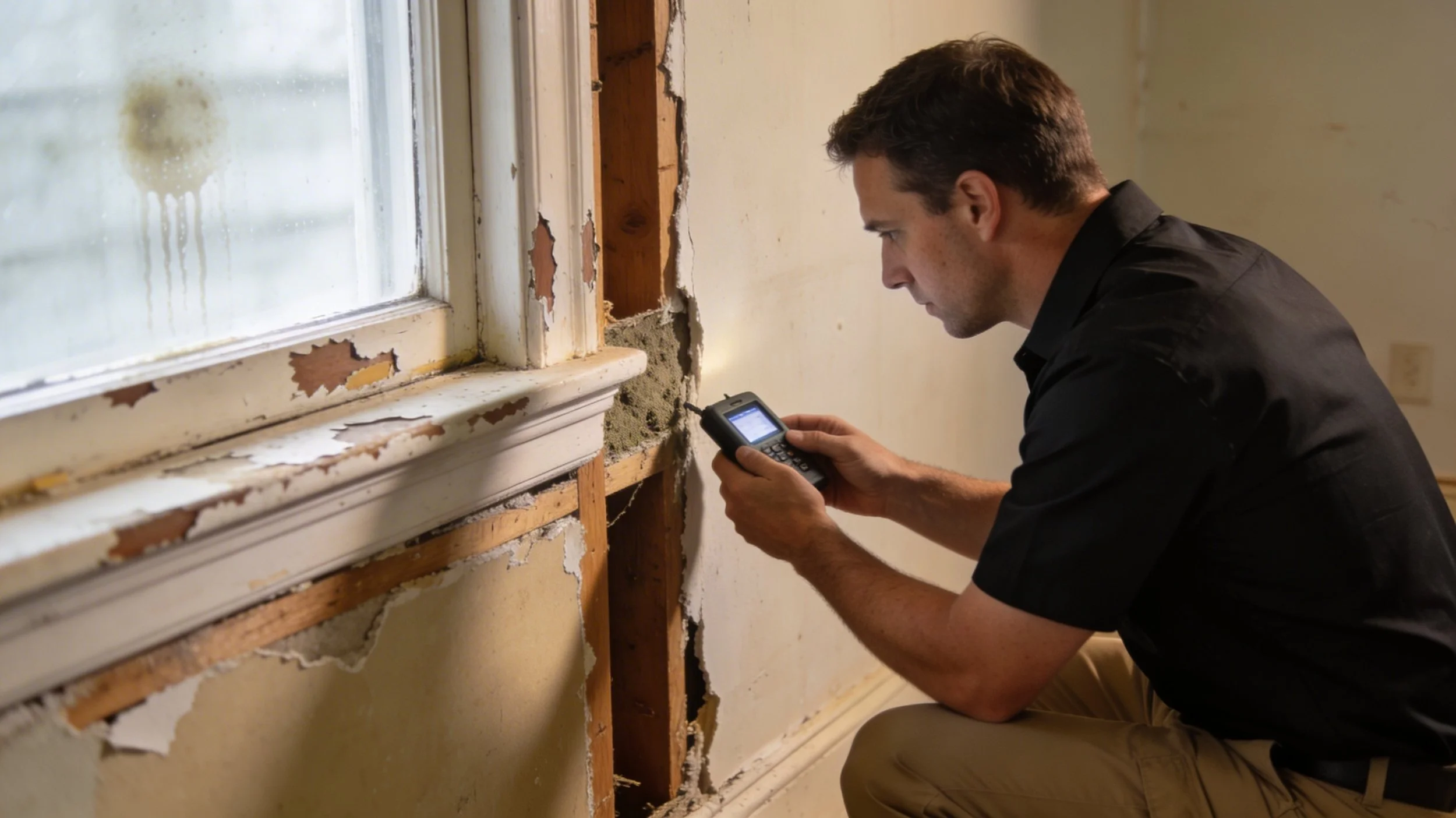
Environmental testing before you invest in a property is not a box to check for the lender—it is one of the most practical ways to protect your capital, your tenants, and your long-term plans for the asset. When you buy a property without understanding its environmental condition, you are essentially making a financial commitment based on incomplete information. Hidden hazards like mold from past water damage, lead-based paint on deteriorating surfaces, and asbestos-containing building materials in ceilings, flooring, and insulation can each carry remediation costs that were never factored into your purchase price or renovation budget. Environmental due diligence is how experienced Michigan investors, property managers, and owners close that information gap before they sign.
For homeowners, landlords, contractors, and investors working across Metro Detroit, Warren, and other Michigan communities, the stakes are higher than they might appear at first glance. Older Michigan housing stock and mid-century commercial buildings frequently contain multiple overlapping hazards. A property that looks like a straightforward value-add opportunity can have significant environmental remediation costs waiting underneath floors, behind walls, and around mechanical systems. EPA and federal liability frameworks create additional pressure: buyers who fail to conduct proper environmental due diligence before purchase may find themselves responsible for cleanup costs tied to contamination they did not cause. Understanding what environmental testing involves, what it reveals, and how to use its findings is a core skill for anyone investing in Michigan real estate.
What Environmental Testing Actually Means for Property Investors
Environmental testing is not a single service—it is a range of evaluations designed to answer specific questions about a property's condition and risk profile. The right combination of testing depends on the property type, its history, and the planned use.
Phase I Environmental Site Assessments
For commercial properties, mixed-use buildings, and larger residential investments, environmental due diligence typically begins with a Phase I Environmental Site Assessment (ESA) conducted under the ASTM E1527-21 standard. A Phase I ESA is a non-invasive review of a property's environmental history and current conditions.
https://www.epa.gov/land-revitalization/revitalization-ready-guide-chapter-3-reuse-assessment
A Phase I ESA typically includes:
Review of historical records and aerial photographs to understand how the property and adjacent sites were used over time
Search of regulatory databases for known contamination, spills, underground storage tanks, or active cleanup sites
A site walkthrough to observe current conditions, including stained soil, unusual odors, distressed vegetation, and improper storage
Interviews with owners, operators, and available records to fill in historical gaps
The goal is to identify "recognized environmental conditions" (RECs)—indications that hazardous substances or petroleum products may be present and could affect property value or use. EPA's land revitalization guidance explains that conducting a Phase I ESA and documenting "all appropriate inquiries" into environmental conditions is a key step for prospective buyers who want to qualify for certain federal liability protections under CERCLA as innocent landowners or bona fide prospective purchasers.
https://www.epa.gov/land-revitalization/revitalization-ready-guide-chapter-3-reuse-assessment
Phase II Testing and Sampling
When a Phase I ESA identifies recognized environmental conditions or when a lender requires confirmation, a Phase II ESA may be recommended. Phase II work involves actually sampling soil, groundwater, building materials, or indoor air to determine whether contamination is present and at what concentrations.
https://baselinecorp.com/uncategorized/phase-1-environmental-site-assessment-process-purpose-and-benefits
Common triggers for Phase II work include:
Known or suspected underground storage tanks or spills on the property
Historic industrial, dry-cleaning, or commercial uses that may have involved solvents or petroleum
Evidence of fill material with unknown origin
Regulatory database hits indicating nearby contamination with potential to migrate onto the site
Phase II findings help buyers decide whether to proceed, renegotiate price, require seller remediation, or walk away from a deal.
Building-Level Hazards That Matter Most for Residential and Small Commercial Investors
For many Michigan buyers focused on single-family homes, small multifamily properties, and smaller commercial buildings, the most relevant environmental concerns are not necessarily large-scale contamination. They are the hazardous materials built into the structure itself.
Lead-Based Paint in Older Housing
Older Michigan homes are very likely to have lead-based paint on some surfaces, particularly windows, doors, trim, and exterior components built under earlier standards. When that paint deteriorates or is disturbed during renovation, it can create fine lead dust that settles throughout a home and on surfaces where children are regularly exposed. CDC is clear that there is no safe level of lead in a child's blood, and that the most effective approach is primary prevention—removing or controlling hazards before exposure occurs.
https://www.cdc.gov/lead-prevention/prevention/index.html
For investors, lead paint testing before or shortly after acquisition helps you:
Understand where lead-based paint exists and where active hazards are present in dust and soil
Budget realistically for lead paint removal or lead paint abatement on high-risk surfaces
Align renovation plans with lead paint laws Michigan enforces and avoid mid-project compliance problems
Document conditions for lenders, insurers, and regulators
Michigan lead paint laws hold landlords to a high standard when it comes to peeling lead paint danger in rental units where children live, including potential criminal liability for owners who fail to act on known hazards.
https://michiganleadpaintinspectors.com/current-laws-hold-landlords-responsible-lead-hazards-properties
Asbestos in Building Materials
Asbestos-containing building materials are common in older Michigan homes and commercial properties, found in ceiling tiles and sprayed textures, vinyl and asphalt flooring and mastics, pipe and boiler insulation, drywall joint compound, and some roofing products. EPA notes that when these materials are disturbed—by cutting, sanding, or demolition without controls—elevated concentrations of asbestos fibers can be released into indoor air, significantly increasing the risk of long-term disease including lung cancer and mesothelioma.
https://www.epa.gov/asbestos/learn-about-asbestos
Critically, best practice is to assume suspect building materials may contain asbestos regardless of when a property was built. Because some imported or foreign-manufactured building materials—including drywall, joint compound, flooring, and ceiling products produced in countries without strong asbestos regulations—can still contain asbestos today, age alone is not a reliable way to rule asbestos out. Regardless of the year your property was built, the safest approach is to treat suspect materials as potentially asbestos-containing until asbestos inspection and asbestos testing prove otherwise.
For investors, that means including asbestos inspection in your pre-renovation or pre-purchase assessment for any property with original building materials, not just older stock. Unplanned discovery of asbestos during demolition is one of the most common causes of renovation budget overruns and schedule delays.
Mold and Water Damage
Mold problems in Michigan investment properties often trace back to moisture: seeping foundations, roof leaks, aging plumbing, and flooding events. Mold is not just a cosmetic issue. NIEHS notes that living or working in damp, moldy buildings is consistently associated with increased respiratory symptoms, asthma, and respiratory infections.
https://www.niehs.nih.gov/health/topics/agents/mold
Common patterns include:
Basement mold after water damage from seepage, sump failures, or sewer backups
Mold after flooding that was not fully dried and remediated
Chronic mold in commercial buildings around flat roof drains and HVAC condensate systems
For investors, a mold inspection or at minimum a thorough moisture assessment during due diligence can reveal water damage mold risk that is not obvious in a standard walkthrough. Mold remediation costs vary widely based on the extent of contamination and the materials involved, but they are almost always more expensive to address after closing than to negotiate before.
How Environmental Testing Protects Your Investment
It Reveals Hidden Costs Before You Commit
The single biggest value of pre-purchase environmental testing is clarity. Understanding whether a property requires asbestos abatement, lead paint removal, mold remediation, or other environmental remediation services before you close gives you options:
Negotiate a price reduction to account for remediation costs
Require the seller to address hazards before closing
Walk away from a deal where the environmental liability outweighs the opportunity
Plan your renovation budget and timeline accurately from the start
Finding out about major asbestos or mold problems mid-renovation—after demolition has already started—is far more disruptive and expensive than discovering them during due diligence.
It Provides Legal and Liability Protection
Federal law under CERCLA allows buyers to qualify for certain liability protections if they conducted "all appropriate inquiries" into a property's environmental condition before purchase. EPA explains that a properly performed Phase I ESA is a core component of meeting that standard, and that buyers who skip this step may find themselves responsible for cleanup costs from contamination that predates their ownership.
https://www.epa.gov/land-revitalization/revitalization-ready-guide-chapter-3-reuse-assessment
For Michigan rental property owners, that legal protection extends to building-level hazards. Documented lead inspections, asbestos surveys, and mold assessments create a record showing you understood your property's condition and took steps to address known hazards. That documentation matters in disputes with tenants, in insurance claims, and when you sell or refinance the asset.
It Helps You Meet Environmental Compliance Expectations
Environmental compliance for property owners in Michigan involves more than avoiding regulatory penalties. Lenders, insurers, and commercial tenants increasingly expect owners to have current information about their properties' environmental conditions. Environmental testing for property managers is becoming standard practice for portfolio owners who want to demonstrate responsible management to partners and stakeholders.
Staying on top of asbestos, lead, and mold conditions in your buildings also supports smoother transactions. Buyers and their lenders will ask about these issues during due diligence, and having current surveys and clearance documentation on file shortens that process.
Practical Environmental Testing Strategies by Investor Type
Residential Buyers and Small Landlords
For single-family and small multifamily acquisitions, you may not order a formal Phase I ESA on every deal, but a scaled environmental testing mindset still applies:
Have suspect flooring, ceiling materials, joint compound, and insulation checked for asbestos before renovation. Because some imported products may still contain asbestos, age is not a reliable guide; test rather than assume.
Order a lead inspection or risk assessment on any older home where lead-based paint may be present, especially when children will be living there.
Inspect basements and lower levels carefully for signs of mold and past water damage, and commission a mold inspection if there is a history of flooding or seepage.
Commercial and Portfolio Investors
For larger deals, environmental due diligence is a standard part of the process:
Phase I ESA under ASTM E1527-21 for each site to identify recognized environmental conditions.
Phase II sampling where Phase I findings or lender requirements indicate further investigation.
Building-level surveys for asbestos in homes and commercial buildings, lead-based paint in older units and common areas, and mold in commercial buildings where water damage history exists.
For asset managers overseeing multiple properties, maintaining current environmental baseline records—updated when major renovations or water events occur—is part of managing portfolio-level risk and supporting future transactions.
Coordinating Environmental Remediation When Testing Reveals Problems
When environmental testing finds problems, the most efficient path forward is usually to coordinate remediation across hazards rather than addressing them in sequence. In many older Michigan properties, lead, asbestos, and mold overlap in the same building systems. Cutting into lead-painted walls may also disturb asbestos-containing joint compound; mold remediation in basements may involve removing flooring with asbestos-containing mastics.
Environmental remediation services that can manage mold remediation, asbestos abatement, and lead paint removal as part of a single coordinated plan reduce duplication of containment setups, minimize disruption, and ensure that addressing one hazard does not inadvertently create or spread another.
Moving Forward: Test Before You Invest
Environmental testing before property investment is not a bureaucratic extra—it is how experienced investors, landlords, and property managers protect their financial position, their tenants, and their long-term plans for an asset. Understanding what mold, lead, asbestos, and site contamination conditions exist in a property before you are committed is always better than discovering them after you own it.
If you are evaluating a Michigan property and want to understand its environmental profile before closing—whether that means a Phase I ESA, targeted asbestos inspection, lead paint evaluation, or a mold assessment—BDS Environmental can help. The team works with homeowners, property managers, contractors, and investors to design environmental testing strategies that fit the asset, coordinate any needed hazardous material removal or remediation, and provide the documentation that supports smart investment decisions. If you are considering a property and want to move forward with a clear picture of its environmental condition, contact BDS Environmental to discuss how to build environmental testing into your investment process.