Can You Sell a House With Asbestos? What Michigan Homeowners Need to Know
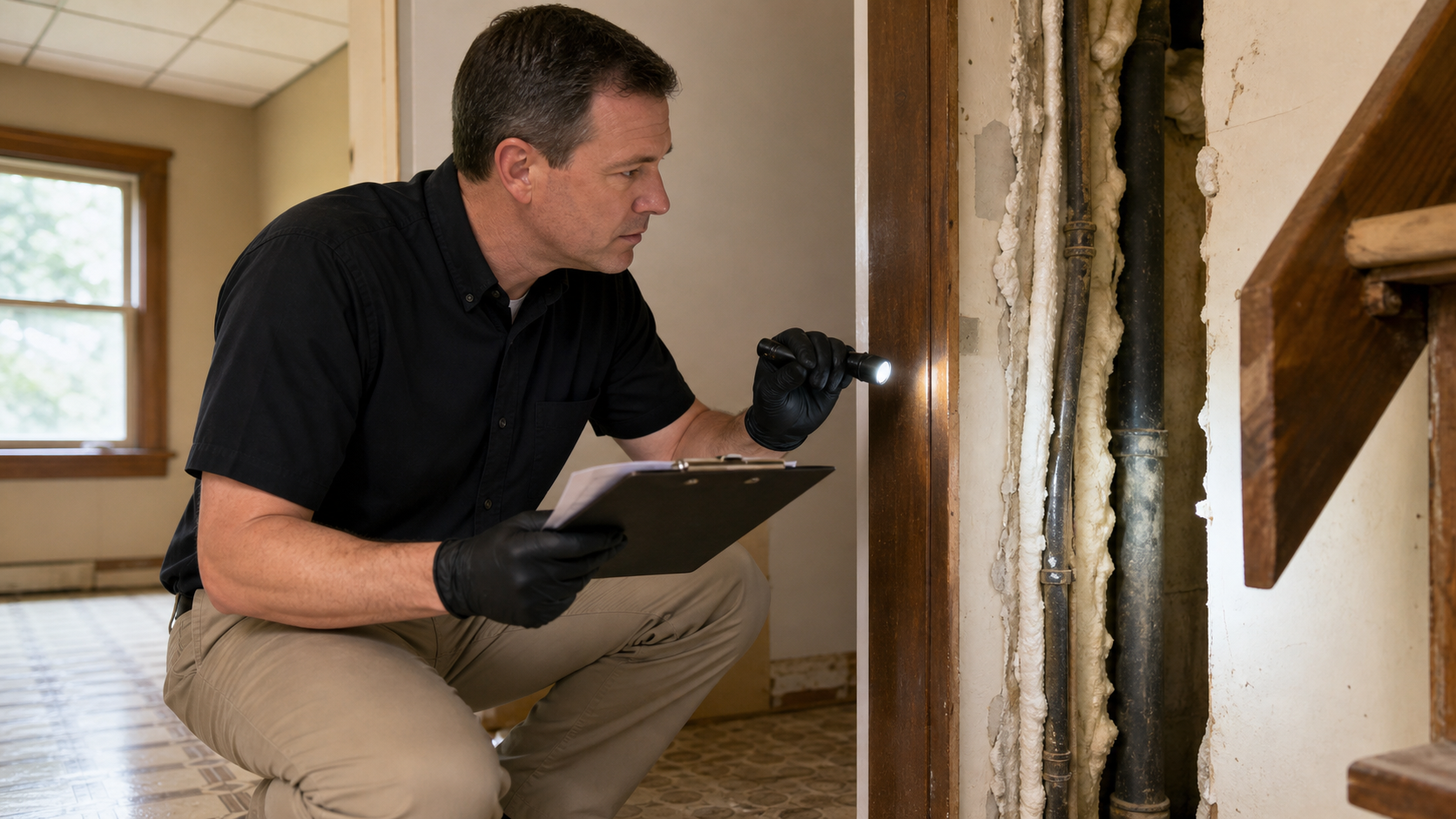
Selling a house with asbestos in Michigan is entirely possible—but how you handle it matters enormously for the transaction, your legal exposure, and the final sale price you walk away with. Many Michigan homeowners in this situation feel caught between two uncomfortable options: disclosing asbestos conditions and watching buyers walk away, or hoping it never comes up and accepting the liability that follows. Neither of those is the right approach. The reality is that asbestos in a home is a manageable condition, not an automatic deal-killer, and sellers who understand their options are consistently better positioned than those who try to navigate the situation without information or professional support.
For homeowners across Metro Detroit, Warren, and other Michigan communities, older housing stock means asbestos-containing materials are present in a meaningful share of the properties that change hands every year. Ceiling tiles, vinyl flooring and mastics, joint compound, pipe insulation, and roofing materials in homes built under past construction standards frequently contain asbestos—and because some imported building products manufactured in countries without stringent asbestos regulations can still contain asbestos today, the presence of newer-looking materials is not a reliable assurance that asbestos is absent. Understanding what Michigan disclosure law requires, what buyers and their lenders will expect, and how to use asbestos inspection and abatement strategically is what separates sellers who close smoothly from those who face renegotiation, delayed closings, and price reductions they did not plan for.
The Short Answer: Yes, You Can Sell—With the Right Approach
Michigan law does not prohibit the sale of a home because it contains asbestos-containing materials. Asbestos in an intact, non-friable condition is not automatically a barrier to closing a real estate transaction. What Michigan law and sound practice do require is honest disclosure of known material defects—and asbestos, once identified, falls squarely into that category.
Michigan's Seller Disclosure Act requires sellers to disclose known conditions that materially affect the property's value or desirability. A seller who knows asbestos-containing materials are present in the home has a clear obligation to disclose that information. Attempting to conceal known asbestos conditions creates post-closing legal exposure that can be significantly more costly than the remediation itself would have been.
https://www.legislature.mi.gov/Laws/MCL?objectName=mcl-565-957
The seller's position is strongest when asbestos conditions are documented, disclosed accurately, and addressed appropriately—either through abatement before listing or through informed negotiation with buyers who understand what they are purchasing and at what price.
What Buyers and Their Lenders Will Look For
Buyer Due Diligence and Home Inspection
Most buyers of Michigan homes commission a home inspection before closing. General home inspectors are not certified asbestos professionals and will not definitively identify asbestos-containing materials, but they will often flag suspect materials—damaged ceiling tiles, original vinyl flooring, deteriorating pipe insulation—and recommend asbestos testing as a follow-up step. When a buyer's inspector recommends asbestos testing, the transaction pauses until that evaluation is completed.
For sellers who have not had a professional asbestos inspection before listing, this puts them in a reactive position at exactly the wrong moment—with a motivated buyer waiting for results, a closing date on the calendar, and a remediation timeline that may not fit neatly into either party's schedule.
Lender Requirements
Conventional lenders financing homes with known asbestos conditions may require that friable or damaged asbestos-containing materials be remediated before funding the loan. FHA and VA loans have specific property condition requirements, and appraisers working under those guidelines are expected to flag conditions that affect habitability or safety. If asbestos is identified during appraisal or inspection and the lender requires remediation as a condition of financing, the seller either completes the abatement, negotiates a price reduction to allow the buyer to fund it after closing, or loses the buyer.
Understanding this dynamic before listing is significantly better than discovering it under contract.
Why Asbestos Inspection Before Listing Is the Strategic Move
Know What You Have Before Buyers Do
The most consistent advice from Michigan real estate and environmental professionals is to commission a professional asbestos inspection before the property goes to market. A certified asbestos inspector samples suspect materials throughout the home, submits samples for laboratory analysis, and produces a written report identifying where asbestos-containing materials are present, their condition, and recommended management or remediation steps.
EPA notes that visual inspection alone cannot determine whether a material contains asbestos—laboratory analysis of collected samples is the only reliable method.
https://www.epa.gov/asbestos/learn-about-asbestos
Having that report in hand before listing gives you:
Accurate information to complete seller disclosure forms correctly and completely
Documentation you can provide to buyers, their agents, and lenders proactively
The ability to make strategic decisions about pre-listing abatement before you are under contract
A baseline that prevents buyers from using asbestos uncertainty as leverage during negotiation
The Imported Materials Factor
Best practice is to assume suspect building materials may contain asbestos regardless of when a property was built. Because some imported or foreign-manufactured building products—including drywall, joint compound, flooring, and ceiling tiles from countries without stringent asbestos regulations—can still contain asbestos today, construction date alone is not a reliable way to rule it out. Regardless of the year your property was built, the safest approach is to treat suspect materials as potentially asbestos-containing until asbestos inspection and asbestos testing prove otherwise.
This is especially relevant for sellers of homes that have been partially renovated over the years using materials of uncertain origin. A home that has had multiple updates using imported or unverified products may have asbestos-containing materials in areas a buyer would not expect.
Seller Options When Asbestos Is Identified
Option One: Complete Asbestos Abatement Before Listing
Sellers who complete professional asbestos abatement before listing remove the issue from the transaction entirely. A certified asbestos abatement contractor removes identified asbestos-containing materials using proper containment, negative air pressure, HEPA filtration, and regulated disposal procedures, followed by clearance air sampling to confirm the area is clean. With abatement complete and clearance documentation in hand, the seller can disclose that asbestos was identified and professionally remediated—turning a potential liability into a demonstration of responsible stewardship.
Pre-listing abatement makes the most financial sense when:
Friable or damaged asbestos-containing materials are present that will likely trigger lender requirements anyway
The seller wants to market the property to the broadest possible buyer pool, including those using FHA or VA financing
The scale of abatement is manageable within the seller's timeline before listing
Completing abatement protects against price reductions that would likely exceed the abatement cost
Option Two: Price the Property to Reflect Conditions and Disclose Fully
For sellers who prefer not to complete abatement before listing, selling the property in as-is condition with full disclosure and appropriate pricing is a legitimate strategy—particularly for transactions involving investors, cash buyers, and contractors who expect to do significant renovation work and will factor remediation into their purchase price.
This approach works when:
The buyer pool is investors and developers who are comfortable with asbestos conditions and have their own remediation resources
The asbestos-containing materials are non-friable, in good condition, and not requiring immediate action
The price reflects the cost of future abatement, giving buyers no reason to walk away when conditions are confirmed
All conditions are disclosed accurately in writing so there is no post-closing exposure for concealment
Option Three: Negotiate Remediation as Part of the Transaction
When asbestos is discovered during buyer due diligence after the property is already under contract, sellers can negotiate remediation as a condition of closing—either completing abatement before closing or providing a price reduction that allows the buyer to fund it. This is the least predictable of the three scenarios because it introduces timeline and cost variables into an active transaction, but it is a workable resolution when both parties are motivated to close.
Michigan Disclosure Obligations Sellers Must Understand
Michigan's Seller Disclosure Act requires sellers to disclose known defects and conditions that materially affect the property. Asbestos-containing materials that have been identified through testing fall within that disclosure obligation. Sellers who complete an asbestos inspection before listing and discover asbestos must disclose those findings.
Sellers who choose not to test before listing cannot disclose what they do not know—but choosing not to test does not eliminate liability if it later emerges that the seller had reason to know asbestos was likely present and took steps to avoid confirmation. In Michigan, courts and arbitrators can distinguish between genuine lack of knowledge and deliberate avoidance of information.
Working with a qualified Michigan real estate attorney alongside environmental professionals ensures that your disclosure is accurate, complete, and legally protective.
How Asbestos Intersects with Other Conditions in Michigan Homes
In many older Michigan homes being sold, asbestos does not stand alone as the only environmental condition relevant to the transaction. Sellers may also be dealing with:
Lead-based paint in homes where lead-based paint may be present under earlier building standards. Federal disclosure rules require sellers to disclose known lead-based paint and lead hazards to buyers, provide an EPA-approved pamphlet, and include specific language in the sales contract.
https://www.epa.gov/lead/real-estate-disclosureMold conditions from past water events, deferred maintenance, or basement moisture that may have been partially addressed but not professionally remediated. Mold that was cleaned with bleach and appears resolved may still have active growth beneath treated surfaces—a condition that will surface during buyer inspection.
Overlapping hazards where removing asbestos-containing flooring, ceiling tiles, or joint compound during pre-sale remediation may also disturb lead-painted surfaces, requiring coordinated environmental remediation services that address both hazards safely.
For sellers managing multiple environmental conditions, working with an environmental services Michigan firm that can assess and coordinate asbestos, lead, and mold conditions under a single plan is more efficient and typically produces cleaner documentation for the transaction than managing each issue separately with different contractors.
What Professional Asbestos Documentation Does for Your Transaction
Current, professional asbestos inspection documentation supports every stage of a Michigan real estate transaction:
During listing: Accurate seller disclosure completed without guesswork
During inspection period: Proactive answers to buyer and lender questions without scrambling to arrange testing under contract timelines
During appraisal: Documentation showing known conditions have been evaluated and either remediated or priced accordingly
At closing and beyond: A record demonstrating that the seller disclosed accurately and acted in good faith—protection against post-closing claims
For sellers of older Michigan homes, this documentation is not a bureaucratic formality. It is the paper trail that protects you after the keys change hands.
Selling With Confidence Starts with Knowing What You Have
The homeowners and investors who navigate asbestos conditions most successfully in Michigan real estate transactions are the ones who get professional information early, disclose accurately, and make strategic decisions based on facts rather than assumptions. Whether you complete asbestos abatement before listing, price the property to reflect conditions, or negotiate remediation as part of closing, starting from a position of knowledge consistently produces better outcomes than hoping the issue does not come up.
If you are preparing to sell a Michigan home and want to understand whether asbestos-containing materials are present, what their condition is, and what your options are for addressing them before or during the transaction, BDS Environmental can help. The team works with homeowners, investors, property managers, and real estate professionals throughout Michigan to conduct professional asbestos inspections, provide clear written documentation of findings, and execute asbestos abatement when it is the right move for the property and the transaction. If asbestos is a question for your upcoming sale, contact BDS Environmental to get the professional assessment that puts you in the strongest possible position before you list.