How Water Intrusion Leads to Long-Term Mold Problems
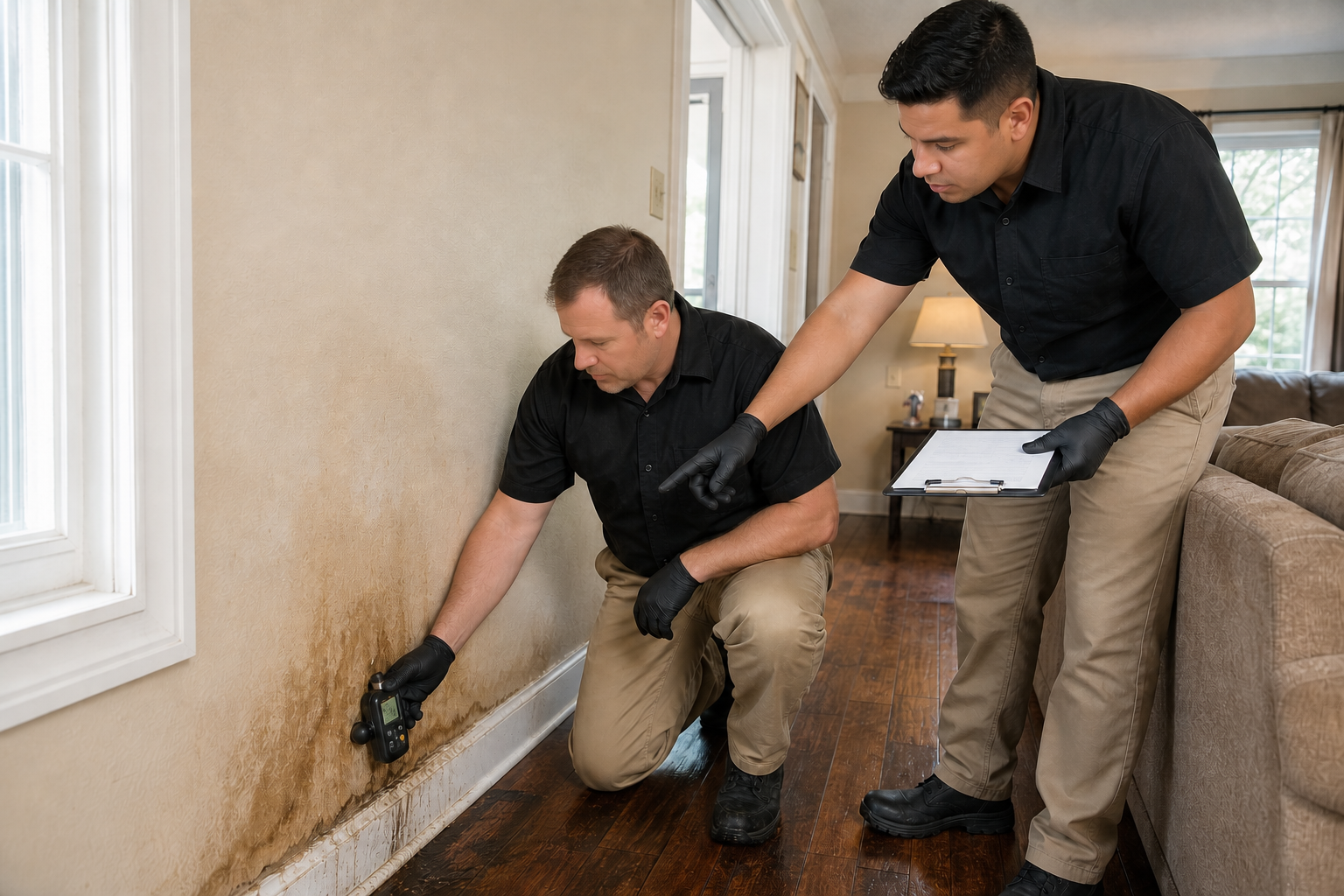
Water intrusion rarely stays a one-time event. What starts as a roof leak, plumbing failure, seepage issue, or storm-related moisture problem can turn into a persistent mold condition if the building is not dried quickly and thoroughly. For homeowners, property managers, contractors, and investors, that is where the real risk begins. The visible water may be gone, but the moisture left behind in drywall, flooring, insulation, framing, and air cavities can continue to drive mold growth long after the original incident feels “over.”
That is why long-term mold problems are usually moisture problems first. In the field, mold remediation is often less about what you can see on the surface and more about what stayed wet behind it. A musty odor, basement mold after water damage, staining that returns, warped finishes, or recurring complaints about indoor air quality hazards are all signs that water intrusion may have created conditions for ongoing mold growth rather than a short-term cleanup issue.
Why Water Intrusion Creates Lasting Mold Risk
The connection between moisture and mold is straightforward, but the consequences are often underestimated. The EPA’s mold and moisture guide says mold will grow where there is moisture, and it recommends drying water-damaged areas and items within 24 to 48 hours to help prevent mold growth. The EPA’s mold course guidance makes the same point, noting that wet areas should generally be dried within 48 hours to help prevent mold from taking hold.
That window matters because many buildings do not fully dry as fast as people assume. Carpet backing, underlayment, insulation, wall cavities, wood framing, and lower sections of drywall can stay wet even after surfaces feel dry. Once moisture is trapped inside assemblies, the water damage mold risk shifts from cleanup to long-term building contamination.
The Moisture You Cannot See Is Often the Bigger Problem
One of the biggest reasons water intrusion leads to long-term mold problems is that moisture spreads beyond the obvious point of entry. A roof leak may affect insulation and wall cavities before it stains a ceiling. A plumbing failure may travel under flooring or behind cabinets. Foundation seepage can keep lower walls, trim, and stored contents damp for weeks in a basement or utility area.
The American Lung Association’s mold guidance explains that excessive mold indoors indicates there is too much moisture in the building and that moisture can build up from leaks, rainwater intrusion, poor ventilation, or water vapor in the air. That is why a mold smell in house often shows up before obvious visible growth. By the time occupants notice the odor, the moisture problem may already be affecting materials behind the finish surfaces.
Small Water Events Can Turn into Big Mold Problems
People tend to take major flooding seriously, but smaller water events are often what create stubborn mold issues later. A slow plumbing drip, recurring window leak, roof flashing failure, clogged condensate line, or minor appliance leak may not seem urgent because there is no dramatic standing water. But those lower-volume intrusions can keep materials wet for long periods, which is exactly what mold needs.
The EPA water damage cleanup table is designed around response to clean water damage within 24 to 48 hours because delayed drying sharply increases the chance of mold growth. In real-world properties, especially older homes, rental units, and mixed-use buildings, the problem is often not one catastrophic water event. It is repeated or unresolved moisture that never got fully corrected.
Why Mold Keeps Returning After Cleanup
One of the clearest signs of a long-term moisture issue is recurring mold after surface cleaning. If a wall, ceiling corner, basement section, or closet keeps showing mold even after being wiped down or painted, the building likely still has an active moisture source or retained moisture inside materials. In that situation, mold removal efforts may improve appearance temporarily without changing the actual conditions driving the growth.
The CDC mold cleanup guidance says the needed cleanup depends on how much water damage occurred and where mold is growing, and it advises proper protective equipment during cleanup. The CDC homeowners and renters guide after disasters also states that after remediation there should be no signs of water damage or mold growth, which is an important practical standard. If the problem returns, it usually means the remediation process did not fully address the moisture source, the hidden extent of damage, or both.
Porous Materials Make Long-Term Problems Worse
Water intrusion becomes more complicated when porous building materials are involved. Drywall, insulation, ceiling tiles, carpet, backing, paper-faced materials, and some wood products absorb and hold moisture more easily than people realize. Even if those materials do not look badly damaged from the outside, they can support mold growth inside or behind the material once they stay damp too long.
The EPA’s cleanup table PDF explains that different materials respond differently to water exposure and that some materials may need removal and replacement if they cannot be dried effectively or if mold has already occurred. That is why mold remediation Michigan projects often involve more than cleaning. The work may require selective demolition, drying, disposal of unsalvageable materials, and confirmation that the moisture source has actually been stopped.
Flooding and Basement Water Are Especially High Risk
Basements, crawl spaces, and lower-level utility areas are some of the most common places for long-term mold problems to develop after water intrusion. These spaces tend to dry more slowly, often have less airflow, and may be affected by seepage, humidity, condensation, or drainage issues even after an obvious water event ends. When a property has mold after flooding, the moisture burden is often larger and more persistent than people realize.
The American Lung Association says the best way to control mold indoors is to control the sources of moisture, including fixing leaks quickly, directing downspouts away from the building, increasing ventilation, and keeping indoor humidity below 50 percent. In field terms, that means basement mold after water damage is rarely solved by cleaning alone. If drainage, seepage, humidity, or trapped moisture remain, the mold condition usually returns.
Long-Term Mold Affects More Than Building Materials
When water intrusion leads to ongoing mold growth, the damage is not limited to drywall and trim. It can affect tenant satisfaction, leasing timelines, renovation schedules, indoor air quality complaints, and maintenance budgets. In rental and commercial settings, mold remediation for landlords and response planning for property managers often become operational issues as much as environmental ones.
The American Lung Association also notes that exposure to mold can trigger allergic reactions and asthma symptoms, and that damp indoor environments themselves can contribute to respiratory problems. That is one reason mold in commercial buildings and multi-unit housing often demands a faster, more structured response. The longer moisture and mold remain active, the harder the issue becomes to isolate, explain, and control.
Professional Response Matters When the Scope Is Unclear
Not every mold problem requires a large remediation project, but water intrusion should always raise the threshold for investigation. If the affected area is large, if porous materials stayed wet too long, if the moisture source is still active, or if occupants are reporting odors or symptoms, a professional mold inspection is usually the smarter next step. That is especially true when the visible mold is only a small part of what may be happening inside the assembly.
The American Lung Association notes that the EPA recommends professional help when mold covers more than 10 square feet. In practice, however, even smaller visible areas can justify professional evaluation when the water intrusion history suggests hidden spread. That is where environmental testing for property managers and a defined mold remediation process become valuable, especially for occupied buildings.
What Property Owners Should Do After Water Intrusion
Once water gets into a building, the response should be immediate and structured. The goal is not just to dry what is visible. The goal is to identify where moisture traveled, what materials were affected, and whether those materials can actually be dried before mold becomes established.
A practical response usually includes:
Stop the source of water immediately.
Remove standing water as quickly as possible.
Start drying with airflow and dehumidification right away.
Check hidden areas, not just finished surfaces.
Remove or evaluate porous materials that stayed wet too long.
Watch for ongoing odor, staining, or humidity problems.
Bring in a professional when the scope is unclear or the problem returns.
The CDC cleanup guidance recommends personal protective equipment during mold cleanup and says people with asthma, COPD, or weakened immune systems should not stay in a moldy home while it is being cleaned. That is another reminder that long-term mold problems are not just maintenance issues. They are health, occupancy, and property-performance issues.
Why Early Action Prevents Bigger Remediation Later
The most expensive mold jobs are often the ones that started as “minor” water issues that were never fully dried, investigated, or repaired. Water intrusion that reaches wall cavities, flooring systems, insulation, or basements can create a slow-moving mold condition that gets worse quietly. By the time the odor is obvious or materials start failing, the scope is usually larger than expected.
That is why quick drying, proper investigation, and a realistic assessment of water damage mold risk matter so much. For homeowners, contractors, landlords, and investors, the best long-term strategy is to treat water intrusion as a building systems problem, not just a cleanup task. If you suspect moisture has led to hidden mold growth in your home, rental property, or commercial space, contact BDS Environmental to discuss mold inspection, mold remediation, and environmental remediation services. Addressing the moisture problem early is one of the best ways to protect indoor air quality and keep a manageable issue from becoming a much larger one.