What Makes a Mold Problem “Unsafe”?
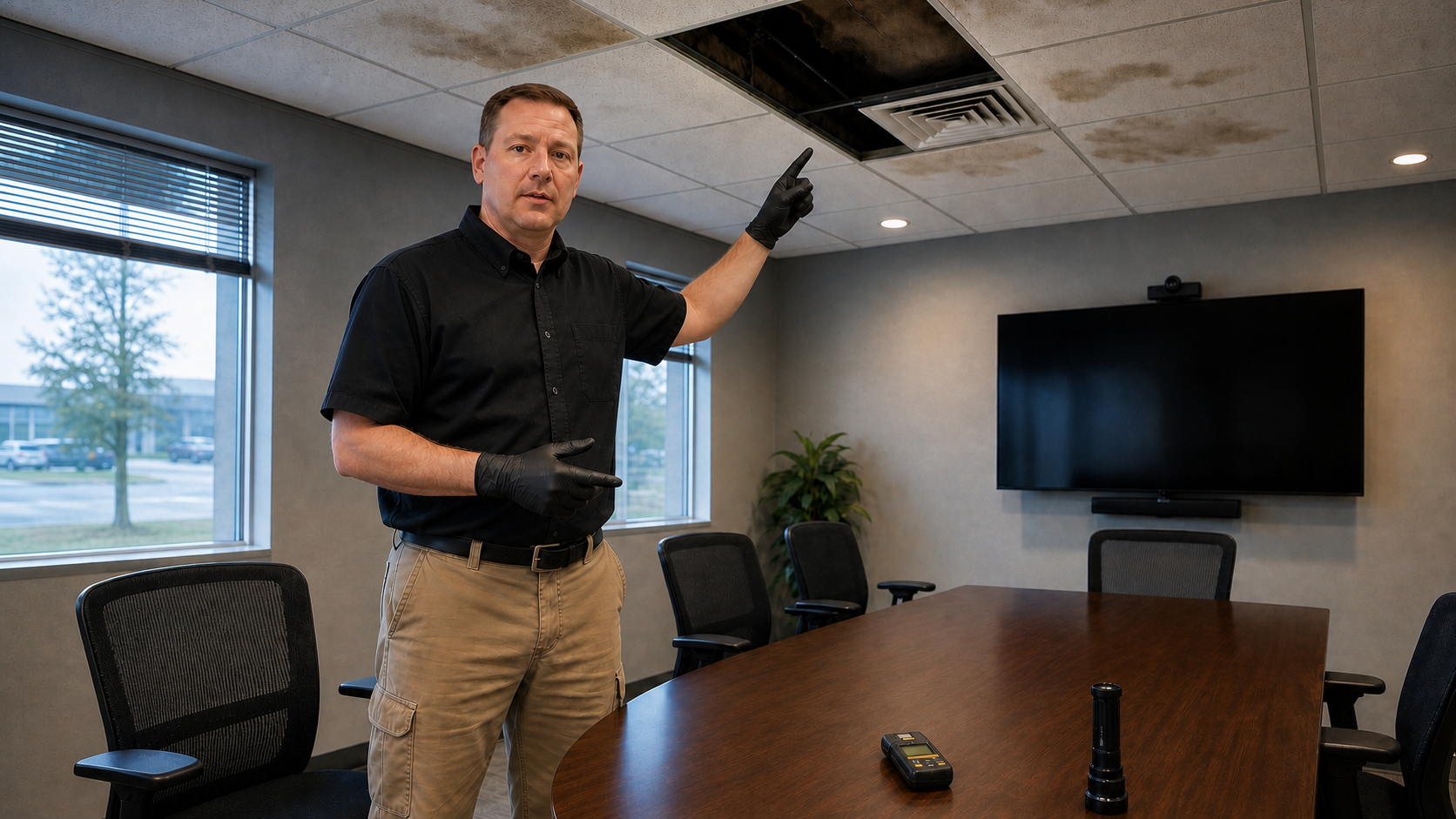
Not every mold issue means a building is unsafe. A small spot on a hard bathroom surface may be a maintenance issue, while mold tied to hidden moisture, occupant symptoms, contaminated water, or widespread damage is a much more serious problem. For homeowners, property managers, contractors, and investors, the challenge is knowing when a mold problem has crossed the line from inconvenient to unsafe.
That distinction matters because mold is rarely just a surface problem. A musty odor, staining around baseboards, recurring growth after cleanup, or basement mold after water damage can all point to a bigger moisture issue inside walls, under flooring, above ceilings, or within mechanical spaces. In Michigan properties, especially older homes, multi-unit buildings, and commercial spaces, understanding that difference helps people respond early, protect occupants, and avoid a much larger mold remediation process later.
Unsafe Usually Means More Than “Visible Mold”
A mold problem is usually considered unsafe when it is extensive, hidden, tied to an active water source, or affecting the health and use of the building. The EPA says mold has the potential to cause health problems, produces allergens and irritants, and can trigger asthma attacks in sensitive people, while the American Lung Association notes that indoor dampness and mold can contribute to respiratory symptoms and building-related moisture concerns.
In other words, “unsafe” is not defined by appearance alone. It is defined by scope, moisture conditions, occupant exposure, and whether the problem can actually be cleaned and corrected without spreading contamination or leaving damaged materials behind.
Size and Hidden Spread Matter
One of the clearest warning signs is size. The American Lung Association says the EPA recommends professional help when mold covers more than 10 square feet, or roughly a 3-by-3-foot area, because larger contamination often requires more than simple surface cleaning.
Hidden mold can be just as serious as large visible growth. Mold behind drywall, above ceiling tiles, under flooring, or inside wall cavities can keep spreading while remaining mostly out of sight, which is one reason a persistent mold smell in house should never be brushed off as “just stale air.” If the odor returns, the staining keeps spreading, or materials feel damp, the actual mold problem may be far larger than what is visible on the surface.
Active Moisture Makes Mold Unsafe
Mold is a symptom of moisture, not a standalone event. The EPA states that the key to mold control is moisture control and recommends drying water-damaged areas and items within 24 to 48 hours to help prevent mold growth.
The American Lung Association also says excessive mold indoors indicates there is too much moisture in the building, and it points to leaks, poor ventilation, damp carpet, condensation, and plumbing problems as common contributors. That means a mold problem becomes unsafe when the source of water is still active, because any cleanup done before fixing the moisture source is usually temporary.
This is especially important when evaluating water damage mold risk. A roof leak, plumbing leak, slab seepage, humid crawl space, or poorly ventilated basement can keep materials wet enough for mold to return, even after a visible area has been scrubbed or painted over.
Occupant Symptoms Change the Conversation
A mold problem should be treated more seriously when people in the building are developing symptoms that may be linked to exposure. The EPA says mold exposure can irritate the eyes, skin, nose, throat, and lungs in both mold-allergic and non-allergic people, and it can also trigger asthma attacks in sensitive individuals.
The American Lung Association links exposure to indoor mold with coughing, wheezing, nasal congestion, sore throat, sneezing, and worsening asthma symptoms. In real-world property management, that means the issue is no longer cosmetic when occupants are coughing more in one unit, experiencing stronger symptoms in one office area, or reporting ongoing irritation in a room that also has musty odor, staining, or repeated moisture problems.
This is one reason mold inspection is so important. If people are reacting to a space, the question is not just whether mold is present. The question is where moisture is coming from, how far contamination has spread, and whether the indoor air quality hazards extend beyond the visible area.
“Black Mold” Is Not the Right Standard
Many people assume a mold problem is only unsafe if it is “black mold,” but that is too simplistic. The Cleveland Clinic notes that black mold exposure can make people sick, especially if they have mold allergies, because spores and other mold byproducts can enter the air.
At the same time, the American Academy of Allergy, Asthma & Immunology says the evidence does not support many of the broad claims often grouped under “toxic mold syndrome,” even though indoor mold exposure is associated with allergy and respiratory concerns. In practical terms, unsafe mold is not determined by color. It is determined by building conditions, occupant response, moisture source, and how much contamination is actually present.
That matters because people often search for black mold symptoms when what they really need is a qualified assessment of any mold growth, not just dark-colored growth. Focusing only on color can delay the right response.
Flooding, Sewage, and Contaminated Water Raise the Risk
Some mold conditions are unsafe because of the kind of water involved. The American Lung Association says that if water buildup was caused by sewage, floods, or other contaminated water, a professional should be called.
That is especially important after flooding events, drain backups, or heavy water intrusion in basements and lower-level commercial spaces. In those situations, porous materials such as carpet, ceiling tiles, insulation, and drywall are often too damaged to clean thoroughly, and the American Lung Association says materials that cannot be cleaned or are too damaged to reuse should be discarded.
This is where mold removal becomes more than a cleanup task. It becomes a controlled remediation project that may require removal of wet materials, drying of structural components, containment, and documentation of what was affected.
Vulnerable Occupants Lower the Threshold
A mold problem becomes unsafe faster when vulnerable people are involved. The EPA and American Lung Association both note that mold and dampness can aggravate asthma and respiratory irritation, which means infants, older adults, people with asthma, and people with existing respiratory issues may be affected more quickly or more severely.
For landlords, property managers, and employers, that raises the stakes. Mold remediation for landlords, environmental testing for property managers, and fast response in occupied buildings are not just maintenance choices. They are part of protecting occupants, reducing complaints, and limiting liability in homes, apartments, offices, and mold in commercial buildings.
DIY Cleanup Has Limits
Not every mold problem requires a major remediation contractor, but many do. The American Lung Association says small surface mold can sometimes be cleaned with warm water and mild detergent, but larger areas require more caution, including protective gear such as an N-95 mask, disposable gloves, and goggles.
The EPA also says moldy absorbent materials such as ceiling tiles and carpet may need to be replaced rather than cleaned. The American Lung Association further notes that bleach can irritate the lungs and is not the recommended solution for mold cleanup on larger affected areas.
From a field-professional standpoint, a mold issue becomes unsafe for do-it-yourself handling when the source of water is unknown, the material is porous, the contamination is hidden, the space is occupied, or the problem returns after cleaning. That is usually the point where professional mold removal and a defined mold remediation process make more sense than repeated surface cleaning.
Recurring Mold Is a Serious Warning Sign
If mold keeps coming back, the problem was never fully solved. The Minnesota Department of Health says all indoor mold growth should be removed promptly and recommends drying wet materials in 24 to 48 hours, repairing leaks quickly, and maintaining indoor humidity below 60 percent for much of the year.
Recurring growth usually points to one of four issues: unresolved moisture, incomplete removal of damaged material, hidden contamination, or poor humidity control. That is why repeated repainting, wiping, or spot treatment is not a reliable answer when the same corner, wall, ceiling edge, or basement area keeps showing signs of mold.
A Practical Standard for Property Owners
For most property owners, the simplest way to think about it is this: a mold problem is unsafe when it is larger than a small surface patch, connected to active moisture, causing occupant symptoms, tied to contaminated water, hidden inside building materials, or returning after cleanup. At that point, the issue is no longer basic housekeeping. It is a building condition problem.
That is where professional mold inspection, targeted testing when appropriate, and a clear remediation scope matter most. The goal is not just to remove what is visible. The goal is to identify the source, define the actual extent, protect indoor air quality, and return the property to a stable condition.
If you suspect a mold problem in your home, rental property, or commercial building has crossed into unsafe territory, contact BDS Environmental to discuss mold inspection, mold remediation, and environmental remediation services. Getting clear answers early is one of the best ways to protect the people in the building and keep a manageable issue from turning into a much bigger one.