What Is an Environmental Completion Report?
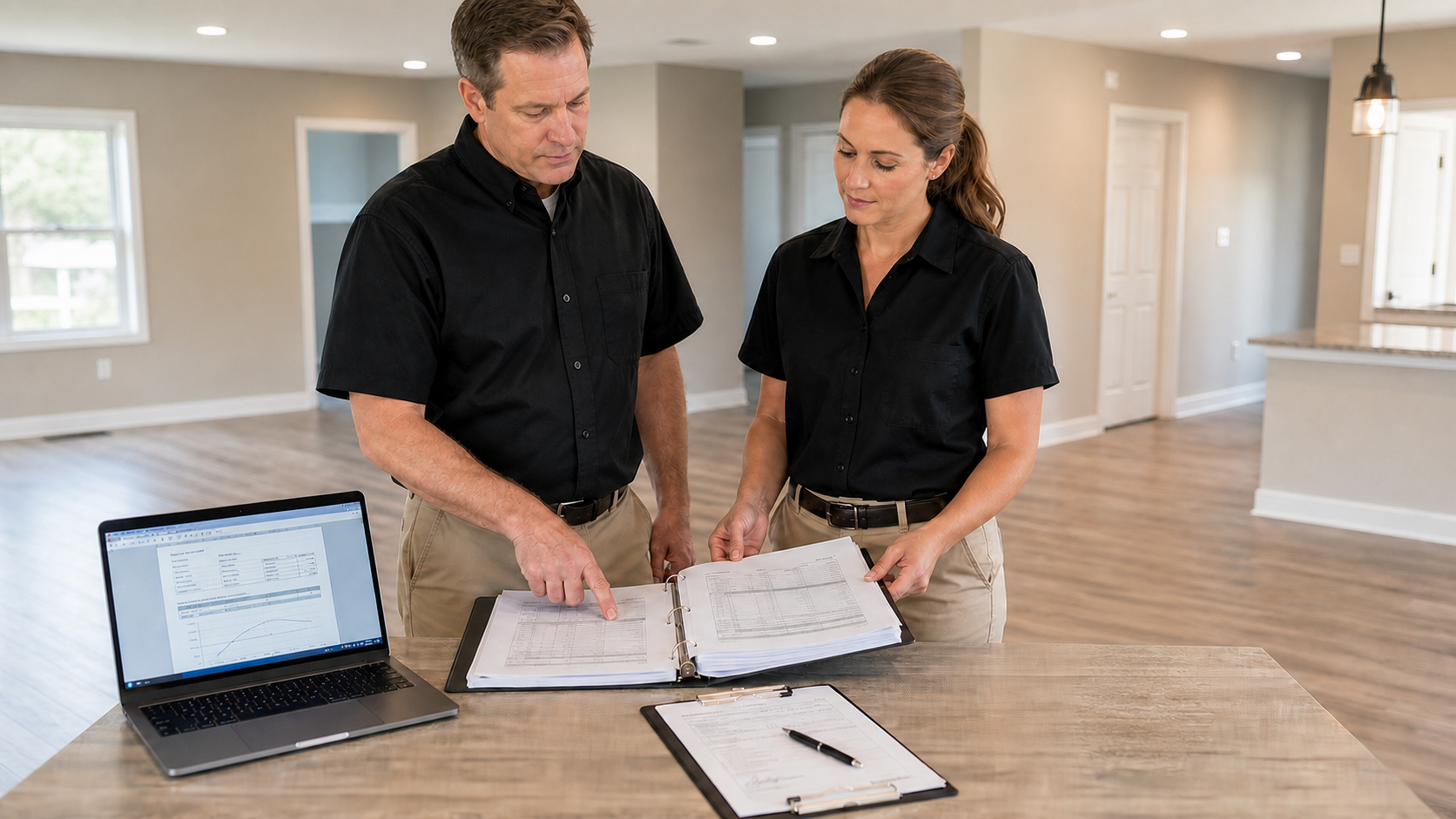
An environmental project is not really finished just because the crew has packed up, the containment is down, or the damaged material is gone. For property owners, contractors, property managers, and investors, the last step is often documentation that shows what work was done, what standards were used, and whether the site or work area met the project’s completion requirements. That is where an environmental completion report comes in. In practical terms, it is the paperwork that helps connect the field work to the final outcome.
The important thing to understand is that “environmental completion report” is not always one universal form with one universal title. Depending on the scope, it may take the form of an asbestos final clearance report, an amendment and completion notification, a lead clearance examination report, or a mold post-remediation verification document. What all of those have in common is simple: they document that the work reached a defined endpoint and provide a record that owners, managers, regulators, tenants, or future buyers can rely on.
What It Means
At its core, an environmental completion report is the closeout document for an environmental job. It typically records the location, the type of hazard addressed, the scope of work performed, the dates of the project, and the results of any required final inspection, notification, or clearance activity. In some cases, it also includes supporting items such as laboratory results, photographs, waste documentation, final observations, and notes about whether additional action is still needed.
That is why this kind of report matters so much in environmental remediation services. Without closeout documentation, a property owner may know that asbestos removal, lead paint abatement, or mold remediation happened, but still have no clear written record showing whether the project met the intended finish line. For environmental compliance property owners need to maintain, that final documentation can be just as important as the removal work itself.
Why It Matters
An environmental completion report helps answer the questions that tend to come up after the work is done. Was the hazardous material actually removed or properly addressed. Was final clearance achieved where required. Were the right inspections, notifications, or reports submitted. Is the area ready for re-occupancy, reconstruction, sale, or the next phase of work.
That matters because environmental documentation does more than fill a file. The environmental compliance reporting source we reviewed explains that these kinds of reports help prove compliance with applicable laws and standards, support oversight, and protect facilities and operations from liability. In day-to-day property terms, that means an environmental completion report can help reduce confusion between owners, contractors, tenants, lenders, and regulators about whether the job is actually complete.
What It Usually Includes
While the exact content depends on the project type, a good environmental completion report usually includes a few core elements:
Property or project location, including the specific area where the work occurred.
Description of the environmental issue, such as asbestos-containing materials, lead hazards, mold contamination, or other hazardous material removal concerns.
Scope of work performed, such as asbestos abatement, lead paint removal, mold remediation, or related cleanup steps.
Project dates, including start date, stop date, and actual completion date where required.
Final inspection, testing, or clearance findings, where applicable.
Supporting records, which may include lab results, chain of custody, photographs, or reference to the protocol used.
Statement of completion, or a record that further work is still required if the project did not pass final verification.
That list is part of why completion reports are so useful for environmental testing for property managers and owners overseeing multiple vendors or occupied buildings. A well-prepared report creates one place where the project history, final status, and next-step information can be reviewed without relying on scattered emails or verbal updates.
Asbestos Examples
On asbestos projects, the completion report often centers on final clearance and final notification. The City of Philadelphia lists an Asbestos Abatement Final Clearance Report as a form used to report the results of a final clearance inspection for an asbestos abatement project. The same city resource also lists demolition requirements tied to asbestos inspection and abatement, which shows how closeout documentation fits into the larger compliance process.
A different agency example shows the same basic idea from another angle. The Olympic Region Clean Air Agency says that after asbestos work is finished, the responsible party must submit an amendment and completion notification documenting the actual completion date, and it also says copies of the survey, asbestos notification, and amendments must be kept on site for review. In field terms, that means asbestos removal is not only about taking out the material. It is also about documenting survey findings, required notifications, and the final completion status of the project.
This is also a good place to restate the asbestos language you want carried through these blogs. Regardless of the year your property was built, the safest approach is to treat suspect materials as potentially asbestos-containing until testing proves otherwise. Because some imported products may still contain asbestos, age alone is not a reliable way to rule out asbestos, and a government notice on asbestos in imported building products reports that asbestos has been found in a range of imported goods and building materials.
Best practice is to assume suspect building materials may contain asbestos regardless of construction date, especially drywall and joint compound, flooring and mastics, ceiling tiles and textures, and imported products or components. Imported or foreign-manufactured building materials can still contain asbestos today, so the safest approach is to test rather than rely on age alone.
Lead Examples
Lead projects show even more clearly why completion reporting matters. The EPA says that following lead abatement, testing is required to ensure dust-lead levels are below the post-abatement dust-lead action levels before the abatement can be considered complete. In other words, completion is not based only on whether the crew says the work is done. It is tied to whether the post-abatement condition meets the applicable clearance requirements.
The District of Columbia’s Lead Clearance Checklist gives a practical example of what that closeout process looks like. It says that after the clearance examination is conducted, the next step is to write and submit the clearance examination report, and for tenant-occupied properties the owner must also provide a copy of that report to the tenant. That makes the role of the report very clear. It is both a compliance document and a communication document for the people affected by the work.
For owners managing lead paint removal, lead paint abatement, or turnover work in rental property, that kind of documentation matters well beyond the job site. It helps show what was done, whether clearance was achieved, and what records should stay with the property file.
Mold Examples
Mold projects often use different language, but the purpose is very similar. Instead of being called an environmental completion report, the final document may be described as post-remediation verification, a passed clearance report, or a certificate of mold damage remediation. A mold post-remediation verification source says this process is conducted after removal and cleanup are complete but before reconstruction, and it issues written documentation when the consultant determines the remediation has been successful.
That matters because the mold remediation process is not just about tearing out wet drywall or cleaning visible growth. Owners and managers often need documentation showing that the affected area was inspected after the work, that the project followed the remediation protocol, and that reconstruction should not begin until the closeout step is complete. For mold remediation for landlords and managers of occupied buildings, this can be especially useful when there have been tenant concerns about a mold smell in house conditions, basement mold after water damage, or broader indoor air quality hazards.
Who Uses It
Environmental completion reports are useful to more people than most owners realize. They can matter to:
Property owners tracking environmental safety in older homes, rental units, and commercial buildings.
Property managers handling vendor closeout, tenant communication, and recordkeeping.
Contractors who need written confirmation that the job reached its required endpoint.
Buyers, lenders, and investors reviewing past environmental work on a property.
Tenants or occupants who want to know whether a work area has passed the required final step before re-occupancy.
That is one reason these reports are worth taking seriously. They help turn a completed field task into a documented result that can be reviewed later, whether the issue involved asbestos in homes, mold in commercial buildings, lead hazards, or other environmental services Michigan property owners may need over time.
What Owners Should Ask For
If you hire a contractor or consultant for environmental work, it is smart to ask up front what final documentation you should expect. Depending on the project, that may include a clearance report, completion notification, lab-backed closeout report, or another completion package tied to the protocol and jurisdiction involved.
A few practical questions help:
What is the final closeout document called for this type of project.
Will the report include sampling, clearance, or visual verification results.
Does the report need to be submitted to an agency, or just retained in the property file.
Will tenants, lenders, or future buyers likely need a copy.
Does the report confirm full completion, or does it identify follow-up work still required.
Those questions help owners avoid a common problem, which is assuming the invoice is the final record. In environmental work, the invoice shows billing. The completion report shows outcome.
If you are planning asbestos abatement, mold remediation, lead-related work, or other environmental remediation services and want to understand what final documentation your property should have, contact BDS Environmental. A clear environmental completion report can help confirm what was done, support compliance, and give owners, managers, and occupants better confidence that the project truly reached the finish line.