Why Older Apartment Buildings Are High Risk for Lead Paint and Asbestos
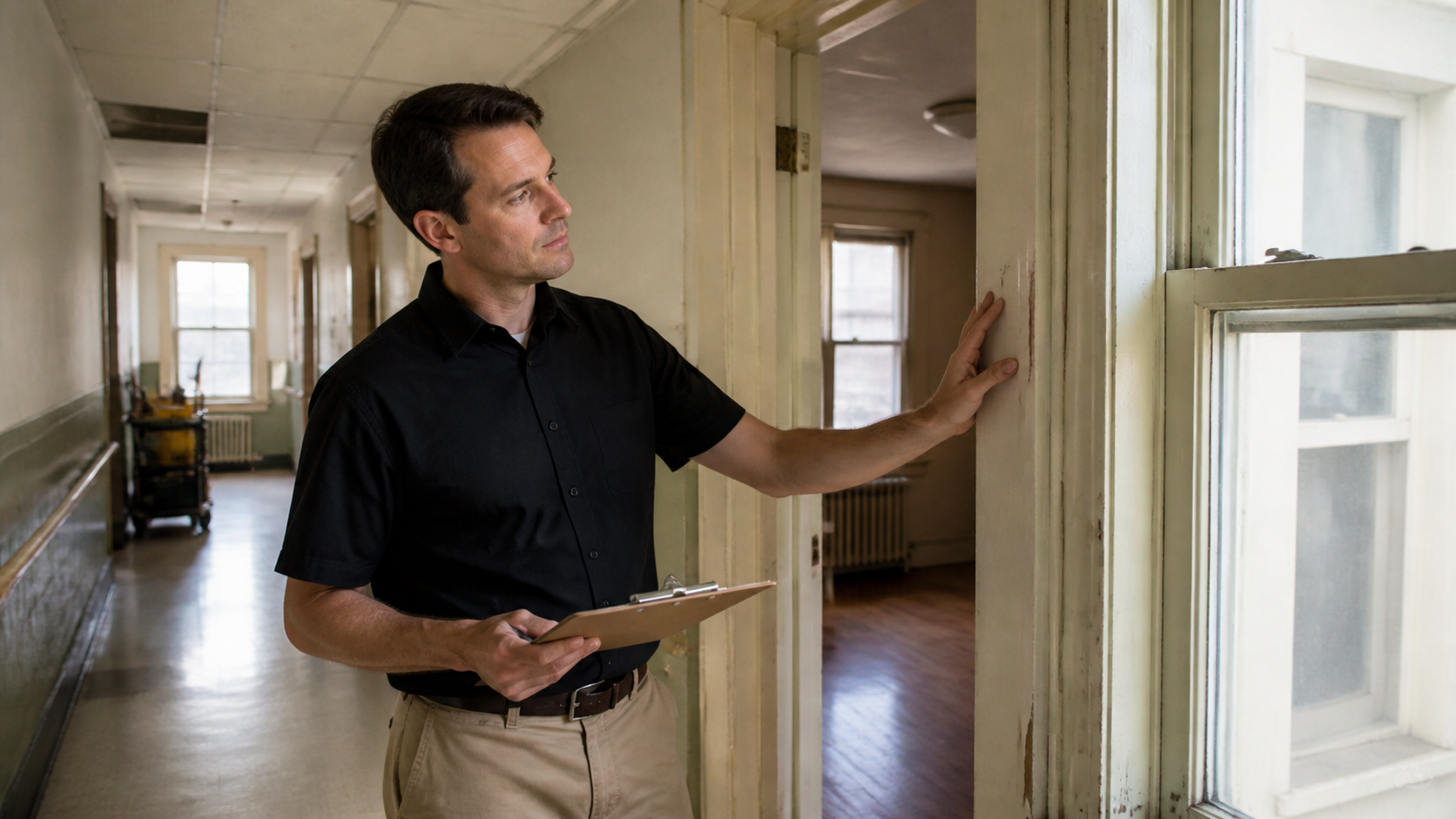
Older apartment buildings tend to carry more environmental risk than many owners, investors, and property managers expect. The reason is not just that the building has been standing for a long time. It is that older multifamily properties often combine aging painted surfaces, repeated tenant turnover, frequent maintenance work, and layered renovations that can release lead dust or disturb hidden asbestos-containing materials when the work is not scoped correctly.
That risk matters because both hazards are closely tied to building condition and disturbance. TheEPA’s lead hazard guidance says lead from paint, dust, and soil can be dangerous if not managed properly, and it explains that deteriorating lead-based paint is a hazard that needs immediate attention. TheEPA’s asbestos guidance for owners and managers says apartment buildings are among the facilities where asbestos-containing materials may need to be managed in place through an operations and maintenance program designed to minimize occupant exposure.
Why Apartments Face More Risk
Apartment buildings are higher-risk properties because the same building systems and finishes are used by many people, touched more often, and repaired more frequently. In practical terms, that means more wear on doors, windows, stairs, railings, trim, flooring, pipe chases, and utility spaces, all of which increases the chance that hazardous materials will eventually be exposed or disturbed.
Lead risk is especially tied to repeated wear and tear. TheEPA’s lead hazard guidance says lead-based paint can become hazardous when it is peeling, chipping, chalking, cracking, damaged, or damp, and it specifically identifies windows, window sills, doors, door frames, stairs, railings, banisters, and porches as high-wear locations where lead hazards are more likely to develop. In apartment buildings, those are exactly the kinds of surfaces that get heavy daily use from tenants, maintenance staff, movers, and contractors.
Asbestos risk works a little differently, but the same building-operations issue applies. TheEPA’s asbestos guidance explains that asbestos-containing materials in buildings may be managed through training, cleaning, work practices, and surveillance so they stay in good condition and occupant exposure is minimized. That means an apartment building becomes higher risk when aging materials are no longer staying intact or when maintenance and renovation work begin to cut into suspect assemblies without proper asbestos inspection or asbestos testing first.
Lead Paint in High-Wear Areas
Lead paint is a major concern in older apartment buildings because it does not have to be visibly dramatic to create a problem. The EPA says lead-based paint is still present in millions of homes, often under layers of newer paint, and that lead dust can result from deteriorating paint, surfaces that rub together, repair activities, or tracked-in contaminated soil. In other words, a building can look recently painted on the surface and still have lead paint hazards below the finish layer.
That is one reason peeling lead paint danger should never be treated as just a cosmetic issue. The EPA says deteriorating paint needs immediate attention and also notes that lead dust can form when lead-based paint is scraped, sanded, heated, or otherwise disturbed during repair work. For apartment owners and property managers, that matters during unit turns, window replacement, trim work, door repairs, repainting, and common-area upgrades because those are the exact moments when previously buried hazards can become airborne dust.
TheEPA’s Renovation, Repair and Painting rule guidance makes the reason clear. EPA says the purpose of the RRP Rule is to minimize exposure from lead-based paint dust during renovation, repair, or painting activities, and it says the rule is intended to reduce lead contamination by requiring contractors to use lead-safe work practices. For older apartment buildings, that means lead paint removal, lead paint abatement, and even smaller maintenance tasks need to be viewed through an exposure-control lens, not just a paint-and-patch lens.
Asbestos Can Stay Hidden for Years
Asbestos is a different kind of risk because it often stays out of sight until repair or renovation work begins. TheEPA’s asbestos guidance for owners and managers says federal requirements apply to renovation and demolition of buildings that contain asbestos, and it describes an operations and maintenance program as a plan of training, cleaning, work practices, and surveillance to maintain asbestos-containing materials in good condition within buildings. That guidance is specifically intended for buildings such as office buildings, shopping centers, hospitals, and apartment buildings where asbestos-containing materials may still be present.
This is why apartment buildings are often high risk even when no one sees obvious damage. A property may have asbestos-containing materials in floor systems, mastics, ceiling materials, wall systems, mechanical components, or other suspect assemblies that have remained hidden behind later updates. Once a contractor starts opening walls, removing flooring, replacing ceilings, or performing demolition, the risk shifts from hidden material to potential exposure if the material was not identified and handled correctly first.
This is also where the client instruction for asbestos-related content matters. Regardless of the year your property was built, the safest approach is to treat suspect materials as potentially asbestos-containing until testing proves otherwise. Because some imported products may still contain asbestos, age alone is not a reliable way to rule out asbestos, and agovernment notice on asbestos in imported building products reports that asbestos has been found in a range of imported goods and building materials.
Best practice is to assume suspect building materials may contain asbestos regardless of construction date, especially drywall and joint compound, flooring and mastics, ceiling tiles and textures, and imported products or components. Imported or foreign-manufactured building materials can still contain asbestos today, so the safest approach is to test rather than rely on age alone.
Turnover, Repairs, and Renovation Raise the Stakes
One reason older apartment buildings become especially risky is that they are rarely static properties. Units turn over, plumbing repairs happen, kitchens and baths get updated, flooring gets replaced, and common areas are refreshed to keep the property rentable. Every one of those routine building tasks creates an opportunity to disturb lead-based paint or asbestos-containing materials if environmental testing is skipped or the scope is treated like ordinary cosmetic work.
Lead dust is a good example of how routine work can create a bigger problem than expected. EPA says renovation, repair, and painting activities can create toxic lead dust when painted surfaces are disturbed or demolished, which is why lead-safe certified renovators are recommended for that kind of work. In apartment settings, that risk can affect not only the worker performing the repair, but also nearby tenants, maintenance staff, cleaners, and future occupants of the unit if dust control and cleanup are weak.
Asbestos raises similar concerns during turnover and redevelopment work. The EPA says owners or operators must notify the appropriate state agency before certain demolitions or renovations involving buildings that could contain threshold amounts of asbestos-containing material, and it notes that state and local agencies may have more stringent standards than federal rules. In practical property-management terms, that means asbestos before renovation planning is not optional due diligence. It is part of responsible environmental compliance for property owners who want to avoid unnecessary exposure, delays, and liability.
What Owners and Managers Should Do
For landlords, investors, and environmental testing for property managers, the first step is not to guess. It is to identify where the likely hazards are, how the building is being used, and what kinds of repairs or renovations are expected next. The EPA says painted surfaces should be kept in excellent shape, dust should be cleaned frequently using wet methods, and owners should consult certified lead professionals before renovation, repair, or painting projects begin.
For asbestos, the same front-end planning matters just as much. TheEPA’s asbestos guidance says building owners and managers should develop and maintain an operations and maintenance program to keep asbestos-containing materials in good condition and minimize exposure of building occupants to asbestos fibers. That is why asbestos inspection, asbestos testing, and clear project scoping matter before unit turns, demolition, plumbing access, flooring replacement, ceiling work, or other invasive maintenance begins.
A practical checklist for older apartment buildings usually includes:
Review tenant turnover and capital-improvement plans for any work that will disturb painted or suspect building materials.
Investigate deteriorating paint on windows, doors, trim, stairs, and other friction or high-wear surfaces.
Use certified professionals for lead paint removal, lead paint abatement, and other work that may create lead dust.
Treat suspect asbestos-containing materials as potentially hazardous until asbestos testing confirms otherwise.
Pay special attention to drywall and joint compound, flooring and mastics, ceiling tiles and textures, and imported products or components.
Keep records of environmental work so future maintenance, renovations, and property sales are based on actual documentation rather than assumptions.
For Michigan apartment owners, the takeaway is straightforward. Older buildings can remain safe and workable, but they become much riskier when aging materials, frequent repairs, and renovation pressure are not matched by proper testing, planning, and environmental remediation services. If you suspect your property may have lead paint hazards, asbestos-containing materials, or both, contact BDS Environmental to discuss asbestos inspection, asbestos testing, lead paint abatement, and broader environmental services Michigan property owners can use to protect tenants, control risk, and make informed decisions before work begins.