Why Quick Action Matters After Discovering Water Damage
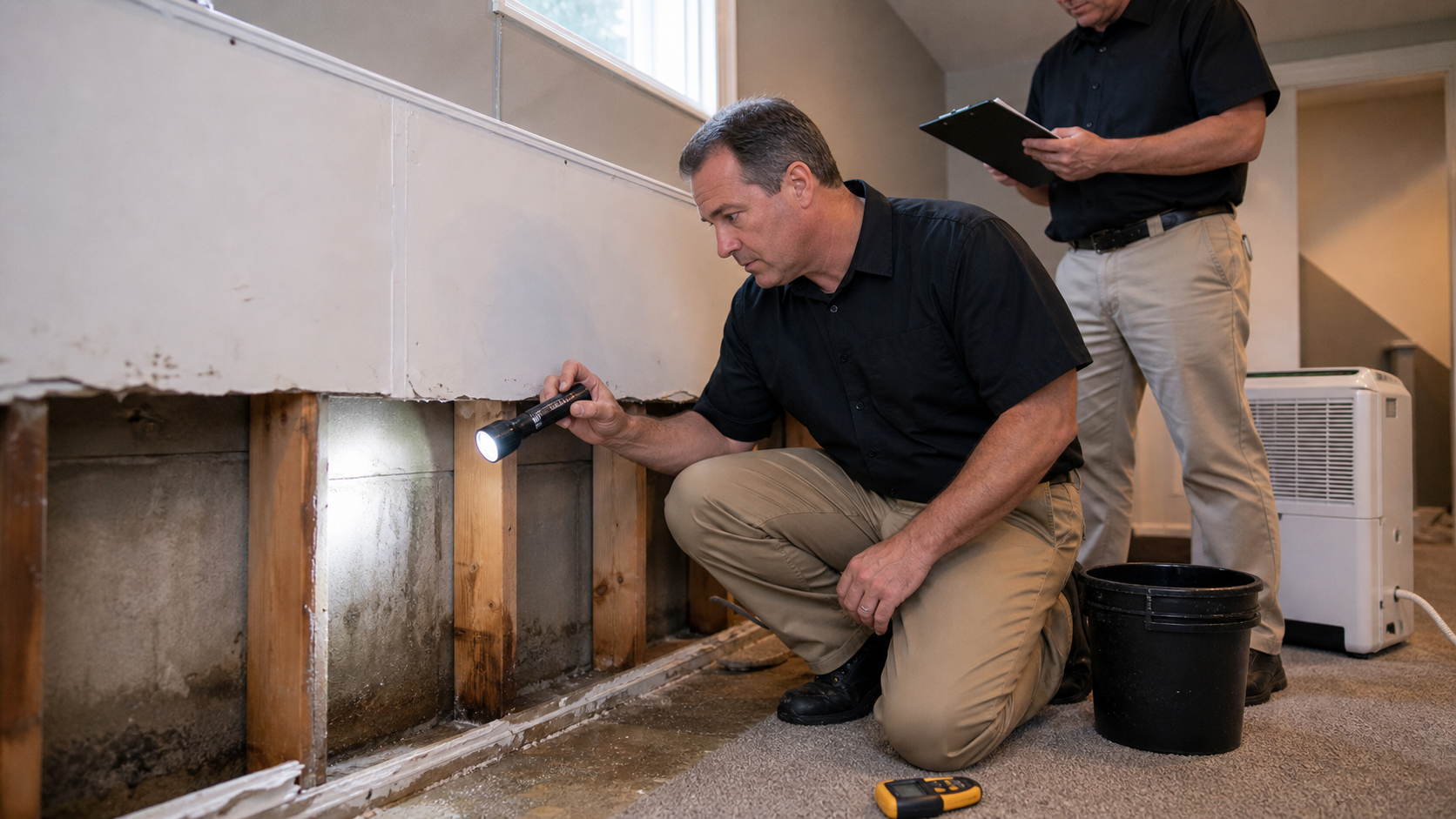
Water damage has a way of looking manageable in the first few hours. A wet carpet, a ceiling stain, a leaking supply line, or a small amount of standing water may seem like something that can wait until tomorrow. In reality, delay is usually what turns a limited water event into a much larger property problem. The EPA’s mold and moisture guide says water-damaged areas and items should be dried within 24 to 48 hours to help prevent mold growth, and the EPA’s water damage cleanup table is built around that same response window for clean water damage.
For homeowners, landlords, property managers, contractors, and investors, that timeline matters because water does not stay neatly in one visible spot. It moves into drywall, insulation, flooring, trim, subfloors, and contents, often before the full scope is obvious. EPA notes that even if materials are dried within 48 hours, mold growth may still have occurred, and if materials stay wet longer than that, cleanup decisions often become more complex. That is why quick action is not just about avoiding inconvenience. It is about limiting mold removal costs, reducing indoor air quality hazards, and keeping a manageable incident from becoming a larger mold remediation process.
Water Spreads Faster Than People Expect
One of the biggest reasons quick action matters is that water rarely stays where the leak started. A roof leak can soak insulation before a stain appears on a ceiling. A plumbing failure can run behind cabinets, under flooring, and into wall cavities. A basement intrusion can wick into lower drywall, trim, stored contents, and flooring edges long after standing water is gone. EPA’s Table 1 water-damage guidance includes specific drying steps for carpet, wood surfaces, porous flooring, upholstered furniture, and wall materials because water commonly affects multiple materials at once.
That is why surface drying alone is not enough. EPA specifically says property owners should check to make sure underflooring is dry where hard-surface flooring is affected, and it notes that wet paneling should be pried away from the wall for drying when necessary. In field terms, this means the visible wet spot is often only part of the problem. Fast response matters because the longer moisture stays inside hidden materials, the more likely the job shifts from drying and cleanup to mold inspection, selective removal, and larger remediation work.
The First 24 to 48 Hours Matter Most
A lot of water damage guidance comes back to the same practical point: the first one to two days matter. EPA’s mold guide says drying water-damaged areas and items within 24 to 48 hours helps prevent mold growth. The EPA’s water-damage table says it provides guidelines for response to clean water damage within 24 to 48 hours to prevent mold growth.
Just as important, EPA says that if mold growth has occurred or materials have been wet for more than 48 hours, remediators should consult the next level of guidance for mold-contaminated building materials. EPA also notes that even materials dried within 48 hours may still have experienced mold growth. That does not mean every small leak automatically becomes a major contamination event. It does mean that waiting to start drying, extracting water, or removing wet materials increases the water damage mold risk and narrows the range of easy solutions.
Mold Is Often the Next Problem
Quick action matters after discovering water damage because mold is often the next issue, not a separate one. The CDC’s mold cleanup recommendations say what needs to be done depends on how much water damage occurred and where the mold is growing. The CDC’s Homeowners and Renters Guide to Mold Cleanup After Disasters also emphasizes wearing protective equipment and making sure mold cleanup is complete before reoccupying the home.
For property owners, that means water damage response is really mold prevention response in the early stage. If wet materials are dried or removed quickly, the problem may stay limited. If the building stays damp, a simple leak can turn into hidden growth behind walls, basement mold after water damage, a persistent mold smell in house conditions, or a broader indoor air quality complaint. That is one reason mold after flooding and smaller plumbing losses often become more expensive than people expect. The delay allows the problem to spread into materials that were not originally part of the visible loss.
Wet Materials Do Not All Behave the Same Way
Another reason fast action matters is that different materials respond differently to water exposure. EPA’s Table 1 guidance says carpet and backing should be dried within 24 to 48 hours, upholstered furniture may be difficult to completely dry within 48 hours, and wood surfaces require immediate moisture removal plus dehumidifiers, gentle heat, and fans for drying. The same EPA guidance says books, papers, ceiling tiles, and other materials may require discard, freezing, or specialized handling depending on the extent of the damage.
This matters because property owners sometimes assume all water damage can be solved with a few fans. In reality, some materials can be cleaned and dried, while others hold moisture too long or too deeply to remain good candidates for salvage. The faster that assessment happens, the less likely the property is to sit with wet porous materials that continue feeding mold growth and odor problems.
Delay Can Increase Health and Occupancy Concerns
Quick action also matters because wet, mold-prone buildings are not just a repair issue. They can become a health and occupancy issue. The CDC says some people are at risk of significant and even severe health effects from mold exposure, including people with allergies, immune suppression, underlying lung disease, asthma, or COPD. The CDC also says people with asthma, COPD, or immune compromise should not stay in a moldy home or be there while it is being cleaned.
That is especially important for multifamily property owners, landlords, and managers dealing with occupied units. A slow response to a leak can create tenant complaints, odor problems, and indoor air quality hazards that affect more than the original point of damage. In commercial settings, moisture that lingers in wall systems, carpet, or ceiling materials can also contribute to mold in commercial buildings and repeat complaints from occupants who never saw the original leak.
Insurance and Documentation Benefit From Fast Response
Quick action also helps from a practical claim and documentation standpoint. The CDC’s tips on cleaning mold after a flood says property owners should call their insurance company and take pictures of the home and belongings before starting cleanup work. The same CDC guidance says the most important step for preventing mold damage is drying the home and removing water-damaged items quickly.
That combination matters. Prompt photos, fast reporting, and early mitigation help show what happened and what was done to reduce further damage. For property managers and investors, that can make a difference when documenting the timeline of a loss, explaining why certain materials were removed, or supporting decisions related to mold inspection, mold remediation, or contents disposal.
DIY Delay Creates Bigger Problems
A common mistake after discovering water damage is waiting to see whether things “dry on their own.” Another is cleaning only the visible water while leaving wet materials trapped behind finishes. The CDC’s bleach-use fact sheet says mold cleanup is not effective until mud, dirt, and damaged materials are addressed first, and it says water-damaged items should be removed and surfaces dried quickly and thoroughly after cleaning. EPA’s water-damage table also notes that if underflooring is still wet or if porous materials have remained wet too long, additional drying or removal steps may be necessary.
This is why fast response needs to be more than fast appearance-level cleanup. It should include stopping the water source, documenting the damage, extracting standing water, drying affected materials, evaluating hidden cavities, and deciding quickly which materials can truly be saved. If that sequence is delayed, the project often becomes less about cleanup and more about mold removal, odor control, and damaged-material demolition.
Professional Help Becomes More Important as Scope Grows
Not every water loss requires a large remediation project, but the bigger the loss, the more important professional evaluation becomes. The EPA’s mold cleanup page says that if there has been a lot of water damage or mold growth covers more than about 10 square feet, property owners should consult EPA’s broader mold remediation guidance. The CDC’s disaster cleanup guidance also says cleanup should be complete before reoccupancy and stresses the use of protective equipment during the process.
That matters in situations involving basement mold after water damage, repeated leaks, hidden moisture, or flood-related losses affecting multiple rooms or units. Once the scope expands beyond a small, easily dried area, environmental remediation services often become more valuable because the question is no longer just how to dry a spot. It becomes how far the water traveled, what materials stayed wet, and whether the property now has a larger moisture or contamination problem.
What Property Owners Should Do Right Away
After discovering water damage, the first steps should be practical and immediate:
Stop the water source if it is safe to do so.
Photograph the affected areas and contents.
Contact insurance if a claim may be involved.
Remove standing water as quickly as possible.
Start drying with ventilation, dehumidification, and air movement where appropriate.
Separate wet contents from unaffected areas.
Evaluate whether drywall, flooring, insulation, carpet pad, or other porous materials may need removal.
Watch for signs of hidden moisture, odor, or mold growth over the next several days.
Those steps line up with EPA and CDC guidance that emphasizes prompt drying, removal of water-damaged materials that cannot be dried in time, and careful attention to occupant safety during cleanup.
For Michigan property owners, the bottom line is simple: water damage gets easier to manage when it is treated like a time-sensitive building issue, not a cosmetic inconvenience. If your property has experienced a leak, flood, or persistent moisture intrusion, contact BDS Environmental to discuss mold inspection, mold remediation, and environmental remediation services. Fast action can make the difference between a limited cleanup and a much larger problem involving hidden moisture, indoor air quality hazards, and avoidable material loss.