How to Tell if a Water Stain Is Old or an Active Leak
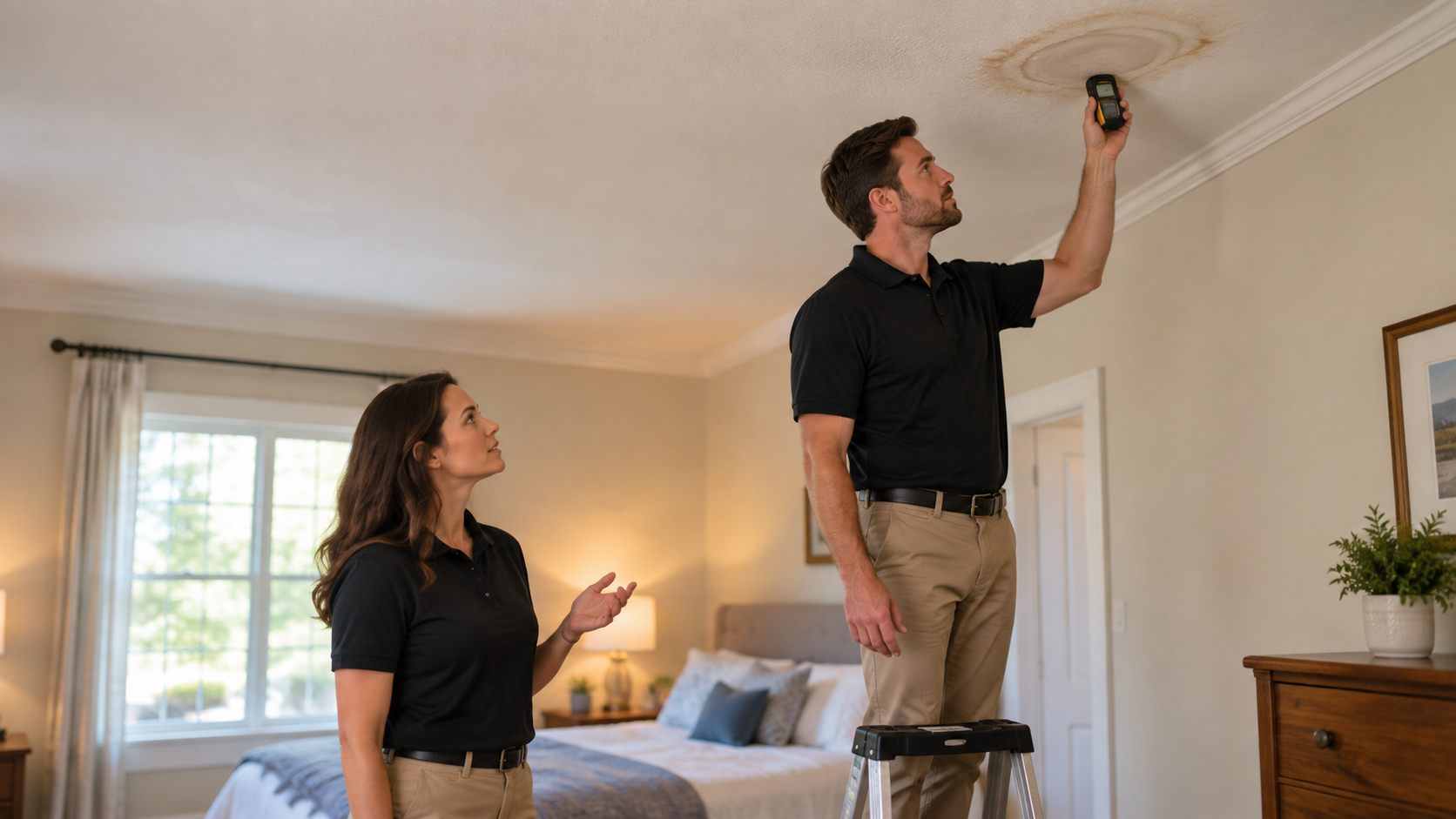
When property owners look up and spot a brown, discolored ring on their ceiling or a bubbling patch of drywall, the immediate reaction is usually a mix of panic and frustration. Water damage is notoriously expensive to fix, and the instinct is to assume the worst. However, not every water stain is an emergency. In many older Michigan homes and commercial buildings, a stained ceiling might simply be the ghost of a roof leak that was repaired a decade ago, or the remnant of an overflowing bathtub that was cleaned up long before you bought the property. Knowing how to differentiate between a historical stain and an active, ongoing leak is crucial for deciding whether you need a bucket and a plumber, or just a can of stain-blocking primer.
For property managers, contractors, and investors, making the wrong call can be disastrous. Ignoring an active leak allows moisture to soak into the framing and insulation, creating a severe water damage mold risk within 24 to 48 hours. Conversely, tearing a hole in a ceiling just to investigate an old, dry stain can unnecessarily disturb older building materials, turning a minor cosmetic issue into a full-scale hazardous material removal project. By using a few simple diagnostic steps and professional tools, you can determine exactly what is happening behind the drywall before you start demolition.
The Visual Clues: Rings, Color, and Texture
The first step in determining the age of a water stain is a close visual and physical inspection. An old, inactive stain usually looks like a single, solid discoloration, often yellow or light brown. Because the drywall has completely dried out, the material will feel solid and firm to the touch.
An active leak, on the other hand, tells a different story.
Concentric Rings: If you see a dark center surrounded by multiple lighter rings (similar to the rings on a tree stump), you are looking at a stain that has dried, gotten wet again, dried, and soaked again. This indicates a recurring issue, such as a roof leak that only happens during heavy rain or a shower drain that leaks when the tub is full.
Bubbling and Peeling: When drywall gets wet, the paper facing expands and the paint loses adhesion. Peeling paint, bubbling wallpaper, or drywall that is sagging and soft to the touch are definitive signs of active, recent moisture.
The Tape Test: If you are unsure if a stain is growing, outline the edges of the water mark with painter’s tape or a pencil. Check the mark again after a heavy rain or after someone uses the plumbing above. If the stain has expanded past the line, you have a current leak.
The Smell of Hidden Moisture
Sometimes, your nose is the best diagnostic tool you have. The EPA’s moisture guidance explicitly notes that you should suspect hidden mold if a building smells moldy but you cannot see the source.
When a slow leak saturates the wall cavity, it creates a perfect microclimate for basement mold after water damage or ceiling rot. If a water stain is old and fully dry, it will not produce an odor. If the stain is accompanied by a persistent musty smell or black mold symptoms appearing around the edges of the discoloration, the drywall is actively wet. This means the problem requires more than a plumbing repair; it requires a professional mold remediation process to safely remove the contaminated drywall and treat the structural wood behind it.
Using the Water Meter to Confirm a Leak
If you suspect an active leak behind a wall but cannot pinpoint it, your home’s water meter can act as a built-in diagnostic tool.
To perform a water meter test, make sure no water is being used in the property—turn off the washing machine, dishwasher, sprinklers, and all faucets. Locate your water meter and take a picture of the current reading or mark the position of the trickle indicator (often a small red triangle or dial). Wait at least 30 minutes to an hour without using any water, and check the meter again.
If the dial has moved, you have an active plumbing leak somewhere in the system. Keep in mind that this test only works for pressurized supply lines; it will not detect a roof leak or a slow drip from a shower drain pipe, which only leaks when water is actively draining.
Pinpointing Moisture with Professional Tools
For contractors and environmental testing for property managers, guessing is not an option. Professionals rely on moisture meters to definitively prove whether a stain is wet or dry without tearing open the wall.
A moisture meter is a diagnostic instrument that detects the presence of water within a solid material.
Pinless meters use electromagnetic sensors to scan large areas of drywall quickly without causing damage. They can detect moisture up to an inch behind the surface.
Pin meters require physically pushing two small probes into the drywall to measure the electrical resistance between them, giving a highly accurate moisture reading of the exact spot.
If a dark, scary-looking stain registers a 0% moisture reading on the meter, it is an old, inactive mark. If the meter spikes, the leak is active, and the wall must be opened.
The Danger of Tearing Open Older Walls
When an active leak is confirmed, the wet, moldy drywall must be removed to fix the plumbing and dry the framing. However, this is where many DIY homeowners and inexperienced contractors make a massive mistake. Tearing a hole in an older ceiling or wall without testing the materials first can instantly trigger an indoor air quality hazard.
Regardless of the year your property was built, the safest approach is to treat suspect materials as potentially asbestos-containing until testing proves otherwise. Because some imported products may still contain asbestos, age alone is not a reliable way to rule out asbestos, and a government notice on asbestos in imported building products reports that asbestos has been found in a range of imported goods and building materials.
Best practice is to assume suspect building materials may contain asbestos regardless of construction date, especially:
Drywall and joint compound
Flooring and mastics
Ceiling tiles and textures
Imported products and components
Imported or foreign-manufactured building materials can still contain asbestos today, so the safest approach is to test rather than rely on age alone. If you take a sledgehammer to a wet ceiling to find a leak, and that ceiling contains asbestos joint compound or acoustic texture, you have just aerosolized carcinogenic fibers throughout the room.
Furthermore, if the wall has peeling lead paint danger, careless demolition will create toxic lead dust that settles on floors and furniture. A simple plumbing repair should never result in lead exposure symptoms for your family or tenants.
When to Call the Experts
Distinguishing between a dry cosmetic stain and an active, destructive leak is the first step in protecting your property. If the stain is wet, growing, or smells musty, you must act quickly to stop the water and prevent mold colonization.
However, before you start ripping down drywall or tearing up floorboards to find the source, contact BDS Environmental. Our environmental services Michigan team can utilize non-invasive moisture detection tools, perform necessary asbestos testing and lead inspections before demolition, and handle the professional mold remediation required to ensure your property remains safe and compliant.