Asbestos in Popcorn Ceilings: When Testing Is Necessary Before Removal
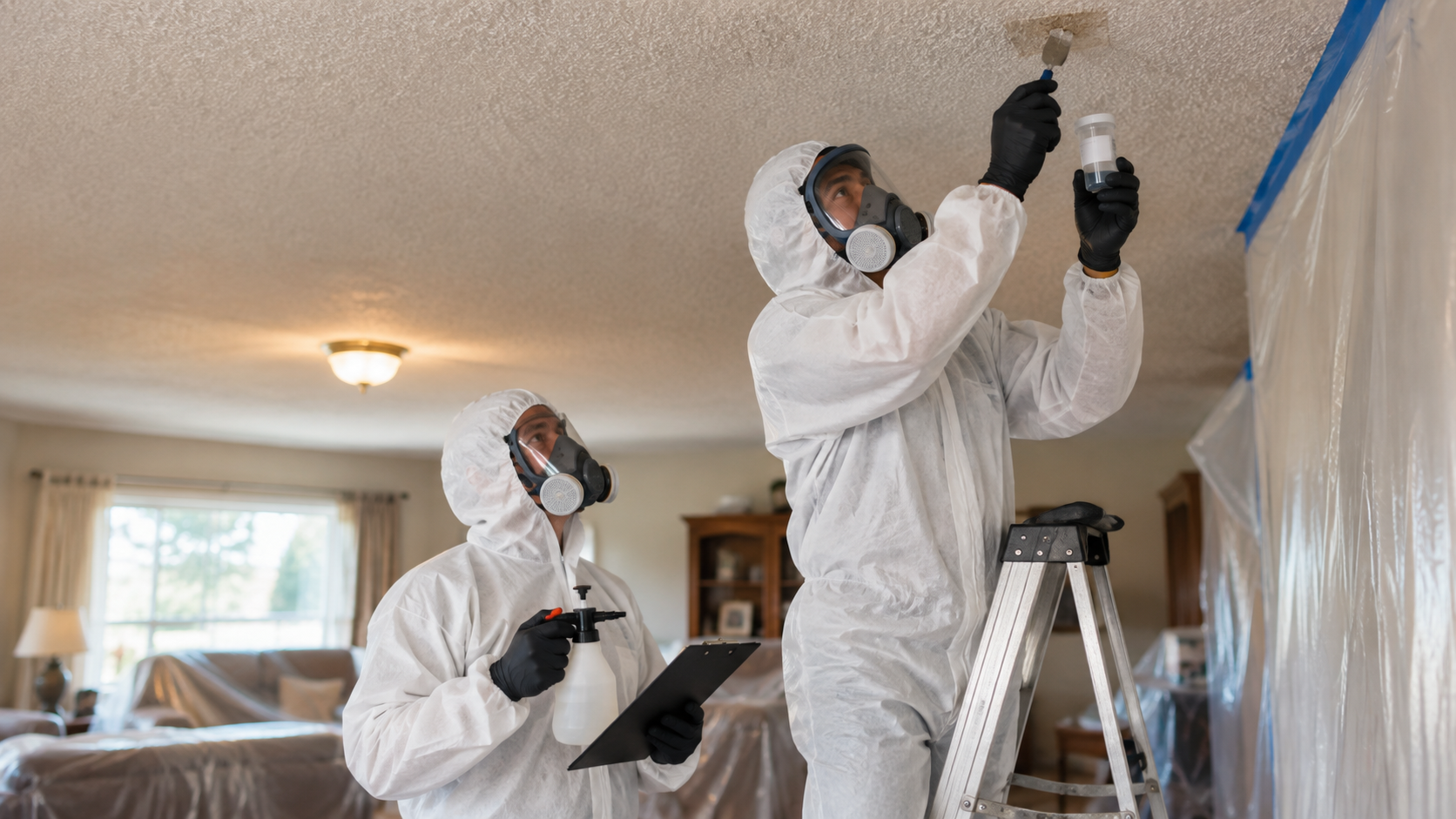
For many property owners and investors, the first project in an older home renovation is removing the dated, textured "popcorn" ceiling. It instantly modernizes the space and makes the room feel taller. However, scraping off that old acoustic texture is rarely just a cosmetic upgrade. Until the late 1970s, asbestos was widely used in spray-on ceiling textures because of its excellent fire resistance and soundproofing qualities. The EPA's phased bans on asbestos products eventually halted the manufacture of these materials, but contractors were allowed to use up their existing stock, meaning popcorn ceilings installed well into the 1980s can still pose a massive indoor air quality hazard.
The danger lies in how the material behaves when disturbed. Popcorn ceilings are highly friable, meaning the material easily crumbles and flakes under very light pressure. If a homeowner or contractor begins dry-scraping a ceiling without testing it first, they will instantly release millions of microscopic, carcinogenic asbestos fibers into the air. Once airborne, these fibers can contaminate the entire house, settling into carpets, ductwork, and furniture, and exposing occupants to severe asbestos health risks, including mesothelioma. Knowing exactly when and how to test for asbestos before you begin your renovation is the only way to avoid turning a weekend DIY project into a disastrous environmental liability.
You Cannot Tell by Looking
The most common question contractors hear about old acoustic textures is, "What does asbestos look like?" The answer is that you cannot see it. The fibers are microscopic and are completely mixed into the paper, binder, and styrofoam materials that make up the popcorn texture. A ceiling installed in 1965 looks exactly the same as one installed in 1995.
This is why an asbestos inspection is non-negotiable. Regardless of the year your property was built, the safest approach is to treat suspect materials as potentially asbestos-containing until testing proves otherwise. Because some imported products may still contain asbestos, age alone is not a reliable way to rule out asbestos, and a government notice on asbestos in imported building products reports that asbestos has been found in a range of imported goods and building materials.
Best practice is to assume suspect building materials may contain asbestos regardless of construction date, especially:
Drywall and joint compound
Flooring and mastics
Ceiling tiles and textures
Imported products and components
Imported or foreign-manufactured building materials can still contain asbestos today, so the safest approach is to test rather than rely on age alone. Professional testing by an accredited laboratory is the only legal and definitive way to confirm the presence of asbestos.
The Risk of Accidental Disturbance
Popcorn ceilings are dangerous because they do not have a hard, protective shell to trap the fibers. While the EPA advises that asbestos in good condition should usually be left alone, popcorn ceilings are incredibly easy to damage by accident.
Common household activities can trigger an exposure event:
Changing a light fixture or installing a ceiling fan.
Bumping the ceiling while carrying a ladder or moving furniture.
A water leak from the roof or a bathroom above that causes the texture to soften and fall.
If you experience a leak and are dealing with basement mold after water damage, the ceiling tear-out required for the mold remediation process can easily disturb hidden asbestos. This is why environmental testing for property managers must account for overlapping hazards; ignoring an asbestos ceiling while fixing a water damage mold risk puts the entire property at risk.
How the Testing Process Works
If you are planning to remove the ceiling or if it has been damaged, you must obtain a sample for analysis. While DIY mail-in test kits are available, the Consumer Product Safety Commission and the EPA strongly recommend hiring a professional asbestos inspector to collect the samples.
A professional inspector will take specific precautions to prevent fiber release during sampling. They will shut off the HVAC system, lay down protective plastic, lightly mist the ceiling area with water, and carefully cut a sample that includes the entire depth of the material—down to the drywall. They will then patch the area to seal in any loose dust and send the sample to a National Voluntary Laboratory Accreditation Program (NVLAP) facility. Taking samples yourself, especially if you dry-scrape the ceiling, can contaminate the room before the project even begins.
What Happens if It Tests Positive?
If the lab results confirm asbestos, standard demolition methods are immediately off the table. You cannot simply throw a tarp down and start scraping.
In Michigan, MIOSHA regulations state that any individual or company hired to remove friable asbestos must be licensed by the state's Asbestos Program. For commercial buildings and larger residential projects, strict asbestos demolition requirements apply, including submitting a formal notification to the state 10 days before the abatement begins.
Professional asbestos removal is a highly controlled process. The abatement team will:
Build a full containment enclosure, sealing the room floor-to-ceiling in heavy plastic.
Establish negative air pressure using HEPA-filtered exhaust machines so no fibers can escape the room.
Use specialized wetting agents (surfactants) to soak the ceiling, ensuring the material remains wet while it is carefully scraped down.
Double-bag all debris in labeled hazardous waste bags for transport to an EPA-approved landfill.
After the material is removed, the containment area is scrubbed, and a third-party inspector conducts clearance air monitoring to prove the room is completely safe before the plastic is taken down.
Alternatives to Removal
If your ceiling tests positive but is in pristine condition, removal is not your only option. You can encapsulate the ceiling by spraying it with a specialized, heavy-duty paint designed to bind the fibers together (rolling paint on can actually cause the texture to flake off). Another option is encasement, which involves installing a new layer of drywall directly over the old ceiling.
However, if you plan to sell the home, or if you expect a future renovation will eventually disturb the ceiling, professional hazardous material removal is often the most permanent and straightforward solution.
Start Your Renovation Safely
A popcorn ceiling removal project should never start with a scraper; it must always start with a test. The cost of proper testing and professional abatement is far less than the cost of decontaminating a house, replacing your HVAC ductwork, or facing the severe health consequences of long-term asbestos exposure.
If you are planning to update your ceilings, are recovering from a water leak, or simply want to know what is in your home, contact BDS Environmental before you begin demolition. Our environmental services Michigan team can provide safe, accredited asbestos testing, professional mold inspection, and the licensed asbestos abatement necessary to keep your renovation safe, legal, and stress-free.