Lead Paint in Rental Turnovers: A Landlord’s Pre-Move-In Checklist
Turning over a rental unit between tenants is a race against the clock. For property managers and landlords, every day an apartment sits empty is a day of lost revenue. Because of this pressure, turnovers are usually handled at top speed: carpets are cleaned, walls are hastily repainted, and minor repairs are patched over. But if you manage older housing stock, moving too fast during a turnover can trigger a massive environmental and legal liability. The EPA clearly warns that old or worn lead-based paint—especially on friction surfaces like doors and windowsills—can produce microscopic, toxic dust.
In Michigan, managing lead paint is not just a best practice; it is a strict legal requirement built into both federal disclosure rules and local property codes. Landlords dealing with homes built under earlier building practices must navigate specific regulations before a new tenant signs a lease or a maintenance worker sands a peeling wall. To avoid steep fines, criminal penalties, or exposing families to lead poisoning, landlords need a bulletproof pre-move-in checklist that prioritizes environmental safety before the keys are handed over.
1. Conduct a Thorough Visual Inspection
The first step in any safe turnover is looking for the obvious hazards. Before you bring in a cleaning crew or a painter, walk the empty unit and physically inspect all painted surfaces.
You are specifically looking for any peeling lead paint danger. In older homes, this is most common around high-friction areas:
Windowsills and sashes: The constant opening and closing of old wooden windows grinds paint into toxic lead dust, which then settles on the sill.
Door frames and hinges: Doors that stick or rub against their frames generate lead chips.
Baseboards and stairwells: Areas that take a beating from foot traffic, vacuum cleaners, and moving furniture are prime spots for chipping paint.
You must also check common areas. If the rental is part of a multi-family building, the EPA disclosure rules and many local municipal codes apply to shared hallways, laundry rooms, and basements that the tenant has access to. If you spot failing paint in any of these areas, you cannot just hand the new tenant the keys.
2. Hire RRP-Certified Contractors for Repairs
If your visual inspection reveals damaged paint, or if you plan to do cosmetic remodeling before the next tenant arrives, you must be extremely careful about who you hire. The EPA’s Renovation, Repair, and Painting (RRP) Rule dictates how work must be performed in older rental properties.
If a repair will disturb more than two square feet of interior painted surface, the work must be done by an RRP-certified contractor or maintenance professional trained in lead-safe work practices. This is not optional. A standard painter who dry-scrapes a peeling wall or uses a high-speed sander without HEPA containment will blast toxic lead dust throughout the apartment, heavily contaminating the unit just before the new family moves in.
Instead of cheap demolition, the repair requires a lead paint removal process or specialized wet-scraping techniques. The contractor must use heavy plastic sheeting to contain the debris and HEPA vacuums to capture the dust. For landlords, using uncertified workers for a turnover remodel is a direct violation of federal law and severely compromises the safety of the unit.
3. Verify Cleanliness with Dust Wipe Sampling
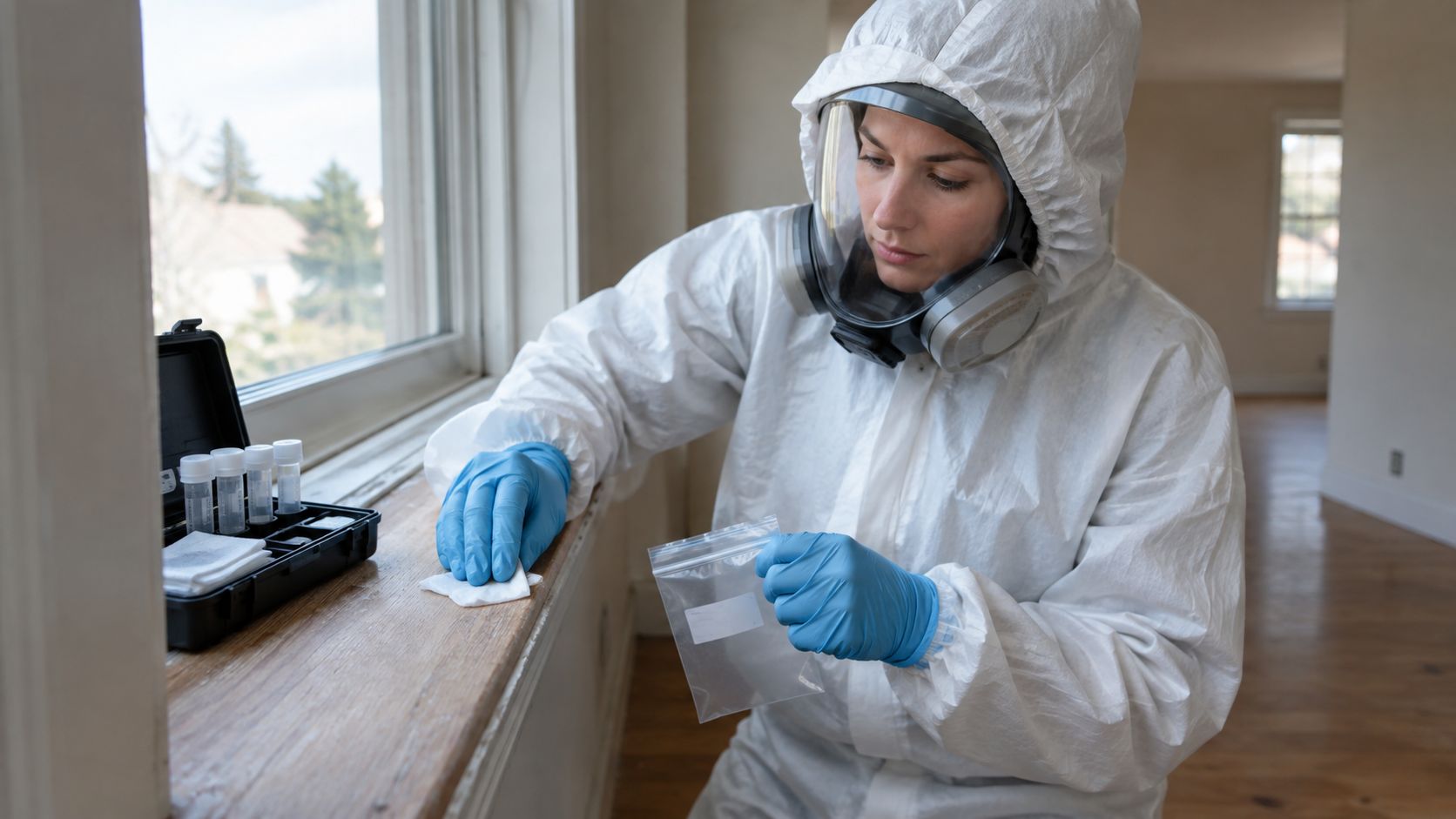
Once the repairs and painting are finished, how do you know the unit is actually safe? Visual cleaning is not enough. Lead dust is microscopic and easily hides in carpet fibers, floor cracks, and window troughs.
Before the new tenant moves in, it is highly recommended (and in some municipalities, legally required) to conduct clearance testing. This involves hiring an independent lead inspector to perform dust wipe sampling. The inspector wipes specific areas of the floor and windowsills and sends the samples to a lab to ensure the lead dust levels are below the EPA's strict hazard standards.
Having passing clearance results on file is one of the best ways a landlord can prove they provided a safe, habitable environment, significantly reducing liability if a tenant later claims lead paint exposure symptoms.
4. Prepare the Required Disclosures
You cannot legally sign a lease for an older property without completing the required federal paperwork. The EPA and HUD enforce the Lead-Based Paint Disclosure Rule, which mandates specific actions before a tenant signs a contract.
Your leasing checklist must include:
Providing the tenant with the official EPA pamphlet, Protect Your Family from Lead in Your Home.
Disclosing any known information about the presence of lead paint or lead hazards in the unit and common areas.
Handing over copies of all available records, past inspection reports, or clearance test results.
Including a specific lead warning statement and disclosure attachment in the lease agreement, signed and dated by both the landlord and the tenant.
Landlords must keep these signed disclosure forms on file for at least three years. Failing to provide these documents does not just invite EPA fines; in Michigan, failing to disclose known lead hazards to families with children can lead to severe criminal penalties.
5. Screen for Overlapping Environmental Hazards
While your focus might be on lead compliance, a vacant unit is the perfect time to check for other environmental liabilities. In older Michigan rentals, lead paint rarely exists in a vacuum. If the apartment had a recent plumbing leak or a tenant who failed to run the bathroom exhaust fan, you should actively look for black mold symptoms or a persistent mold smell in house.
Furthermore, if your turnover requires cutting into drywall to fix a pipe or pulling up an old vinyl kitchen floor, you must account for asbestos. Regardless of the year your property was built, the safest approach is to treat suspect materials as potentially asbestos-containing until testing proves otherwise. Because some imported products may still contain asbestos, age alone is not a reliable way to rule out asbestos, and a government notice on asbestos in imported building products reports that asbestos has been found in a range of imported goods and building materials.
Best practice is to assume suspect building materials may contain asbestos regardless of construction date, especially:
Drywall and joint compound
Flooring and mastics
Ceiling tiles and textures
Imported products and components
Imported or foreign-manufactured building materials can still contain asbestos today, so the safest approach is to test rather than rely on age alone. An asbestos inspection before demolition prevents a simple repair from becoming a massive asbestos exposure hazard for your next tenant.
Protect Your Investment and Your Tenants
Turning over an older rental property requires a balance of speed and strict environmental compliance. Rushing through repairs without checking for lead paint, mold, or asbestos is a gamble that property owners cannot afford to take. By following a structured pre-move-in checklist, hiring certified professionals, and maintaining honest disclosures, landlords can protect their real estate investments and the health of the families who live there.
If you are preparing a unit for a new tenant and suspect you have peeling paint, hidden mold, or suspect flooring, contact BDS Environmental before you begin repairs. Our environmental services Michigan team can provide professional lead dust sampling, asbestos testing, mold inspection, and the expert hazardous material removal necessary to ensure your rental is safe, compliant, and ready for the market.