Asbestos Siding in Michigan: Repair, Removal, and Renovation Considerations
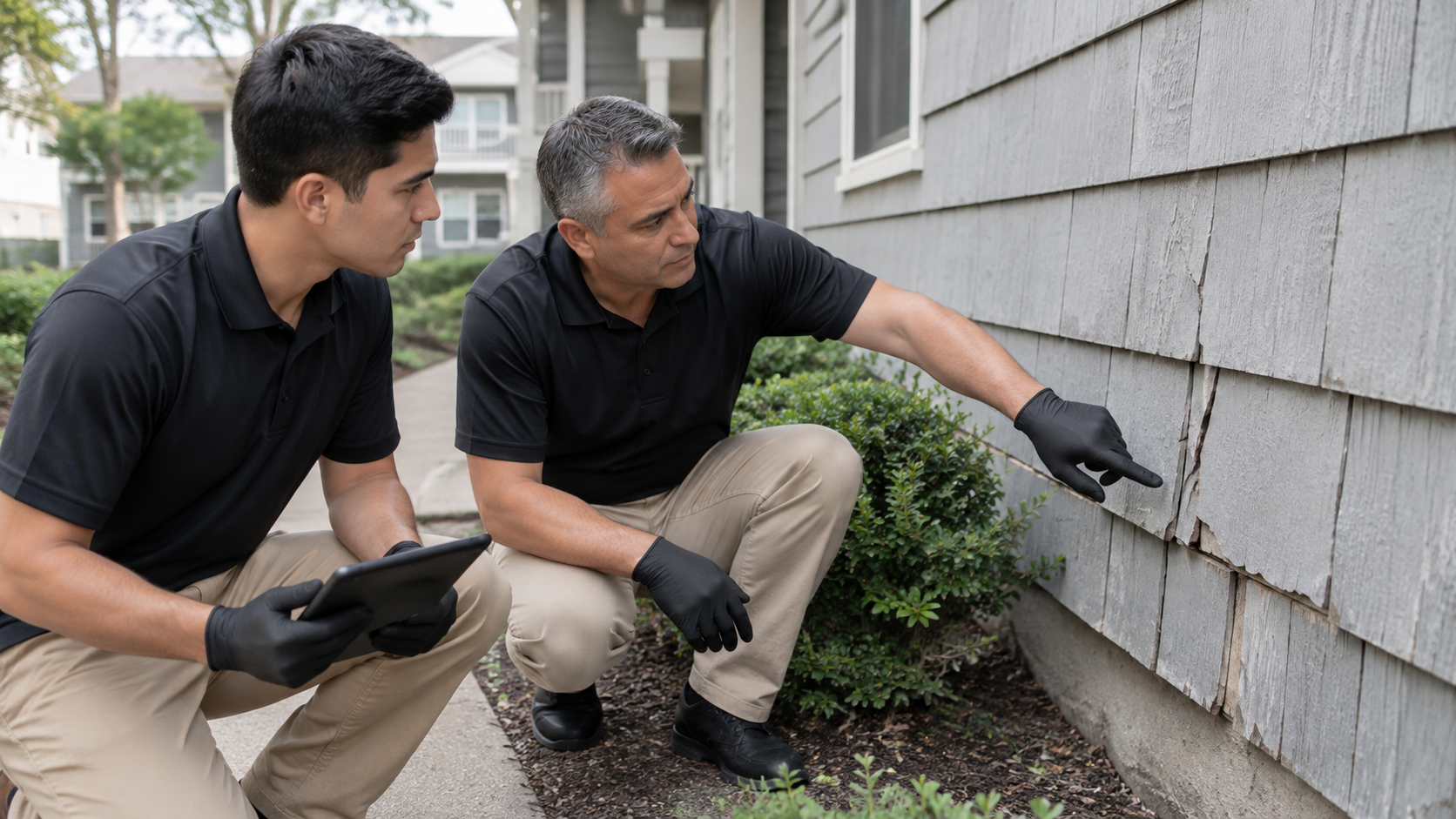
Upgrading the exterior of a residential or commercial property is one of the most effective ways to improve curb appeal, increase energy efficiency, and protect the structure from harsh Michigan winters. For homeowners and property managers dealing with older housing stock, replacing failing siding is often a top priority. However, beneath the faded paint of many homes built under earlier building practices lies a significant environmental liability: asbestos-cement siding. Often referred to as transite siding, this material was heavily favored by builders for decades because it was fireproof, rot-resistant, and incredibly durable. While it served its original purpose well, dealing with it today requires strict adherence to environmental regulations and a clear understanding of the risks involved.
When asbestos siding begins to crack, or when a property owner decides it is time for a full exterior renovation, deciding how to handle the material becomes a complicated issue. Improperly removing or cutting into this rigid siding can release millions of carcinogenic fibers into the air, contaminating the yard, exposing workers to severe health risks, and drifting into neighboring properties. For environmental compliance property owners, making the wrong choice during exterior renovations can result in massive regulatory fines and devastating liability. Understanding the rules for repair, encapsulation, and professional removal in Michigan is essential before a single piece of siding is touched.
The Reality of Asbestos Siding in Michigan
A frequent question from property investors and DIY renovators is, "what does asbestos look like on the outside of a building?" Asbestos-cement siding typically appears as rigid shingles, often manufactured with a faux wood-grain texture pressed into the surface. When intact, it is incredibly dense and difficult to break by hand. However, visual identification is never enough. The asbestos fibers are locked tightly within a Portland cement matrix, making them completely invisible to the naked eye.
When in good, pristine condition, the State of Michigan and federal environmental agencies generally consider asbestos siding to be a non-friable material, meaning it does not easily crumble under hand pressure and is not immediately hazardous. However, the danger arises the moment the material is disturbed. If a contractor uses a circular saw to cut through the siding, or if a homeowner uses a hammer and pry bar to violently rip the shingles off the wall, the material shatters. This violent breakage renders the siding friable, instantly releasing microscopic asbestos dust that poses severe asbestos health risks when inhaled.
Best Practices for Suspect Materials
A common—and highly dangerous—misconception in the real estate and construction industries is that properties built in recent decades are entirely free of asbestos hazards. Treating older housing stock as the only source of environmental danger is a severe liability blind spot. Global supply chains and inconsistent international manufacturing standards mean that modern building products can still introduce hazardous materials in homes.
Explicitly, best practice is to assume suspect building materials may contain asbestos regardless of construction date, especially:
Drywall and joint compound
Flooring and mastics
Ceiling tiles and textures
Imported products and components (e.g., materials manufactured in countries without stringent asbestos controls)
Property managers must add clear language to their operational guidelines that imported or foreign‑manufactured building materials can still contain asbestos today, so the safest approach is to test rather than rely on age alone. Whether you are dealing with exterior siding, roofing felt, or interior mechanical insulation, the timeline of construction does not guarantee a safe environment.
Regardless of the year your property was built, the safest approach is to treat suspect materials as potentially asbestos‑containing until testing proves otherwise. Because some imported products may still contain asbestos, age alone is not a reliable way to rule out asbestos. Relying on an accredited asbestos testing laboratory is the only legal, scientific way to confirm what you are dealing with before initiating demolition.
Repair and Encapsulation: Can You Cover It?
When a property owner confirms the presence of asbestos siding, they generally have three options: leave it alone, cover it, or remove it.
If only a few shingles are cracked or missing, minor repairs are often the most cost-effective route. Replacement shingles made from fiber-cement (without the asbestos binder) can be carefully slotted into place by trained professionals.
If the homeowner wants a completely new look without the expense of a full tear-off, encapsulation—covering the existing asbestos siding with new materials—is often legally permissible. Many siding contractors specialize in installing rigid foam insulation board directly over the asbestos shingles, followed by new vinyl, aluminum, or fiber-cement siding. This traps the asbestos safely behind a new exterior envelope.
However, encapsulation has long-term drawbacks. Driving nails through the asbestos shingles to attach the new siding will inevitably cause some hidden breakage and fiber release. Furthermore, covering the siding simply defers the liability. If the building ever needs structural repairs, or if it is eventually slated for demolition, the asbestos will still be there, complicating future environmental remediation services.
Beware of Overlapping Exterior Hazards
When working on the exterior of homes built under earlier building practices, asbestos is rarely the only environmental hazard present. The wooden soffits, fascia boards, and window trims surrounding the siding are often coated in heavily degraded lead-based paint.
When contractors nail up new siding or install modern windows, they frequently disturb these painted trims, creating a severe peeling lead paint danger. If proper lead-safe work practices are not utilized, toxic lead chips will fall into the soil, causing localized contamination and potential lead paint exposure symptoms for residents. Any exterior renovation must account for both asbestos in homes and the strict lead paint laws Michigan enforces to protect the surrounding environment.
Asbestos Demolition Requirements for Full Removal
If the asbestos siding is badly deteriorating, or if the property owner wants a clean slate, full removal is the best option. However, tearing off an entire exterior envelope triggers stringent asbestos demolition requirements.
The Michigan Department of Environment, Great Lakes, and Energy (EGLE) heavily regulates asbestos removal and disposal to protect public health and the state's air quality. Even though intact siding is generally classified as non-friable, the act of removal often causes breakage, which can quickly escalate the regulatory requirements.
If you choose full removal, the asbestos removal process must follow strict protocols to prevent environmental contamination:
Ground Containment: Heavy, 6-mil polyethylene plastic sheeting must be laid out around the entire perimeter of the building to catch any debris or dust that falls during the removal.
Wet Methods: The siding must be thoroughly saturated with water mixed with a surfactant (like dish soap) before and during removal. Wetting the material prevents microscopic dust from becoming airborne when the shingles are pulled from the nails.
Careful Extraction: The siding cannot be smashed, dropped from heights, or tossed into a standard dumpster. The nails must be carefully cut or pulled, and the shingles must be lowered gently to the ground.
Proper Packaging: All asbestos debris must be wrapped in heavy plastic or double-bagged in labeled, 6-mil leak-tight bags.
Licensed Disposal: You cannot take asbestos siding to a standard municipal dump. It must be accompanied by a specialized waste manifest and transported to a landfill explicitly licensed to accept asbestos-containing materials.
For multi-family housing projects or commercial buildings receiving state funding, agencies like MSHDA require comprehensive environmental reviews and strict closeout reports for any asbestos remediation activities prior to project closing. Attempting to circumvent these rules can result in project shutdowns and massive financial penalties.
Why You Need Professional Asbestos Abatement
While some local ordinances legally permit homeowners to remove non-friable exterior siding on their own primary residence, it is an incredibly risky undertaking. The logistical nightmare of sourcing proper personal protective equipment (PPE), securing approved HEPA-filtered respirators, maintaining ground containment, and legally transporting hundreds of pounds of hazardous waste to a licensed facility is often overwhelming for a DIYer.
More importantly, a mistake during DIY removal creates severe indoor air quality hazards. If a homeowner tracks asbestos dust into their house on their boots or clothing, or if dust blows through an open window during the tear-off, the interior of the home becomes contaminated. Removing asbestos dust from carpeting and HVAC ductwork is infinitely more expensive and difficult than hiring a professional abatement team for the exterior in the first place.
For landlords, property managers, and commercial investors, DIY is not an option. Professional asbestos abatement is legally required to ensure the safety of workers and the public. A licensed asbestos removal Michigan contractor has the specialized training, insurance, and equipment to execute the project efficiently. They handle the complex EGLE notifications, manage the specialized waste manifests, and ensure that not a single toxic fiber is left behind in your soil.
Start Your Exterior Renovation Safely
Replacing older siding is a fantastic investment in the longevity and aesthetic appeal of your property, provided the hidden environmental hazards are managed properly. Whether you are dealing with brittle transite shingles, peeling lead paint on your exterior trim, or a hidden water damage mold risk hiding behind failing siding, skipping the inspection phase is a gamble you cannot afford to take.
If you are planning an exterior renovation and suspect your property is clad in asbestos, contact BDS Environmental before you begin your project. Our highly trained environmental services Michigan team can provide accurate asbestos testing, thorough lead and mold inspection, and the licensed hazardous material removal necessary to keep your property compliant. We ensure the environmental safety of your site so your contractors can get to work building a beautiful, secure exterior for your investment.