What to Do in the First 24 Hours After Basement Flooding
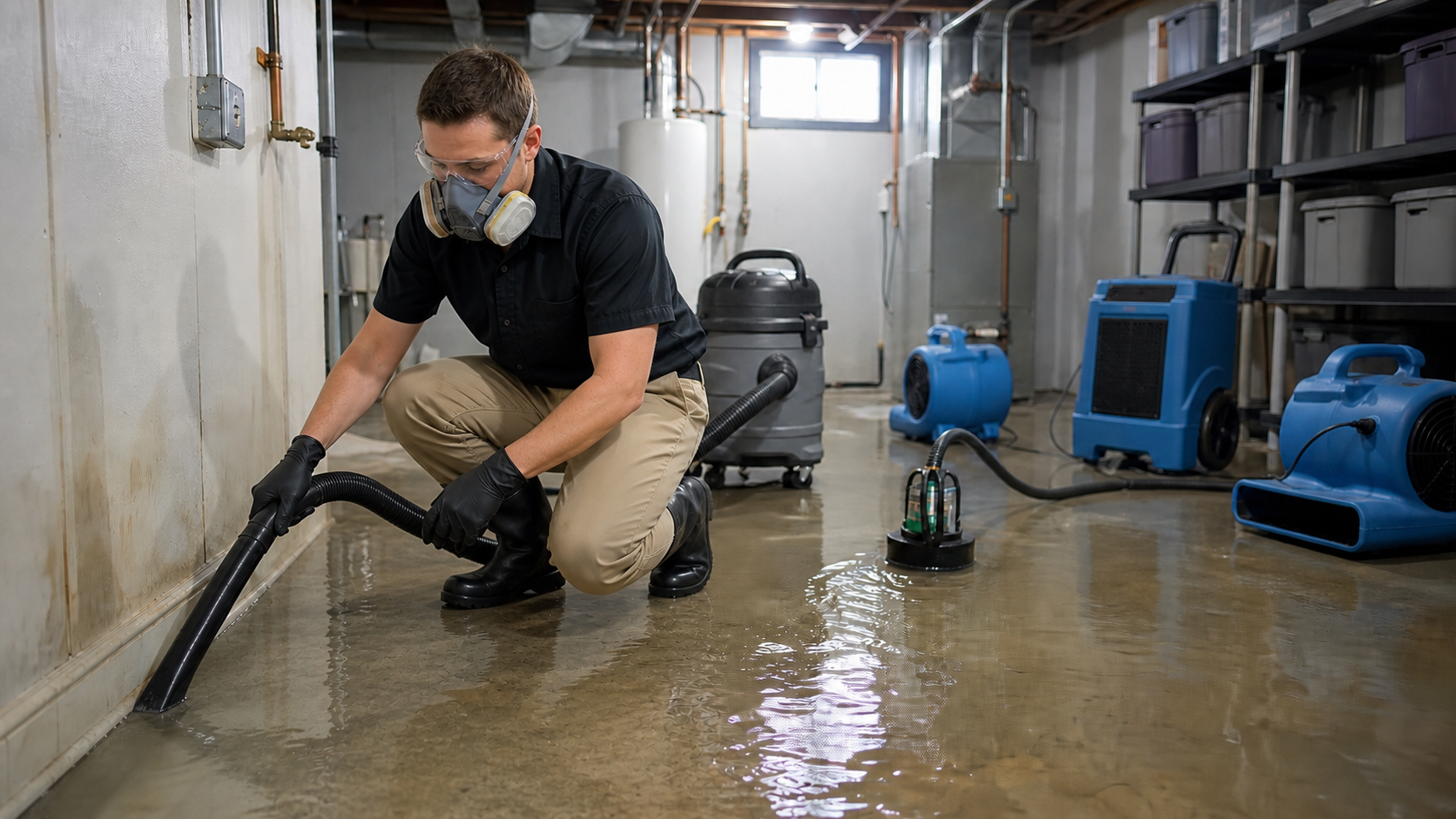
A flooded basement is one of the most stressful events a property owner can face. Whether the water came from a burst pipe, a failed sump pump, or severe weather, the immediate reaction is usually panic, followed by a rush to save personal belongings. However, the most expensive damage often happens after the standing water is gone. The EPA’s moisture and mold guidance makes it very clear: it is important to dry water-damaged areas and items within 24 to 48 hours to prevent mold growth.
For property managers, contractors, and homeowners, that tight window dictates everything you do on day one. When water sits, it soaks into drywall, wicks up insulation, and saturates flooring, setting the stage for basement mold after water damage, lingering odors, and compromised indoor air quality. Furthermore, rushing into demolition without checking for older hazardous materials can turn a water emergency into an asbestos or lead liability issue. Knowing exactly what to prioritize in the first 24 hours can help you stabilize the property, control the water damage mold risk, and set up a successful environmental remediation process rather than a protracted disaster.
Safety First: Electricity, Gas, and Protective Gear
Before a single drop of water is removed, the site must be made safe. If the water level is high enough to reach outlets, power strips, or the electrical panel, do not step into the basement until the power has been completely disconnected by a professional or shut off at the main breaker if it is safely accessible outside the flood zone. Similarly, if you smell gas from a submerged furnace or water heater, evacuate the area and call your utility provider.
Once the area is cleared for entry, gear up appropriately. The CDC’s mold cleanup guidelines recommend wearing protective equipment like gloves, goggles, and an N-95 respirator during flood damage cleanup, especially if the water is contaminated or if the property has been wet for a while. Walking into a flooded space in shorts and sneakers is an unnecessary risk, particularly when dealing with potential sewage backup or unseen debris in the water.
Extract Standing Water Immediately
The clock on mold prevention starts ticking the moment materials get wet. The EPA advises acting quickly when water leaks or spills occur indoors, because drying wet materials within 24 to 48 hours is the most reliable way to stop mold from colonizing.
To meet that window, you must remove the standing water as fast as possible.
Use a gasoline-powered trash pump (located outside for ventilation) or a heavy-duty submersible pump for deep water.
Follow up with a wet/dry vacuum to pull puddles out of low-lying areas and concrete depressions.
Use squeegees to push remaining water toward the floor drain.
The longer the water sits, the deeper it penetrates into porous materials, making the drying process exponentially harder and increasing the likelihood of mold after flooding.
Get the Air Moving and Dehumidify
Removing the liquid water is only half the battle; the other half is removing the humidity from the air. As the basement begins to dry, the moisture evaporates into the air, creating a humid microclimate that can encourage mold growth on surfaces that were never directly touched by the flood.
To combat this, set up industrial air movers (heavy-duty fans) and commercial-grade dehumidifiers immediately. The fans help push humid air out and accelerate evaporation from the wet concrete and framing, while the dehumidifier pulls the moisture from the air. If the weather outside is dry and less humid than the basement, open the windows to ventilate the space during the day. The goal is to drive the relative humidity down below 50% as quickly as possible.
Identify Porous Materials That Must Go
One of the hardest decisions in the first 24 hours is deciding what can be saved and what must be thrown away. The EPA’s flood cleanup and indoor air quality guidance indicates that porous materials that cannot be dried rapidly often need to be discarded.
Waterlogged carpet and carpet padding are almost impossible to dry fully while installed, and they develop mold rapidly. It is generally best to pull them up and remove them from the property immediately. The same rule applies to soaked cardboard boxes, loose paper, and upholstered furniture that has been submerged. Leaving wet, porous materials in the basement acts like a giant sponge continuously releasing moisture into the air, which guarantees a mold smell in house conditions later on.
Beware of Hidden Asbestos During Demolition
As property owners begin tearing out wet carpet, cutting damaged drywall, or removing ruined drop ceilings, they often overlook a major hazard: older building materials. The EPA warns that anyone working on the removal, demolition, or cleanup of building debris after a flood needs to be aware of the presence of asbestos and to handle the materials properly.
A flood does not make asbestos safe; in fact, a severely damaged home becomes a source of asbestos exposure because flooring, drywall, and ceilings may contain the mineral. Dry-scraping wet mastic or tearing down old acoustic tiles to reach wet joists can release fibers if the materials dry out during the tear-down process.
Regardless of the year your property was built, the safest approach is to treat suspect materials as potentially asbestos-containing until testing proves otherwise. Because some imported products may still contain asbestos, age alone is not a reliable way to rule out asbestos, and a government notice on asbestos in imported building products reports that asbestos has been found in a range of imported goods and building materials.
Best practice is to assume suspect building materials may contain asbestos regardless of construction date, especially:
Drywall and joint compound
Flooring and mastics
Ceiling tiles and textures
Imported products and components
Imported or foreign-manufactured building materials can still contain asbestos today, so the safest approach is to test rather than rely on age alone. If you need to cut out wet walls or remove old flooring, having an asbestos inspection first prevents a water emergency from becoming an asbestos abatement crisis.
When to Call for Professional Remediation
If you cannot extract the water and begin the drying process within the critical 24- to 48-hour window, you should assume mold growth is likely. If you already see black mold symptoms, or if the water intrusion involved sewage (black water), do not attempt to clean it yourself. The EPA states that if mold covers more than 10 square feet, or if the water damage is extensive, a professional mold remediation process is recommended.
A professional team will establish containment, use negative air machines to prevent cross-contamination, and safely remove the unsalvageable materials. This is particularly important for commercial properties, where environmental testing for property managers and proper mold remediation for landlords are essential for limiting liability and keeping tenants safe.
If your basement has flooded and you are unsure how to handle the wet drywall, suspect flooring, or potential mold growth, contact BDS Environmental immediately. Our environmental services Michigan team can help you navigate the crucial first hours, provide asbestos testing before demolition, and handle the complete environmental remediation services necessary to return your property to a safe, dry condition.