Asbestos Floor Tile Removal in Michigan: What Property Owners Need to Know
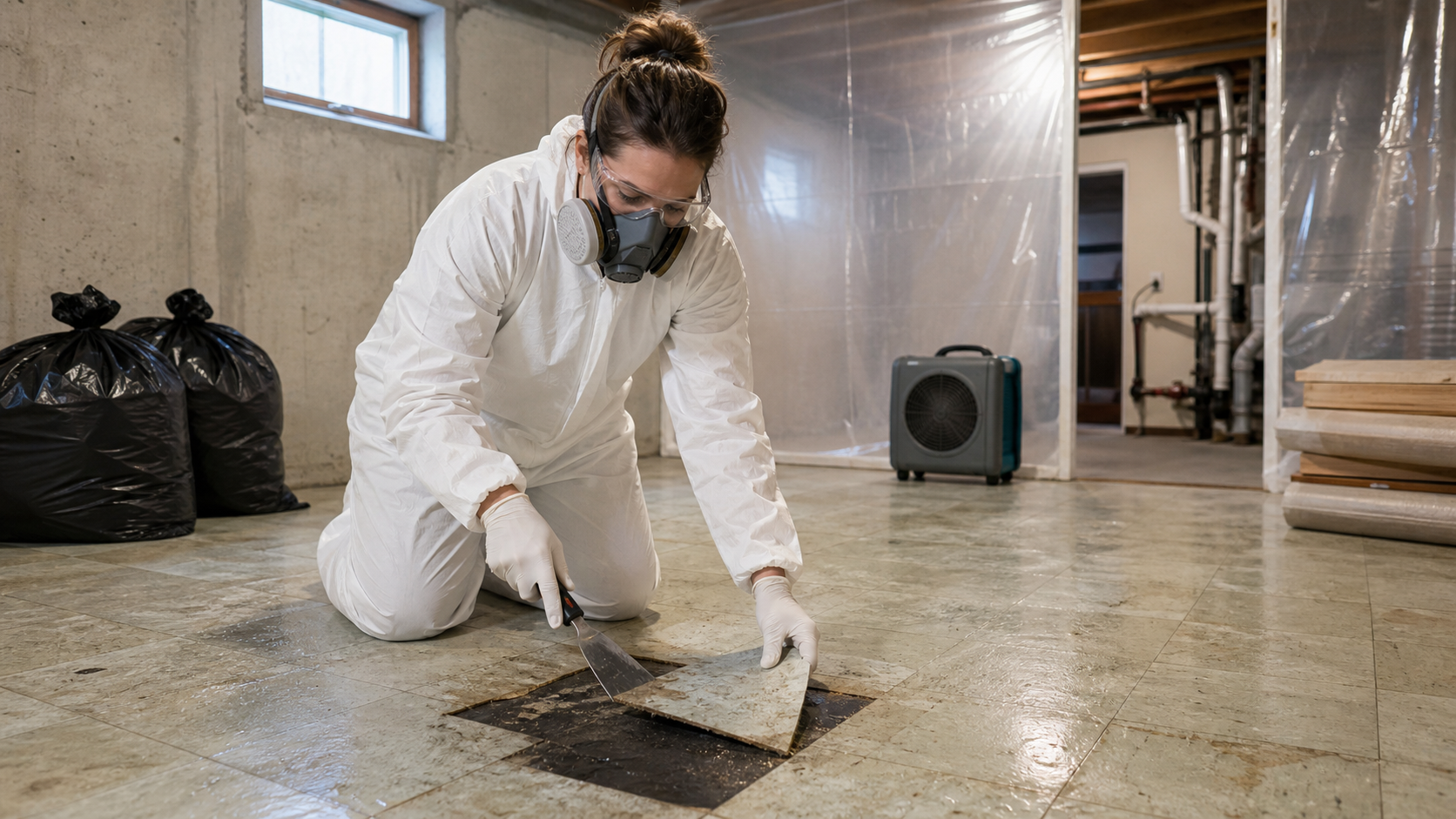
For property owners planning a renovation, an old vinyl floor is often seen as just another demolition chore. It gets pried up, scraped off, and tossed in the dumpster. But if that floor contains asbestos, treating it like standard debris is not just a hazard; it is an immediate regulatory violation. The EPA’s asbestos overview notes that asbestos regulations are designed to prevent the unreasonable risk of injury to health during removal and disposal. When dealing with older housing stock or commercial property, flooring and adhesives are among the most common hidden sources of that exact risk.
In Michigan, managing flooring safely means understanding both the tile itself and what is underneath it. The MIOSHA asbestos program rules require anyone hired to remove friable asbestos to be licensed by the state, and specific notifications are required prior to large abatement projects. For general contractors, property managers, and investors, that means a basement floor replacement is never just a cosmetic upgrade. It is an environmental safety project that must be handled with the same care as mold remediation, lead paint abatement, or any other hazardous material removal.
Why Floor Tiles and Mastic Are So Dangerous
Many property owners assume asbestos is only a problem in pipe wrap or popcorn ceilings. In reality, it was widely used in vinyl floor tiles and the black mastic adhesive used to glue them down. The Occupational Safety and Health Administration (OSHA) notes that workers should presume all vinyl and asphalt floor tiles installed before 1980 contain asbestos.
The danger lies in how the material is handled. When asbestos floor tile is intact, it is generally considered "non-friable," meaning it cannot be crushed into powder by hand pressure. However, the EPA and OSHA both recognize that the hazard changes the moment aggressive demolition starts. Prying, breaking, sanding, or grinding old tiles and mastic turns a dormant material into a significant indoor air quality hazard by releasing microscopic fibers into the air.
This is where asbestos health risks become a reality. The CDC notes that breathing asbestos fibers can result in severe respiratory issues, including mesothelioma and lung cancer. For a homeowner or contractor doing a DIY floor removal, dry-scraping black mastic is one of the fastest ways to contaminate an entire property.
You Cannot Judge a Floor by Looking at It
One of the biggest mistakes in renovation is assuming a material is safe because it does not "look" like asbestos. While many people associate the hazard with 9x9-inch square tiles from older homes, asbestos was also used in 12x12-inch tiles, sheet linoleum backing, and the adhesives underneath.
This is why an asbestos inspection is non-negotiable. Regardless of the year your property was built, the safest approach is to treat suspect materials as potentially asbestos-containing until testing proves otherwise. Because some imported products may still contain asbestos, age alone is not a reliable way to rule out asbestos, and a government notice on asbestos in imported building products reports that asbestos has been found in a range of imported goods and building materials.
Best practice is to assume suspect building materials may contain asbestos regardless of construction date, especially:
Drywall and joint compound
Flooring and mastics
Ceiling tiles and textures
Imported products and components
Imported or foreign-manufactured building materials can still contain asbestos today, so the safest approach is to test rather than rely on age alone. Proper asbestos testing requires a licensed inspector to take physical samples of both the tile and the mastic to a lab for analysis before any demolition begins.
The Hazards of Improper Mastic Removal
Often, the tile itself is only half the battle. Black mastic—the thick, tar-like adhesive used to secure flooring—frequently contains asbestos. When property owners attempt to remove mastic to prep the concrete for new flooring, they often resort to the worst possible method: sanding or grinding.
OSHA strictly prohibits the dry sanding of asbestos-containing floor mastic because it is an aggressive method that instantly aerosolizes the fibers. Scraping, grinding, or using power tools on dry mastic is exactly the kind of activity that produces high airborne fiber levels, putting everyone in the building at risk.
Just like peeling lead paint danger requires careful, wet-method controls, asbestos mastic must be removed using specialized chemical solvents and wet scraping by a licensed abatement contractor. The slurry created by this process must be vacuumed with HEPA equipment and disposed of as regulated hazardous waste.
Commercial vs. Residential Demolition Requirements
When dealing with asbestos flooring, the regulatory landscape shifts depending on the type of property. The EPA’s Asbestos NESHAP regulations apply strictly to institutional, commercial, or industrial buildings. For these properties, asbestos demolition requirements mandate thorough inspections and proper notification to the state before any renovation that disturbs suspect materials.
While single-family residential homes are sometimes exempt from NESHAP, Michigan contractors still must follow MIOSHA worker safety regulations. The MIOSHA asbestos program requires that non-emergency asbestos abatement projects exceeding certain size thresholds must submit project notifications to the state 10 days before work begins. For property managers and investors, this means you cannot simply hire a handyman to tear up a suspect basement floor; environmental compliance property owners expect requires a licensed asbestos removal Michigan firm.
The Cost of Overlapping Hazards
In older Michigan properties, environmental hazards rarely show up one at a time. A basement floor replacement often uncovers more than just asbestos. If the floor was damaged by a previous plumbing leak or seasonal flooding, the contractor may also find mold under the tiles or behind the baseboards.
When this happens, the project shifts from a simple floor removal to a coordinated hazardous material removal effort. A water damage mold risk means the crew must now address mold removal and asbestos abatement simultaneously. Because both hazards require negative air containment and specialized PPE, attempting a DIY fix is incredibly dangerous. Disrupting mold spores while dry-scraping asbestos mastic creates a dual indoor air quality hazard that can contaminate the entire HVAC system.
This overlapping risk is why professional environmental remediation services are so critical. A team trained in both mold remediation process steps and asbestos removal can safely handle the complex containment required for multiple hazards.
Safe Disposal Is Just as Important as Safe Removal
The abatement process does not end when the floor is scraped clean. Safe disposal is a heavily regulated part of the job. You cannot throw asbestos floor tiles or mastic slurry into a standard residential trash bin or a rented construction dumpster.
In Michigan, disposal must follow strict MIOSHA and EPA guidelines. Asbestos-containing waste must be sealed in heavy-duty, leak-tight bags while wet, labeled with specific hazard warnings, and transported to a landfill permitted to accept asbestos waste. This chain of custody protects the property owner from liability and ensures the hazardous materials do not end up contaminating the public waste stream.
Protect Your Project and Your People
Whether you are renovating a commercial office, updating a rental unit, or fixing a flooded basement, treating an old floor like standard demolition debris is a risk you cannot afford to take. The fines for improper asbestos removal, combined with the severe health risks to workers and occupants, make professional testing and abatement the only logical choice.
If you suspect your flooring or adhesive may contain asbestos, or if you are dealing with overlapping issues like lead paint in older homes or basement mold after water damage, contact BDS Environmental before you begin demolition. Our environmental services Michigan team can handle the required asbestos testing, safe removal, and legal disposal, ensuring your renovation stays safe, compliant, and on schedule.