What Property Owners Should Know About Air Quality Testing
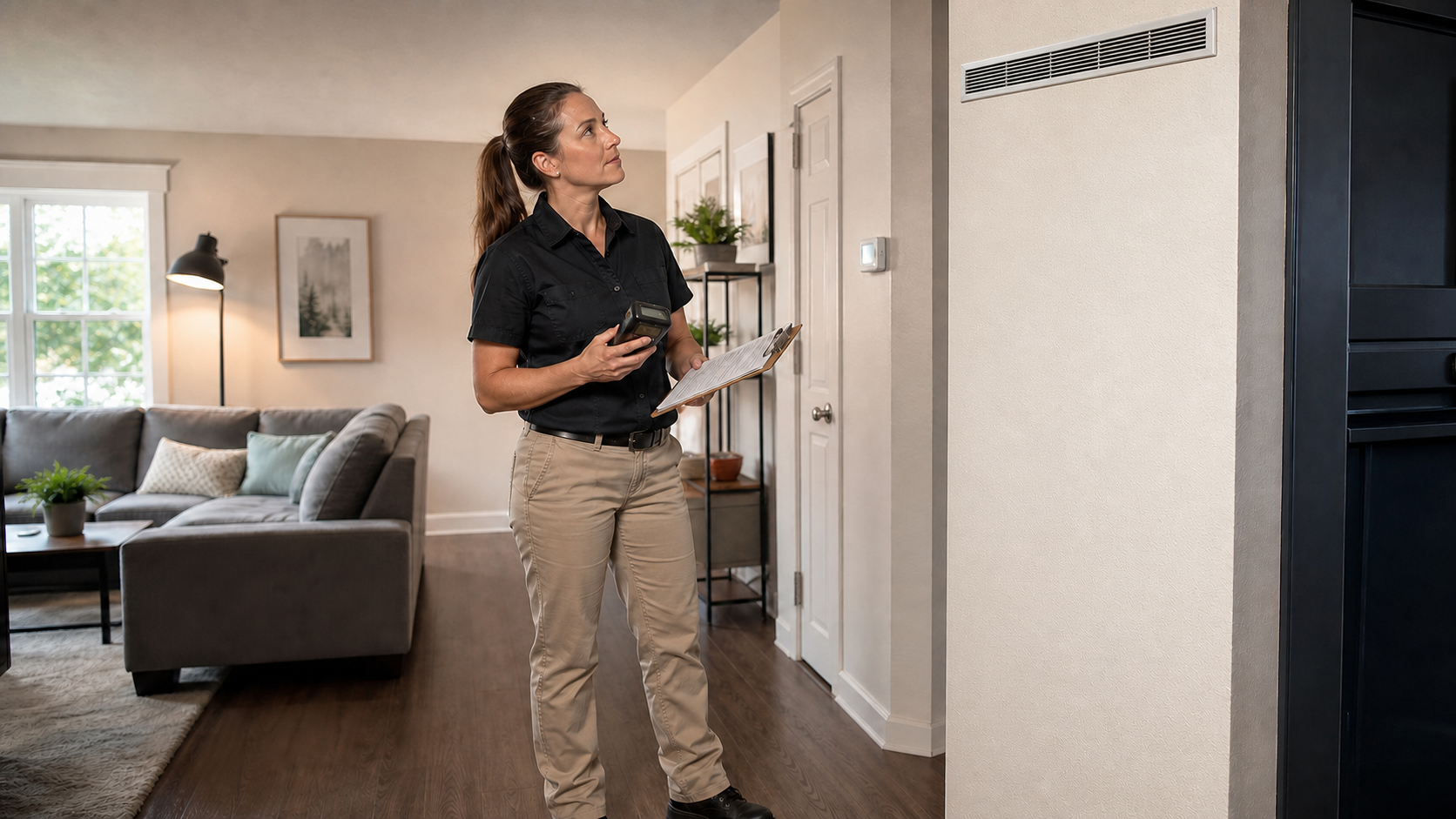
Air quality testing can sound like a simple yes-or-no service. In practice, it is much more useful than that when it is done for the right reason. For homeowners, landlords, property managers, contractors, and investors, the value of air quality testing is not just in collecting samples. It is in understanding what the building is telling you, what the occupants are experiencing, and what conditions may be affecting health, comfort, maintenance, or future renovation plans.
That is especially true in older homes, mixed-use properties, commercial buildings, and buildings with recurring complaints. A musty odor, lingering dust, basement mold after water damage, poor ventilation, or repeated tenant concerns about indoor air quality hazards may all point to a larger building issue. Air quality testing can help narrow that down, but it works best when property owners understand what it can identify, what it cannot do on its own, and how the results should shape the next step.
Why Air Quality Testing Matters
One of the most important things property owners should know is that indoor air problems often come from inside the building itself. The EPA’s indoor air quality overview says common indoor air pollutants include carbon monoxide, smoke, radon, mold, particulate matter, and volatile organic compounds, while the EPA’s Report on the Environment summary notes that most pollutants affecting indoor air quality come from sources inside buildings, although some originate outdoors.
That point matters because indoor air concerns are rarely caused by one issue alone. The EPA’s Inside Story guide explains that most homes have more than one source contributing to indoor air pollution, even when one source gets most of the attention first. A property may have moisture concerns, cleaning-product VOCs, dust, pet dander, poor filtration, and low ventilation at the same time.
The health and comfort side matters too. The CDC’s indoor air quality fact sheet says poor indoor air quality can contribute to asthma and can also cause headaches, dry eyes, nasal mucus, nausea, and tiredness, with people who already have lung problems more likely to experience those symptoms. The same CDC fact sheet lists common indoor air pollutants such as molds, pollen, pet dander, formaldehyde, fumes emitted by imported drywall, carbon monoxide, and household products like cleaners and pesticides.
For property owners, that means air quality testing is not just about finding a single “bad” reading. It is often part of understanding how building materials, moisture conditions, ventilation, occupancy, and maintenance habits are interacting in the real world.
What Air Quality Testing Can and Cannot Tell You
A good air quality investigation should answer a specific question. Is there a moisture-driven problem behind a mold smell in house conditions? Is poor ventilation allowing pollutants to build up? Is a tenant complaint tied to dust, VOCs, combustion sources, or mold-related conditions? Air quality testing can help answer those questions, but it is not a magic shortcut that replaces building inspection or source identification.
EPA says there are three basic strategies for improving indoor air quality: source control, improved ventilation, and air cleaners or filtration. Just as important, EPA says source control is the most effective solution in most cases. That is a useful reality check for property owners because testing alone does not solve anything if the moisture source, pollutant source, or ventilation problem stays in place.
This is why air quality testing should be viewed as one tool, not the whole solution. If a property has recurring water intrusion, hidden mold growth, or ongoing odor complaints, the testing may help confirm what the building team needs to investigate further. But if the building already has a visible moisture problem, a damp basement, or obvious ventilation issues, testing should support the corrective plan, not delay it.
Property owners should also know that some concerns require targeted testing rather than general indoor air sampling. EPA says all homes should have carbon monoxide and smoke alarms and should be tested for radon. EPA’s remodeling and indoor air quality guidance adds that homeowners should test the lowest lived-in level for radon, even if the home was previously tested, when remodeling could change building conditions.
That is a good example of how “air quality testing” is not one universal service. Radon testing, moisture-related evaluation, mold inspection, and complaint-driven indoor air sampling are not all the same thing, and a smart scope depends on the problem you are actually trying to solve.
What Professionals Usually Look At
In the field, air quality testing is rarely just about collecting air samples and walking away. A professional evaluation usually starts with context: where the complaint is happening, when it happens, what the building has been through, and whether moisture, ventilation, occupancy, or renovation activity might be involved.
Ventilation is a major part of that review. The EPA’s ventilation guidance explains that increasing ventilation means increasing the amount of air moving in and out of a building, and that ventilation helps remove indoor air that may be concentrated with airborne contaminants and replace it with fresher outdoor air. EPA also says ventilation improves indoor air quality by reducing the levels of pollutants such as particulate matter, volatile organic compounds, and biological pollutants.
That matters because air quality complaints are often really building-performance complaints. If the building is not bringing in enough outdoor air, if exhaust systems are weak, or if filtration is poor, pollutant levels can stay elevated even when no dramatic contamination event has happened. In homes, that may show up as stale air, odors, and lingering humidity. In commercial properties, it may show up as recurring occupant complaints, stuffy meeting rooms, uneven comfort, or repeated concern about mold in commercial buildings.
EPA also notes that most schools, offices, and commercial buildings have HVAC systems that bring in outdoor air and can filter some particles, but because building types and HVAC systems are complex, a professional should interpret relevant ventilation and filtration guidance for the specific building and circumstances. That is especially relevant for environmental testing for property managers, because the issue may involve not just one unit or one room, but a larger system serving multiple spaces.
A well-scoped air quality review may include some combination of occupant interviews, moisture observations, HVAC review, room-to-room comparisons, targeted sampling, and recommendations for source control or follow-up corrective work. The testing is valuable, but the interpretation is what turns data into action.
When Property Owners Should Consider Testing
Property owners usually do not need air quality testing just because they are curious. They need it when there is a pattern, a complaint, or a building condition that needs to be clarified. Common triggers include recurring mold smell in house complaints, water damage that may have affected hidden materials, post-renovation odor issues, repeated tenant concerns, suspected ventilation problems, or a history of moisture in basements, crawl spaces, or utility rooms.
Moisture-related situations are some of the most common reasons to test. The CDC says fixing water leaks helps keep mold away, and it also advises that if you see or smell mold, you should clean it up appropriately rather than ignore it. When a property has a lingering odor after cleanup, visible staining that returns, or basement mold after water damage, air quality testing may help determine whether the complaint is tied to hidden microbial growth, humidity, or another indoor air issue.
Testing can also make sense before or after major property decisions. If you are buying a commercial building, managing recurring complaints in a multifamily property, planning a renovation, or trying to understand whether indoor air quality hazards could affect leasing or occupancy, a documented assessment can be much more useful than relying on assumptions.
For Michigan property owners, that is especially important in buildings with layered repair histories. A property may have newer finishes on the surface while still dealing with older ventilation limitations, chronic moisture entry, or past water damage behind walls and below floors. In those cases, air quality testing is often most useful when it is tied to a larger building review instead of treated as a stand-alone checkbox.
How to Use the Results the Right Way
The biggest mistake property owners make with air quality testing is treating the report like the finish line. It is not. The report is only useful if it leads to the right corrective action. EPA’s framework is clear: source control comes first, then ventilation improvements, then filtration or air cleaning as a supporting strategy.
That means the action plan may involve fixing a leak, drying a damp assembly, improving exhaust, adjusting HVAC operation, upgrading filtration, or addressing a pollutant source inside the building. EPA says portable air cleaners and higher-efficiency HVAC filters can supplement improvements from source control and ventilation, and its ventilation guidance says property owners can also consider portable air cleaners or upgraded HVAC filters where appropriate.
The CDC’s indoor air quality fact sheet also gives practical building-level steps, including opening windows or using ventilation systems to bring in fresh air, cleaning dust and pet fur, fixing water leaks, reducing unnecessary use of bug spray, avoiding smoking indoors, and taking gas odors seriously by leaving the building and avoiding sparks or flames. In other words, the best air quality results usually come from combining testing with clear building corrections.
For owners, landlords, and managers, the practical takeaway is simple: air quality testing is most valuable when it is tied to a real question and followed by a real plan. It can help clarify moisture-related complaints, support mold inspection decisions, identify ventilation concerns, and guide broader environmental remediation services when building conditions warrant it.
If you are dealing with recurring odors, moisture history, tenant complaints, or suspected indoor air quality hazards, contact BDS Environmental to discuss air quality testing, mold inspection, mold remediation, and environmental testing for property managers. The most useful testing is the kind that helps you move from uncertainty to a clear, practical next step for the property.