How Environmental Remediation Protects Property Value
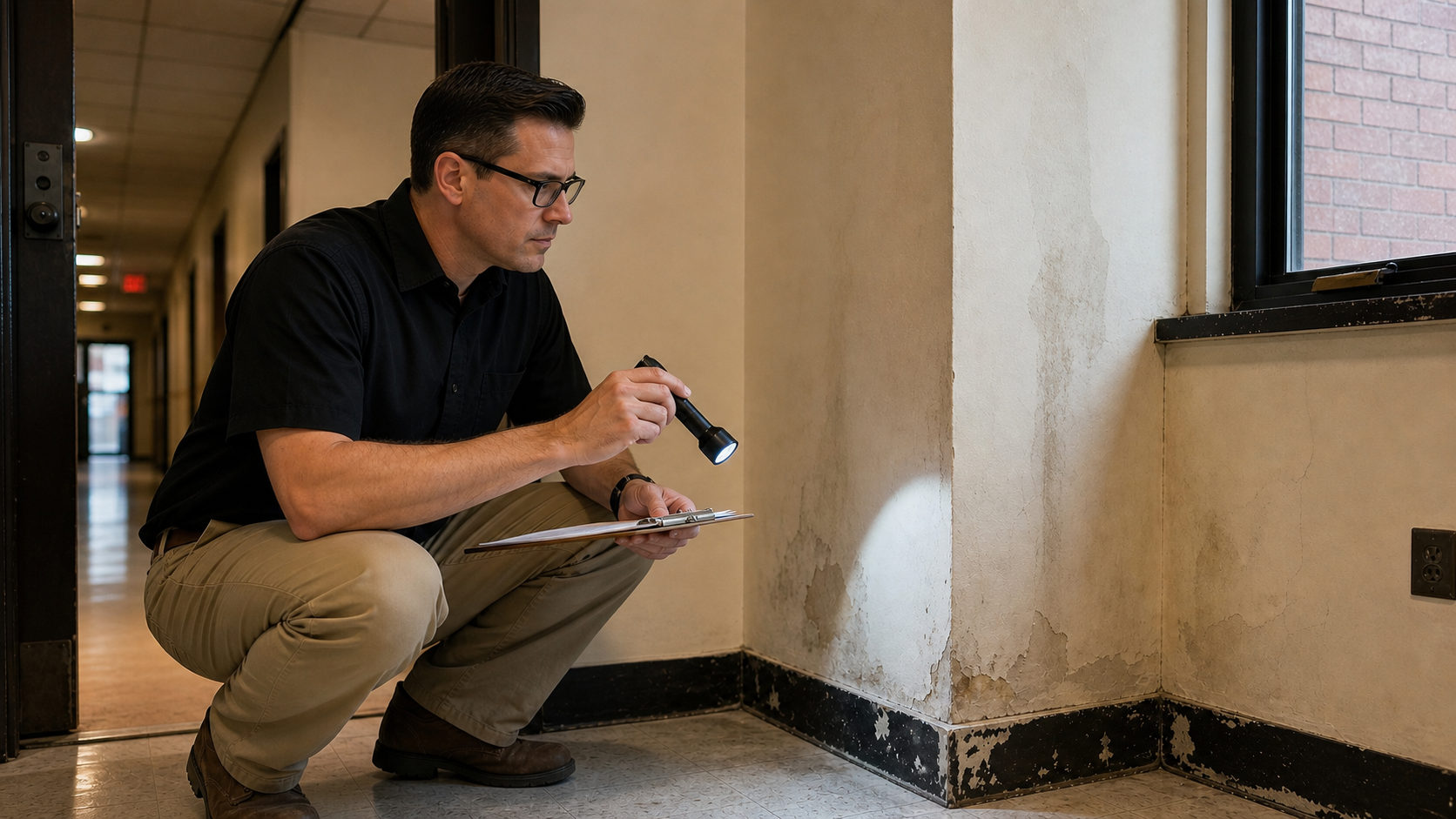
Property value is not protected by appearances alone. A building can look market-ready on the surface while still carrying hidden environmental issues that affect leasing, renovation costs, buyer confidence, and long-term asset performance. Mold behind finishes, suspect asbestos in renovation areas, deteriorated painted surfaces, moisture intrusion, and other indoor air quality hazards all have a way of showing up at the worst possible time, usually when a deal, turnover, or construction schedule is already in motion.
That is why environmental remediation matters from a property-value standpoint. For homeowners, property managers, investors, and commercial building owners, environmental remediation services are not just about cleanup. They are about reducing uncertainty, limiting hidden liability, preserving building function, and keeping a property marketable. When environmental problems are identified and addressed correctly, owners are in a much better position to protect both the physical asset and the financial value tied to it.
Property Value Drops When Uncertainty Goes Up
In the field, value is affected by more than square footage and location. It is also shaped by risk. The moment a buyer, tenant, lender, insurer, or contractor believes a property may have unresolved environmental conditions, the conversation changes. What looked like a straightforward asset can suddenly become a project with unknown scope, uncertain costs, and potential delays.
That uncertainty affects pricing power. Buyers may negotiate harder. Tenants may hesitate to commit. Renovation contractors may build more contingency into bids. Ownership groups may have to delay upgrades until environmental testing is complete. In practical terms, unresolved conditions often reduce flexibility, and reduced flexibility tends to reduce value.
Environmental remediation helps by replacing uncertainty with documentation and action. Once a condition has been inspected, defined, and addressed properly, the property moves from “possible hidden problem” to “known condition with a response plan or completed correction.” That shift matters in real transactions and real project planning.
Remediation Protects the Building Itself
One of the clearest ways environmental remediation protects property value is by preventing building damage from spreading. Many environmental problems do not stay confined to one small area. Moisture moves. Mold expands. Damaged materials deteriorate further. Disturbable asbestos becomes a major issue once renovation begins. Failing painted surfaces can turn a routine repair into a more controlled hazard-response project.
Mold is a good example. The EPA notes that the key to mold control is moisture control, and that when water intrusion is present indoors, the source should be identified and repaired promptly. That guidance matters because when moisture is ignored, the cost is rarely limited to one stain or one odor. It often turns into damaged drywall, deteriorated insulation, compromised finishes, flooring issues, and broader indoor air quality concerns.
That kind of spread affects value directly. A property with active moisture and mold conditions is harder to market, harder to turn over, and more expensive to improve. Timely mold inspection and mold remediation help stop that damage cycle before it reaches more materials, more rooms, or more systems in the building.
Environmental Problems Can Slow Leasing and Turnover
A property does not need to be sold to suffer a value hit. Leasing delays, turnover complications, and occupancy problems all affect the income side of the asset. If a suite, unit, office, or tenant space cannot be turned over on time because of mold, suspect asbestos, lead paint concerns, or other hazardous material removal needs, the owner may lose revenue while still carrying expenses.
This is one reason environmental testing for property managers is so important. Vacancy and turnover create a window to identify conditions before the next occupant arrives. If that window is missed, the same issue may surface later as a complaint, a work stoppage, or an emergency remediation project that affects move-in timing and tenant confidence.
The effect on value is not abstract. Delayed occupancy can disrupt cash flow. Complaints can strain renewals. Repeated environmental issues can make a building harder to lease. Environmental remediation protects value by helping owners solve those problems before they start affecting income and reputation.
Buyers and Investors Look Closely at Environmental Risk
Environmental conditions can affect how a property is viewed during due diligence. An investor may tolerate an aging roof or an outdated finish package if the repair path is clear. Environmental issues are different because they often signal hidden scope. A stain may mean an isolated leak, or it may mean widespread mold in concealed spaces. Old flooring may seem like a cosmetic replacement item, or it may trigger asbestos testing before demolition proceeds.
That is why documented environmental review carries weight. Asbestos inspection, asbestos testing, mold inspection, and lead-related evaluation all help buyers understand what they are acquiring. Clean documentation gives the next decision-maker something concrete to evaluate instead of forcing them to price in worst-case assumptions.
In Michigan, this matters even more during renovation and repositioning work. The EPA’s guidance for building owners and managers makes clear that asbestos-containing materials should be identified and managed before maintenance or renovation disturbs them. The state also administers asbestos renovation and demolition oversight through the EGLE Asbestos NESHAP program, which reinforces that environmental compliance is part of project planning, not something to think about after demolition starts.
From a value perspective, that means a property with unresolved environmental questions is often seen as a less predictable asset. A property with known conditions and a clear remediation path is easier to underwrite, improve, and transact.
Remediation Supports Safer Renovation Planning
A major renovation can increase property value, but only if the work can move forward without major surprises. Environmental remediation protects value by reducing the risk of mid-project disruption. This is especially important in buildings where flooring, mastics, ceiling systems, wall finishes, utility materials, or patching compounds may need to be disturbed.
Regardless of the year your property was built, the safest approach is to treat suspect materials as potentially asbestos-containing until testing proves otherwise. Because some imported products may still contain asbestos, age alone is not a reliable way to rule out asbestos. That is especially true for drywall and joint compound, flooring and mastics, ceiling tiles and textures, and imported or foreign-manufactured building materials.
The EPA advises owners and managers to identify and manage asbestos before maintenance and renovation work disturbs it. A commercial asbestos guidance article also notes that assumptions based on age alone can be misleading, particularly where building materials or components may come from outside traditional domestic supply chains. For owners, that means asbestos before renovation is not just a safety issue. It is an asset-protection issue. When asbestos abatement is handled proactively, the renovation budget, construction schedule, and finished value are all easier to protect.
Indoor Air Quality Affects Marketability
Property value is influenced by how a building performs for the people inside it. If occupants notice persistent odors, moisture, visible growth, or air-quality concerns, those conditions can shape how the property is perceived long before a formal inspection report is written. In commercial buildings, that can affect tenant retention. In residential settings, it can affect buyer confidence and time on market.
The EPA states that mold exposure can irritate the eyes, skin, nose, throat, and lungs. Whether the issue is severe contamination or an early-stage moisture problem, indoor air quality hazards can quickly become part of the property’s reputation. Once that happens, the building is no longer competing only on location, layout, or finish level. It is also fighting the perception that something is wrong with the environment inside.
Environmental remediation helps protect value by addressing those concerns before they become part of the property narrative. Proper mold remediation, moisture correction, lead paint abatement, and asbestos removal all help move a building back toward a condition that feels stable, safe, and professionally managed.
Small Environmental Issues Often Point to Bigger Costs
Another reason remediation protects property value is that environmental issues often reveal broader building problems. Mold may point to drainage defects, envelope leaks, HVAC imbalances, or plumbing failures. Peeling paint may reveal substrate deterioration or a need for more controlled lead paint removal. Suspect asbestos discovered during a minor repair may indicate that wider renovation areas need asbestos inspection before work continues.
If those issues are ignored, the repair bill usually grows. Commercial cost guidance shows that mold remediation can range from relatively modest contained work to much larger projects involving significant demolition and occupied-space complications. The real financial hit is not only the remediation invoice. It is the added cost of delayed turnover, expanded construction scope, emergency vendor coordination, and repairs that become more invasive because the issue was allowed to continue.
That is where environmental remediation services create real financial value. They help owners catch a smaller problem while it is still smaller. They also help distinguish between a localized condition and a building-wide issue that needs broader planning. That clarity can preserve both capital budgets and asset performance.
Documentation Protects Value Too
A professionally remediated property is stronger when the work is documented clearly. Reports, testing records, scope summaries, clearance documentation, and remediation records all help support leasing, turnover, ownership reporting, and future due diligence. Good documentation shows that a condition was not ignored and that the response was handled in a structured, defensible way.
This is especially useful for property managers and investors. Environmental compliance property owners can demonstrate is often just as important as the physical correction itself. If questions come up later, clear records reduce confusion and make it easier to show what was found, what was done, and what conditions were addressed before the next phase of occupancy or renovation.
From a value standpoint, documentation reduces friction. Less friction means smoother negotiations, clearer project planning, and fewer surprises. That helps protect both transaction value and operating value.
A Broader View of Property Protection
Environmental remediation is often treated as a cost center, but that view is too narrow. In practice, it is part of asset protection. It protects building materials from further damage, helps preserve rent-ready and market-ready conditions, supports safer renovations, reduces avoidable delays, and improves how a property is perceived by buyers, tenants, and contractors.
For Michigan owners and managers, that broader view matters. Environmental safety in older homes, older commercial buildings, mixed-use properties, and renovated spaces cannot be judged by appearance alone. Mold inspection, asbestos testing, lead paint abatement, and other environmental remediation services help turn hidden risk into manageable scope.
When environmental issues are addressed early and correctly, owners usually have more choices, more control, and a stronger position in the market. That is what protecting property value really looks like. If you suspect your building may have asbestos, mold, lead paint hazards, or other environmental concerns, contact BDS Environmental to start the conversation and get a clear plan for protecting your property the right way.