Why Fast Response Times Matter in Mold Remediation
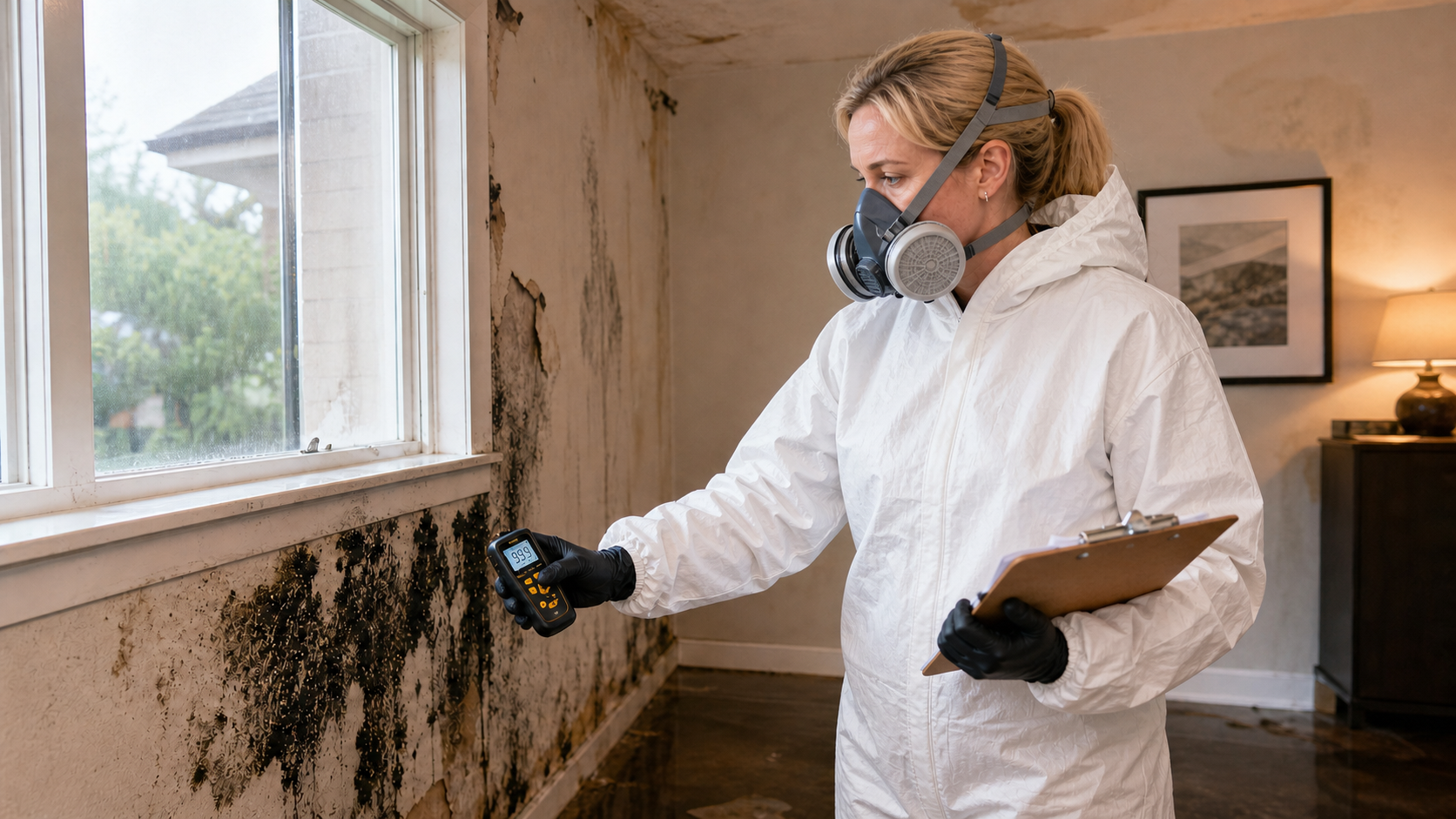
When mold shows up in a building, time matters more than many property owners realize. What starts as a musty odor, a small discoloration on drywall, or damp material near a leak can become a larger remediation issue if the moisture source stays active and contaminated materials remain in place. Fast response does not just make the problem look smaller. In many cases, it actually helps keep the problem smaller.
For homeowners, property managers, contractors, and commercial owners in Michigan, quick action is one of the most important parts of a successful mold remediation process. The longer a moisture problem sits, the more likely it is to affect finishes, indoor air quality, tenant confidence, project schedules, and overall repair cost. In the field, delayed response is one of the biggest reasons a manageable mold issue turns into a far more disruptive one.
Mold Gets Worse While People Wait
Mold rarely stays frozen at the stage where it is first noticed. If building materials remain damp, growth can continue spreading into adjacent finishes, behind walls, above ceilings, below flooring, and inside cavities that are not visible during a basic walk-through.
That is why a fast response matters so much. The first visible sign is often only part of the actual condition. By the time occupants notice staining, odor, or surface growth, moisture may have already affected insulation, framing, backing materials, adhesives, or mechanical areas nearby. In practical terms, waiting usually expands the scope.
This is also why mold in commercial buildings can escalate quickly. In an occupied office, retail suite, apartment building, or mixed-use property, a small unresolved leak does not just affect the original wet spot. It can start affecting indoor air quality hazards, neighboring materials, and tenant perception of the space.
Moisture Control Cannot Wait
At its core, mold remediation is not just about removing visible mold. It is about identifying and correcting the moisture condition that allowed growth to develop in the first place. Indoor environmental health guidance consistently ties mold control to moisture control, which is why a prompt inspection matters before a damp area turns into a larger contamination problem.
That is where delays become expensive. If a roof leak, plumbing issue, drainage problem, condensation pattern, or basement humidity issue is left alone for even a short period, the remediation scope often becomes more complex. What could have been limited drying and targeted removal can turn into material replacement, odor treatment, containment work, and a broader mold remediation process.
For Michigan properties, this comes up all the time after storm events, plumbing failures, and unnoticed leaks behind finishes. Whether the issue involves mold after flooding, basement mold after water damage, or recurring moisture in a tenant space, the response clock starts when water is discovered, not when the schedule becomes convenient.
Fast Response Helps Protect Indoor Air Quality
One of the biggest reasons to respond quickly is indoor air quality. Occupants may not understand the technical side of mold growth, but they notice musty smells, damp conditions, and spaces that feel unhealthy. That affects confidence in the building almost immediately.
The EPA notes that mold exposure can irritate the eyes, skin, nose, throat, and lungs. Even when the visible area looks limited, ongoing moisture and microbial growth can create a building environment that feels problematic to occupants, employees, customers, or tenants. In commercial settings, that means the cost of waiting is not only physical damage. It can also involve complaints, lost trust, and more complicated communication.
This is especially important in properties where people are already sensitive to odors or air quality conditions. A musty office suite, a retail back room with persistent dampness, or a lower-level residential unit with recurring moisture can quickly become a bigger management problem if the response is slow and the issue remains active.
Delays Usually Increase the Cost of Mold Remediation
Owners sometimes delay calling for mold inspection because they want to avoid the cost of remediation. In reality, slow response often leads to a larger bill. As the affected area grows, more materials may need to be removed, more labor may be required, and more of the space may need to be protected during the work.
Commercial cost guides note that mold remediation expenses increase significantly as the size and complexity of the project increase, especially when demolition, containment, or occupied-space logistics are involved. That aligns with what happens in the field. A quick response can sometimes keep a project localized. A delayed response is more likely to involve multiple trades, larger demolition areas, and longer downtime.
That cost increase is not limited to direct remediation either. It can also include:
Delayed tenant turnover
Interrupted renovation schedules
Lost rent or delayed occupancy
Additional finish repairs
More extensive drying and rebuild work
For property managers, that is why fast response is part of cost control. A small mold issue that is investigated early is often far easier to manage than a larger one discovered after the damage spreads behind surfaces.
Tenant Turnover Is a Critical Window
Fast response becomes even more important during vacancy and turnover. When a tenant moves out, property managers often discover hidden moisture issues that were partly concealed by furniture, shelving, stored materials, or daily use of the space. That short turnover period is one of the best times to investigate and act.
Industry guidance around rental turnover highlights mold testing as an important step because it helps identify hidden conditions before a new occupant moves in and before a complaint becomes a bigger legal or operational issue. For property managers, that makes fast scheduling essential. If inspection is delayed until after maintenance crews begin patching, painting, or replacing finishes, the problem can grow while the unit is already being prepared for reoccupancy.
This applies to both residential and commercial turnover. A fast mold inspection gives decision-makers time to determine whether the issue is isolated, whether mold removal is needed, whether materials should be opened, and whether the moisture source has truly been corrected. That kind of timing protects the next occupant and helps keep the turnover schedule realistic.
Quick Action Limits Building Damage
Mold damage is usually tied to the same factor that caused the contamination in the first place: moisture. If wet materials stay wet, building components continue deteriorating. Drywall softens, insulation loses performance, trim begins to fail, paint peels, adhesives release, and odors become harder to remove from porous materials.
That is one reason fast response times matter even when the visible mold seems minor. The goal is not just to remove contamination. It is to stop the building from absorbing more damage while the problem sits unresolved.
For example, a property owner may notice a mold smell in house style conditions in a basement office or utility area and assume the issue can wait until a later repair cycle. But if the source is active seepage, condensation, or a concealed leak, the delay gives the problem time to affect more material. What could have been a targeted mold remediation Michigan call becomes a broader restoration project.
Fast Response Improves Remediation Quality
There is also a quality issue here. The longer a condition is left alone, the more variables get added. Materials may dry unevenly. Secondary staining may appear. Hidden cavities may become involved. Occupants may try to clean the area improperly. Maintenance teams may paint over damage or disturb contaminated materials while trying to make the space presentable.
Fast professional evaluation helps avoid those mistakes. A proper response can determine:
Where the moisture is coming from
What materials are affected
What can be dried or cleaned
What should be removed
How to protect unaffected areas during work
That creates a cleaner mold remediation process overall. Instead of reacting to a worsening condition, the remediation team works from a clearer, earlier snapshot of the problem. In most cases, that improves both efficiency and results.
Reputation and Operations Are on the Line
In commercial and managed properties, slow response can also damage reputation. Tenants remember how quickly building issues are acknowledged and addressed. If they feel that mold concerns were ignored, brushed aside, or allowed to linger, that can affect renewals, reviews, and trust in the property team.
For landlords and managers, mold remediation for landlords is not only about removing contamination. It is also about demonstrating responsible building stewardship. Quick action shows occupants that the issue is being treated seriously. Slow action often sends the opposite message, even before the full extent of the problem is known.
This matters in Southeast Michigan markets where occupancy, turnover speed, and contractor coordination are closely tied to revenue. Whether someone is searching for mold removal near me, mold remediation Warren MI, or broader environmental remediation services, the urgency usually comes from the same reality: once mold is visible or detectable, delay rarely improves the outcome.
The Best Mold Response Is an Early One
The most effective mold remediation projects usually start with a quick, informed response. That does not mean every moisture event leads to a major environmental problem. It does mean the smartest move is to assess the issue early, control the moisture source, and determine the right scope before the condition expands.
Fast response protects more than materials. It helps protect indoor air quality, tenant relationships, project schedules, and repair budgets. It also gives owners and managers more options. Early in the process, there is often a chance to keep the scope narrow. Later in the process, the choices usually get more expensive.
That is the real reason response time matters in mold remediation. Speed is not just about urgency for its own sake. It is about preventing a smaller problem from turning into a larger one.
If you suspect mold may be developing in your building, contact BDS Environmental to discuss professional mold inspection, mold remediation, and next-step guidance. Acting early is often the best way to protect both the property and the people inside it.