Understanding EPA and OSHA Requirements for Environmental Remediation
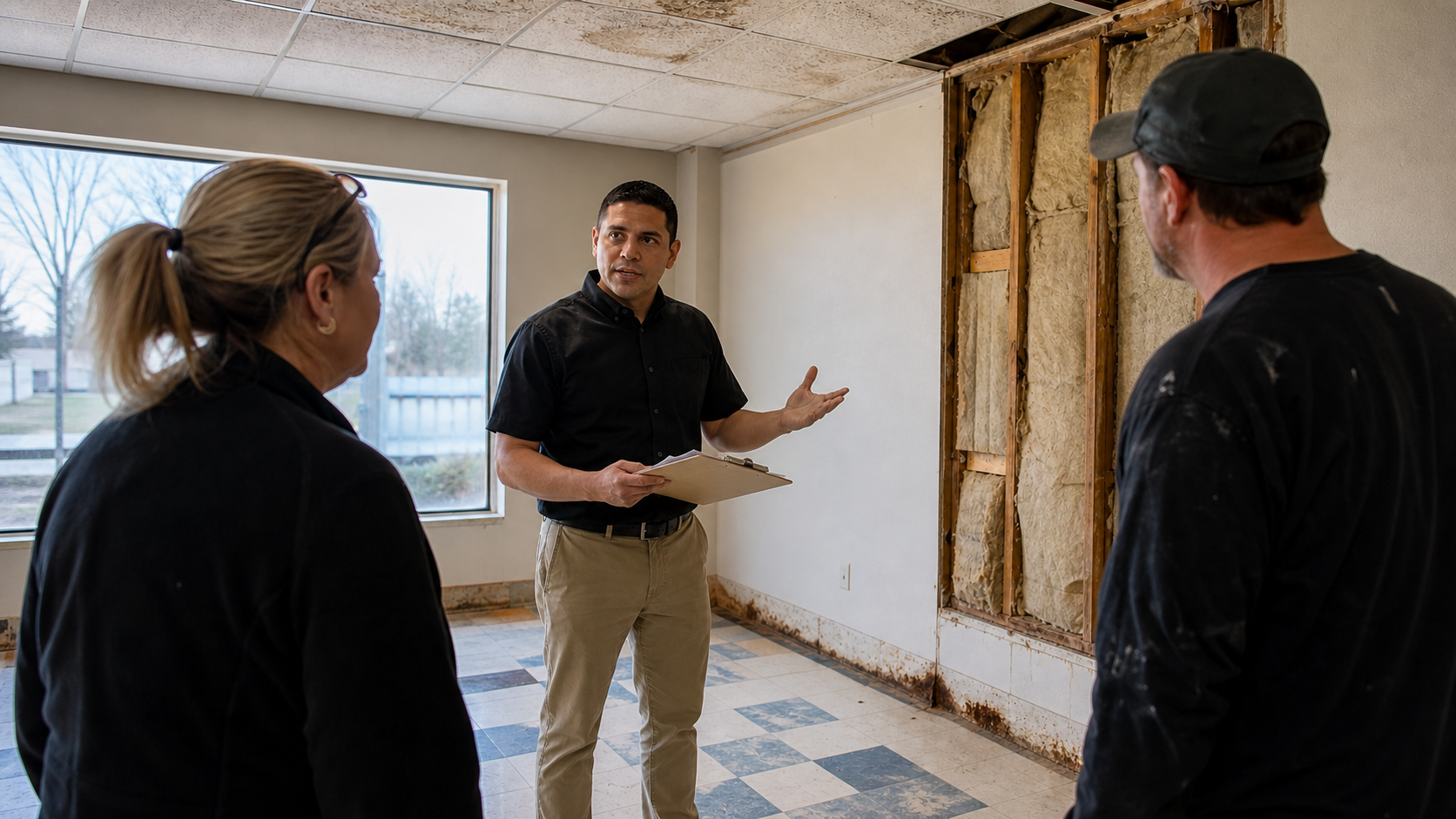
Environmental remediation is not just about cleaning up a problem and moving on. For property owners, managers, contractors, and investors, it is also about making sure the work is planned and performed in a way that protects occupants, protects workers, and stays aligned with the regulatory framework that applies to the project.
That is where EPA and OSHA requirements come into the picture. In simple terms, EPA rules often focus on environmental release, notification, handling, and disposal, while OSHA requirements focus more on worker safety during the work itself. If you are dealing with asbestos abatement, mold remediation, lead paint removal, hazardous material removal, or broader environmental remediation services, understanding how those responsibilities overlap is one of the best ways to avoid delays, liability, and preventable mistakes.
Why Both Agencies Matter
A lot of confusion starts when people assume environmental remediation falls under one set of rules. In reality, the regulatory picture is usually shared. One side of the job involves how hazardous materials are identified, managed, contained, transported, or reported. The other side involves how workers are trained, protected, and kept safe while doing that work.
That distinction matters in the field. A project can have the right environmental scope and still create problems if worker protections are weak. On the other hand, a contractor can be safety-conscious on site and still create compliance trouble if notification, waste handling, or project sequencing does not line up with applicable environmental requirements.
For property owners and managers, the practical takeaway is straightforward. Environmental compliance is not only about the material itself. It is also about the way the work is planned, documented, and carried out from the first inspection through final clearance.
What EPA Requirements Commonly Affect
On many projects, EPA-related requirements are most visible when asbestos is involved. The EPA’s guidance for owners and managers of buildings that contain asbestos explains that owners and operators have responsibilities when renovation or maintenance work may disturb asbestos-containing materials. That becomes especially important during demolition, build-outs, tenant improvements, flooring replacement, ceiling work, and other projects where suspect materials may be disturbed.
For commercial renovation and demolition work, notification obligations can also come into play. According to the EPA’s asbestos guidance, owners and operators must notify the appropriate agency before demolition, and before renovations that disturb regulated amounts of asbestos-containing material. In Michigan, that oversight is handled through the state’s Asbestos NESHAP program administered by EGLE.
EPA-related requirements also influence how asbestos waste is handled and disposed of. That means environmental remediation is not only about removing material from the work area. It also includes following the correct process for containment, transportation, and disposal so the problem is not simply moved from one location to another.
What OSHA Requirements Commonly Affect
If EPA requirements help define the environmental side of remediation, OSHA requirements shape the worker-protection side. On a practical level, that means job-site safety measures such as hazard communication, training, protective equipment, controlled work practices, and exposure prevention.
This is where many environmental projects either stay organized or start to break down. If workers are entering contaminated or suspect areas without the right controls, the job can become unsafe long before anyone realizes the full scope of the hazard. That applies to asbestos removal, mold remediation, lead paint abatement, and other forms of hazardous material removal where disturbance can increase exposure risk.
For contractors and project managers, the most useful mindset is that remediation work is not ordinary demolition with a different invoice code. It is specialized work that requires the right sequence, the right personnel, and the right level of site control. Even when the environmental issue looks localized, the worker-safety side of the job still needs to be treated seriously.
Where EPA and OSHA Overlap on Real Projects
The overlap becomes easier to understand when you look at how a real project unfolds. Imagine a contractor opens a wall during a commercial renovation and finds suspect pipe insulation, textured surfacing, or flooring and mastics that may contain asbestos. The environmental side of the response is about stopping disturbance, arranging asbestos inspection, determining whether notification is required, and making sure any asbestos abatement follows applicable handling and disposal rules. The worker-safety side is about keeping crews out of harm’s way, limiting exposure, and making sure no one keeps working in the area as if it were a standard demolition condition.
That same overlap shows up in mold remediation too. The EPA notes that the key to mold control is moisture control, and that when water intrusion occurs indoors, the source should be identified and repaired promptly. At the same time, remediation crews still need site-specific safety procedures, controlled work practices, and appropriate protective measures while removing affected materials.
In other words, EPA and OSHA are not competing frameworks. They address different parts of the same risk. One helps define how the hazard is managed from an environmental and compliance standpoint. The other helps define how people are protected while that management work is happening.
Why Pre-Project Inspections Matter So Much
One of the easiest ways to stay aligned with both environmental and worker-safety requirements is to identify problems before renovation starts. That is why asbestos inspection, mold inspection, and other environmental testing for property managers should happen before demolition, major repairs, or turnover work begins whenever possible.
For asbestos, this is especially important. Regardless of the year your property was built, the safest approach is to treat suspect materials as potentially asbestos-containing until testing proves otherwise. Because some imported products may still contain asbestos, age alone is not a reliable way to rule out asbestos. Best practice is to be especially careful with drywall and joint compound, flooring and mastics, ceiling tiles and textures, and imported or foreign-manufactured building materials.
The EPA advises building owners and managers to identify and manage asbestos before maintenance or renovation disturbs it. In Michigan, the state’s asbestos program reinforces that renovation and demolition planning should account for these requirements before work begins, not after suspect debris is already on the ground.
Pre-project inspections matter for mold too. If moisture intrusion, staining, odor, or water damage mold risk is identified early, the property team has more control over schedule, vendor coordination, and repair sequencing. Once general trades are already working in the area, the response usually becomes more disruptive and more expensive.
Mold, Air Quality, and Occupant Protection
Mold projects are often misunderstood because people focus only on what they can see. In reality, mold problems are usually tied to moisture conditions that affect the building more broadly. If that moisture is not corrected, the issue can continue affecting finishes, indoor air quality, and occupant confidence even after a surface-level cleanup.
The EPA states that mold exposure can irritate the eyes, skin, nose, throat, and lungs. That does not mean every odor complaint is a major contamination event, but it does mean mold in commercial buildings should not be brushed off as a cosmetic issue. From a compliance and risk-management standpoint, fast evaluation and a defined mold remediation process are usually the smarter route.
For property managers, this is also where documentation becomes important. If a suite, unit, or common area has experienced moisture intrusion, a professional mold inspection and clearly defined response help show that the issue was assessed properly and not ignored. That protects the next occupant, but it also protects the owner’s position if questions arise later.
Common Mistakes That Create Compliance Problems
In the field, most remediation problems do not start with bad intentions. They start with rushed decisions. A contractor keeps working after finding suspect asbestos because the schedule is tight. A maintenance crew paints over staining without addressing the leak. A property owner assumes a material is “too new” to be asbestos-containing. A remediation scope is started before the full hazard picture is understood.
Those decisions create avoidable risk. Environmental compliance property owners need is usually harder to recover after the wrong work has already happened. Once a suspect material has been disturbed, or once contaminated material has been handled improperly, the project often becomes more complicated, more expensive, and more difficult to document cleanly.
A better approach is to slow the process down at the right moment. Stop disturbance. Verify the condition. Make sure the environmental scope and the worker-protection scope are both clear. Then move forward with the right team and the right controls in place.
What Property Owners and Contractors Should Focus On
If you want to stay on the right side of EPA and OSHA expectations during environmental remediation, the most practical priorities are:
Identify suspect materials before renovation, demolition, or turnover work begins.
Treat suspect asbestos materials as potentially asbestos-containing until testing proves otherwise.
Address water intrusion quickly so mold conditions do not expand.
Separate general construction activity from specialized remediation work.
Make sure documentation, communication, and project sequencing are handled early.
Use qualified professionals for asbestos inspection, asbestos testing, mold inspection, lead paint abatement, and broader environmental remediation services when hazards are suspected.
This kind of planning protects more than compliance. It protects budgets, schedules, worker safety, tenant confidence, and long-term property value.
Why the Right Process Protects Everyone
Understanding EPA and OSHA requirements for environmental remediation really comes down to understanding roles. The material itself has to be identified and managed correctly. The people doing the work have to be protected correctly. When both sides are taken seriously, projects tend to move more cleanly and with fewer surprises.
For property owners, managers, and contractors in Michigan, that means environmental remediation should never be treated as a simple cleanup issue. Whether the concern involves asbestos removal, asbestos abatement, mold remediation, lead paint removal, or broader indoor air quality hazards, the right response is structured, documented, and safety-focused from the start.
If you suspect asbestos, mold, lead paint hazards, or other environmental concerns may affect your property or project, contact BDS Environmental to discuss the next step. A professional inspection and a clear remediation plan can help you move forward with fewer delays and a lot more confidence.