
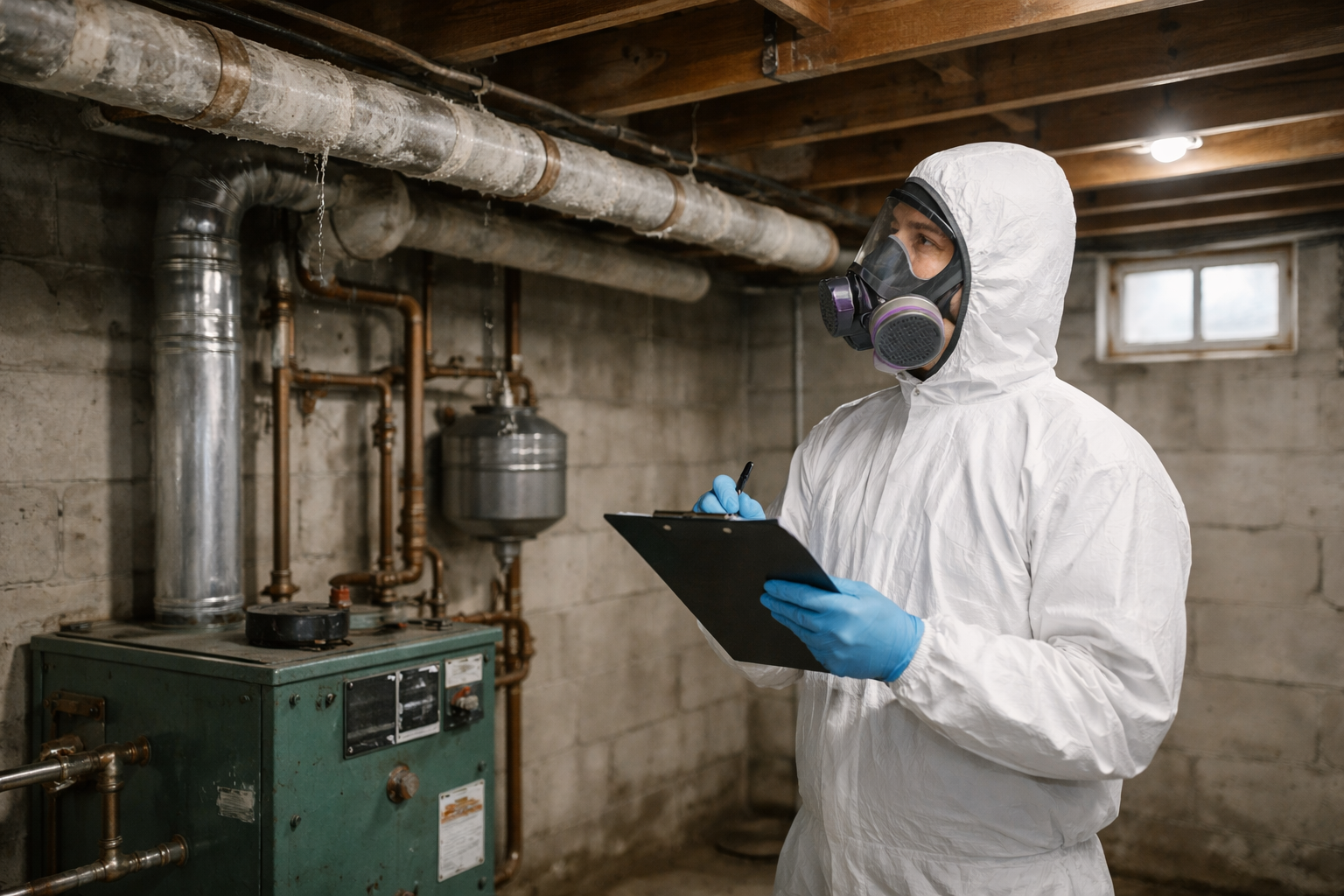
If your property was built before 1980, there is a strong possibility that asbestos-containing materials are still present somewhere inside. Asbestos was widely used throughout the 20th century because it was inexpensive, fire resistant, durable, and an excellent insulator. It was added to thousands of building products before its health risks became fully understood.
Today, asbestos exposure remains a serious public health concern. According to the Environmental Protection Agency, asbestos exposure is linked to lung cancer, mesothelioma, and asbestosis, and there is no known safe level of exposure. The Occupational Safety and Health Administration estimates that millions of workers in construction and maintenance are still potentially exposed each year during renovation and demolition activities.
For homeowners, property managers, contractors, and investors in Michigan, understanding where asbestos is commonly found is essential. Whether you are planning updates, preparing for demolition, or managing tenant improvements, asbestos inspection and testing should always be part of your due diligence.
Below are the most common places asbestos is found in older homes and commercial buildings.
Why Asbestos Was So Widely Used
From the 1930s through the late 1970s, asbestos was considered a “miracle mineral.” It was commonly added to products to increase fire resistance and strength. It was especially popular in colder climates like Michigan, where insulation and fireproofing were critical in both residential and commercial construction.
While certain uses were banned in 1989 under EPA regulations, many asbestos-containing materials remain legally in place if they are in good condition and undisturbed. The danger arises when materials are damaged, deteriorating, or disturbed during remodeling, demolition, or repair.
Common Places Asbestos Is Found in Homes
1. Pipe Insulation in Basements
One of the most common locations for asbestos in homes is around heating pipes in basements. The insulation often appears as a white or gray fibrous wrap, sometimes with a corrugated or paper-like outer layer.
In many older Michigan homes, especially those built before 1975, this pipe insulation contains high concentrations of asbestos. If it becomes brittle or damaged, fibers can become airborne.
If you notice aging insulation around steam pipes, do not disturb it. Schedule professional asbestos testing before any renovation.
2. Boiler and Furnace Components
Asbestos was frequently used in furnace insulation panels, gaskets, and boiler wrap. Homeowners often encounter this during HVAC upgrades.
Because heating systems generate high temperatures, asbestos was ideal for fireproofing. Unfortunately, removing or replacing old equipment without proper asbestos abatement procedures can release fibers into the air.
3. Vinyl Floor Tiles and Adhesives
9x9 inch vinyl floor tiles are particularly associated with asbestos. Many commercial buildings and schools in Michigan still have these tiles beneath newer flooring layers.
The mastic or adhesive used underneath may also contain asbestos. Even if the tile appears intact, grinding, sanding, or demolition can release fibers.
If you are renovating, especially before renovation work in kitchens, basements, or hallways, an asbestos inspection is highly recommended.
4. Popcorn Ceilings and Textured Coatings
Spray-applied ceiling textures installed before the mid-1980s may contain asbestos. These textured finishes were popular for sound dampening and visual appeal.
Because they are friable, meaning they can easily crumble, they pose a higher risk if scraped or sanded.
If you are wondering how to tell if you have asbestos in a textured ceiling, the answer is simple. You cannot confirm visually. Professional asbestos testing is required.
5. Cement Siding and Roofing Materials
Asbestos cement siding and shingles were commonly installed on Michigan homes through the 1970s. These products were durable and weather resistant.
They typically appear as rigid gray shingles or panels. While intact materials may not pose immediate risk, cracking, cutting, or demolition can create exposure hazards.
Contractors performing exterior upgrades should be aware of asbestos demolition requirements and follow state and federal guidelines.
6. Drywall Joint Compound and Plaster
Joint compound used to finish drywall seams sometimes contains asbestos. This is especially common in commercial buildings and apartment complexes.
Sanding old joint compound without testing can release fibers. If you are remodeling a property, it is wise to schedule asbestos inspection before beginning work.
Common Places Asbestos Is Found in Commercial Buildings
Commercial properties in Michigan often present additional asbestos risks due to scale and construction methods.
1. Fireproofing Spray on Structural Steel
In older office buildings, warehouses, and industrial facilities, asbestos spray-on was applied to steel beams for fire resistance.
These materials are often hidden above drop ceilings or in mechanical rooms. Disturbing them during renovations can create significant airborne contamination.
2. Drop Ceiling Tiles
Certain ceiling tiles manufactured before the 1980s contain asbestos. They may appear similar to non-asbestos tiles, which is why visual inspection alone is not reliable.
Professional asbestos testing is the only way to confirm.
3. HVAC Duct Insulation
Large commercial HVAC systems frequently used asbestos insulation around ducts and equipment. This is especially common in schools, hospitals, and municipal buildings constructed mid-century.
Because HVAC systems distribute air throughout a building, contamination can impact indoor air quality hazards across multiple spaces.
4. Flooring in Schools and Offices
Commercial vinyl sheet flooring and tile installed decades ago often contain asbestos.
Before replacing flooring in tenant spaces, retail units, or office renovations, property managers should complete environmental testing for property managers to remain compliant with regulations.
What Does Asbestos Look Like?
Many property owners ask what does asbestos look like. The truth is that asbestos fibers are microscopic. When mixed into products, they are not visible to the naked eye.
Materials containing asbestos may look identical to modern alternatives. That is why professional asbestos inspection and laboratory analysis are essential.
If a material is damaged, crumbling, or producing dust in an older building, it should be treated as potentially hazardous until proven otherwise.
Health Risks of Asbestos Exposure
Asbestos health risks are well documented. According to the Centers for Disease Control and Prevention, prolonged exposure can lead to:
Mesothelioma, a rare cancer affecting the lining of the lungs and abdomen
Lung cancer
Asbestosis, a chronic lung disease
Symptoms often appear decades after exposure. Even short-term exposure during renovation projects can pose long-term consequences.
This is why asbestos abatement must be performed by licensed professionals using proper containment and negative air systems.
Asbestos Before Renovation or Demolition
Federal and Michigan regulations require asbestos surveys before demolition or certain renovation projects in commercial properties. Failure to comply can result in significant fines.
Homeowners should also complete asbestos inspection before renovation when disturbing older materials.
Overlapping Environmental Risks in Older Buildings
Older properties often contain more than one environmental hazard. In addition to asbestos in homes, you may encounter:
Lead paint in older homes
Peeling lead paint danger around windows and trim
Mold after flooding or water damage mold risk
Basement mold after water damage
Mold in commercial buildings after roof leaks
The Environmental Protection Agency estimates that approximately 35 percent of homes in the United States have visible signs of moisture problems that could lead to mold growth.
Mold health risks include respiratory irritation, asthma aggravation, and allergic reactions. If you notice a persistent mold smell in house environments or suspect black mold symptoms, professional mold inspection and mold remediation may be necessary.
Property owners should also be aware of lead paint laws Michigan enforces for rental properties. Lead paint abatement Warren MI and lead paint removal Michigan must follow strict safety protocols.
Because these hazards often coexist, many property owners benefit from comprehensive environmental remediation services rather than addressing issues separately.
Signs You May Have Asbestos
While testing is required for confirmation, potential signs of asbestos include:
Building constructed before 1980
Aging pipe insulation in basements
9x9 vinyl floor tiles
Cracked cement siding
Old textured ceilings
Industrial fireproofing materials
If you suspect hazardous materials in homes or commercial spaces, avoid disturbing the material and contact a licensed professional for asbestos testing.
The Importance of Professional Asbestos Abatement
Asbestos removal is not a DIY project. Proper asbestos abatement involves:
Sealed containment areas
Negative air machines with HEPA filtration
Personal protective equipment
Safe transport and disposal at approved facilities
Improper removal can contaminate entire buildings and create serious health risks.
Professional environmental services Michigan companies provide ensure environmental compliance property owners must meet while protecting occupants and workers.
Protecting Your Investment and Your Health
For homeowners planning renovations, contractors bidding on projects, or investors purchasing older commercial buildings, environmental safety in older homes and facilities should be part of your standard evaluation process.
An upfront asbestos inspection can prevent costly project delays, regulatory penalties, and health exposure risks.
If your property was built decades ago and you are unsure about hazardous materials, do not guess. Testing is affordable compared to the long-term consequences of improper handling.
Contact BDS Environmental
If you suspect asbestos in your home or commercial property, do not disturb the material.
BDS Environmental provides professional asbestos inspection, asbestos testing, and asbestos abatement throughout Michigan. Whether you need asbestos removal in Warren MI, guidance before renovation, or comprehensive environmental remediation services, our experienced team can help you move forward safely and in compliance with state regulations.
Protect your property. Protect your health. Contact BDS Environmental today to schedule an inspection and get the clarity you need.
