
Asbestos Before Renovation: What Michigan Property Owners Need to Know
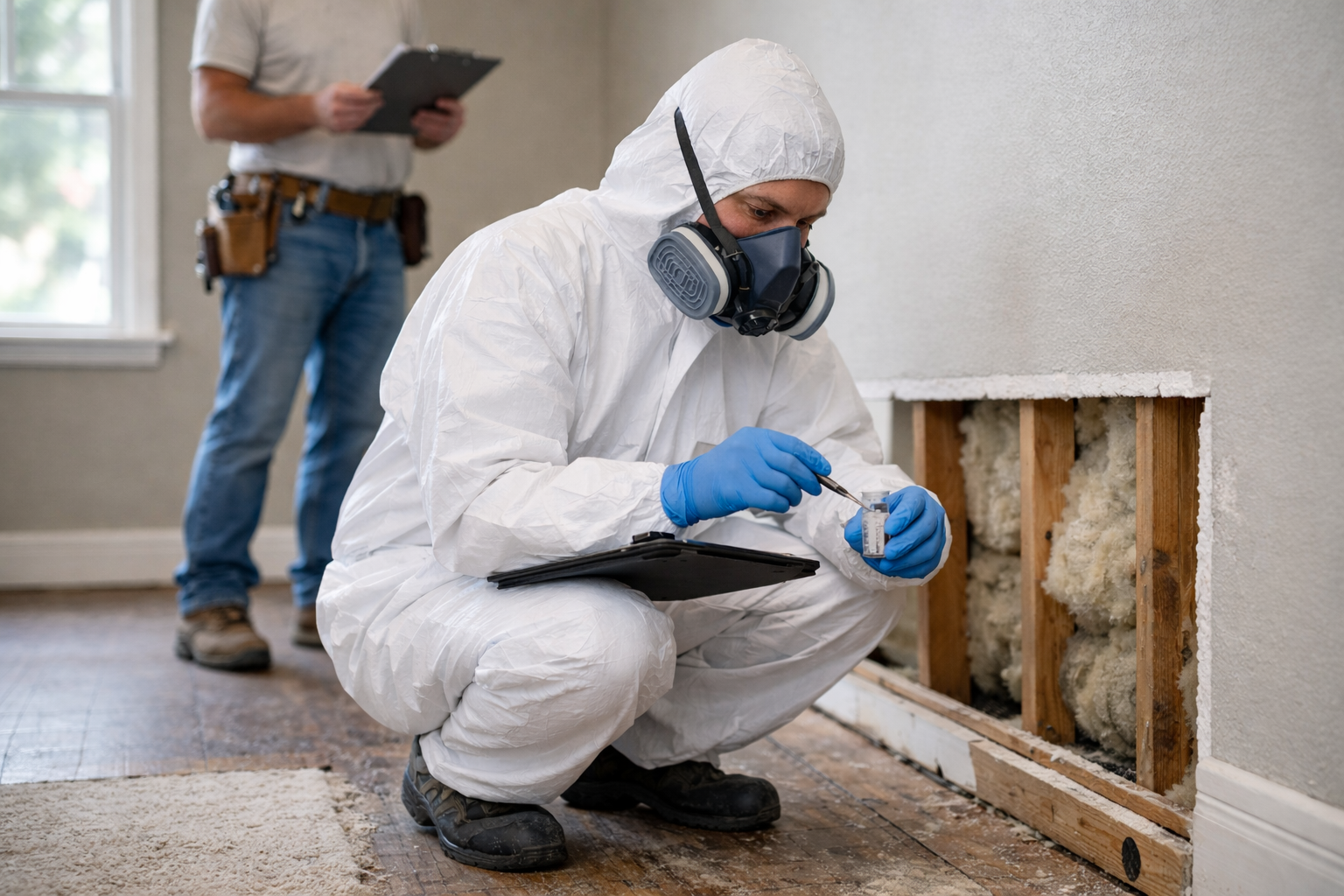
Renovating an older home or commercial building in Michigan can increase property value and extend the life of the structure. Before demolition begins or materials are disturbed, one important step should always come first: determining whether asbestos is present.
For homeowners, property managers, contractors, and real estate investors, overlooking asbestos before renovation can create serious health risks, regulatory problems, and unexpected project delays. Understanding how asbestos inspection and asbestos testing fit into the renovation process helps protect both people and investments.
This guide explains what Michigan property owners need to know before starting renovation work.
Why Asbestos Matters During Renovation
Asbestos was commonly used in building materials from the 1940s through the late 1970s because it is strong, fire resistant, and insulating. It was added to flooring, insulation, siding, roofing materials, ceiling products, and joint compound.
According to the U.S. Environmental Protection Agency, inhaling asbestos fibers increases the risk of lung cancer, mesothelioma, and asbestosis (https://www.epa.gov/asbestos).
Asbestos becomes dangerous when materials are disturbed. Cutting drywall, removing flooring, sanding ceilings, or demolishing structural components can release microscopic fibers into the air. These fibers are not visible and can remain suspended for extended periods.
The National Cancer Institute notes that asbestos related diseases often develop 20 to 40 years after exposure (https://www.cancer.gov/about-cancer/causes-prevention/risk/substances/asbestos). Because of this long latency period, even short-term exposure during renovation can have lasting consequences.
Michigan Regulations and Asbestos Demolition Requirements
Federal and state laws require proper identification of asbestos before certain renovation and demolition activities.
Under the National Emission Standards for Hazardous Air Pollutants, property owners must determine whether asbestos containing material is present before demolition or major renovation (https://www.epa.gov/asbestos/national-emission-standards-hazardous-air-pollutants-neshap-9).
In Michigan, the Department of Environment, Great Lakes, and Energy enforces additional requirements, including notifications prior to demolition.
For many projects, this means:
Scheduling a licensed asbestos inspection
Conducting laboratory asbestos testing of suspect materials
Completing asbestos abatement before demolition proceeds
Failure to comply can result in fines, stop work orders, and legal liability. Addressing asbestos before renovation is not simply a precaution. It is often required by law.
How to Tell If You Have Asbestos Before Renovating
Many property owners ask how to tell if you have asbestos. Unfortunately, you cannot confirm asbestos by appearance alone.
Asbestos fibers are microscopic. Materials that contain asbestos often look the same as materials that do not. Professional asbestos inspection and laboratory testing are the only reliable ways to confirm its presence.
Renovation risk increases if:
Original flooring, insulation, or ceilings are being removed
Pipe insulation appears aged or deteriorating
Older 9-inch vinyl floor tiles are present
Textured popcorn ceilings have not been updated
If renovation plans involve disturbing these materials, testing should be completed before work begins.
Common Renovation Materials That May Contain Asbestos
While visual confirmation is not possible, certain materials in older Michigan properties frequently contained asbestos.
Pipe Insulation
Often found in basements or mechanical rooms in homes built before 1980.
Vinyl Floor Tiles and Adhesives
Nine inch floor tiles and the mastic beneath them commonly contained asbestos.
Cement Siding and Roofing
Used for durability and fire resistance in residential and commercial construction.
Ceiling Textures and Joint Compound
Popcorn ceilings and drywall finishing materials may contain asbestos in older buildings.
If these materials are intact and undisturbed, risk may be limited. Once renovation begins, however, disturbance increases the potential for fiber release.
What Happens If Asbestos Is Found?
If asbestos testing confirms the presence of asbestos containing material, the next step is professional asbestos abatement.
The asbestos removal process generally includes:
Containing the affected area with plastic barriers
Establishing negative air pressure to prevent fiber migration
Using approved personal protective equipment
Removing materials in a controlled manner
Packaging and disposing of waste at approved facilities
Performing air clearance testing before re occupancy
Only after clearance confirms safe conditions should renovation resume.
Searching for asbestos removal near me during demolition can delay your project. Planning ahead reduces disruption and cost.
Health Risks Associated With Asbestos Exposure
Asbestos exposure has been linked to several serious illnesses. According to the Centers for Disease Control and Prevention, asbestos exposure remains a leading cause of occupational cancer in the United States (https://www.cdc.gov/niosh/topics/asbestos/).
Health risks include:
Mesothelioma
Lung cancer
Asbestosis
Chronic respiratory disease
There is no known safe level of asbestos exposure. That is why licensed asbestos removal and abatement procedures follow strict containment and disposal standards.
Renovation Often Reveals Additional Environmental Hazards
Asbestos is not the only concern in older properties. Renovation frequently exposes other environmental issues.
Mold and Water Damage
Opening walls may uncover hidden moisture problems. The EPA states that mold can begin growing within 24 to 48 hours after water exposure (https://www.epa.gov/mold).
Common issues include basement mold after water damage, mold after flooding, and persistent mold smell in house areas.
Mold health risks may include respiratory irritation, allergic reactions, and asthma flare ups. Professional mold inspection and mold remediation address both visible contamination and the moisture source.
Lead Paint in Older Homes
If the property was built before 1978, lead paint in older homes is another concern.
The CDC estimates that approximately 24 million U.S. homes contain deteriorated lead based paint and contaminated dust (https://www.cdc.gov/nceh/lead/prevention/default.htm).
Renovation activities such as sanding or scraping can release lead dust. Lead paint exposure symptoms, particularly in children, may include developmental delays and neurological effects.
Michigan enforces specific regulations for lead paint abatement, particularly in rental housing.
Why Environmental Testing Protects Your Investment
For property managers and investors, environmental testing is not only about safety. It is also about risk management.
Unexpected discoveries during demolition can:
Increase labor costs
Delay construction timelines
Disrupt occupancy schedules
Trigger regulatory penalties
Addressing hazardous materials in homes before renovation begins helps protect budgets and long term property value.
Environmental compliance protects both occupants and investment performance.
Pre Renovation Checklist for Michigan Property Owners
Before beginning renovation, ask:
Has a licensed asbestos inspection been completed?
Are demolition notifications required?
Is there visible water damage or a persistent odor?
Does peeling paint suggest potential lead exposure in a pre 1978 building?
Testing before demolition is significantly more efficient than emergency remediation after contamination spreads.
Plan First, Renovate Safely
Renovation should improve a property, not introduce avoidable risk.
Addressing asbestos before renovation protects contractors, tenants, homeowners, and project timelines. It also ensures compliance with Michigan regulations.
Identifying environmental hazards early allows renovation to move forward with fewer surprises and greater confidence.
Contact BDS Environmental
If you are planning a renovation and suspect your property may contain asbestos or other hazardous materials, professional evaluation should be your first step.
BDS Environmental provides licensed asbestos inspection, asbestos testing, asbestos abatement, mold remediation, and hazardous material removal services throughout Michigan.
Protect your renovation project and ensure compliance with state and federal regulations. Contact BDS Environmental today to schedule a pre-renovation inspection and move forward with confidence.
