How to Know If Your Home or Building Contains Asbestos
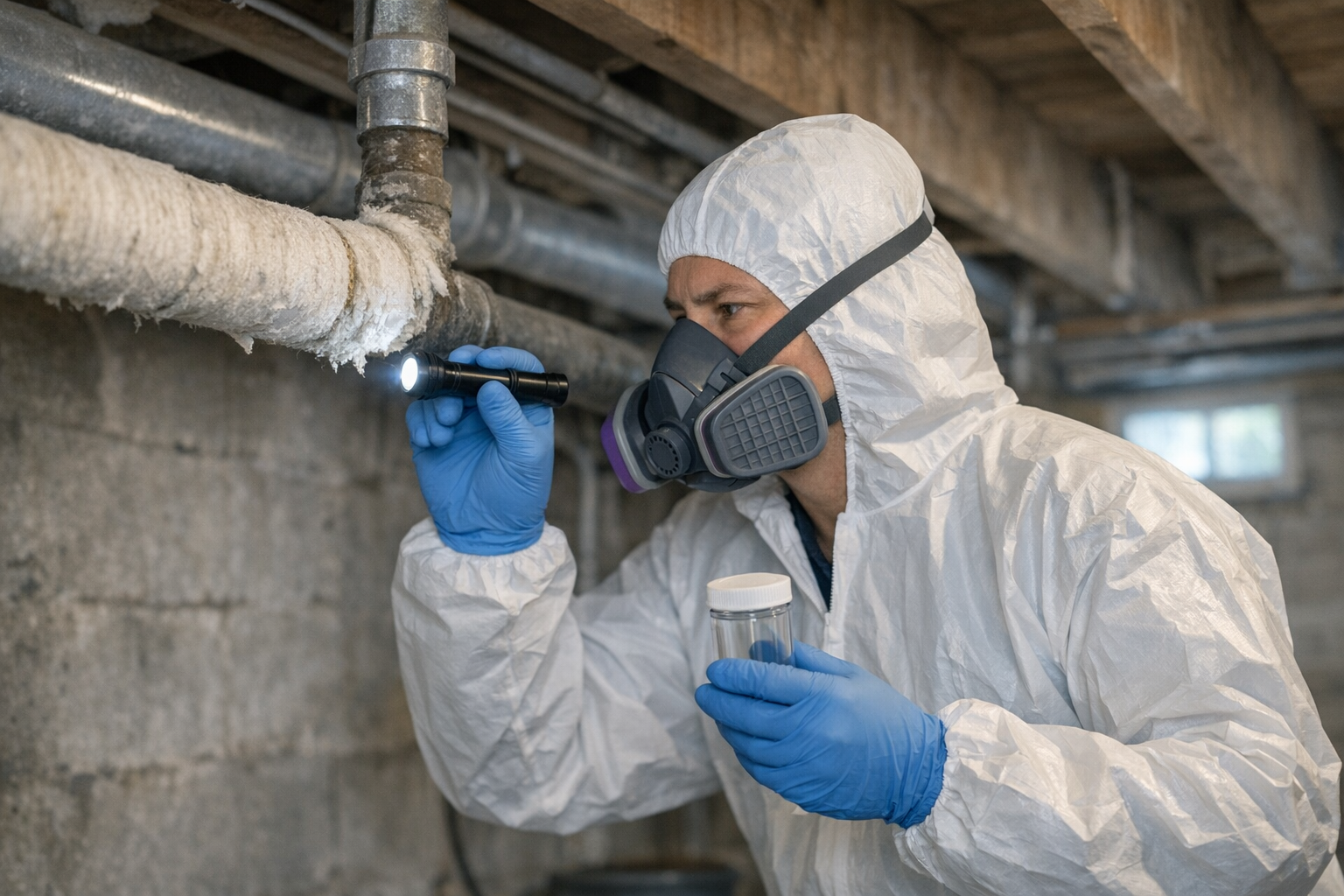
If you own, manage, renovate, or invest in property in Michigan, understanding asbestos is part of responsible property ownership, especially in older homes and commercial buildings.
Asbestos was widely used in construction for decades because it is durable, fire resistant, and insulating. Today, we know it can pose serious health risks when disturbed. The challenge is that asbestos is rarely obvious. It is often hidden inside common building materials.
Property owners frequently ask:
How can I tell if I have asbestos?
What does asbestos look like?
What are the signs of asbestos in homes?
Do I need asbestos testing before renovation?
The answers depend on the age of the building, the materials involved, and whether those materials are being disturbed.
What Is Asbestos and Why Was It Used?
Asbestos is a naturally occurring mineral made up of microscopic fibers. Because it resists heat and chemical damage, it was commonly added to building materials from the 1940s through the late 1970s. Some materials continued to contain asbestos into the 1980s.
According to the U.S. Environmental Protection Agency, inhaling asbestos fibers increases the risk of lung cancer, mesothelioma, and asbestosis (https://www.epa.gov/asbestos).
The Centers for Disease Control and Prevention estimates that roughly 40,000 Americans die each year from asbestos related diseases (https://www.cdc.gov/niosh/topics/asbestos/).
Asbestos containing materials are often stable when intact. The concern arises when materials are cut, drilled, sanded, broken, or begin to deteriorate.
What Does Asbestos Look Like?
One of the most common misconceptions is that asbestos can be identified visually. In most cases, it cannot.
Asbestos fibers are microscopic. Materials that contain asbestos often look no different from those that do not. The only reliable way to confirm its presence is through professional asbestos inspection and laboratory asbestos testing.
That said, certain materials in older buildings are more likely to contain asbestos.
Pipe Insulation
In pre 1980 homes, pipe insulation may appear as white or gray fibrous wrapping around basement or mechanical room pipes.
9 Inch Vinyl Floor Tiles
Older vinyl floor tiles, particularly 9 x 9 inch tiles, frequently contained asbestos. The adhesive beneath those tiles may also contain it.
Popcorn Ceilings
Textured ceilings installed before the mid-1980s often included asbestos fibers.
Cement Siding and Roofing
Some cement-based siding and roofing shingles used asbestos to improve strength and durability.
If these materials are present and you are planning renovation or notice visible damage, asbestos testing is strongly recommended.
Signs of Asbestos in Homes and Buildings
Asbestos does not produce a smell or visible warning sign. Risk is determined by age, condition, and disturbance.
You should consider asbestos inspection if:
Insulation or ceiling materials are deteriorating
Floor tiles are cracked or breaking
You are planning remodeling or demolition
You must comply with asbestos demolition requirements
Asbestos before renovation is especially important. Federal regulations enforced by OSHA and the EPA require proper identification and, if necessary, asbestos abatement before certain materials are disturbed (https://www.osha.gov/asbestos).
Failing to test before renovation can lead to project delays, regulatory penalties, and unexpected costs.
Asbestos Health Risks
Asbestos becomes dangerous when fibers are released into the air and inhaled.
The National Cancer Institute explains that asbestos exposure is directly linked to mesothelioma, lung cancer, asbestosis, and pleural disease (https://www.cancer.gov/about-cancer/causes-prevention/risk/substances/asbestos).
These conditions often develop decades after exposure. There is no established safe level of asbestos exposure, which is why licensed asbestos removal and asbestos abatement procedures are so strictly regulated.
When Do You Need an Asbestos Inspection?
An asbestos inspection should be considered if:
You are buying or selling an older property
You are planning demolition or major renovation
You are refinancing or conducting due diligence
Local regulations require documentation before demolition
In Michigan, many municipalities require asbestos surveys before issuing demolition permits. If you are searching for asbestos removal services, ensure the provider includes certified inspection and documentation as part of the process.
For property managers and investors, environmental testing is not just about safety. It helps manage liability and protect project timelines.
What Is the Asbestos Removal Process?
If testing confirms asbestos containing material, professional asbestos removal is the next step.
The process typically includes:
Containment of the affected area
Installation of negative air pressure systems
Use of protective equipment
Controlled removal and sealing of materials
Disposal at approved facilities
Post removal air clearance testing
This is not a typical demolition project. Improper removal can contaminate other areas of the building and increase exposure risk.
If you are searching for asbestos removal, verify that the contractor is licensed, insured, and compliant with state and federal regulations.
Other Environmental Hazards in Older Buildings
Asbestos is often one of several environmental concerns in older properties.
Mold and Water Damage
Water intrusion can create indoor air quality hazards. The EPA notes that mold can begin growing within 24 to 48 hours after moisture exposure (https://www.epa.gov/mold).
Common issues include basement mold after water damage, mold after flooding, persistent mold smell in house areas, and mold in commercial buildings.
Mold health risks may include respiratory irritation and allergic reactions. Professional mold inspection and mold remediation services focus on identifying moisture sources, containing contamination, and restoring safe conditions.
If you are searching for mold removal or mold remediation in Michigan, make sure the provider addresses both cleanup and prevention.
Lead Paint in Older Homes
If your property was built before 1978, lead paint in older homes is another concern.
The CDC estimates that approximately 24 million U.S. homes contain deteriorated lead based paint and contaminated dust (https://www.cdc.gov/nceh/lead/prevention/default.htm).
Peeling paint, chipping window frames, and dust buildup can signal risk. Lead paint exposure symptoms, particularly in children, can include developmental delays and neurological effects.
Michigan has specific lead paint laws property owners must follow, especially for rental housing. Professional lead paint removal and lead paint abatement ensure compliance and safe handling.
Environmental Safety Checklist
If you own or manage an older property, consider the following:
Has asbestos testing been completed before renovation?
Is there visible water damage or a persistent mold odor?
Is peeling paint present in a pre-1978 building?
Are you compliant with environmental safety requirements for older homes?
Hazardous materials in homes can affect property value, occupant safety, and legal responsibility. Proactive inspection protects long term investment performance.
When in Doubt, Test First
One of the costliest mistakes property owners make is assuming materials are safe without verification.
Asbestos, mold, and lead paint often remain hidden until renovation begins. Identifying potential hazards early through professional inspection allows you to plan appropriately and stay compliant with regulations.
If you suspect asbestos in homes, need asbestos abatement, require mold remediation, or have concerns about lead paint exposure, professional evaluation is the safest next step.
Contact BDS Environmental
If you believe your home or building may contain asbestos or other hazardous materials, do not rely on visual inspection alone.
BDS Environmental provides asbestos inspection, asbestos removal, mold remediation, lead paint abatement, and comprehensive environmental remediation services throughout Michigan.
Protect your occupants and your investment. Contact BDS Environmental to schedule a professional evaluation and ensure your property meets current environmental safety standards.