What Homebuyers Should Know About Asbestos in Older Homes
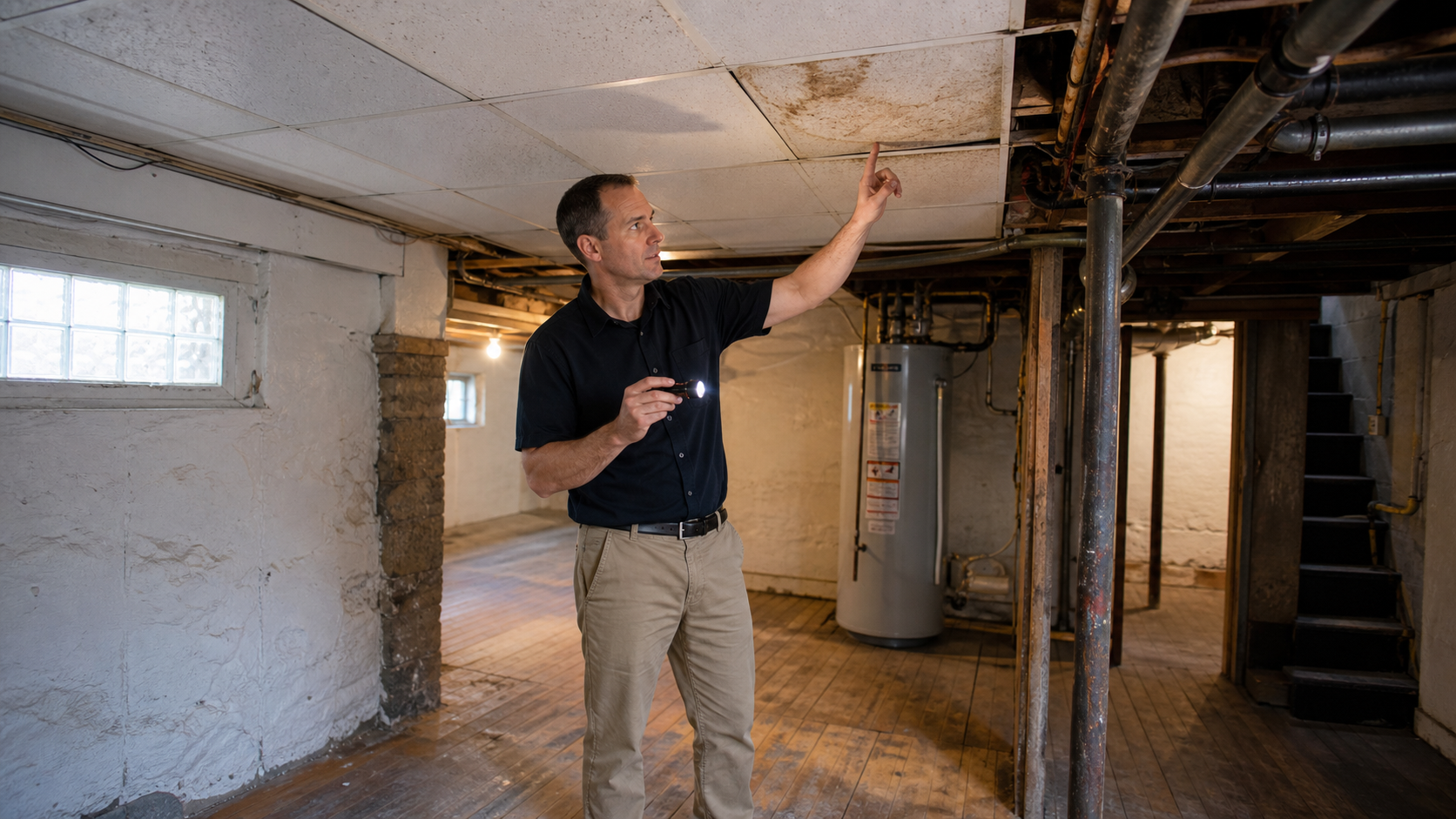
Buying a home is one of the biggest investments most people make, and part of that process is understanding what is inside the walls, above the ceilings, and beneath the floors. For buyers considering older homes or homes built under past standards, asbestos is one of the environmental concerns that deserves attention before closing, not after move-in. While the mere presence of asbestos in a home is not always an immediate emergency, knowing where it may be located, how to identify suspect materials, and what steps to take before renovation can help buyers make informed decisions and avoid unexpected costs.
Many homebuyers assume that a standard home inspection will flag asbestos automatically, but that is not the case. The reality is more nuanced. Asbestos-containing materials can be hidden in plain sight, mixed in with ordinary building products that look completely harmless. For buyers in Michigan and beyond, understanding how to approach asbestos during the purchasing process is a practical part of protecting both health and property value. A few hours of due diligence can save months of disruption later.
Home Inspections Do Not Automatically Test for Asbestos
Standard home inspections are valuable, but they do not typically include asbestos inspection or asbestos testing. As one home inspection resource explains, standard home inspections do not check for asbestos, and sellers are not obligated to disclose existing asbestos to buyers. The only way to know for sure if there is asbestos in a home is to hire an asbestos professional.
The EPA also notes that you generally cannot tell whether a material contains asbestos simply by looking at it, unless it is labeled. If you suspect a material may contain asbestos, the safest approach is to treat it as if it does and leave it alone until testing proves otherwise. For homebuyers, that mindset is important during walkthroughs and pre-purchase evaluations. A stain on a basement pipe, unusual floor tile, or textured ceiling material should not be treated as a decorative detail. It should be treated as a question that needs an answer.
Why Age Alone Is Not a Safety Boundary
This is where many buyers get misled. Older housing stock often receives the most attention when people talk about asbestos in homes, but age should never be the only factor driving concern. While homes built under past standards may have a higher likelihood of containing certain asbestos-containing materials, newer properties are not automatically risk-free.
Regardless of the year your property was built, the safest approach is to treat suspect materials as potentially asbestos-containing until testing proves otherwise. Because some imported products may still contain asbestos, age alone is not a reliable way to rule out asbestos. This is especially true for drywall and joint compound, flooring and mastics, ceiling tiles and textures, and imported products or components manufactured in countries without stringent asbestos controls.
A commercial asbestos guidance article also notes that assumptions based on age can be misleading when building materials or components come from outside traditional domestic supply chains. In practical terms, a buyer evaluating any home should think about what materials are present and whether they will be disturbed, not just what year the home was built.
Common Areas Where Asbestos May Be Found
Buyers should know where asbestos-containing materials are most commonly encountered in residential settings. The EPA and CPSC identify several typical locations:
Insulation around pipes, boilers, and ductwork
Vinyl floor tiles and sheet flooring backing
Adhesives and mastics beneath flooring
Ceiling tiles and textured ceiling finishes
Drywall joint compound and patching materials
Roofing and siding shingles made of asbestos cement
Insulation in walls and attics
Heat-resistant materials around stoves and fireplaces
These materials may be in good condition and not releasing fibers. The CPSC notes that the mere presence of asbestos in a home is usually not a serious problem if the material is undamaged and left alone. The danger arises when materials become damaged, deteriorated, or disturbed. For buyers, that means the condition of the material and the plans for the home matter just as much as the material itself.
What Does Asbestos Look Like?
One of the most common questions buyers ask is what does asbestos look like. The honest answer is that it usually looks like ordinary building material. Suspect floor tile looks like standard flooring. Pipe insulation may look like standard wrap. Ceiling texture may look like standard surfacing. Joint compound looks like standard patching material.
Because visual identification is not reliable, professional asbestos testing is the only way to confirm whether a material contains asbestos. The EPA recommends having your home inspected for asbestos-containing materials by a trained and accredited asbestos professional if you are planning renovation or if materials may be disturbed. Relying on appearance is not a safe substitute for laboratory confirmation.
Asbestos Health Risks Every Buyer Should Understand
Understanding asbestos health risks is part of making a sound purchase decision. When asbestos-containing materials are damaged or disturbed, they can release microscopic fibers that become airborne and may be inhaled. Over time, exposure is associated with mesothelioma, lung cancer, asbestosis, and other chronic respiratory diseases.
The World Health Organization estimates that more than 200,000 deaths are caused globally each year by occupational exposure to asbestos, representing over 70 percent of all deaths from work-related cancers. While those figures include workplace settings, they illustrate why disturbing suspect materials without proper controls is a serious concern. For homeowners planning DIY renovation or hiring contractors who may not know the history of the home, that risk translates directly to the residential setting.
What to Do If You Suspect Asbestos During the Buying Process
If you are evaluating a home and notice damaged materials, unusual textures, or suspect building products in areas you plan to renovate, the best move is to arrange professional asbestos inspection and testing before closing. A qualified inspector can identify suspect materials, collect samples safely, and provide laboratory results that help you understand what you are buying.
If asbestos is confirmed, you have options. You can negotiate abatement into the purchase, plan for asbestos removal after closing, or adjust your renovation scope to avoid disturbing the material. The key is having the information before you start demolition, not after. The EPA advises that before you have your house remodeled, you should find out whether asbestos materials are present.
Planning for Asbestos Before Renovation
Many homebuyers purchase older homes specifically to renovate them. That makes asbestos before renovation planning essential. Renovation activities like removing flooring, opening walls, replacing ceilings, or updating mechanical systems are exactly the kind of work that can disturb asbestos-containing materials.
This is where environmental safety in older homes intersects with project planning. A buyer who knows asbestos is present can schedule asbestos abatement as part of the renovation timeline and budget. A buyer who discovers it mid-project faces work stoppages, contractor delays, and potential exposure. Professional asbestos inspection before closing or before renovation begins is one of the most practical investments a buyer can make.
When Asbestos Removal Is Necessary vs. When Management Works
Not every asbestos finding requires immediate asbestos removal. If materials are intact, in good condition, and will not be disturbed, they are sometimes managed in place with monitoring and protective measures. This is known as operations and maintenance, and it is a valid approach for materials that are not deteriorating and are not in the way of planned work.
However, if renovation will disturb the material, or if the material is already damaged, friable, or deteriorating, asbestos abatement or removal becomes the safer choice. For buyers who plan to gut kitchens, finish basements, update bathrooms, or replace flooring, removal is often the cleaner long-term solution. It prevents future surprises and gives the homeowner full freedom to use the space without restriction.
Making a Smart, Informed Decision
Buying a home with potential asbestos-containing materials is not necessarily a deal-breaker. Many homes contain asbestos in some form, and when those materials are intact and undisturbed, they often do not pose an immediate health risk. The question is whether the buyer understands the condition, knows how to manage it, and has a plan for addressing it before any disturbance occurs.
For Michigan buyers, that means asking the right questions during the purchasing process, understanding that standard inspections have limits, and knowing when to bring in environmental professionals. Whether you are searching for asbestos removal Michigan, or simply trying to understand what signs of asbestos to look for during a showing, the approach should be the same: test what is suspect, treat unknown materials with caution, and never rely on age as proof of safety.
If you are buying a home and suspect asbestos may be present, or if you want professional guidance before starting renovation work, contact BDS Environmental to discuss asbestos inspection, asbestos testing, and asbestos abatement services. A clear understanding of the property condition before you close can help you move forward with confidence and protect both your investment and your health.