The Most Common Environmental Issues Found in Michigan Buildings
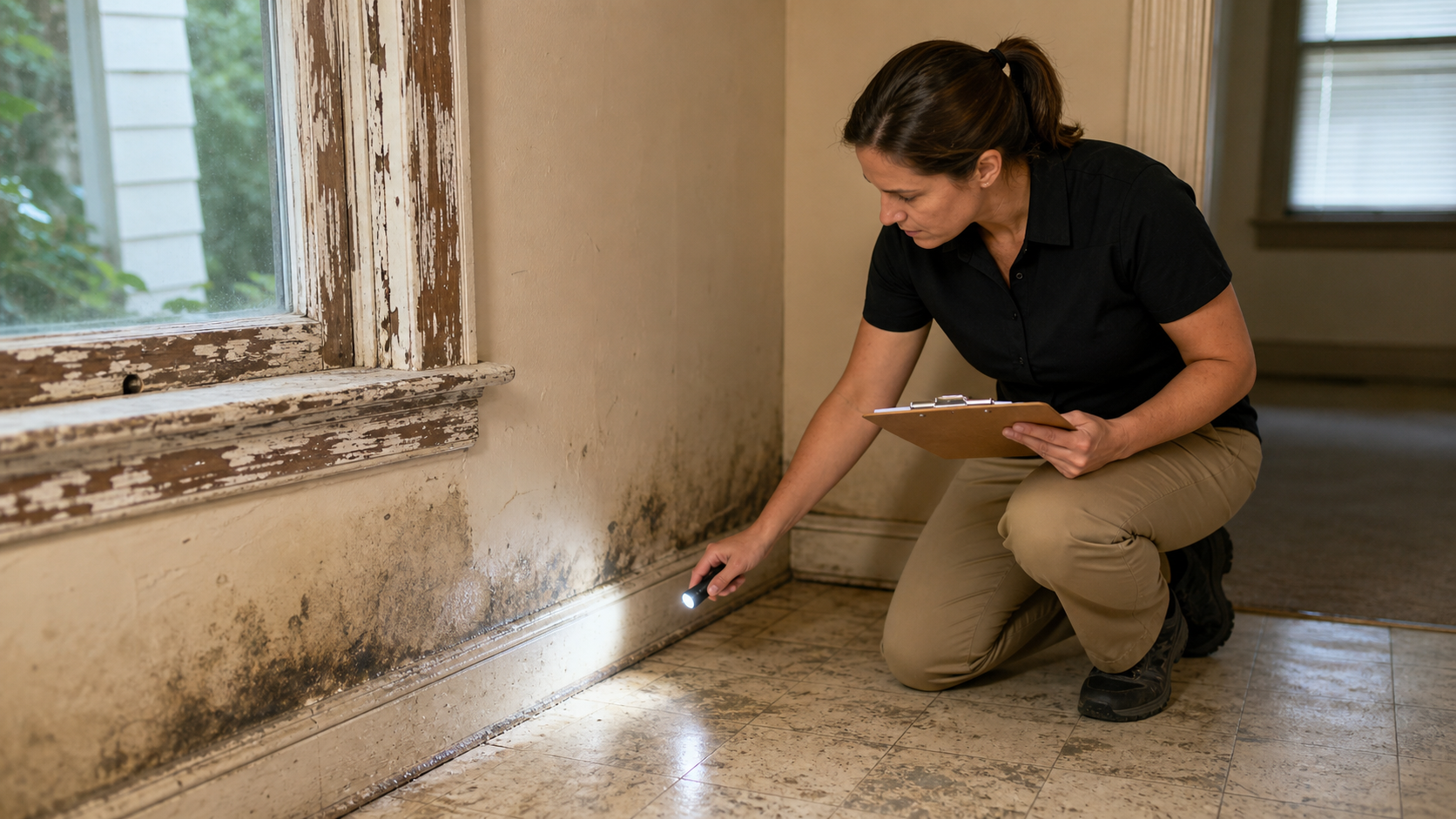
When property owners in Michigan plan a renovation, buy a new building, or deal with a sudden maintenance problem, they often focus on the systems they can see. Roofs, plumbing, and HVAC systems get the most attention. However, some of the most expensive and complex building problems are the ones that are either invisible or hidden inside the building materials themselves. The EPA’s indoor air quality overview says most pollutants affecting indoor air come from sources inside buildings, specifically identifying mold, lead, asbestos, and combustion byproducts as typical pollutants of concern.
For homeowners, contractors, investors, and property managers, knowing where these hazards hide is the first step in avoiding unexpected liability and health risks. In Michigan, the age of the housing stock and commercial building inventory means that older construction practices still dictate how modern renovations must be handled. The MIOSHA asbestos management guidance from Michigan State University notes that unauthorized or uncontrolled disturbance of asbestos materials can lead to civil or criminal liability under EPA or MIOSHA regulations. Whether the issue is trapped moisture, deteriorating paint, or suspect flooring, environmental safety in older homes depends on recognizing these common issues before you start tearing them apart.
Hidden Asbestos in Building Materials
Asbestos is one of the most common environmental issues in older Michigan buildings because it was used in so many different ways. MIOSHA guidance states that common products in buildings that contain asbestos include pipe insulation, vinyl flooring materials, ceiling tile, spray-on fireproofing, and boiler wrap. Because asbestos fibers are microscopic, you cannot simply look at a building material and know if it is safe.
In commercial spaces and older homes, asbestos inspection and asbestos testing are not just good ideas; they are often regulatory requirements. For example, MIOSHA requires building owners to identify the presence, location, and quantity of asbestos-containing material before renovation or demolition activities disturb those areas.
When dealing with this issue, owners and contractors must be especially careful with how they assess risk. Regardless of the year your property was built, the safest approach is to treat suspect materials as potentially asbestos-containing until testing proves otherwise. Because some imported products may still contain asbestos, age alone is not a reliable way to rule out asbestos, and a government notice on asbestos in imported building products reports that asbestos has been found in a range of imported goods and building materials.
Best practice is to assume suspect building materials may contain asbestos regardless of construction date, especially:
Drywall and joint compound
Flooring and mastics
Ceiling tiles and textures
Imported products and components
Imported or foreign-manufactured building materials can still contain asbestos today, so the safest approach is to test rather than rely on age alone. If testing confirms the presence of asbestos, professional asbestos removal or asbestos abatement is necessary to safely manage the material without spreading fibers throughout the building.
Lead Paint and Toxic Dust
Lead paint is another major environmental concern that is extremely common across Michigan's older housing stock. According to the EPA’s lead hazard guidance, homes built before the late 1970s are likely to contain lead-based paint, which can release toxic dust when it deteriorates or is disturbed.
The danger of lead paint is not just that a child might chew on a paint chip. The most common exposure route is actually inhaling or ingesting lead dust created by everyday friction. The EPA notes that old or worn lead-based paint subject to constant friction—such as on windows and doors—can become a hazard even if it appears to be intact.
For property owners and investors planning a remodel, this means a simple window replacement or trim upgrade can quickly turn into a major liability if the dust is not controlled. Professional remodelers who have achieved EPA Lead-Safe Certification are trained and prepared to work in older homes to minimize dust and potential lead exposure. If your project involves peeling lead paint danger or disturbing older painted surfaces, lead paint removal and lead paint abatement must be handled with strict containment, HEPA filtration, and wet-cleaning methods to protect both the workers and the future occupants.
Mold from Water Damage and Poor Ventilation
Unlike lead and asbestos, which are legacy building materials, mold is an active, ongoing environmental issue that can develop in any building, regardless of age. The CDC’s mold guidance explains that mold can grow anywhere there is moisture, and excessive exposure to mold-contaminated materials can cause adverse health effects in susceptible persons.
In Michigan, seasonal humidity, roof leaks, plumbing failures, and freeze-thaw cycles create perfect conditions for mold growth. The EPA advises drying wet building materials within 24 to 48 hours to prevent mold from taking hold. When a pipe bursts or a basement floods, the water damage mold risk is immediate. If the moisture is not properly extracted, property owners are often left dealing with basement mold after water damage, lingering musty odors, and hidden growth behind drywall.
When a property has a persistent mold smell in house conditions or visible black mold symptoms, a surface wipe down is not enough. The EPA states that mold covering more than 10 square feet usually requires a professional mold remediation process. This involves stopping the water source, setting up negative air containment, removing unsalvageable porous materials, and treating the remaining structure. For commercial properties, mold remediation for landlords is critical to maintaining tenant health and avoiding indoor air quality complaints.
Poor Indoor Air Quality and Ventilation
Asbestos, lead, and mold are the heavy hitters, but general indoor air quality hazards are also incredibly common in Michigan buildings. The National Institute of Environmental Health Sciences states that smoke, vapors, mold, and chemicals used in certain paints, furnishings, and cleaners can all affect indoor air quality and our health.
In older homes and commercial spaces, poor ventilation exacerbates every other environmental issue. If a building lacks proper air exchange, VOCs (volatile organic compounds) from new flooring, off-gassing from construction materials, and everyday combustion byproducts become trapped inside.
This is where environmental testing for property managers becomes highly valuable. When tenants complain of headaches or respiratory irritation, the cause is not always obvious. Environmental services Michigan professionals can assess the HVAC systems, test for specific contaminants, and determine if the building is suffering from poor outdoor air intake, high humidity, or hidden biological growth.
Dealing with Overlapping Hazards
One of the most challenging aspects of property management and renovation in Michigan is that these environmental issues rarely happen in isolation. A plumbing leak in an older building does not just create a mold problem; tearing open the wet wall to fix the pipe might disturb asbestos joint compound or lead-based paint on the baseboards.
This overlap is why attempting DIY cleanup or hiring untrained demolition crews is so risky. The CDC and EPA consistently advise that disturbing these materials without proper safety measures can cause severe health effects and spread contamination throughout the property. When multiple hazards are present, hazardous material removal requires a coordinated approach that addresses containment, worker protection, and proper waste disposal all at once.
The Importance of Professional Assessment
The most common environmental issues in Michigan buildings have one major thing in common: guessing is dangerous. You cannot see asbestos fibers, you cannot accurately identify lead paint by looking at it, and you cannot always tell how far mold has spread behind a wall.
Whether you are dealing with environmental compliance property owners must meet or simply trying to ensure environmental safety in older homes, the first step is always proper identification. If you suspect your building may have asbestos-containing materials, lead paint hazards, or severe moisture issues, contact BDS Environmental before you begin any demolition or cleanup. Our team provides professional mold inspection, asbestos testing, and comprehensive environmental remediation services to help you manage these common building hazards safely and legally.