Environmental Red Flags Property Investors Should Never Ignore
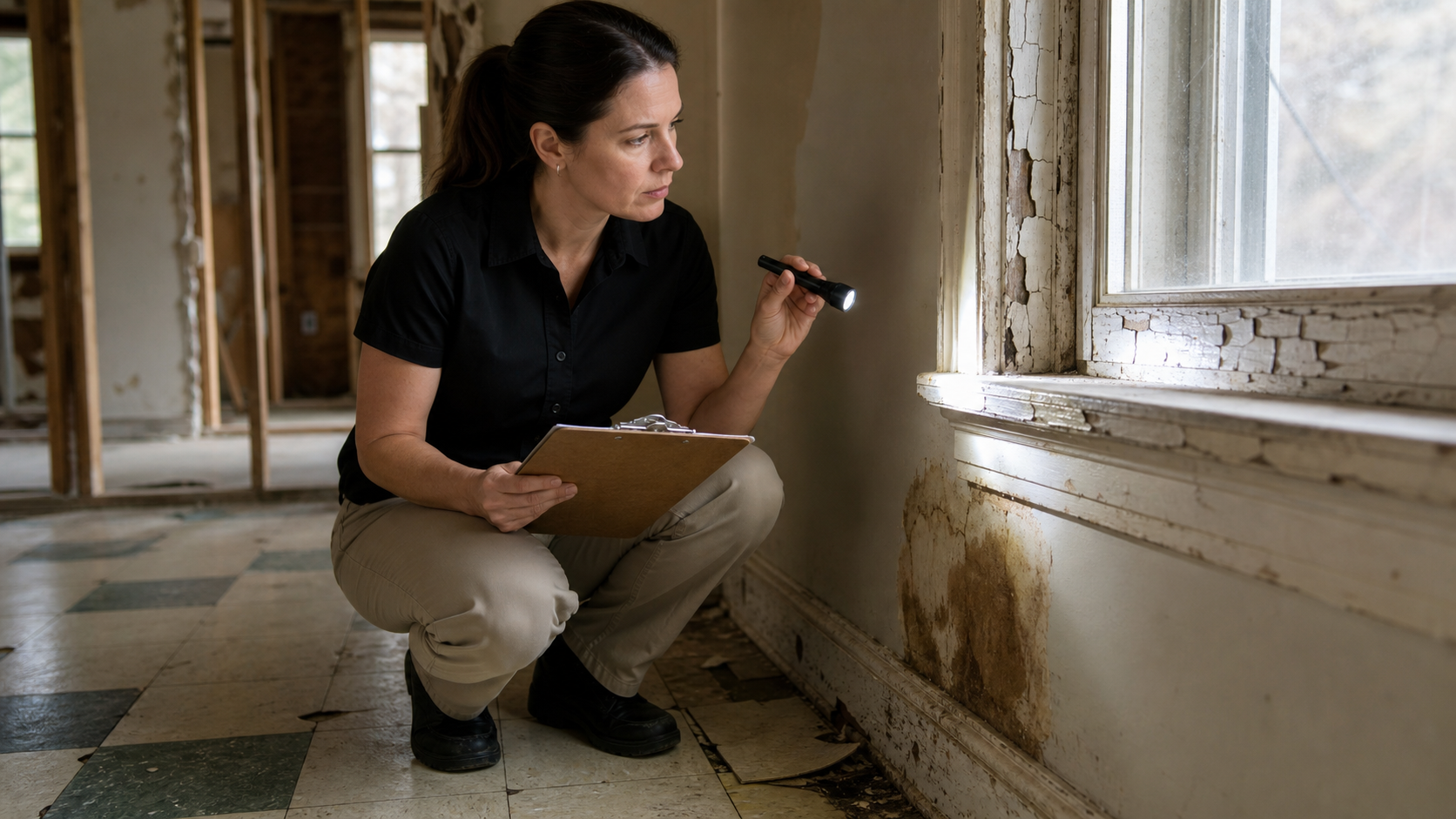
When you are walking a commercial or residential property as an investor, it is easy to focus entirely on the roof, the HVAC, the foundation, and the cosmetic upgrades needed to make the numbers work. However, the most expensive surprises often come from what is hiding in the building materials or indoor air. The EPA’s reuse assessment guidance says real estate due diligence is meant to identify environmental conditions that affect the ability to transfer or reuse a property, and it points out that issues like mold, asbestos, and lead-based paint can all affect the future use of a site.
For property managers, contractors, and investors, that means physical building conditions are also environmental compliance issues. A lingering musty smell, a damaged vinyl floor, peeling window trim, or a prior plumbing leak are not just maintenance line items. They are potential red flags for mold remediation, lead paint abatement, or asbestos removal that could easily derail a renovation budget if they are not investigated properly. Before you close on a property or begin demolition, here are the environmental warning signs you should never ignore.
The Musty Odor and Hidden Water Damage
One of the most common red flags during a property walkthrough is a lingering musty smell. The CDC’s mold guidance says mold can look like spots of many different colors, but it can also simply smell musty. When that odor is present, it usually means moisture has been trapped inside the building envelope long enough for biological growth to start.
The timeline for that growth is surprisingly short. The EPA advises drying wet or damp materials within 24 to 48 hours because mold can begin growing on damp materials within that specific window under favorable conditions. For an investor buying a distressed property, this means an old roof leak or an unaddressed plumbing failure is almost never just a water issue. It is a water damage mold risk.
When walking a property, pay close attention to:
Musty odors, even in rooms that appear cosmetically clean.
Discolored walls, baseboards, or ceiling tiles.
Signs of basement mold after water damage, such as efflorescence or water lines on foundation walls.
Areas where mold after flooding may have been covered up rather than removed.
If you smell mold or see signs of trapped moisture, the project likely needs mold inspection and a proper mold remediation process before any reconstruction begins.
Peeling Paint on Friction Surfaces
In older properties, peeling paint is not just an eyesore. It is a potential health and liability hazard. The EPA’s lead abatement guidance says that when painted surfaces are not maintained, paint can deteriorate, peel, chip, or crack and become a hazard.
The biggest red flag for lead exposure is not just peeling paint on a flat wall. It is deteriorating paint on high-friction surfaces. The EPA specifically notes that old or worn lead-based paint subject to constant friction can become a hazard by generating lead dust. That means windows that rub when opening, tight doors, painted stair treads, and original painted cabinets are all high-risk areas because the daily movement grinds the paint into toxic dust.
For investors and property managers, this creates immediate liability. The EPA requires contractors performing renovation, repair, or painting projects that disturb lead-based paint in regulated properties to be trained and certified in lead-safe work practices. If you are planning to flip an older property or update an apartment building, peeling lead paint danger means you cannot simply scrape and sand the trim like a standard paint job. The project will require lead paint removal, lead paint abatement, or specialized containment to prevent spreading lead dust throughout the property.
Suspect Flooring, Mastics, and Drop Ceilings
Asbestos is perhaps the most notorious hidden hazard in real estate because it does not look dangerous. It looks like ordinary building material. The EPA’s asbestos guidance for building owners says federal requirements apply to the renovation and demolition of buildings that contain asbestos, meaning you cannot legally tear out suspect materials without knowing what they are first.
Investors often assume asbestos is only found in obvious places like pipe wrap or basement boilers. In reality, it was used heavily in 9x9 floor tiles, black mastic adhesives, acoustic ceiling tiles, textured paints, and drywall joint compound. If you are walking a property and see damaged vinyl flooring, original drop ceilings, or textured walls that will need to be demolished, those are red flags that require professional asbestos testing before the crew begins swinging hammers.
Regardless of the year your property was built, the safest approach is to treat suspect materials as potentially asbestos-containing until testing proves otherwise. Because some imported products may still contain asbestos, age alone is not a reliable way to rule out asbestos, and a government notice on asbestos in imported building products reports that asbestos has been found in a range of imported goods and building materials.
Best practice is to assume suspect building materials may contain asbestos regardless of construction date, especially:
Drywall and joint compound
Flooring and mastics
Ceiling tiles and textures
Imported products and components
Imported or foreign-manufactured building materials can still contain asbestos today, so the safest approach is to test rather than rely on age alone. Finding suspect materials is not a reason to walk away from a deal, but it is a reason to factor asbestos removal and asbestos demolition requirements into your timeline and budget.
Evidence of “DIY” Cleanup or Demolition
One of the most dangerous environmental red flags is a property that looks like someone started a renovation and suddenly stopped. Half-gutted kitchens, partially removed flooring, or dry-scraped window frames often indicate that a previous owner tried to handle hazardous material removal themselves, realized they were in over their heads, and abandoned the project.
This is a major concern for investors because DIY demolition usually spreads the hazard. If an amateur contractor tears out an asbestos floor or dry-sands lead paint without containment, they turn a localized problem into a whole-house contamination issue. The EPA notes that improper renovation activities in older homes can release toxic lead dust, and that lead-safe work practices are designed specifically to minimize that dust during remodeling. Similarly, improper removal of mold-contaminated materials can spread spores throughout the HVAC system, turning a small bathroom leak into a property-wide indoor air quality hazard.
If you buy a property with botched demolition, you are not just paying to finish the work. You are often paying environmental remediation services to decontaminate the spaces the previous owner polluted.
Previous Use of the Commercial Space
For commercial real estate investors, the building materials are only half the equation. The history of the property itself is a massive red flag if not investigated. The EPA’s brownfield assessment fact sheet explains that a Phase I Environmental Site Assessment uses existing information to help a community understand property conditions by examining current and historical uses of the site.
If you are buying a commercial building that previously housed a dry cleaner, an auto repair shop, a manufacturing facility, or a printing business, you must assume there is potential for soil, groundwater, or vapor contamination until an assessment proves otherwise. Environmental due diligence in commercial real estate allows buyers to identify and quantify the environmental issues associated with the property before they take ownership and assume liability for the cleanup.
How to Protect Your Investment
When you spot these red flags, the worst thing you can do is guess. Proper environmental testing for property managers, investors, and contractors is the only way to accurately price a distressed property.
If you encounter musty odors, peeling paint on friction surfaces, suspect flooring, or questionable property history, contact BDS Environmental before you close the deal or begin demolition. Our environmental services Michigan team can perform the necessary asbestos inspection, mold inspection, and lead hazard assessments so you understand the true scope of the project. Identifying these red flags early allows you to plan for safe, compliant environmental remediation services and keep your investment profitable.