Why Mold Problems Often Return After Cheap Repairs
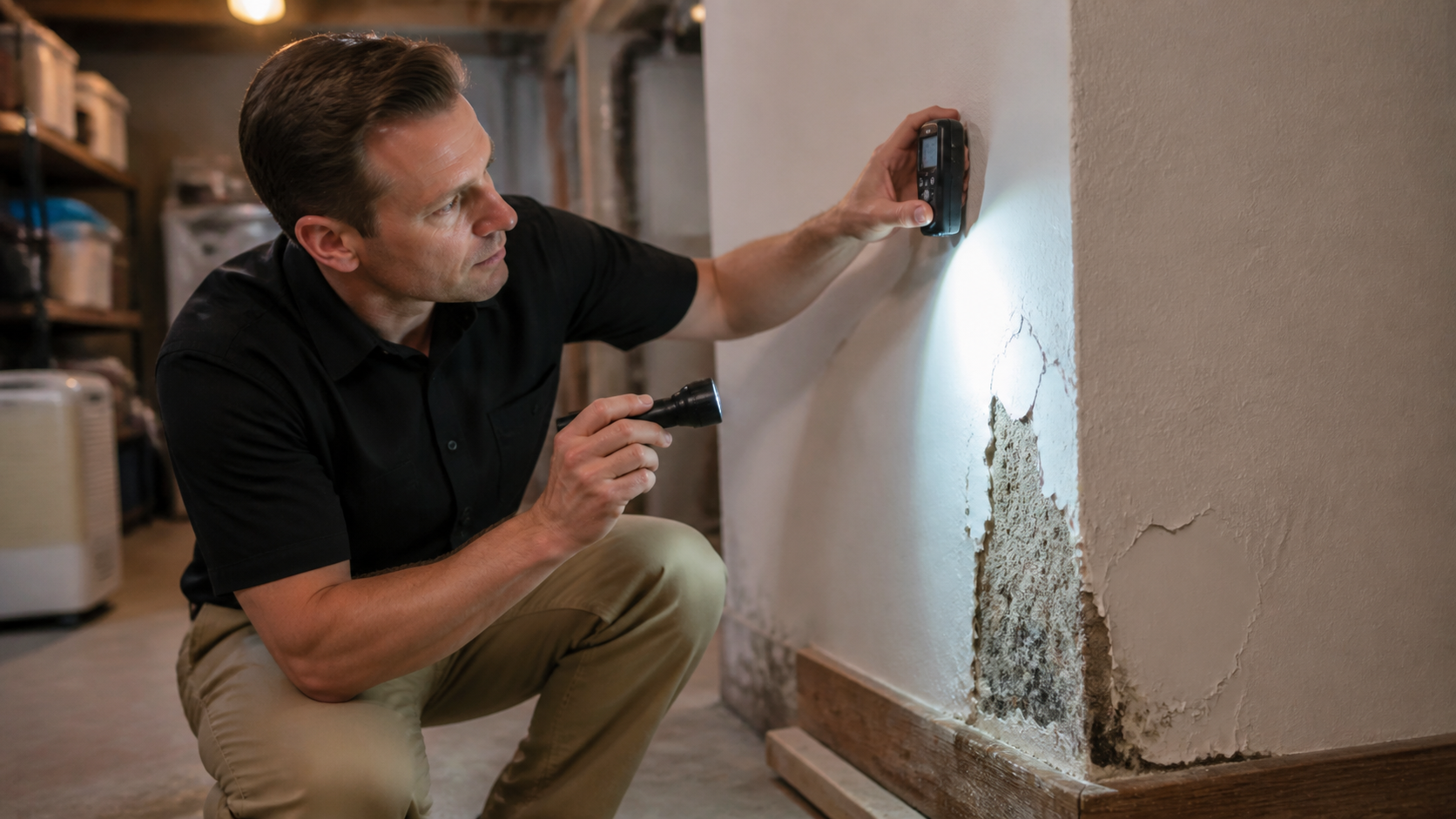
A lot of mold problems do not come back because mold is unusually stubborn. They come back because the original repair never actually solved the cause. A stained ceiling gets painted, a damp basement wall gets sprayed, or a musty crawl space gets deodorized, but the moisture source stays in place. The EPA’s mold guidance puts it plainly: the key to mold control is moisture control, and if mold is a problem in a home, the mold must be cleaned up and the source of moisture must be eliminated.
That is why cheap repairs so often turn into repeat repairs. They treat the visible symptom instead of the building condition behind it. The EPA’s mold and moisture guide says hidden mold may exist behind drywall, wallpaper, paneling, ceiling tiles, carpets, inside walls around leaking or condensing pipes, inside ductwork, and in roof materials above ceilings. In Michigan field terms, that means a quick patch may improve how the area looks for a while, but it does not mean the moisture, damaged materials, or indoor air quality hazards are gone.
The Real Problem Is Moisture, Not the Stain
The biggest reason mold returns after cheap repairs is simple: the water source is still active. The EPA says the best way to control mold growth is to control moisture, and it says mold cleanup has to be paired with eliminating the underlying moisture problem. If that source is a roof leak, plumbing failure, condensation issue, crawl space humidity problem, or water intrusion through masonry, the mold has a way to come back as soon as conditions stay damp enough again.
This is also why cosmetic repairs fail so often. Fresh paint, caulk, stain blocker, new base trim, or deodorizer may cover evidence of damage, but none of those steps dry a wet wall cavity or stop recurring condensation. If the materials behind the finish remain damp, the mold problem was never truly repaired. It was only hidden for a while.
Mold Commonly Hides Behind the Visible Area
Cheap mold repairs also fail because visible growth is often only part of the actual spread. The EPA says mold may be hidden on the back side of drywall, wallpaper, or paneling, on the top side of ceiling tiles, underneath carpets and pads, inside walls around leaking pipes, behind furniture where condensation forms, inside ductwork, and in roof materials above ceiling tiles. That matters because a homeowner or handyman may clean the surface they can reach and still leave a much larger hidden reservoir untouched.
In real properties, this is what often happens after a leak. The wall looks dry on the outside, but the insulation, framing, or backside of the drywall stayed wet long enough to support growth. Later, the occupant notices a mold smell in house conditions, recurring staining, or worsening air quality, even though the “repair” was already done. That is one reason mold inspection becomes important when the symptoms do not match what is visible.
Porous Materials Often Need Removal, Not Surface Cleaning
Another major reason mold problems return after cheap repairs is that mold does not always come off porous materials completely. The EPA’s mold cleanup page says absorbent or porous materials such as ceiling tiles and carpet may have to be thrown away if they become moldy because mold can grow on or fill in the empty spaces and crevices of those materials, making complete removal difficult or impossible. EPA repeats the same point in its basic mold cleanup steps, noting that porous materials may need to be discarded when mold growth is present.
That is where many low-cost repairs go wrong. Instead of removing water-damaged drywall, insulation, ceiling tile, carpet pad, or other absorbent materials that cannot be reliably cleaned, the repair focuses on the cheapest visible fix. The result is predictable. The mold may fade temporarily on the surface, but the contaminated material remains in place and the problem often returns.
This is especially common in basement mold after water damage, flood-related cleanup, and repeated minor leaks around tubs, showers, roofs, and windows. If the repair does not include removal of compromised porous materials where needed, the building is often left with a built-in source for future mold growth.
Bleach Is Not a Complete Mold Strategy
A lot of cheap mold repairs rely too heavily on spraying bleach and hoping the problem is solved. The EPA’s bleach guidance says that in most cases it is not possible or desirable to sterilize an area and that a background level of mold spores will remain, but those spores will not grow if the moisture problem has been resolved. That is an important distinction. The goal is not perfect sterilization. The goal is correcting moisture and removing or cleaning affected materials appropriately so regrowth does not continue.
The CDC’s mold cleanup guidance says bleach or dish detergent can be used to clean mold in the home, but it also emphasizes protective equipment and safe handling during cleanup. What it does not say is that bleach alone solves a mold problem in porous building materials or behind finishes. When a repair uses bleach as a shortcut instead of part of a broader mold remediation process, it often leaves the underlying moisture issue untouched and the hidden contamination in place.
In other words, the repair may seem inexpensive because it avoids investigation, removal, and drying. In practice, that “saving” often just postpones the real work until the mold returns.
Wet Materials Have to Be Dried Fast
Time also plays a major role in whether a mold problem stays small or turns into an ongoing cycle. The EPA’s mold guide says water-damaged areas and items should be dried within 24 to 48 hours to prevent mold growth. When that does not happen, the job often shifts from simple drying to actual mold removal and remediation.
Cheap repairs often happen too late or too slowly. The visible water is cleaned up, but wet drywall, insulation, subflooring, or framing are left to air-dry on their own without enough airflow, dehumidification, or inspection of hidden cavities. By the time the surface looks normal again, the mold may already be established inside the materials.
This is a key reason mold after flooding and smaller water events both lead to repeat problems. The original incident may feel “handled,” but if the materials were not dried within the right window and verified dry where it matters, the moisture problem keeps working in the background.
Odor Is Often a Sign the Job Was Not Finished
One of the most reliable signs of an incomplete repair is lingering odor. The EPA says you may suspect hidden mold if a building smells moldy but you cannot see the source, or if you know there has been water damage and residents are reporting health problems. A strong or recurring mold smell in house conditions is often the building’s way of telling you the moisture or contamination was not fully addressed.
That matters because deodorizing the air is not the same as fixing the condition. Air fresheners, ozone treatments, masking agents, and new finishes may reduce odor temporarily, but if wet or mold-damaged materials remain in place, the smell often returns with the moisture. For landlords, property managers, and homeowners, this is one of the clearest reasons mold remediation for landlords and occupied buildings should focus on source control, not just appearance.
Proper Mold Remediation Is More Than Cleanup
A real mold remediation process is more structured than a cheap repair. The EPA says mold cleanup must include removing moisture and cleaning or discarding affected materials appropriately. The CDC adds that cleanup depends on how much water damage occurred and where the mold is growing, and it recommends respiratory, hand, and eye protection during cleanup activities.
In practical terms, a durable repair often includes:
Finding and correcting the moisture source.
Opening or evaluating hidden areas when symptoms suggest concealed growth.
Removing porous materials that cannot be fully cleaned and dried.
Cleaning hard surfaces appropriately and drying them completely.
Using protective equipment and controlled work practices so contamination is not spread during cleanup.
Confirming the area is dry before rebuilding or closing walls.
That process may cost more up front than a quick patch. However, it is often cheaper than paying for repeat cleanup, repeat reconstruction, occupant complaints, odor issues, and longer-term indoor air quality hazards.
Why Cheap Repairs Cost More Later
The reason cheap mold repairs cost more in the long run is that they rarely solve the full building problem. They delay proper action, allow damage to continue, and often make later repairs larger than they needed to be. What starts as a small leak and a little drywall staining can turn into hidden wall contamination, flooring damage, recurring odor, and a larger mold remediation Michigan project simply because the first response was too narrow.
For Michigan property owners, the lesson is straightforward. Mold does not return because the building was unlucky. It usually returns because moisture remained, damaged materials stayed in place, or the original repair focused on appearance instead of source control.
If your property has a recurring musty odor, repeated staining, basement mold after water damage, or mold that keeps coming back after cleanup, contact BDS Environmental to discuss mold inspection, mold remediation, and environmental remediation services. The best mold repairs are the ones that solve the moisture problem, remove the damaged materials that cannot be saved, and keep the issue from becoming a repeat job a few months later.