When Does Water Damage Require Professional Drying Instead of DIY Cleanup?
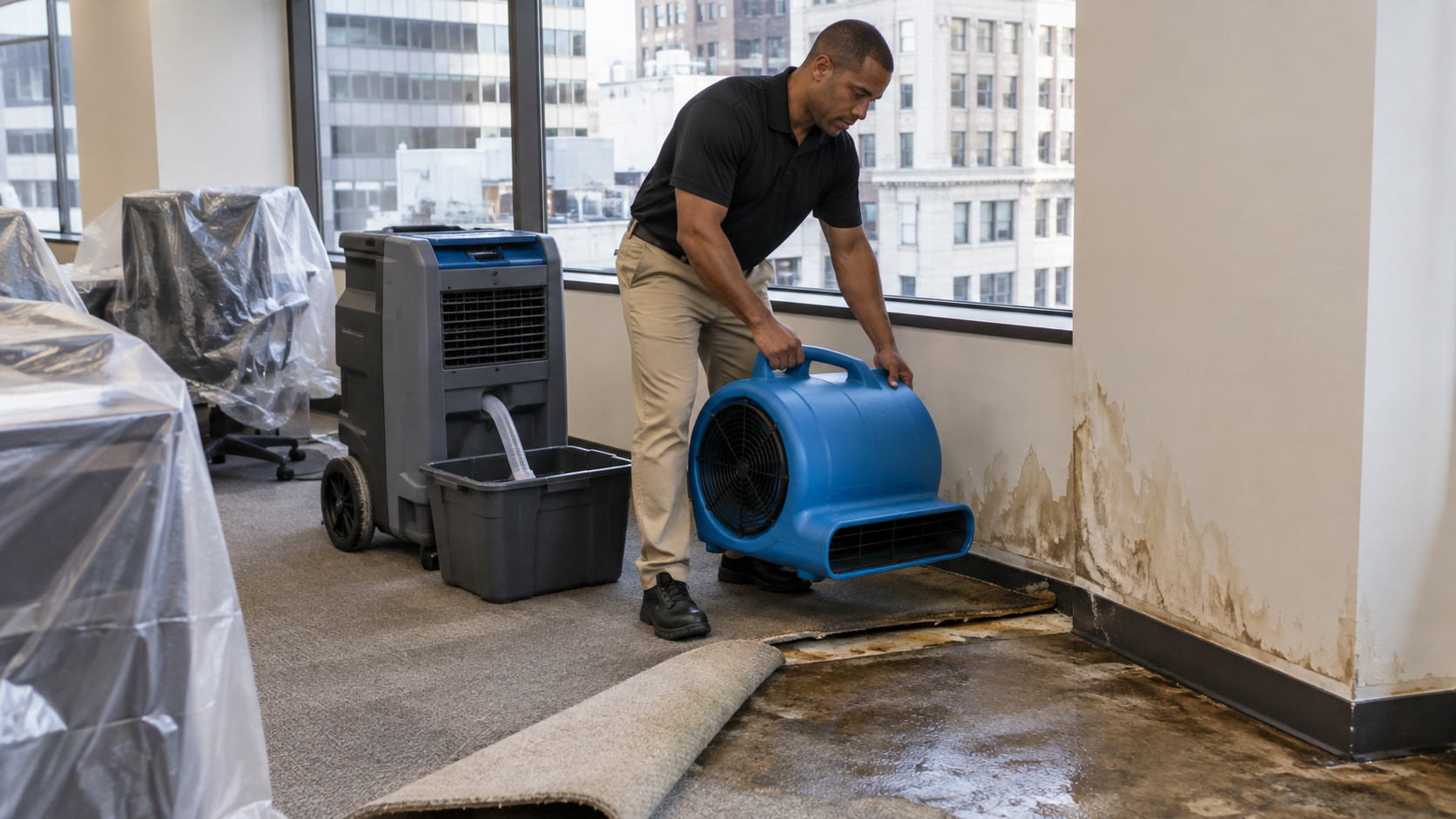
Discovering water pouring across a floor is one of the most stressful moments for any property owner. Whether it is a burst supply line soaking a commercial office or a leaking water heater flooding a residential basement, the immediate instinct is to grab a mop, a bucket, and a few box fans. Homeowners and maintenance teams naturally want to save money and handle the cleanup themselves. However, surface drying is vastly different from structural drying. Treating a major water event like a simple spill is the fastest way to turn a manageable plumbing issue into a massive environmental crisis.
Water is incredibly destructive because it travels quickly, soaking into porous building materials and wicking up the inside of wall cavities where it cannot be seen. Once the drywall and framing are saturated, a ticking clock begins. According to the Centers for Disease Control and Prevention, indoor mold colonies can begin growing within 24 to 48 hours of a water event. Missing this narrow window transforms a basic drying job into a complex mold remediation process. Understanding exactly where to draw the line between a DIY mop up and professional drying is essential for protecting your real estate investment, ensuring compliance, and preventing severe indoor air quality hazards.
The 24 to 48 Hour Mold Window
The most critical factor in deciding whether to hire a professional is time. To successfully handle water damage yourself, you must be absolutely certain that you can extract the water and completely dry all affected materials within two days. This is the official baseline established by environmental agencies. If the water sits longer than 48 hours, the water damage mold risk becomes almost guaranteed.
When water seeps under carpeting, into the subfloor, or behind baseboards, household fans are completely ineffective. Box fans only move surface air; they do not pull moisture out of dense materials. Professional drying teams utilize high capacity dehumidifiers, moisture meters, and structural air movers to force evaporation from deep inside the framing. If you cannot verify that the wall cavity is bone dry within the 48 hour window, you need professional intervention to prevent black mold symptoms from developing.
Assessing the Category of the Water
Not all water is the same. The Institute of Inspection, Cleaning and Restoration Certification (IICRC) classifies water damage into three distinct categories based on contamination levels. Your decision to attempt a DIY cleanup should rely heavily on the type of water involved.
Category 1 (Clean Water): This comes from a sanitary source, such as a broken drinking water pipe or an overflowing sink with no contaminants. If the area is small and caught immediately, a DIY cleanup might be safe.
Category 2 (Gray Water): This water contains significant chemical or biological pollutants. Examples include washing machine overflows or sump pump backups. Gray water can cause illness upon contact and requires professional extraction.
Category 3 (Black Water): This is grossly contaminated water, including raw sewage, rising floodwaters, or water that has sat stagnant for days. Black water contains dangerous pathogens. DIY cleanup is never an option for Category 3 events. Contacting a professional environmental remediation services team is mandatory for safety.
If you are dealing with Category 2 or 3 water, attempting to clean it yourself exposes you and your tenants to severe health risks. The contaminated materials must be safely removed and the area thoroughly sanitized.
The EPA 10 Square Foot Rule
If a minor, Category 1 leak goes unnoticed for a few days, you might discover early signs of fungal growth. When property owners spot a mold smell in house or see dark spots on the baseboards, they often wonder if they can simply scrub it away with bleach.
The Environmental Protection Agency provides a clear threshold for DIY mold cleanup: if the moldy area is less than 10 square feet (roughly a 3 foot by 3 foot patch), a homeowner can typically handle it. However, this rule only applies if the surface is non porous and the water source is completely fixed.
If the fungal growth covers more than 10 square feet, or if it is heavily saturating porous materials like drywall and insulation, the EPA recommends hiring a professional. Handling large scale mold removal on your own is dangerous because scrubbing dry mold releases millions of microscopic spores into the air. This cross contaminates the rest of the building and leads to severe mold health risks. Professional mold remediation Michigan teams use negative air pressure containment and HEPA air scrubbers to ensure the spores are captured during the removal process.
Hidden Hazards: Why DIY Demolition is Dangerous
One of the biggest mistakes property owners make during a DIY water cleanup is grabbing a sledgehammer to tear out wet drywall. When managing older housing stock, opening up walls or pulling up saturated flooring without prior testing is a massive liability. Water damage does not just cause mold; it often exposes hazardous materials in homes that were safely hidden for decades.
The most severe risk during emergency demolition is asbestos. Best practice is to assume suspect building materials may contain asbestos regardless of construction date, especially:
Drywall and joint compound
Flooring and mastics
Ceiling tiles and textures
Imported products and components (e.g., materials manufactured in countries without stringent asbestos controls)
Many investors mistakenly assume newer properties are entirely safe. However, property managers must add clear language to their maintenance plans that imported or foreign-manufactured building materials can still contain asbestos today, so the safest approach is to test rather than rely on age alone.
Regardless of the year your property was built, the safest approach is to treat suspect materials as potentially asbestos-containing until testing proves otherwise. Because some imported products may still contain asbestos, age alone is not a reliable way to rule out asbestos.
If you tear out a wet ceiling that contains asbestos without proper containment, you instantly aerosolize carcinogenic fibers. This triggers severe asbestos health risks and violates strict asbestos demolition requirements. Before any wet drywall is removed, you must have a professional asbestos inspection. If the test is positive, you must hire certified experts for the asbestos removal process.
The Threat of Lead Paint
In properties built under past standards, ripping out water damaged baseboards or windowsills presents another hidden danger: lead paint. As wood absorbs water, the paint layers swell and lose adhesion, creating an immediate peeling lead paint danger.
Handling this wet, flaking paint improperly can spread toxic lead dust throughout the property. This exposes occupants to serious lead paint exposure symptoms and violates lead paint laws Michigan enforces for tenant safety. Just like with asbestos testing, environmental testing for property managers is a necessary step before tearing out architectural elements in older buildings. Professional hazardous material removal ensures that the demolition is handled legally and cleanly.
Liability and Mold Remediation for Landlords
For commercial property managers and landlords, the stakes are significantly higher. Managing a DIY cleanup in a tenant occupied space is incredibly risky. If you fail to completely dry a basement mold after water damage scenario, the mold will inevitably return. When a tenant later discovers mold in commercial buildings or their apartment, the property owner faces massive legal and financial liability.
Hiring a professional restoration and environmental compliance property owners trust provides crucial documentation. A professional team will utilize calibrated moisture meters, thermal imaging cameras, and detailed drying logs to prove the structure is fully dry. If mold remediation is required, they will conduct independent clearance testing to verify the indoor air quality is safe. This documentation is your strongest defense against future liability claims and is essential for securing coverage from your insurance company.
Protect Your Property with Professional Expertise
Knowing when to put down the mop and call in the experts is the key to minimizing property damage. While a spilled glass of water is a DIY job, a burst pipe, a flooded basement, or a persistent roof leak requires commercial grade drying power. Ignoring the severity of water damage invites aggressive mold growth, expensive structural repairs, and the dangerous disturbance of legacy building materials.
If your property has suffered significant water damage and you are concerned about hidden moisture, impending mold, or hazardous materials in your walls, contact BDS Environmental. Our comprehensive environmental services Michigan team can provide immediate moisture assessment, professional mold inspection, and the accredited asbestos testing required before demolition. Whether you need precise mold removal near me or safe asbestos abatement, we have the expertise to protect your investment and restore environmental safety to your building.