Why DIY Mold Cleanup Often Fails
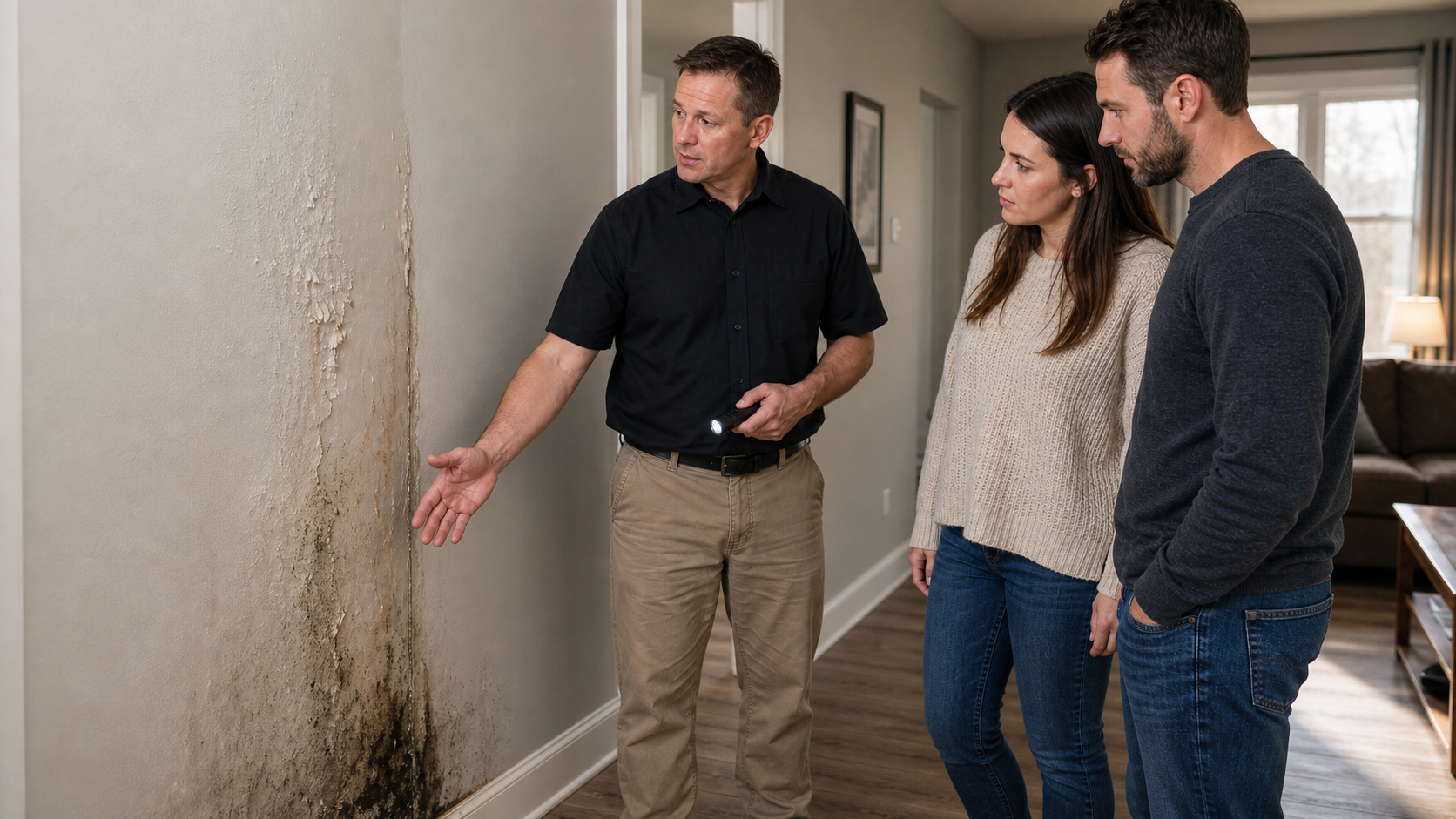
DIY mold cleanup usually fails for one simple reason: people clean what they can see, but mold problems are usually driven by moisture that stays hidden behind the surface. A stained drywall corner, a musty odor, or basement mold after water damage may look like a small cleanup job, but the actual issue often extends into wall cavities, insulation, subflooring, or other damp materials that never fully dried. The visible growth is often the symptom. The moisture problem is the real job.
That is why mold removal and mold remediation are not the same thing. Wiping a surface, spraying bleach, or repainting a stained area may make the problem look better for a short time, but it usually does not correct the water source, remove contaminated porous materials, or prevent mold from returning. For homeowners, landlords, contractors, and property managers in Michigan, understanding why DIY cleanup falls short is one of the best ways to avoid repeated damage, indoor air quality hazards, and larger repair costs later.
The Moisture Problem Usually Stays Behind
One of the biggest reasons DIY mold cleanup fails is that mold rarely grows only on the exposed finish surface. The EPA’s brief guide to mold, moisture, and your home says the key to mold control is moisture control and recommends drying water-damaged areas and items within 24 to 48 hours to help prevent mold growth. The EPA’s water-damage guidance for buildings says the same response window is meant to help avoid mold growth and notes that even materials dried within that general timeframe may still have developed mold.
That matters because many DIY cleanup efforts begin too late or stop too early. By the time someone notices a mold smell in house conditions, staining, or visible spots on drywall or trim, the underlying materials may have stayed damp far longer than expected. If the leak, seepage, humidity problem, or basement moisture source is still active, the mold remediation process never really starts because the cause was never solved.
Surface Cleaning Is Not the Same as Remediation
A second reason DIY mold cleanup often fails is that people treat mold like dirt instead of contamination tied to moisture-damaged materials. The CDC’s mold cleanup recommendations say the cleanup approach depends on how much water damage occurred and where the mold is growing. The EPA’s mold cleanup guidance for homes also makes clear that who should do the cleanup depends on several factors, including the size of the mold problem and whether there has been extensive water damage.
In practical terms, this means scrubbing one visible area does not prove the structure is clean. If drywall paper, carpet backing, insulation, ceiling tile, or subfloor materials stayed wet too long, those materials may need more than a wipe-down. DIY cleanup often fails because it focuses on appearance instead of scope.
Porous Materials Are a Common Failure Point
Mold problems get harder to solve when porous materials are involved. The EPA’s water-damage table notes that materials such as carpet and backing, ceiling tiles, insulation, wallboard, and wood surfaces all need specific drying or remediation decisions after water intrusion. The EPA’s mold remediation checklist adds that moldy porous items that cannot be cleaned should be discarded.
That is where many DIY jobs go wrong. People clean the outer surface of drywall, flooring, or trim, but leave wet or contaminated material in place behind it. In basement mold after water damage situations, the problem may also extend below finished surfaces into the subfloor or lower wall assemblies. The EPA specifically notes that the subfloor under carpet or other flooring material must also be cleaned and dried.
The Water Source Often Never Gets Fixed
Another major reason mold cleanup fails is that the moisture source is never fully corrected. The EPA guide says plainly that if mold is a problem in your home, you should clean up the mold promptly and fix the water problem. EPA’s broader mold and moisture resources also stress that mold control depends on finding the water source, drying the area quickly, and keeping humidity under control.
This sounds obvious, but it is where many repeat mold jobs start. A homeowner may clean a closet wall without addressing condensation. A landlord may repaint after a leak without opening the wall cavity. A commercial property manager may dry the visible floor but not the damp lower insulation or wet ceiling tile. The result is predictable. Mold removal appears complete, but the moisture conditions that caused it are still in place.
DIY Cleanup Can Spread Contamination
DIY cleanup also fails because it can spread mold instead of containing it. The EPA’s mold cleanup page warns not to run the HVAC system if you know or suspect it is contaminated with mold because it could spread mold throughout the building. The EPA’s mold course guidance says full containment is recommended when mold-contaminated surface areas are larger than 100 square feet or when remediator or occupant exposure could be significant. EPA’s Table 2 remediation guidance also lays out escalating containment expectations as the affected area grows.
That matters because DIY cleanup often happens without containment, air control, or a clear removal plan. Pulling out moldy drywall, disturbing contaminated carpet, or using fans in the wrong stage of the job can move spores and debris into other rooms. In homes and occupied buildings, that can turn a localized mold issue into a much larger indoor air quality problem.
Safety Is Commonly Underestimated
A lot of people also underestimate the health and safety side of mold cleanup. The CDC says some people are at risk of significant or severe health effects from mold exposure, including people with allergies, immune suppression, underlying lung disease, asthma, or COPD, and it says those individuals should not take part in mold cleanup. The CDC also recommends protecting the mouth and nose with at least a NIOSH-approved N95 respirator, wearing gloves, and using goggles that fully protect the eyes from dust and particles.
DIY cleanup often fails because the person doing the work does not approach it like a contamination job. They may wear no respirator, use the wrong eye protection, or disturb moldy materials without understanding how much exposure the work can generate. That is especially risky in tight basements, bathrooms, utility rooms, crawl spaces, and any area with heavy or hidden moisture damage.
Bleach and Paint Are Not Real Solutions
Many failed DIY mold jobs start with the assumption that stronger chemicals or a fresh coat of paint will solve the problem. The CDC’s cleanup guidance says bleach or dish detergent can be used to clean mold in the home, but it also warns never to mix bleach with ammonia or other cleansers because it can create toxic vapors. Just as important, the CDC’s 8 tips to clean mold says, “Don’t cover it, remove it,” and explains that painting or caulking over mold will not prevent mold from growing.
That is a key field point. Bleach may help clean some hard surfaces, but it does not replace removing unsalvageable materials or fixing the moisture source. Paint can hide a stain, but it does not stop contamination inside damp drywall or trim. DIY cleanup fails when the goal becomes making the area look clean instead of making the building conditions dry and stable.
The Size of the Problem Is Often Misjudged
Another common issue is that property owners underestimate how large the mold problem really is. The EPA’s mold cleanup page says that if the moldy area is less than about 10 square feet, in most cases you can handle the job yourself, but if there has been a lot of water damage or mold growth covers more than 10 square feet, you should consult EPA’s remediation guidance. EPA’s Table 2 guidance then scales remediation methods based on small, medium, and large affected areas.
The visible patch, however, is not always the real measurement. A two-foot stain on a finished wall may connect to a much larger wet cavity behind it. Mold in commercial buildings, lower-level tenant spaces, and older homes often spreads farther than the first visible area suggests. That is why mold inspection becomes so important when the source, extent, or history of water damage is unclear.
Contaminated Water Changes the Rules
DIY cleanup is even more likely to fail when the water source was not clean water. The EPA’s cleanup guidance says that if the water or mold damage was caused by sewage or other contaminated water, a professional with experience cleaning buildings damaged by contaminated water should be called in. EPA’s building guidance also says an experienced professional should be consulted when remediators do not have expertise in contaminated water situations.
This is especially important after backups, storm-related intrusion, or flood-related losses. Mold after flooding is not just a standard household cleaning issue. It is often a mixed contamination issue involving moisture, damaged materials, and potentially unsafe water exposure.
Why Professional Mold Remediation Gets Better Results
Professional mold remediation usually performs better because it is built around scope, moisture control, material decisions, and containment rather than surface appearance. EPA guidance centers on drying, removing mold, selecting cleanup methods based on the type of material and the size of the affected area, and discarding moldy porous materials when they cannot be cleaned. The CDC guidance reinforces that cleanup methods, protective equipment, and exposure concerns all depend on how extensive the water damage and mold growth really are.
For homeowners, landlords, and property managers, that means the smarter question is not “How do I wipe this off?” It is “What stayed wet, how far did it spread, and what has to happen so it does not come back?” That is the difference between a temporary cleanup and a real remediation plan.
If you are dealing with recurring mold, a persistent musty odor, or water damage that may have reached hidden materials, contact BDS Environmental to discuss mold inspection, mold remediation, and environmental remediation services. Getting the moisture source, cleanup scope, and material removal decisions right the first time is one of the best ways to keep a manageable issue from turning into a larger long-term problem.