How Environmental Issues Can Affect Commercial Property Sales
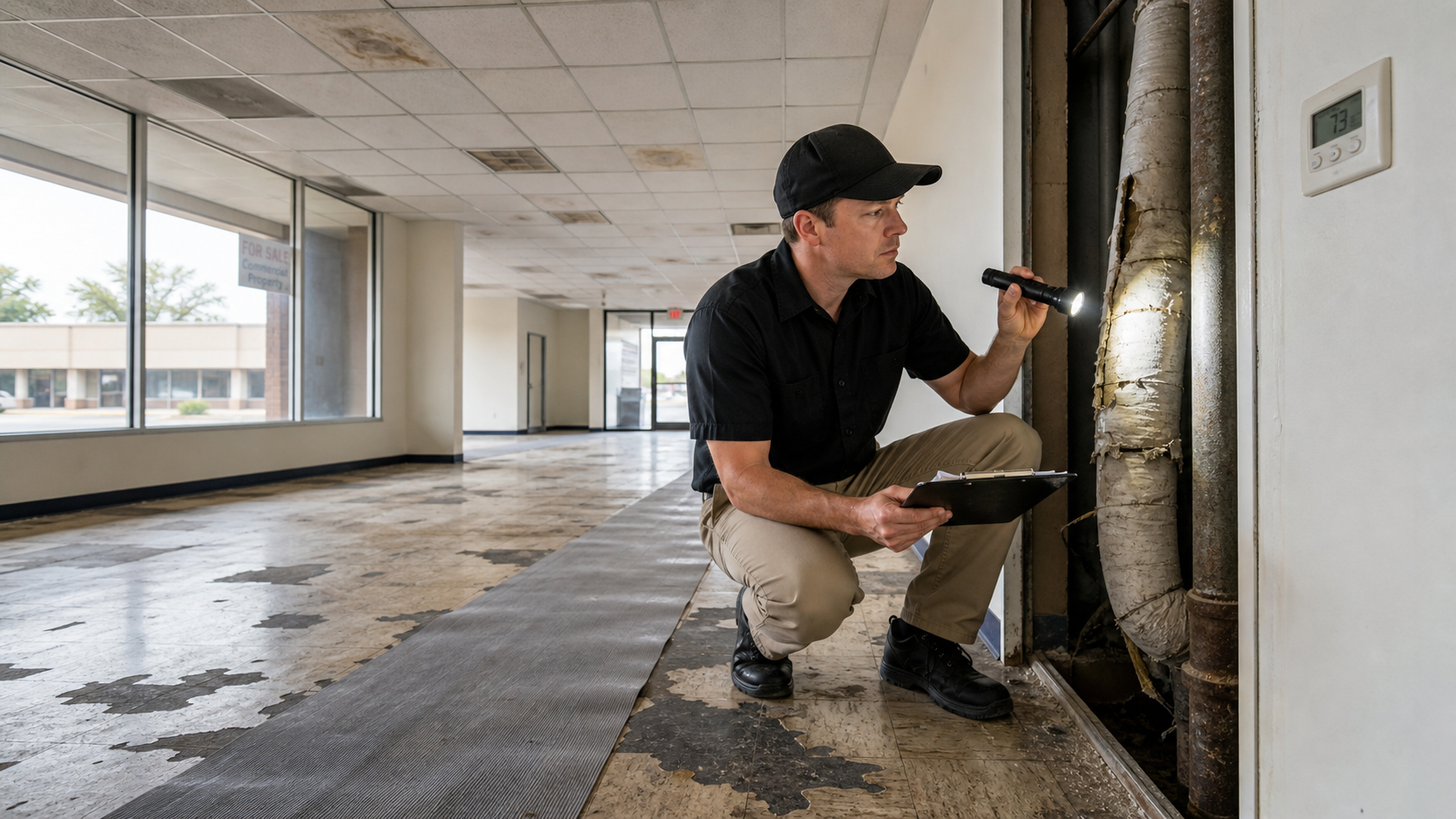
Commercial property sales are rarely just about square footage, rent roll, or location. Environmental issues can change how a buyer views risk, how a lender views the deal, and how quickly a transaction can actually close. A building may look marketable on paper, but if due diligence raises concerns about asbestos, mold, moisture intrusion, contamination, or demolition-related compliance, the conversation can shift from price and terms to cost, timing, and liability.
That is why environmental testing is often one of the most practical parts of a commercial transaction, not just a technical one. For property managers, investors, contractors, and owners, environmental issues affect more than cleanup costs. They can influence financing, insurance, redevelopment plans, tenant concerns, and post-closing obligations. In Michigan, especially where older commercial buildings may be repositioned, renovated, or demolished after purchase, understanding those risks early can make the difference between a manageable deal and an expensive surprise.
Due Diligence Shapes the Deal
In many commercial transactions, the environmental due diligence process starts with a Phase I environmental site assessment, and EPA notes that this is typically where the process begins. The purpose of the ASTM E1527-21 standard is to provide a framework for identifying recognized environmental conditions, often called RECs, on or related to a property.
That matters because buyers and lenders are not only asking whether a building is usable today. They are also asking whether hidden environmental conditions could affect value, redevelopment, financing, or future liability. Once due diligence identifies a possible problem, the property is no longer being evaluated as a clean, simple transaction. It is being evaluated as a transaction with environmental variables that need pricing, scheduling, or further investigation.
Environmental Issues Can Affect Price Quickly
One of the most direct ways environmental issues affect a commercial property sale is through valuation. A buyer may still want the property, but not at the same price if environmental remediation services, hazardous material removal, or post-closing corrective work are likely to be needed. Even when the issue is manageable, it creates uncertainty, and uncertainty almost always becomes a negotiation point.
In the real world, this shows up in a few predictable ways:
The buyer asks for a credit or price reduction.
The seller is asked to complete testing or cleanup before closing.
The buyer extends due diligence to investigate the condition further.
The lender requests additional documentation before funding.
The deal structure changes to reflect perceived environmental risk.
Not every environmental issue kills a deal, but many of them change the economics of the deal. A property with unresolved indoor air quality hazards, suspected asbestos-containing materials, or known moisture problems is usually not being priced the same way as one with clean documentation and a lower risk profile.
Asbestos Can Complicate Sales and Redevelopment
Asbestos is one of the most common issues that affects commercial property sales because it often intersects with the buyer’s future plans. If the buyer intends to renovate, re-tenant, reposition, or demolish part of the building, asbestos inspection and asbestos testing can become immediate concerns. The EPA’s guidance for building owners and managers states that federal requirements apply to the renovation and demolition of buildings that contain asbestos and also points owners toward operations and maintenance planning for managing asbestos-containing materials in place.
In Michigan, this issue becomes even more practical at the transaction stage. The state’s asbestos and demolition page says demolition activities throughout the state are regulated by EGLE because of asbestos, and it notes that there is still a risk of asbestos exposure during renovations and demolitions. That means a buyer planning demolition or major interior work is not just buying a structure. They may be buying a sequence of asbestos demolition requirements, notification duties, and asbestos abatement costs that have to be addressed before the project can move forward.
This is also where one of the most important asbestos planning points applies. Regardless of the year your property was built, the safest approach is to treat suspect materials as potentially asbestos-containing until testing proves otherwise.
Because some imported products may still contain asbestos, age alone is not a reliable way to rule out asbestos. A government notice on asbestos in imported building products reports that asbestos has been found in a range of imported goods and building materials used in construction.
Best practice is to assume suspect building materials may contain asbestos regardless of construction date, especially:
Drywall and joint compound
Flooring and mastics
Ceiling tiles and textures
Imported products and components
Imported or foreign-manufactured building materials can still contain asbestos today, so the safest approach is to test rather than rely on age alone. For commercial buyers, that matters because a property may have gone through multiple renovations, tenant build-outs, or material replacements over time. “Newer-looking” finishes do not automatically eliminate asbestos risk.
Mold and Moisture Problems Can Trigger Buyer Concerns
Mold issues can also affect commercial property sales, especially when they point to unresolved moisture intrusion, poor maintenance, or potential indoor air quality complaints. EPA’s mold remediation guidance for schools and commercial buildings says strategies in its water-damage table are designed to respond within 24 to 48 hours to help avoid mold growth and that professional assistance may be needed to dry an area quickly and thoroughly. The same guidance says that if materials have been wet for more than 48 hours, remediators should consult mold remediation guidance, and even materials dried within that window may still have experienced mold growth.
For a buyer, that means water stains, musty odor complaints, prior roof leaks, or basement mold after water damage are not just cosmetic concerns. They raise practical questions about hidden damage, tenant complaints, scope of mold remediation, and whether the property has been properly maintained. Mold in commercial buildings can become a transaction issue even when the visible growth looks limited, because moisture problems often travel behind walls, under flooring, or into insulation and mechanical spaces.
That is also why mold inspection and environmental testing for property managers are often useful before listing or marketing a property with known water history. A documented scope is easier to discuss than a vague smell, an unexplained stain, or a buyer’s suspicion that the visible condition is only part of the problem.
Environmental Issues Can Slow Financing and Closing
Commercial sales are often time-sensitive, and environmental issues can slow the deal even when both parties still want to close. When due diligence raises an unresolved issue, buyers may ask for more time to investigate, lenders may hold funding until questions are answered, and insurers may become more cautious depending on the condition and intended use of the property.
A Phase I ESA or similar review does not automatically stop a deal. What it does is create a checkpoint. If questions about asbestos removal, mold remediation, or broader hazardous material removal are unanswered, the transaction may pause until the parties understand the scope. That pause can be short if the issue is minor and well documented. It can be much longer if the condition affects demolition planning, occupancy, or a major redevelopment strategy.
For sellers, this is one reason environmental issues are easier to manage before the property hits the market than after a buyer finds them. Once the concern is raised mid-transaction, the seller is no longer controlling the pace of the conversation in the same way. The issue is now part of the buyer’s risk analysis.
Tenant Use and Building Reputation Matter Too
Commercial property sales are not always driven by vacant redevelopment. Many properties are sold with active tenants, operational businesses, or plans for continued occupancy. In those cases, environmental issues do not just affect the structure. They can affect leasing stability, tenant confidence, and building reputation.
A buyer looking at an office, retail, industrial, or mixed-use property may ask practical questions such as:
Are there unresolved indoor air quality hazards?
Have tenants complained about odors, leaks, or visible mold?
Is there known asbestos that will complicate future capital improvements?
Will environmental issues limit how quickly suites can be turned over?
Are maintenance records strong enough to support the seller’s story?
These questions matter because commercial value is tied to income and operational stability. An unresolved environmental issue can create churn, vacancies, deferred improvements, and unexpected capex, even if the building itself is otherwise well located.
Environmental Problems Can Reshape the Buyer’s Plan
Sometimes the biggest impact is not the condition itself, but what it does to the buyer’s intended use. A buyer may plan to open walls, combine suites, demolish interior sections, or upgrade aging systems soon after closing. If environmental testing reveals asbestos-containing materials, moisture-damaged assemblies, or conditions that require containment and regulated work, the business plan may need to change.
That does not always mean the deal falls apart. It may mean the project gets repriced, phased differently, or delayed. It may mean the buyer wants a bigger reserve, more seller disclosure, or a defined remediation plan before they commit to the original purchase terms. The earlier those issues are understood, the more room both sides have to solve them without turning every finding into a closing crisis.
Why Proactive Testing Helps Sellers Too
Environmental due diligence is often discussed from the buyer’s side, but sellers benefit from it too. A seller who already knows whether the property needs asbestos testing, mold inspection, or selective environmental remediation is usually in a stronger position than one who is surprised during escrow. Clear records reduce speculation. Defined conditions are easier to explain, price, and negotiate than uncertainty.
For Michigan property owners, that is especially relevant in older commercial buildings where renovation history is layered and building materials may come from different eras, manufacturers, and prior tenant build-outs. Pre-sale environmental review can help the seller separate routine maintenance issues from true transaction risks and decide whether to remediate, disclose, price accordingly, or prepare supporting documentation for buyers and lenders.
If you are buying, selling, or repositioning a commercial property and need clarity around asbestos, mold, moisture, or other environmental concerns, contact BDS Environmental to discuss asbestos inspection, asbestos testing, mold inspection, mold remediation, and broader environmental remediation services. The more clearly environmental risks are defined before the sale moves forward, the easier it is to protect value, manage negotiation, and keep the transaction on track.