Why Environmental Testing Is Important Before Demolition Begins
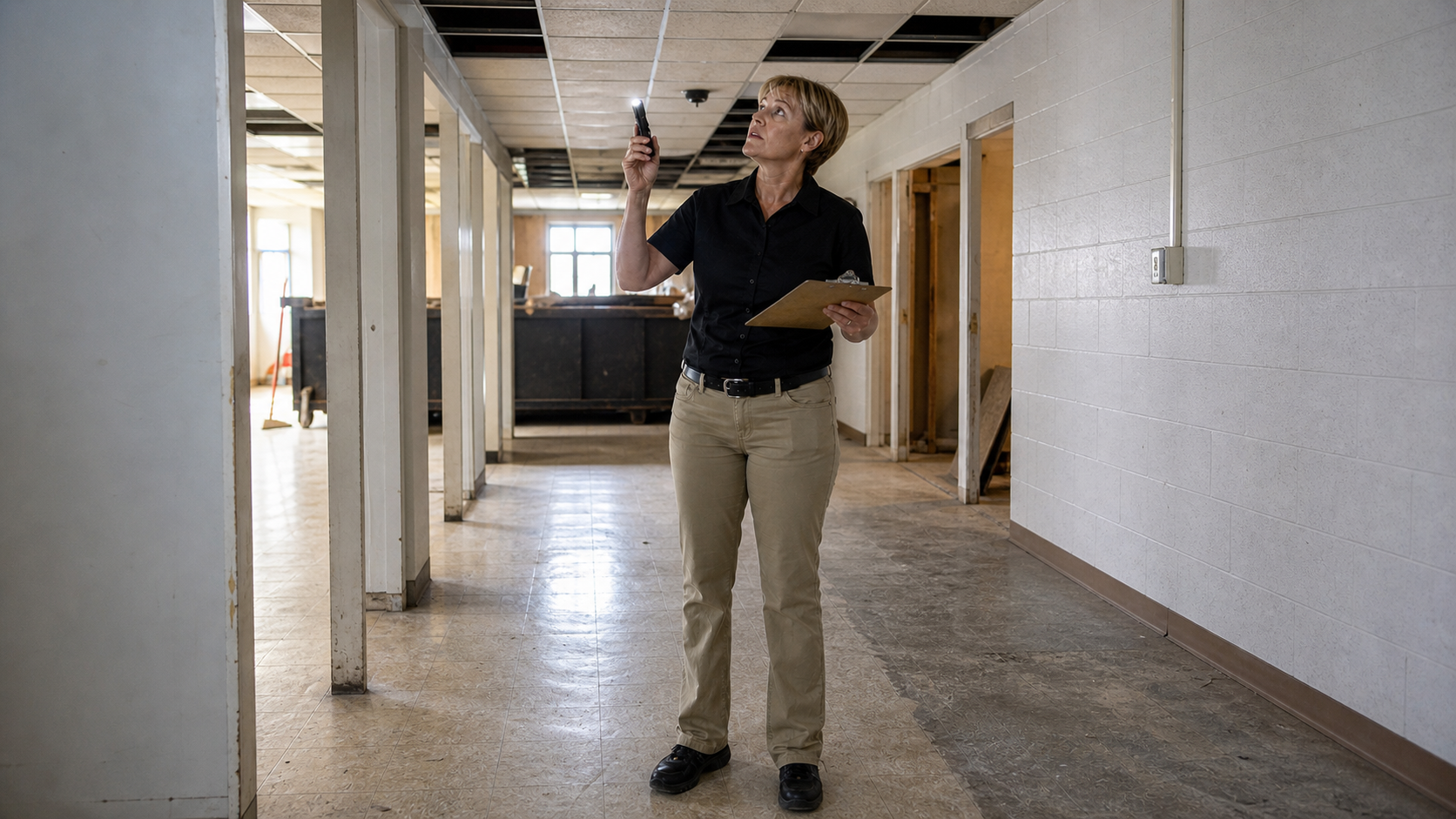
Demolition projects have a way of looking simpler from the outside than they really are. A structure may appear ready to come down, but once walls, ceilings, flooring, insulation, and mechanical systems start getting disturbed, hidden environmental issues can turn a straightforward project into a safety, compliance, and cost problem very quickly. That is why environmental testing before demolition is not just a paperwork step. It is one of the most important parts of planning a controlled, legally compliant, and efficient job.
For homeowners, property managers, contractors, and investors, pre-demolition testing helps answer the questions that matter most before equipment arrives on site. Does the building contain materials that require asbestos abatement? Is there lead-based paint that could create hazardous dust during disturbance? Are there hidden conditions that change disposal, containment, worker protection, or notification requirements? In Michigan, where demolition work often happens on older homes, older commercial properties, schools, and municipal buildings, those answers can affect everything from schedule and budget to occupant safety and environmental compliance.
Why Testing Comes First
Environmental testing matters before demolition because demolition is, by definition, a disturbance event. Once materials are broken apart, cut, stripped, or crushed, dust and debris can spread quickly, and any hazardous materials in those building components become harder to control. The EPA’s guidance for owners and managers of buildings that contain asbestos explains that federal regulations specify work practices for asbestos during demolitions and renovations and require notification before many covered projects begin.
Michigan says the same thing from the state side. The Michigan EGLE Asbestos NESHAP program states that the program protects the public and environment by minimizing the release of asbestos fibers during renovation and demolition activities, and it requires advanced notification so precautions can be taken before work starts. In other words, testing is not something you do after a demolition plan is set. It is part of how the demolition plan gets built correctly in the first place.
Asbestos Is Often the First Concern
For many demolition projects, asbestos is the first environmental issue that has to be addressed. That is because asbestos-containing materials may be present in common building components that get disturbed early in demolition, including insulation, wall systems, flooring assemblies, mastics, ceiling materials, and mechanical system components. The EPA’s building owner guidance notes that asbestos regulations apply to demolition and renovation activities and that owners and operators have responsibilities tied to notification, work practices, and waste handling.
This is also where one of the most important client-specific points needs to be stated clearly: regardless of the year your property was built, the safest approach is to treat suspect materials as potentially asbestos-containing until testing proves otherwise. Because some imported products may still contain asbestos, age alone is not a reliable way to rule out asbestos. A government notice on asbestos in imported building products reports that a range of imported goods and materials used in construction have been found to contain asbestos, which is why testing is safer than relying on assumptions about age or appearance.
Best practice is to assume suspect building materials may contain asbestos regardless of construction date, especially drywall and joint compound, flooring and mastics, ceiling tiles and textures, and imported products or components. Imported or foreign-manufactured building materials can still contain asbestos today, so the safest approach is to test rather than rely on age alone.
Demolition Can Spread Hazards Fast
One reason environmental testing is so important before demolition begins is that once demolition starts, contamination can spread far beyond the point where the work began. Asbestos fibers, lead dust, and other debris do not stay politely in one corner of the room just because the contractor intended a “small” opening or partial teardown. Dust can move through air pathways, settle in adjacent spaces, contaminate work zones, and complicate disposal if the hazardous material was not identified ahead of time.
The EPA’s asbestos demolition and renovation compliance monitoring page says inspectors review notifications, inspect job sites, and expect owners and operators to conduct a thorough self-inspection, use techniques that do not cause visible emissions, and properly manage regulated material removed during renovation or demolition. Michigan’s asbestos and demolition information page also makes clear that demolition activities throughout the state are regulated by EGLE. In field terms, that means guessing wrong before demolition is not just a technical mistake. It can become an enforcement, contamination, and project control problem very quickly.
Testing Helps Define the Real Scope of Work
A major benefit of environmental testing is that it tells you what kind of project you actually have. A building owner may think they are hiring a demolition contractor, but the testing may show they really need asbestos inspection, asbestos testing, asbestos abatement, lead-safe controls, selective removal, or additional environmental remediation services before demolition can proceed. That difference matters because each of those steps affects pricing, sequencing, worker qualifications, containment needs, and waste handling.
The Michigan EGLE asbestos program states that the agency is responsible for conducting inspections of asbestos removal and demolition projects to determine compliance with NESHAP regulations. The EPA’s owner and manager guidance also notes that asbestos professionals working with asbestos-containing building materials in schools, public buildings, and commercial buildings must be accredited under programs at least as stringent as EPA’s Model Accreditation Plan. Once testing identifies regulated materials, the job often changes from ordinary tear-out to a project that requires licensed or accredited environmental professionals.
It Is Not Just About Asbestos
Asbestos is often the headline issue, but environmental testing before demolition can also matter because of lead-based paint and other hazardous conditions that affect how the work should be performed. The EPA explains that the purpose of its Renovation, Repair and Painting Rule is to minimize exposure from lead-based paint dust during renovation, repair, or painting activities. That same basic concern becomes relevant during demolition planning anywhere lead-based paint may be present and paint-coated surfaces are going to be cut, broken, scraped, or pulverized.
For property owners, that means pre-demolition due diligence is broader than “Is there asbestos?” Depending on the building and the scope, the work may also involve lead paint removal planning, lead paint abatement questions, or additional hazardous material removal decisions tied to worker protection and dust control. In buildings with chronic water damage, visible microbial growth, or a persistent mold smell in house conditions, mold inspection may also become part of a broader environmental review before demolition starts.
Testing Protects Budgets and Schedules
One of the most overlooked reasons to test before demolition is that it usually protects the project budget. A pre-demolition survey costs money, but discovering regulated materials after demolition has started almost always costs more. Once work stops, equipment sits, crews wait, schedules shift, and emergency containment or cleanup may be required. That is rarely the least expensive moment to learn what is inside the building.
The EPA’s asbestos compliance monitoring page emphasizes notification review, inspection, self-inspection, and proper handling of regulated material during renovation and demolition. The Michigan EGLE asbestos program reinforces that advanced notification is required to ensure precautions are taken to minimize emissions. Put simply, testing done early gives owners and contractors time to plan the work correctly instead of reacting to a surprise in the middle of demolition.
Testing Supports Safer Work Practices
Environmental testing also helps determine what safety measures are appropriate before demolition begins. If asbestos is present, the response may involve containment, negative air pressure, specialized removal methods, regulated disposal, and clearance procedures before the structure can be demolished further. If lead-based paint or other dust-generating hazards are involved, work practices and protective controls may need to change as well.
That is one reason environmental testing for property managers is so important on multi-unit, commercial, public, and mixed-use properties. These buildings often have more occupants, more liability exposure, and more complicated demolition sequencing than a simple vacant structure. The earlier the environmental conditions are identified, the easier it is to protect workers, neighboring areas, and the people who use or manage the property.
What Owners and Contractors Should Be Asking
Before demolition begins, the right questions usually sound like this:
Has the building been evaluated for asbestos in all materials that demolition will disturb?
Do any painted surfaces raise concerns about lead dust during demolition?
Will the scope require asbestos abatement or lead-safe work before teardown starts?
Are the right notifications, documentation, and disposal plans in place?
Does the building’s occupancy or location require extra containment and dust control?
If there has been water intrusion or mold growth, does that change selective demolition planning?
These are not just compliance questions. They are project control questions. The more clearly they are answered before demolition starts, the lower the chance of delays, exposure concerns, disputed scope changes, and expensive surprises.
Why This Matters in Michigan
In Michigan, demolition work often happens in properties with layered repair histories, aging materials, and active regulatory oversight. That makes environmental testing an operational issue, not just an environmental one. The Michigan asbestos and demolition information page confirms that demolition activities are regulated statewide by EGLE, while the state asbestos program page emphasizes inspections, notifications, and emission control requirements tied to demolition and removal activity.
For contractors, investors, and property owners, the practical takeaway is simple: demolition should not begin until you know what you are demolishing. Environmental testing helps define the scope, protect the people involved, support compliance, and prevent a straightforward project from becoming a hazardous cleanup problem.
If you are planning demolition on an older home, commercial property, school, or municipal building, contact BDS Environmental to discuss asbestos inspection, asbestos testing, lead-related concerns, and environmental remediation services before work begins. The right information at the front end is one of the best ways to keep demolition safer, cleaner, and easier to manage.