
BLOG
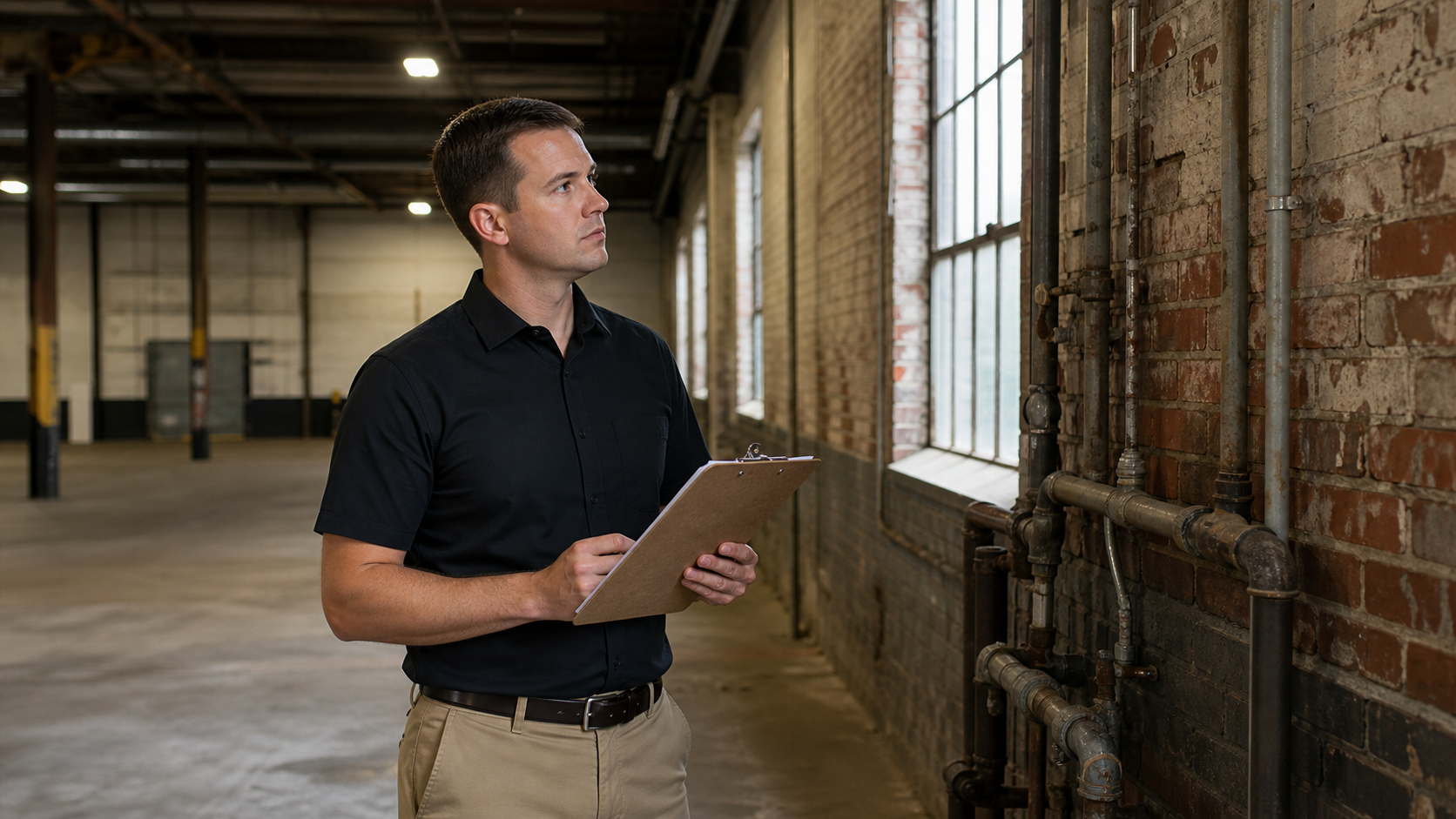
What Happens During a Commercial Site Assessment?
A commercial site assessment is the step that helps owners, buyers, lenders, developers, and property managers understand whether a property has environmental conditions that could affect safety, redevelopment, financing, or liability.
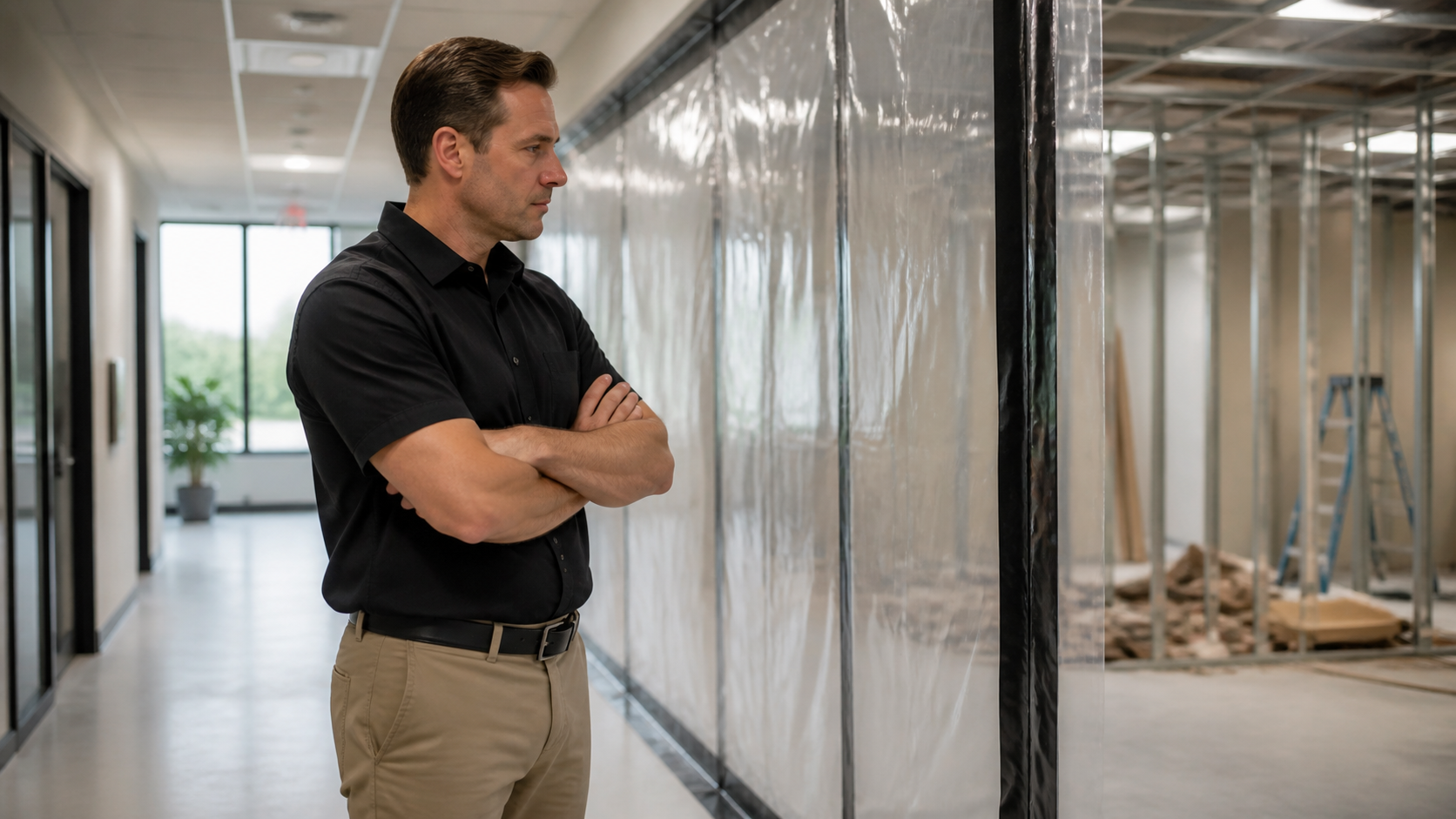
How to Reduce Liability During Commercial Renovation Projects
Commercial renovation projects create liability long before the first wall is opened. In occupied buildings, a renovation can affect tenants, employees, customers, neighboring suites, and contractors all at once if dust, fumes, moisture, or hidden hazardous materials are not identified and controlled early.
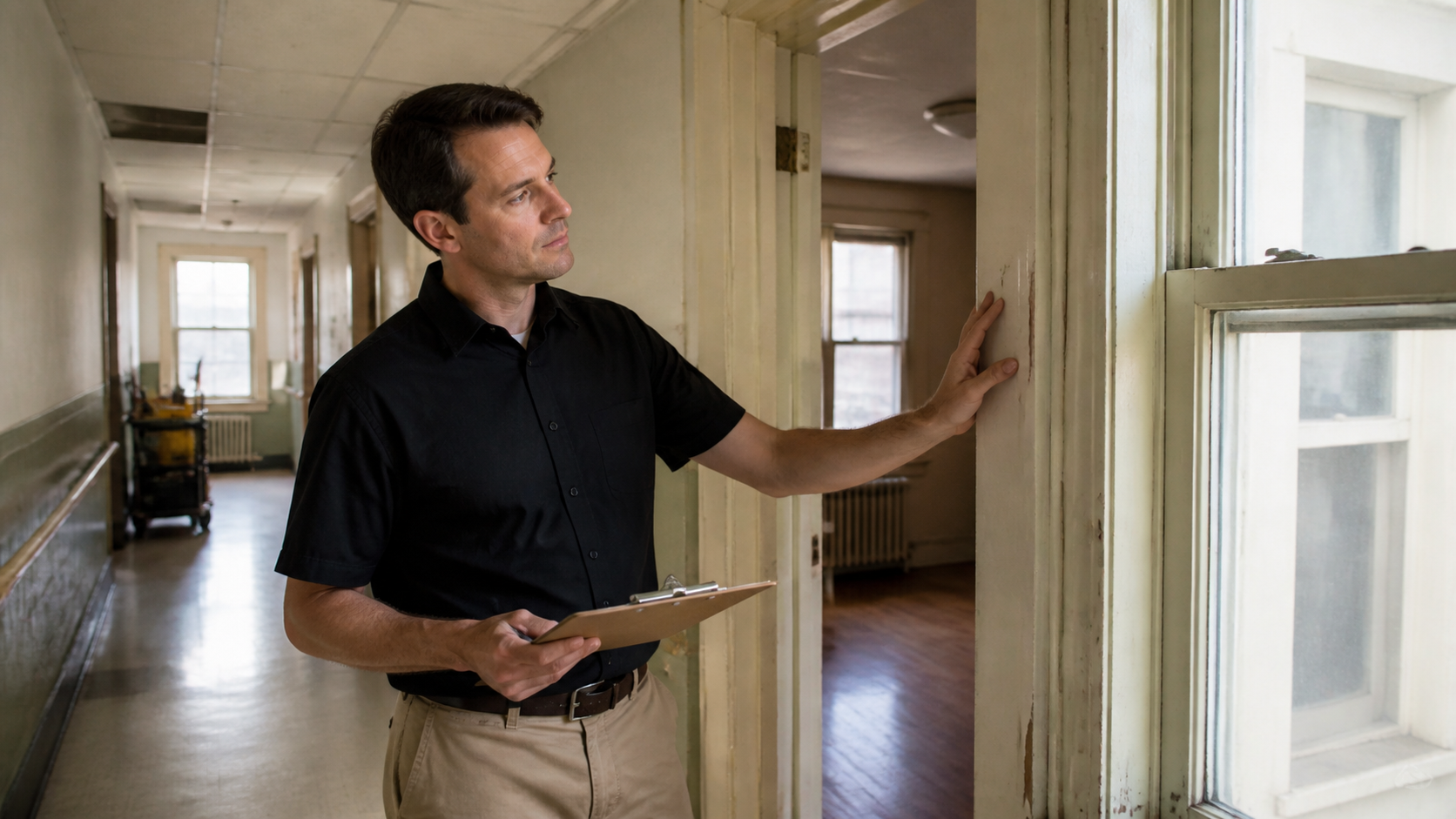
Why Older Apartment Buildings Are High Risk for Lead Paint and Asbestos
Older apartment buildings tend to carry more environmental risk than many owners, investors, and property managers expect. The reason is not just that the building has been standing for a long time. It is that older multifamily properties often combine aging painted surfaces, repeated tenant turnover, frequent maintenance work, and layered renovations that can release lead dust or disturb hidden asbestos-containing materials when the work is not scoped correctly.
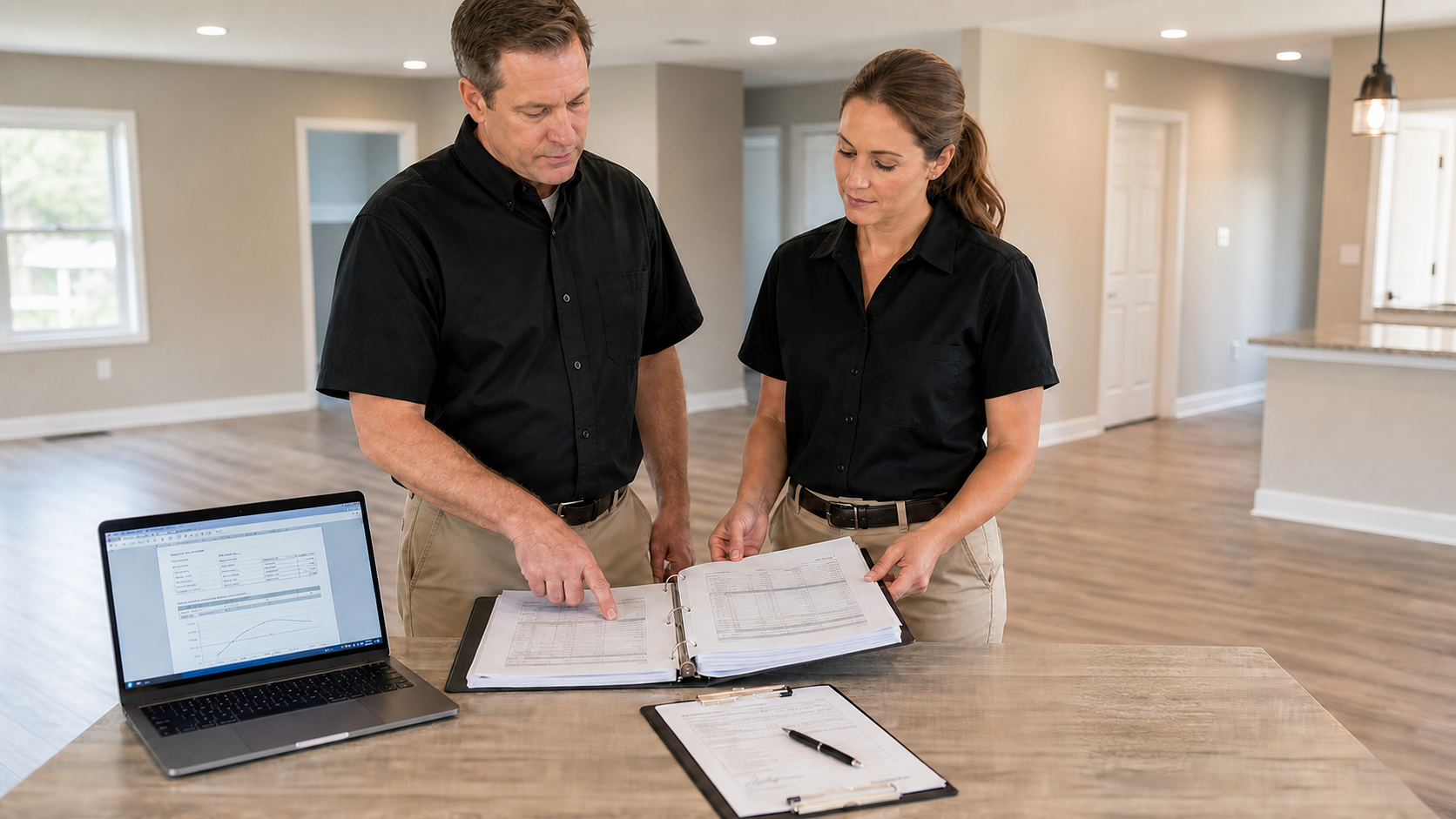
What Is an Environmental Completion Report?
An environmental project is not really finished just because the crew has packed up, the containment is down, or the damaged material is gone. For property owners, contractors, property managers, and investors, the last step is often documentation that shows what work was done, what standards were used, and whether the site or work area met the project’s completion requirements. That is where an environmental completion report comes in. In practical terms, it is the paperwork that helps connect the field work to the final outcome.
How Environmental Remediation Helps Protect Employees and Tenants
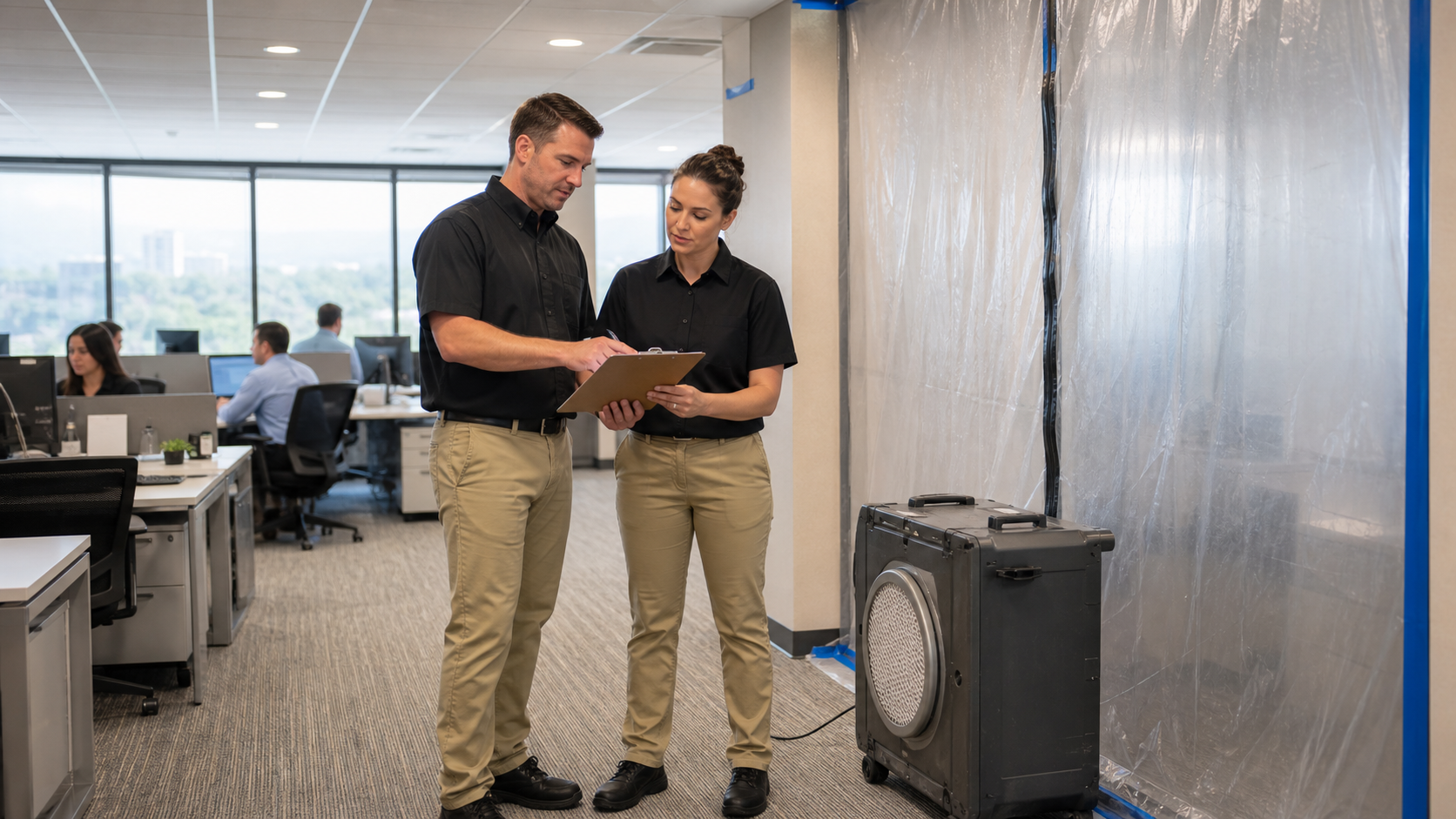
Environmental remediation is not just about fixing a building problem after it becomes visible. In occupied properties, it is about protecting the people who use the space every day. Employees, tenants, visitors, and maintenance staff can all be affected when moisture, mold, asbestos, lead dust, or other indoor air quality hazards are left unmanaged.
Why Quick Action Matters After Discovering Water Damage
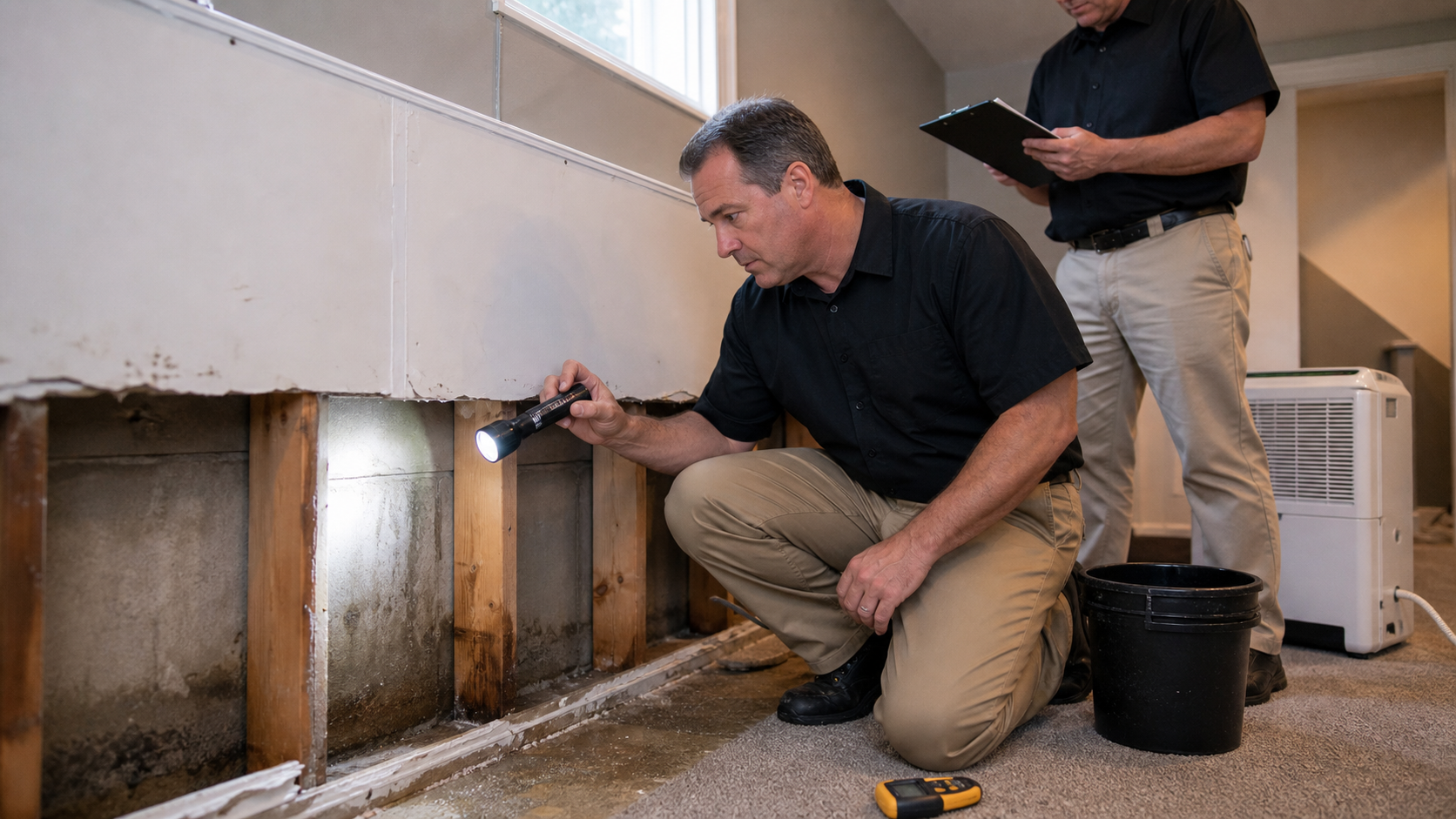
Water damage has a way of looking manageable in the first few hours. A wet carpet, a ceiling stain, a leaking supply line, or a small amount of standing water may seem like something that can wait until tomorrow. In reality, delay is usually what turns a limited water event into a much larger property problem.
How Abatement Crews Keep Contaminants from Spreading
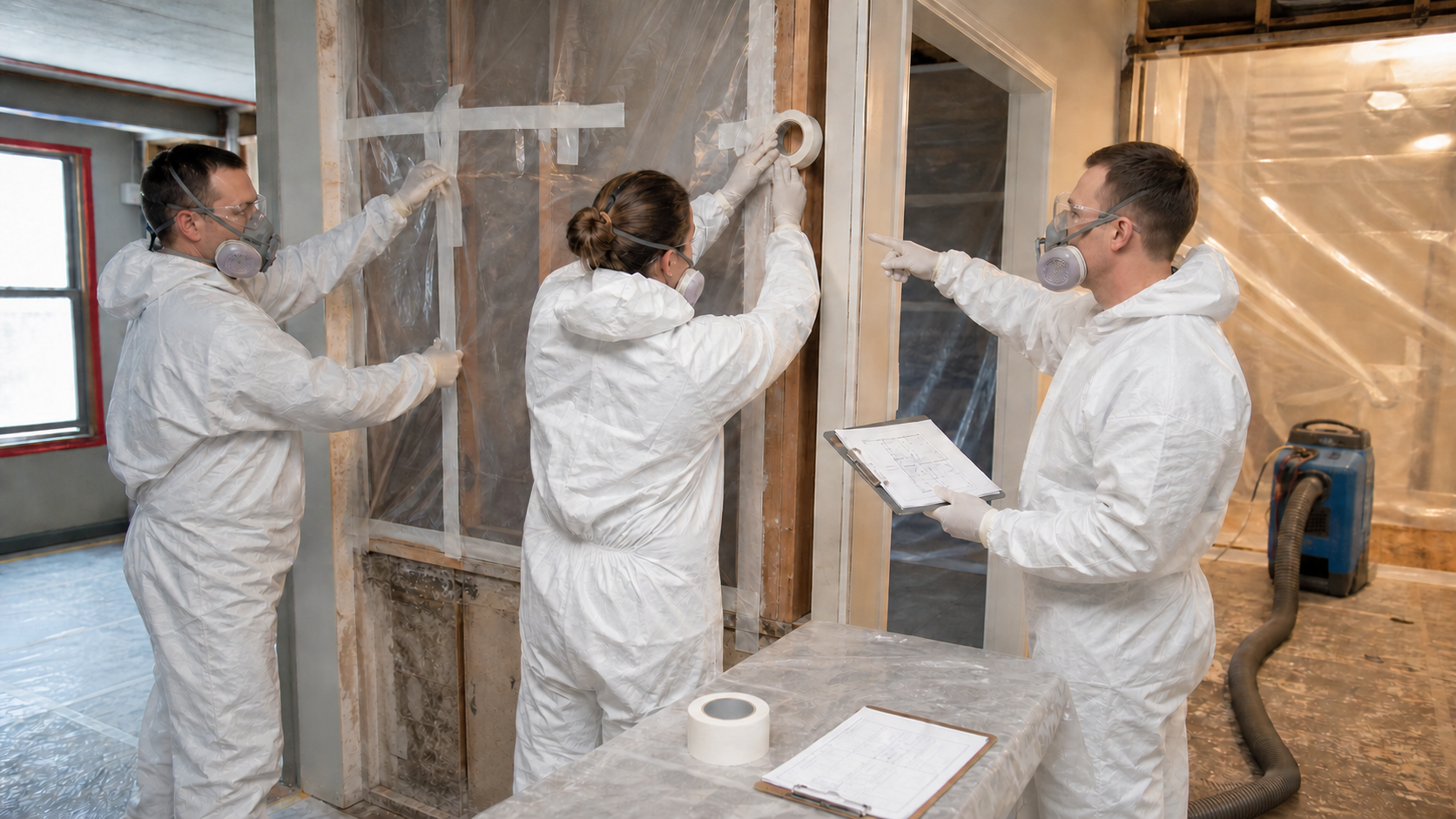
One of the biggest concerns during any environmental cleanup project is not just the contaminant itself. It is what happens when that material gets disturbed. Whether a crew is dealing with asbestos removal, mold remediation, lead paint abatement, or other hazardous material removal, the real risk often comes from particles, fibers, dust, or spores moving from the work area into clean parts of the building. That is why professional abatement crews do not approach these jobs like standard demolition or cleanup. They build the project around containment from the start.
Hidden Places Mold Can Grow After a Leak or Flood
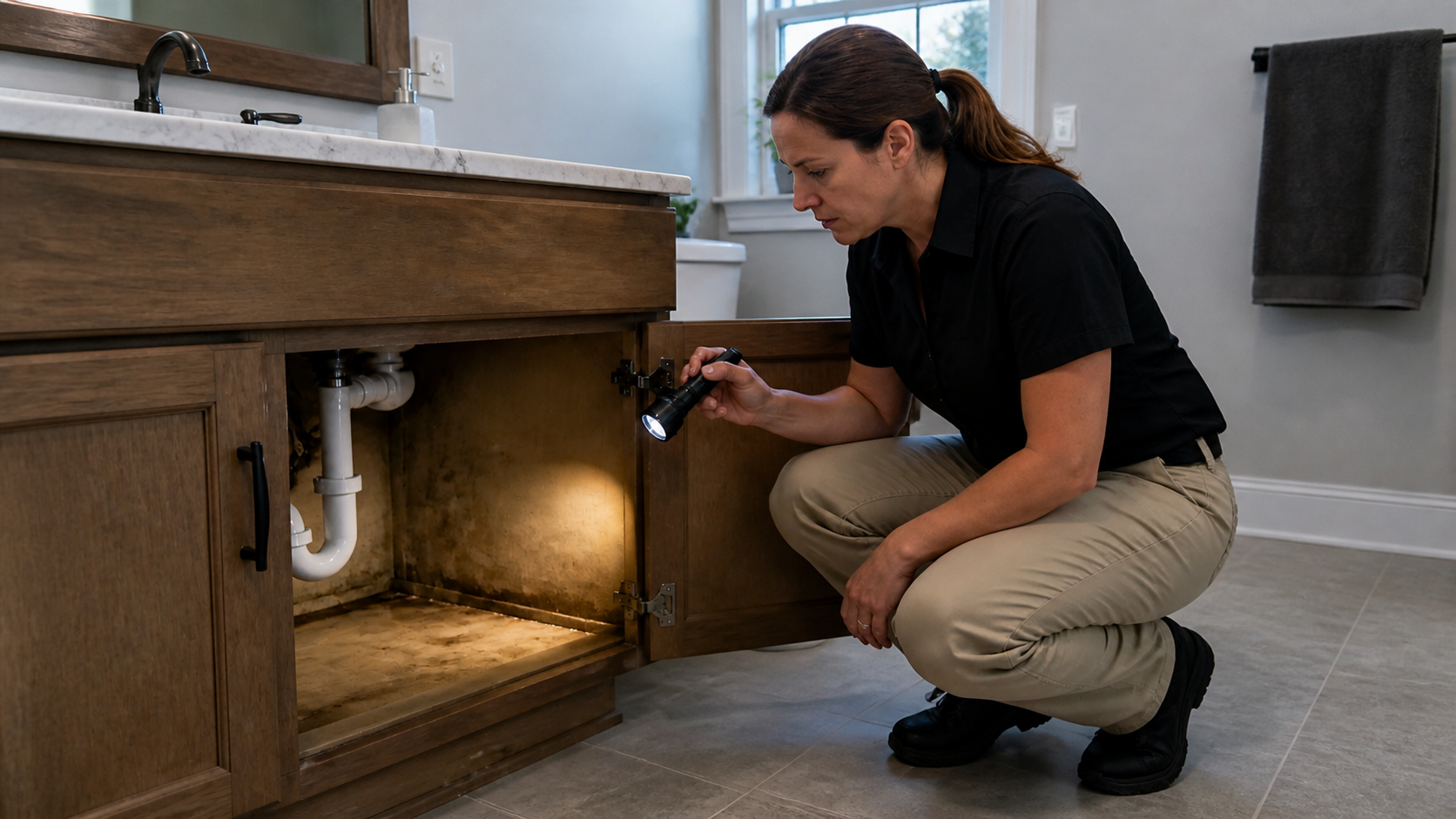
After a leak or flood, most property owners look at the obvious damage first. They check the stained ceiling, the wet carpet, the warped baseboard, or the puddle that collected on the floor. The problem is that mold rarely limits itself to the places you can see. Once water moves into porous materials or enclosed cavities, mold can keep developing in hidden areas long after the visible surface looks dry.
Why Environmental Compliance Matters for Contractors and Developers
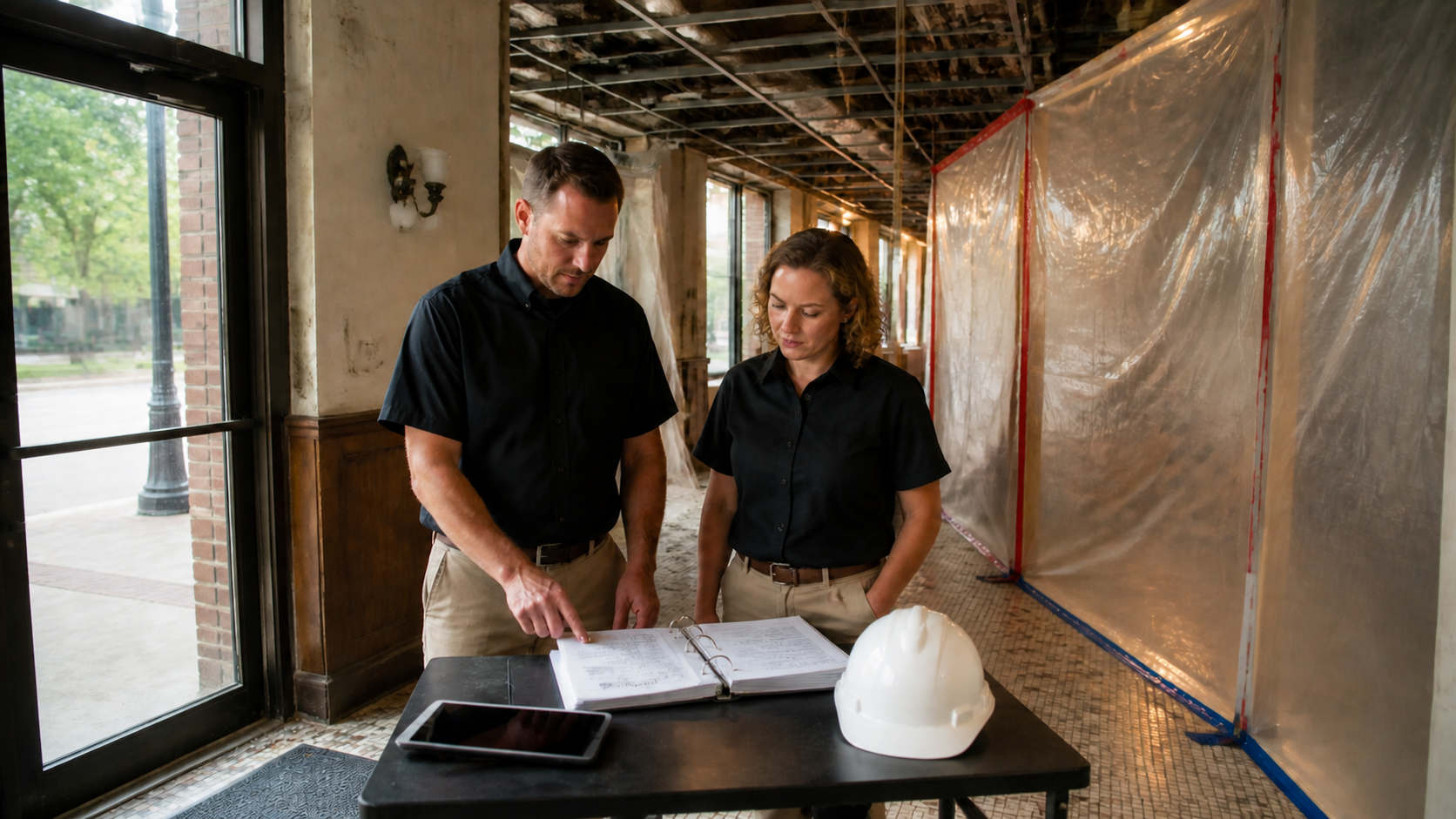
Environmental compliance can sound like a back-office issue until it affects a bid, a demolition schedule, a lender requirement, or a stop-work problem in the field. For contractors and developers, it is not just about paperwork. It directly affects how projects are scoped, priced, sequenced, and delivered, especially when renovation, demolition, hazardous materials, or occupied properties are involved.
What Property Owners Should Know About Air Quality Testing
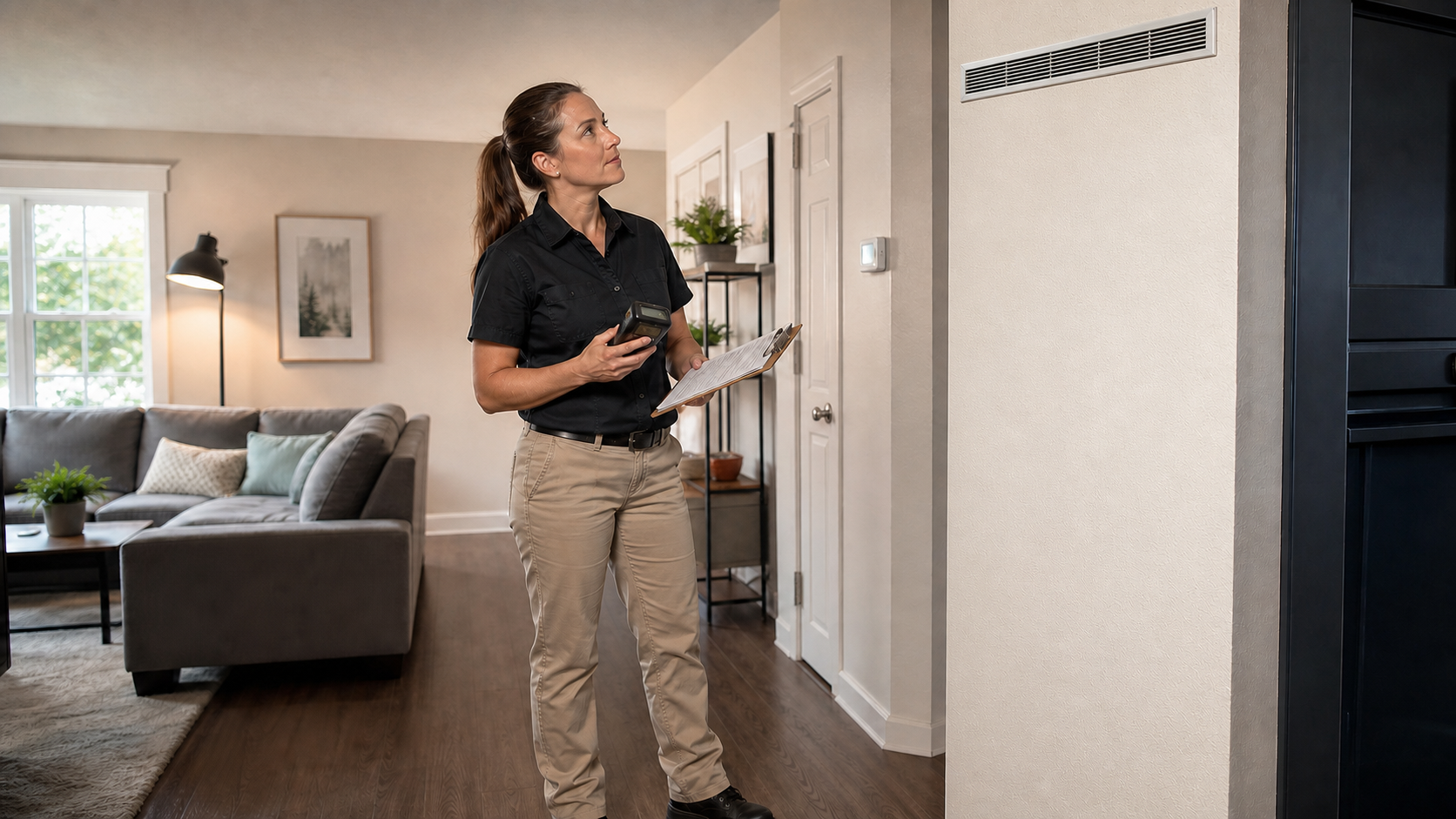
Air quality testing can sound like a simple yes-or-no service. In practice, it is much more useful than that when it is done for the right reason. For homeowners, landlords, property managers, contractors, and investors, the value of air quality testing is not just in collecting samples. It is in understanding what the building is telling you, what the occupants are experiencing, and what conditions may be affecting health, comfort, maintenance, or future renovation plans.
Common Safety Procedures Used During Asbestos Removal Projects
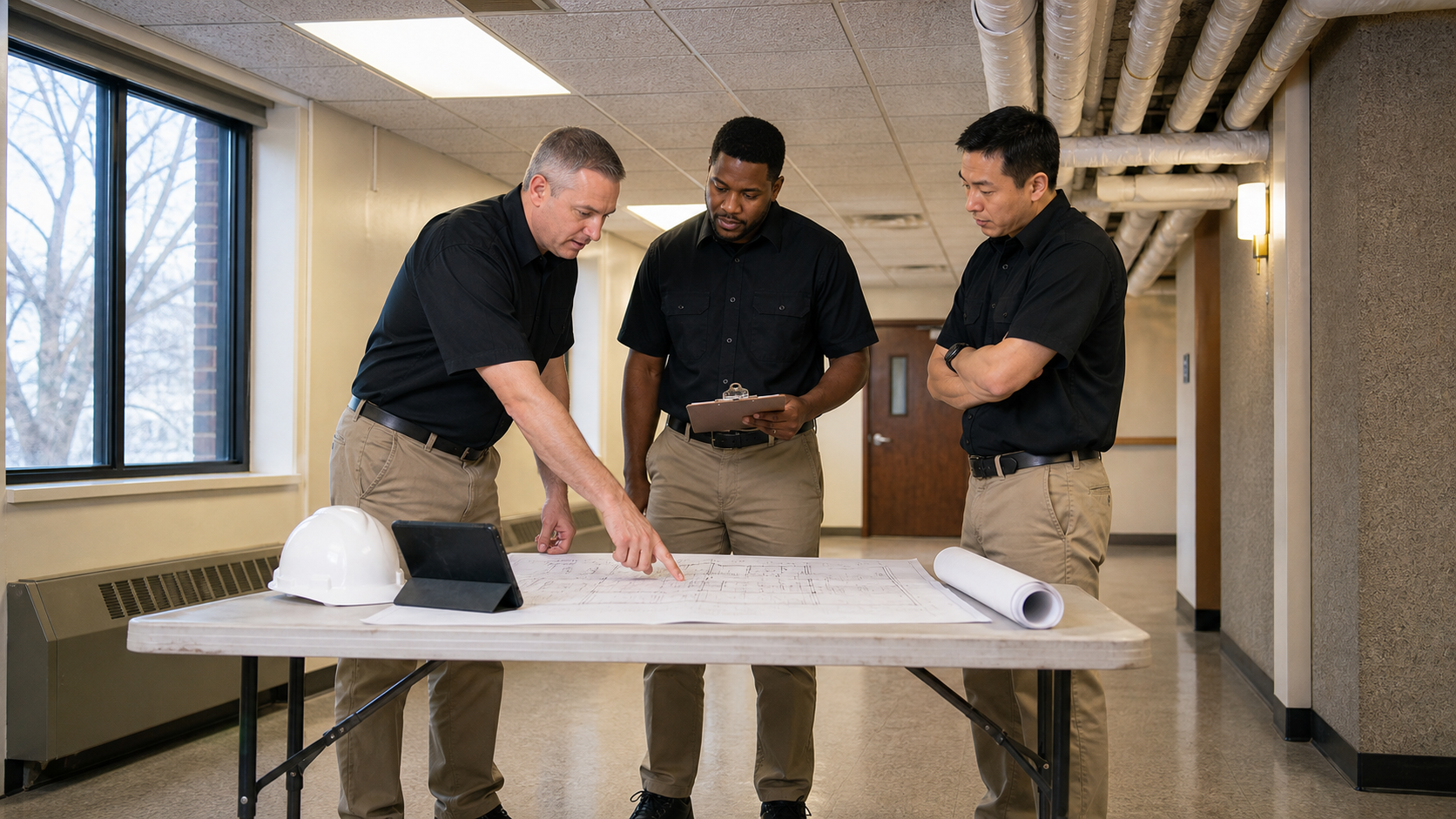
Asbestos removal is not just another demolition task with extra paperwork. It is a controlled abatement process designed to keep hazardous fibers from spreading into the rest of the building and exposing workers, occupants, or neighboring trades. That is why professional asbestos abatement projects follow strict safety procedures from the first inspection through final cleanup. For homeowners, property managers, contractors, and investors, those procedures are not technical extras. They are the reason a project stays contained, compliant, and safer to complete.

Why DIY Mold Cleanup Often Fails
DIY mold cleanup usually fails for one simple reason: people clean what they can see, but mold problems are usually driven by moisture that stays hidden behind the surface. A stained drywall corner, a musty odor, or basement mold after water damage may look like a small cleanup job, but the actual issue often extends into wall cavities, insulation, subflooring, or other damp materials that never fully dried. The visible growth is often the symptom. The moisture problem is the real job.

How Environmental Issues Can Affect Commercial Property Sales
Commercial property sales are rarely just about square footage, rent roll, or location. Environmental issues can change how a buyer views risk, how a lender views the deal, and how quickly a transaction can actually close. A building may look marketable on paper, but if due diligence raises concerns about asbestos, mold, moisture intrusion, contamination, or demolition-related compliance, the conversation can shift from price and terms to cost, timing, and liability.

What Insurance Companies Look for During Mold Claims
Mold claims are rarely just about visible growth on a wall or ceiling. From an insurance standpoint, the bigger issue is usually how the mold started, how long the moisture problem was active, how well the property owner responded, and whether the damage falls within the policy’s covered cause of loss. For homeowners, landlords, property managers, and investors, that means mold remediation is only part of the picture. Documentation, timing, and causation matter just as much as cleanup.

The Difference Between Encapsulation and Asbestos Removal
When asbestos is identified in a building, one of the first practical questions is what happens next. Property owners, contractors, and facility managers often hear two options come up right away: encapsulation and asbestos removal. While both are recognized asbestos abatement approaches, they are not the same thing, and choosing the right one depends on the material’s condition, location, future building plans, and the likelihood that the material will be disturbed.

Why Environmental Testing Is Important Before Demolition Begins
Demolition projects have a way of looking simpler from the outside than they really are. A structure may appear ready to come down, but once walls, ceilings, flooring, insulation, and mechanical systems start getting disturbed, hidden environmental issues can turn a straightforward project into a safety, compliance, and cost problem very quickly. That is why environmental testing before demolition is not just a paperwork step. It is one of the most important parts of planning a controlled, legally compliant, and efficient job.

What Is Negative Air Pressure and Why Is It Used During Abatement?
When people hear the term “negative air pressure” during an asbestos abatement or mold remediation project, it can sound overly technical or like just another box being checked on a job site. In reality, it is one of the most important engineering controls used to keep contaminants from spreading beyond the work area. For homeowners, property managers, contractors, and investors, understanding what negative air pressure does helps explain why professional containment matters so much during hazardous material removal.

How Water Intrusion Leads to Long-Term Mold Problems
Water intrusion rarely stays a one-time event. What starts as a roof leak, plumbing failure, seepage issue, or storm-related moisture problem can turn into a persistent mold condition if the building is not dried quickly and thoroughly. For homeowners, property managers, contractors, and investors, that is where the real risk begins. The visible water may be gone, but the moisture left behind in drywall, flooring, insulation, framing, and air cavities can continue to drive mold growth long after the original incident feels “over.”

Why Older Schools and Municipal Buildings Often Require Asbestos Abatement
Older schools and municipal buildings often bring a different level of asbestos risk than a typical residential property. These facilities are heavily used, frequently repaired, and often upgraded in phases, which makes asbestos inspection and asbestos testing especially important when building materials are aging, damaged, or likely to be disturbed. In public-use buildings, the question is rarely just whether asbestos is present. The bigger issue is whether those materials can still be safely managed in place or whether asbestos abatement has become the more responsible path.

What Makes a Mold Problem “Unsafe”?
Not every mold issue means a building is unsafe. A small spot on a hard bathroom surface may be a maintenance issue, while mold tied to hidden moisture, occupant symptoms, contaminated water, or widespread damage is a much more serious problem. For homeowners, property managers, contractors, and investors, the challenge is knowing when a mold problem has crossed the line from inconvenient to unsafe.